
The recent downturn in the cryptocurrency market has prompted widespread introspection among investors, policymakers, and enthusiasts alike. What was once seen by many as an unstoppable force, immune to traditional financial cycles, proved vulnerable to a confluence of macroeconomic pressures, systemic failures, and a fundamental shift in market sentiment. Understanding the multifaceted reasons behind the crypto crash requires a deep dive into financial dynamics, regulatory landscapes, and the inherent characteristics of this relatively nascent asset class.
The Macroeconomic Headwinds
One of the primary drivers of the crypto market’s decline was the dramatic shift in global macroeconomic conditions. For years, cryptocurrencies thrived in an environment characterized by low interest rates, abundant liquidity, and a general appetite for riskier assets. This era of “easy money” fueled speculation across various markets, including digital assets.

Rising Interest Rates and Inflation
As inflation began to surge globally in late 2021 and intensified into 2022, central banks, led by the U.S. Federal Reserve, embarked on an aggressive campaign of interest rate hikes. Higher interest rates increase the cost of borrowing and reduce the present value of future earnings, making riskier, long-duration assets like growth stocks and cryptocurrencies less attractive. Investors began rotating out of speculative assets into safer havens such as government bonds or cash. The prospect of sustained inflation also eroded the purchasing power of capital, further pressuring investments without immediate, tangible returns. Crypto, often touted as an inflation hedge, ironically suffered as investors sought traditional inflation hedges like real estate and commodities, or simply reduced overall risk exposure.
Global Economic Slowdown
Compounding the interest rate issue was the looming threat of a global economic slowdown, or even recession. Supply chain disruptions, geopolitical tensions, and ongoing energy crises contributed to a pessimistic outlook. In times of economic uncertainty, capital typically flows out of volatile assets. Cryptocurrencies, with their historically high volatility, were among the first to experience significant outflows as investors de-risked their portfolios in anticipation of leaner economic times. This broad-based flight to safety significantly reduced the pool of available capital willing to engage in high-risk, high-reward ventures.
Regulatory Scrutiny and Uncertainty
The rapid growth and increasing mainstream adoption of cryptocurrencies inevitably attracted the attention of regulators worldwide. However, the lack of clear, consistent, and comprehensive regulatory frameworks created significant uncertainty and, in some cases, directly contributed to market instability.
Lack of Clear Frameworks
Many jurisdictions struggled to categorize crypto assets, leading to a patchwork of regulations or, more often, a regulatory void. This ambiguity made it difficult for institutional investors to fully commit to the space, limited the development of regulated financial products, and left consumers vulnerable. In the absence of clear rules, crypto projects operated in a gray area, leading to questions about investor protection, market manipulation, and financial stability. The SEC’s ongoing stance that many cryptocurrencies are unregistered securities, for example, has cast a long shadow over the market, creating apprehension and stifling innovation in the U.S.
Enforcement Actions and Their Ripple Effects
As the market matured and valuations soared, regulators began to take more decisive action. Crackdowns on specific platforms, arrests of key figures, and increasingly vocal warnings about the risks of crypto investing amplified fear, uncertainty, and doubt (FUD) within the market. China’s comprehensive ban on cryptocurrency mining and trading, while not entirely new, reinforced the potential for government intervention to severely impact the ecosystem. Elsewhere, the threat of stricter KYC (Know Your Customer) and AML (Anti-Money Laundering) regulations, while crucial for legitimacy, also raised concerns about privacy and the fundamental ethos of decentralization, contributing to a cautious sentiment among some market participants.
Systemic Failures and Contagion
Perhaps the most dramatic and financially devastating aspects of the crypto crash stemmed from a series of high-profile systemic failures that exposed deep vulnerabilities within the decentralized finance (DeFi) and broader crypto lending ecosystems. These failures triggered a cascade of liquidations and bankruptcies, sending shockwaves across the industry.
The Terra-Luna Catastrophe
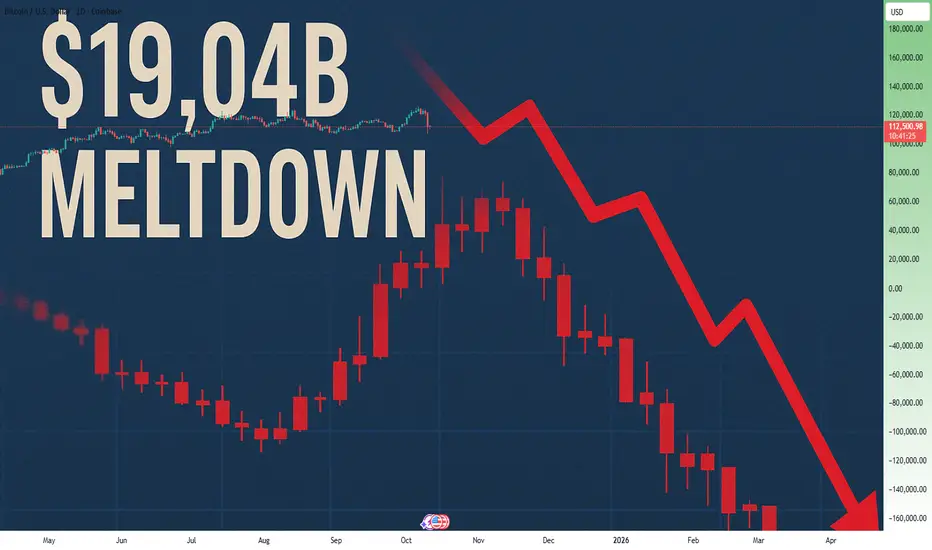
The collapse of the Terra-Luna ecosystem in May 2022 served as a stark warning. TerraUSD (UST) was an algorithmic stablecoin designed to maintain a peg to the U.S. dollar through a complex arbitrage mechanism involving its sister token, Luna. When UST lost its peg, the system spiraled out of control. Luna’s value plummeted from over $80 to virtually zero in days, liquidating billions of dollars and evaporating investor wealth. This event shattered confidence in algorithmic stablecoins and highlighted the fragility of highly interconnected, uncollateralized protocols, demonstrating how a single point of failure could have catastrophic repercussions for the entire market.
FTX’s Implosion and its Aftermath
The subsequent implosion of FTX, once one of the world’s largest cryptocurrency exchanges, represented an even greater blow to market confidence. Allegations of mismanagement, commingling of customer funds, and outright fraud led to FTX’s bankruptcy in November 2022. This event had far-reaching consequences, affecting millions of users globally and exposing the precarious financial health of many crypto businesses that had relied on FTX for liquidity or held assets on the platform. The FTX scandal not only caused immense financial losses but also severely damaged the industry’s reputation, raising questions about transparency, corporate governance, and the safety of centralized crypto custodians.
Over-Leveraging and Liquidation Cascades
Beneath these headline-grabbing failures lay a pervasive issue of over-leveraging across the crypto ecosystem. Many funds, lending platforms, and individual investors used borrowed capital to amplify their returns, often collateralizing these loans with volatile crypto assets. When the market began its descent, the value of this collateral fell, triggering margin calls and forced liquidations. This created a vicious cycle: liquidations drove prices lower, leading to more margin calls and further liquidations. Companies like Three Arrows Capital (3AC), Celsius Network, and Voyager Digital, all heavily intertwined through lending relationships, faced severe liquidity crises and ultimately declared bankruptcy, exacerbating the contagion effect and wiping out significant portions of the market’s capital.
Shifting Investor Sentiment and Risk Aversion
Beyond specific incidents and economic shifts, the crypto crash also reflected a profound change in investor psychology. The exuberant “bull market” mentality of 2020-2021 gave way to a more cautious, risk-averse stance.
The End of Easy Money
The period leading up to the crash was characterized by a speculative frenzy, often fueled by “fear of missing out” (FOMO) and the allure of quick, substantial returns. Many new investors entered the market with limited understanding of fundamental analysis or risk management, drawn by the success stories of early adopters. As central banks tightened monetary policy and the cost of capital rose, the “easy money” era concluded. This fundamentally altered the risk calculus for investors. The emphasis shifted from maximizing potential gains to preserving capital and minimizing downside exposure. This meant less speculative buying and more selling, particularly from investors who had entered the market at elevated prices.
Erosion of Trust
The cascade of failures—from Terra-Luna to FTX—severely eroded trust in the crypto ecosystem. Investors who witnessed their holdings vanish due to platform bankruptcies or unstable protocols became wary of centralized entities and even certain decentralized applications. The perception that “not your keys, not your coins” was not just a maxim but a harsh reality for many galvanized a move towards self-custody and greater scrutiny of project fundamentals. This loss of trust, coupled with regulatory uncertainty, created a prolonged period of bearish sentiment, making it challenging for prices to recover even with minor positive news. The market became much more sensitive to negative headlines and less responsive to optimistic projections, reflecting a deep-seated caution.
The Inherent Volatility of a Nascent Market
Finally, it is crucial to remember that cryptocurrencies represent a relatively new and evolving asset class. Their inherent characteristics contribute to their volatility, making them susceptible to significant price swings during periods of stress.
Speculative Bubbles and Unrealistic Expectations
Many crypto assets, particularly altcoins, are highly speculative. Their valuations often rely heavily on future potential rather than current utility or established revenue streams. The preceding bull run saw numerous projects achieve astronomical valuations based on whitepapers and hype, leading to what many analysts deemed a speculative bubble. When market conditions turned unfavorable, these overvalued assets were among the first and hardest hit, as investors quickly reassessed their risk-reward profiles and liquidated positions that lacked strong underlying fundamentals or adoption. Unrealistic expectations of continuous, exponential growth were confronted by the realities of market cycles.
Decentralization’s Double-Edged Sword
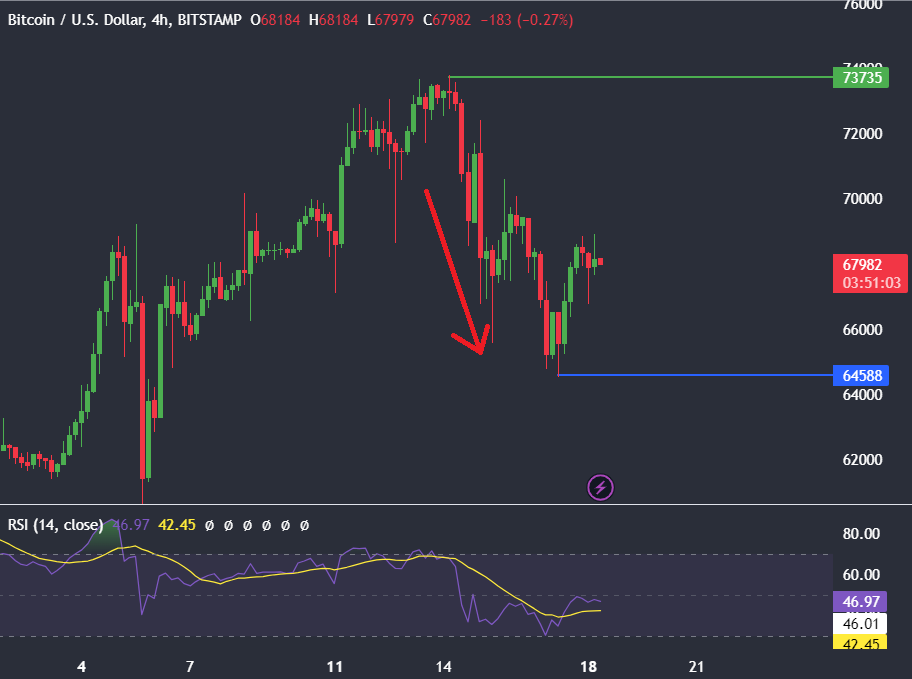
While decentralization is a core tenet of many cryptocurrencies, it also presents unique challenges from a financial stability perspective. The lack of a central authority or lender of last resort means that protocols can unravel without external intervention to stabilize them. This was evident in the Terra-Luna collapse, where no central body could step in to prevent the death spiral. While this autonomy is celebrated by many, it also means that risks, once realized, can propagate rapidly through interconnected decentralized applications, leading to widespread financial disruption without traditional circuit breakers or systemic safeguards. This attribute, while philosophically aligned with crypto’s ethos, can amplify market downturns, turning localized problems into systemic crises that directly impact investment portfolios.
aViewFromTheCave is a participant in the Amazon Services LLC Associates Program, an affiliate advertising program designed to provide a means for sites to earn advertising fees by advertising and linking to Amazon.com. Amazon, the Amazon logo, AmazonSupply, and the AmazonSupply logo are trademarks of Amazon.com, Inc. or its affiliates. As an Amazon Associate we earn affiliate commissions from qualifying purchases.