
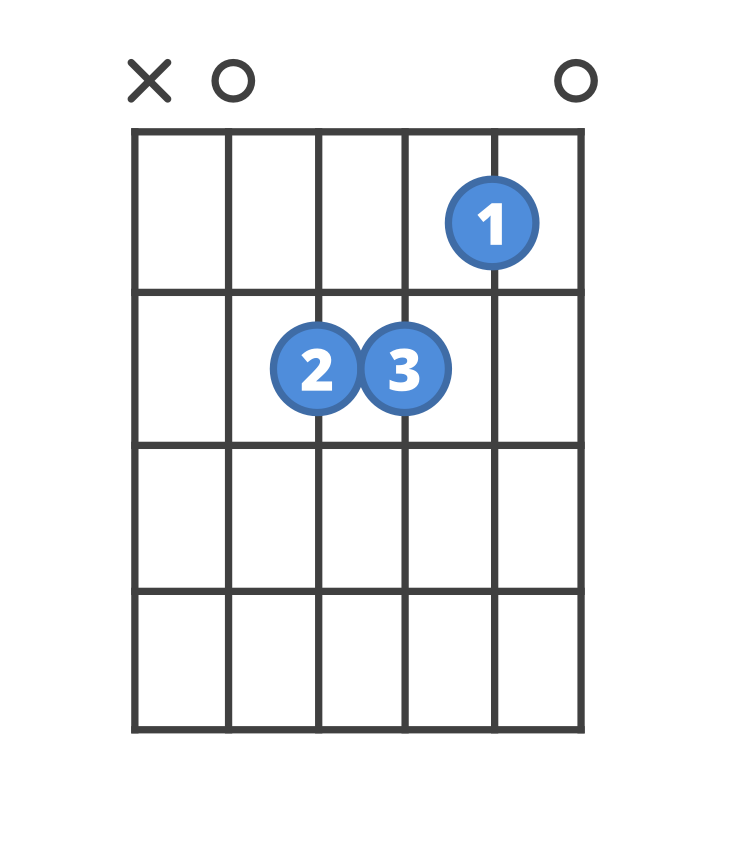
For guitarists, both novice and veteran, the seemingly simple question “What guitar chord am I playing?” can sometimes lead to a frustrating standstill. Whether you’re learning a new song by ear, transcribing a complex piece, songwriting and experimenting with new voicings, or simply trying to remember that elusive chord you stumbled upon, accurately identifying chords is a foundational skill. Historically, this task relied heavily on ear training, music theory knowledge, and rote memorization. Today, however, technology has revolutionized how musicians approach chord identification, transforming a potential bottleneck into an accessible, often instant, process. From sophisticated software to intelligent hardware, the digital age offers an array of tools designed to demystify the fretboard and accelerate your musical journey.
The Challenge of Chord Identification and the Rise of Digital Assistance
Before the advent of widespread music technology, identifying chords was a largely manual and often time-consuming endeavor. Musicians would meticulously listen, compare sounds, and apply their theoretical understanding to discern individual notes and piece together the chord structure. This process, while invaluable for developing a keen ear, posed significant hurdles, particularly for those with less experience or facing complex harmonies.
From Ear Training to Digital Assistance
Traditional ear training involves developing the ability to recognize intervals, melodies, and harmonies by sound alone. For chords, this means distinguishing major from minor, dominant from diminished, and identifying inversions. While essential for a well-rounded musician, this skill takes years to hone. The modern solution offers a powerful supplement: digital tools that can analyze audio in real-time or from recorded tracks, instantly presenting the chord name. This isn’t to say ear training is obsolete; rather, technology provides a potent accelerant, helping users verify their auditory guesses or offering a starting point for deeper analysis. It democratizes access to advanced musical understanding, allowing more players to confidently explore new sounds without getting bogged down by identification struggles.
Common Scenarios for Needing Identification
The scenarios where a guitarist might need to identify a chord are diverse. A common situation involves learning a song by ear where the chords aren’t immediately apparent. Another is during the songwriting process, where an accidental strum might produce a unique, inspiring chord, but the player can’t recall its name or how they formed it. Transcribing complex jazz or classical pieces, where voicings can be intricate and non-standard, also presents a frequent challenge. Furthermore, teachers might use these tools to quickly check students’ fingerings against the intended sound, or students might use them for self-correction during practice. In all these cases, instant feedback from technology saves time, reduces frustration, and keeps the creative flow uninterrupted.
AI-Powered Apps and Software: Your Personal Chord Detective
The most accessible and widely used technological solutions for chord identification come in the form of mobile applications and desktop software. These tools leverage sophisticated audio processing and artificial intelligence to “listen” to your playing and tell you exactly what chord is being sounded.
How Audio Recognition Technology Works
At the core of these applications is advanced audio recognition technology. When you play a chord into a microphone (either built into your device or an external interface), the software performs several key functions:
- Pitch Detection: It identifies the fundamental frequencies of all notes being played simultaneously. This is often achieved through algorithms like Fast Fourier Transform (FFT) or more advanced machine learning models trained on vast datasets of musical sounds.
- Note Analysis: Once individual pitches are detected, the software maps them to musical notes (e.g., C, C#, D, etc.).
- Chord Matching: The combination of detected notes is then compared against a comprehensive database of known chord voicings and inversions. AI and machine learning play a crucial role here, enabling the system to recognize chords even with varying instrumentation, slight tuning imperfections, or complex voicings that might deviate from standard textbook forms. This pattern recognition allows for high accuracy across a wide range of musical contexts.
- Display and Feedback: Finally, the identified chord name is displayed, often along with its constituent notes and sometimes even common fingerings.
Top Mobile Apps for Instant Chord Detection
The market is rich with mobile applications designed for chord identification. These apps transform your smartphone or tablet into a powerful analytical tool. Many offer real-time detection, meaning you can play a chord, and within milliseconds, the app displays its name. Features often include:
- Real-time listening mode: Directly identifying chords as you play into the device’s microphone.
- Audio file analysis: Uploading an existing song or recording to have its chords transcribed.
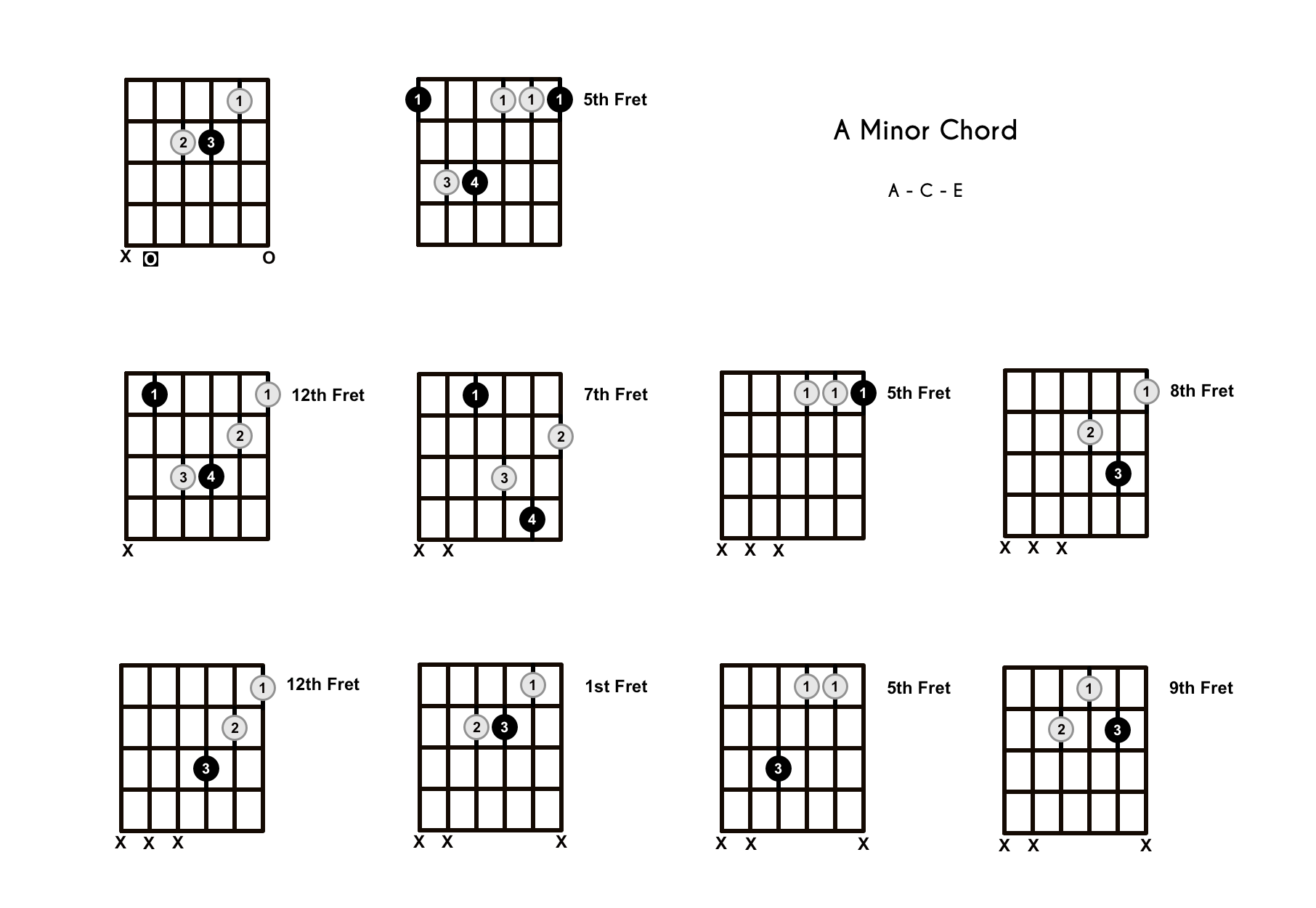
- Chord libraries and diagrams: Providing visual representations of how to play the identified chord.
- Metronome and tuner functionalities: Integrating essential practice tools.
- Learning modes: Some apps even gamify the learning process, challenging you to play specific chords or identify them by ear.
These apps serve as invaluable portable companions for practice, songwriting, and impromptu jam sessions, providing immediate insights without the need for complex setups.
Desktop Software for Deeper Analysis and Transcription
For musicians requiring more in-depth analysis or working on larger transcription projects, desktop software offers enhanced capabilities. Digital Audio Workstations (DAWs) like Ableton Live, Logic Pro X, or FL Studio often have built-in or plugin-based pitch and chord detection features. Dedicated music transcription software can go even further, allowing users to slow down audio, isolate frequencies, and generate sheet music or tablature from audio input, including accurate chord recognition. These professional tools are essential for producers, composers, and serious transcribers who need granular control and comprehensive output formats, facilitating not just identification but also arrangement and notation.
Smart Gadgets and Hardware: Tangible Tools for Musicians
Beyond software and apps, a growing number of physical gadgets and hardware devices are integrating chord identification technology directly into their design. These devices offer a tactile, often hands-free, solution for guitarists.
Digital Tuners with Chord Recognition Capabilities
While traditional tuners primarily focus on individual note pitch, a new generation of digital tuners incorporates chord recognition. These devices typically feature a larger display that shows not only whether your strings are in tune but also the name of the chord you’re currently fretting. Some even connect wirelessly to a companion app, extending their functionality. These smart tuners are particularly useful for quick checks during practice or performance, providing immediate feedback on chord accuracy without needing to switch between devices.
MIDI Guitars and Interfaces for Real-time Feedback
MIDI (Musical Instrument Digital Interface) technology has been a cornerstone of digital music for decades. MIDI guitars, or regular guitars equipped with MIDI pickups and interfaces, convert the vibrations of each string into digital data. This data can then be sent to a computer or another MIDI-compatible device, which can accurately identify and display the notes and, consequently, the chords being played in real-time. This provides an incredibly precise and low-latency method for chord identification, often used in studios for recording and by performers for triggering synthesizers or other digital instruments.
Smart Amps and Pedals: Integrated Solutions
The “smart” revolution has also reached guitar amplification and effects. Many modern digital amplifiers and multi-effects pedals come with built-in processors capable of analyzing incoming guitar signals. Some higher-end models feature integrated tuners that can also display chord names, leveraging their powerful DSP (Digital Signal Processing) capabilities. Similarly, certain intelligent pedals can analyze your playing and suggest scales or chords that fit the current musical context, blurring the lines between identification, education, and creative assistance. These integrated solutions simplify setups and offer convenience, making chord identification an organic part of the musician’s signal chain.
Leveraging Online Resources and AI-Driven Platforms
The internet provides another vast ecosystem for chord identification and musical learning. Web-based tools and AI-driven educational platforms offer accessible and often free options for guitarists.
Web-Based Chord Identifiers and Transcribers
Numerous websites offer free chord identification tools. You can often upload an audio file or use your computer’s microphone to input sound, and the website’s algorithms will process it to reveal the chords. These platforms are particularly useful for quick checks or for analyzing short snippets of music without needing to download specific software. Many also offer comprehensive chord libraries, scale explorers, and virtual fretboards, making them multi-functional resources for learning and practice.
AI in Music Education and Learning Platforms
The application of AI in music extends far beyond simple chord identification. Online music education platforms are increasingly using AI to personalize learning experiences. When it comes to chords, AI can:
- Analyze playing technique: Provide feedback on finger placement and strumming patterns.
- Suggest exercises: Recommend specific chord progressions or songs based on identified weaknesses or learning goals.
- Adaptive learning paths: Adjust the curriculum in real-time based on a student’s progress in identifying and playing chords.
This integration makes the learning process more efficient and engaging, offering tailored support that was once only available through private instruction.
Community Forums and Digital Collaboration for Verification
While not strictly “tech” in the sense of automated analysis, online musician communities and forums play a significant role in chord identification. When automated tools are inconclusive, or for very nuanced situations, posting an audio clip or video to a community of experienced players can yield valuable insights. Digital collaboration tools also allow musicians to share their interpretations and collectively work towards accurate transcriptions, leveraging collective human intelligence alongside technological aids.
Beyond Identification: Enhancing Your Musical Journey with Technology
The utility of technology for guitarists extends far beyond merely identifying chords. The same foundational technologies that enable chord recognition also power a plethora of tools designed to enhance every aspect of a musician’s journey.
Practice Tools and Metronomes
Digital metronomes, often integrated into chord identification apps, offer precise tempo control. Advanced practice tools include looping functions for difficult passages, speed trainers that gradually increase tempo, and virtual backing tracks to practice chords in a musical context. These features are crucial for developing rhythm, timing, and muscle memory.
Composition and Arrangement Aids
Once chords are identified, technology assists in manipulating and arranging them. MIDI sequencers allow composers to experiment with different voicings, add other instruments, and build full arrangements. AI-driven composition tools can even suggest harmonically coherent progressions or counter-melodies, sparking new creative ideas. Guitar tablature and notation software simplify the process of documenting compositions, ensuring that identified chords are accurately preserved for future reference or sharing.
Performance Enhancement and Looping
In live performance settings, technology offers solutions like looper pedals, which allow guitarists to record and layer chord progressions on the fly, effectively creating a multi-instrumental backing track. Digital multi-effects units can transform the sound of identified chords with various effects, providing sonic versatility previously only possible with a large collection of individual pedals. These tools empower performers to explore new dimensions of sound and stage presence.
The Future of Music Tech: More Intelligent and Integrated Systems
The trajectory of music technology points towards increasingly intelligent and seamlessly integrated systems. Expect to see more advanced AI capable of not only identifying chords but also analyzing musical context, suggesting improvisation ideas, or even generating entire pieces based on a few input chords. Wearable tech for musicians, smart instruments with embedded processing power, and even more intuitive human-computer interfaces promise to further blur the line between musician and machine, making the process of identifying, learning, and creating music more intuitive and powerful than ever before. For any guitarist asking “What chord am I playing?”, the answer is now more accessible and comprehensive than ever, thanks to the continuous innovation in music technology.
aViewFromTheCave is a participant in the Amazon Services LLC Associates Program, an affiliate advertising program designed to provide a means for sites to earn advertising fees by advertising and linking to Amazon.com. Amazon, the Amazon logo, AmazonSupply, and the AmazonSupply logo are trademarks of Amazon.com, Inc. or its affiliates. As an Amazon Associate we earn affiliate commissions from qualifying purchases.