
The journey to homeownership, or the ongoing management of an existing mortgage, is profoundly influenced by the trajectory of interest rates. In recent periods, many prospective buyers and current homeowners have observed a noticeable upward trend in mortgage rates, prompting a collective inquiry: why are they rising? This isn’t a simple question with a singular answer but rather the outcome of a complex interplay of macroeconomic forces, central bank policies, and market sentiment. Understanding these underlying drivers is crucial for anyone navigating the housing market or managing their personal finances. This article delves into the primary factors contributing to the escalation of mortgage rates, offering insights into their mechanisms and implications.
The Federal Reserve’s Dominant Influence
At the heart of interest rate movements in the United States lies the Federal Reserve (the Fed). As the nation’s central bank, the Fed wields significant power in guiding monetary policy, primarily through its manipulation of the federal funds rate. While mortgage rates are not directly controlled by the Fed, their actions ripple through the financial system, profoundly impacting long-term borrowing costs.
Understanding the Federal Funds Rate
The federal funds rate is the target interest rate at which commercial banks borrow and lend their excess reserves to each other overnight. It’s a short-term rate, but changes to it act as a benchmark for other interest rates throughout the economy. When the Fed raises its target for the federal funds rate, it signals a tightening of monetary policy, making it more expensive for banks to borrow money. This increased cost then typically gets passed on to consumers and businesses in the form of higher rates on various loans, including credit cards, auto loans, and, indirectly, mortgages.
Taming Inflation Through Rate Hikes
One of the Fed’s dual mandates is to maintain price stability, meaning keeping inflation in check. When inflation, the rate at which prices for goods and services are rising, becomes persistently high, the Fed often responds by raising the federal funds rate. The rationale is that higher borrowing costs will reduce demand in the economy, cool spending, and thereby alleviate inflationary pressures. By making money more expensive to obtain, the Fed aims to slow down economic activity to bring supply and demand back into balance, ultimately restoring price stability.
Indirect Impact on Mortgage Rates
Mortgage rates, particularly for fixed-rate mortgages, are not directly tied to the federal funds rate. Instead, they closely track the yield on the 10-year Treasury note. However, the Fed’s overall monetary policy stance significantly influences the Treasury market. When the Fed embarks on a series of rate hikes, it sends a clear signal to bond investors that future interest rates are likely to be higher. This expectation, combined with other market dynamics, often pushes up yields on Treasury bonds, which in turn leads to higher mortgage rates. The market anticipates the Fed’s actions, and bond yields adjust accordingly, often in advance of, or in tandem with, official announcements.
The Persistent Challenge of Inflation
Inflation stands as one of the most powerful and direct drivers of rising mortgage rates. When the cost of living increases significantly, it erodes the purchasing power of money over time. This economic reality directly impacts lenders’ appetite for long-term loans.
Eroding Purchasing Power
From a lender’s perspective, extending a 30-year mortgage means committing capital for an extended period. If inflation is high, the money repaid by the borrower in the future will be worth less than the money initially lent. To compensate for this anticipated loss in purchasing power, lenders demand a higher interest rate. This higher rate ensures they still earn a reasonable “real” return (i.e., adjusted for inflation) on their investment. Without adequate compensation for inflation, lenders would be less willing to offer long-term loans, potentially stifling the housing market.
Lender’s Need for Higher Returns
Imagine a scenario where inflation is running at 5% annually. If a lender offered a mortgage at 3%, they would effectively be losing money in real terms. Therefore, they must charge an interest rate that not only covers their operational costs and desired profit margin but also sufficiently compensates for the erosion of value due to inflation. This inflation premium is a critical component of every mortgage rate calculation. The higher the perceived risk of future inflation, the higher this premium will be, pushing mortgage rates upward.
Consumer Price Index (CPI) as a Key Indicator
The primary metric used to measure inflation is the Consumer Price Index (CPI), which tracks the average change over time in the prices paid by urban consumers for a market basket of consumer goods and services. When the CPI shows sustained high readings, it reinforces the market’s expectation that the Fed will continue its aggressive stance on interest rate hikes, further driving up bond yields and, consequently, mortgage rates. Economic data, particularly inflation reports, are keenly watched by investors and lenders alike for signals on the future direction of rates.
The Influence of the Bond Market
While the Fed sets the stage and inflation provides the motivation, the bond market, specifically the U.S. Treasury market, is where the immediate pricing of mortgage rates takes place. The symbiotic relationship between mortgage rates and the yield on the 10-year Treasury note is a cornerstone of financial markets.
The 10-Year Treasury Yield Connection
Fixed-rate mortgages are typically priced based on a spread over the yield of the 10-year U.S. Treasury note. The 10-year Treasury is considered a benchmark for long-term interest rates because of its liquidity and perceived safety. When investors demand higher yields for holding these government bonds (meaning bond prices fall), mortgage rates tend to follow suit. This is because mortgage-backed securities (MBS), which are bundles of mortgages sold to investors, compete with Treasuries for investor capital. To make MBS attractive, their yields must offer a premium over comparable Treasuries.

Investor Sentiment and Bond Prices
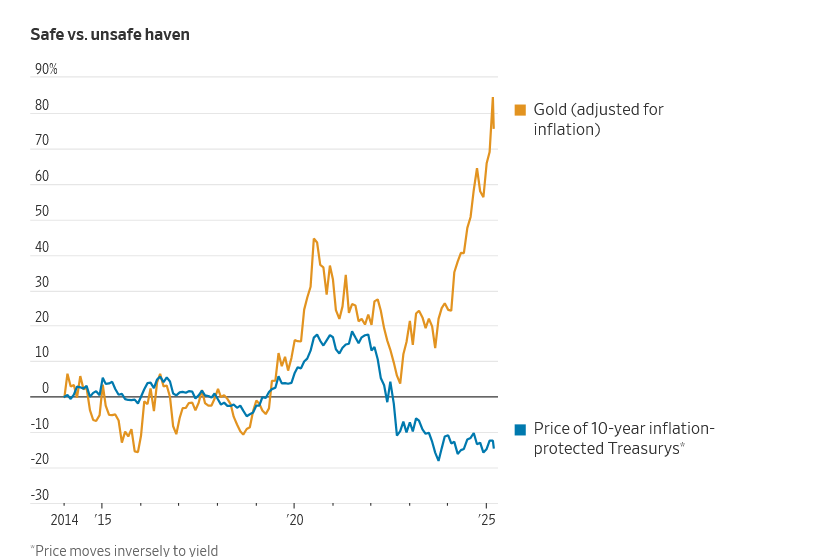
The yield on a bond moves inversely to its price. When there’s less demand for bonds, or when investors anticipate higher interest rates in the future (perhaps due to strong economic data or persistent inflation fears), bond prices fall, and their yields rise. Conversely, when economic uncertainty drives investors towards safer assets, demand for Treasuries increases, pushing prices up and yields down. Market sentiment, influenced by everything from geopolitical events to unemployment figures, plays a crucial role in these day-to-day fluctuations, impacting mortgage rates almost instantaneously. For instance, if the market believes the economy is strong and inflation will persist, they will demand higher yields on bonds, anticipating that the Fed will continue to raise rates.
Global Economic Forces
The U.S. bond market is not an isolated entity. Global economic developments, international capital flows, and the monetary policies of other major central banks can also influence the demand for U.S. Treasury bonds. For example, if foreign investors perceive better returns elsewhere or if global economic uncertainty increases, it can affect the buying and selling of U.S. debt, thereby impacting yields and, consequently, domestic mortgage rates. The interconnectedness of global finance means that even events far from home can have an indirect yet noticeable effect on a homeowner’s monthly payment.
Broader Economic Conditions and Market Sentiment
Beyond the direct levers of the Fed, inflation, and bond markets, the broader economic landscape and prevailing market sentiment also contribute significantly to the direction of mortgage rates.
Strong Economic Growth and Labor Market
A robust economy, characterized by strong GDP growth, low unemployment, and rising wages, can exert upward pressure on interest rates. When the economy is performing well, there is often increased demand for credit from both consumers and businesses. This higher demand for borrowing, coupled with increased confidence in future economic stability, can lead lenders to raise rates. A tight labor market, where employers struggle to find workers and wages climb, also fuels inflationary concerns, reinforcing the expectation of Fed action and higher rates. Conversely, during periods of economic slowdown or recession, rates tend to fall as the Fed often cuts rates to stimulate growth, and demand for credit weakens.
Supply and Demand Dynamics in Housing
While not a direct driver of interest rates, the supply and demand dynamics within the housing market can indirectly influence the overall financial environment that shapes mortgage rates. A sustained imbalance, where demand for housing far outstrips supply, contributes to rising home prices. While this primarily affects affordability by increasing the principal amount of the loan, it can also feed into general economic exuberance or concerns, which in turn might impact bond yields. Moreover, the stability of the housing market is a factor lenders consider in their risk assessment; an overheating market could lead to more cautious lending practices.
Lender Risk and Profit Margins
Mortgage lenders operate as businesses, and like any business, they aim to make a profit. The interest rate they offer to borrowers isn’t just a reflection of the Fed’s stance or Treasury yields; it also includes their operating costs, the cost of funds, the risk associated with lending to a particular borrower, and their desired profit margin. In periods of economic uncertainty or increased regulatory burden, lenders might widen their profit margins, leading to slightly higher rates than strictly dictated by market benchmarks. Furthermore, the perceived credit risk of borrowers can influence the rates offered; a weaker economic outlook could lead lenders to price in a higher risk premium.
Implications for Homebuyers and Homeowners
Understanding why mortgage rates are rising is critical for anyone engaging with the housing market. These movements have tangible consequences for financial planning and decision-making.
Reduced Affordability
The most immediate and significant impact of rising mortgage rates is reduced housing affordability. A higher interest rate directly translates to a larger monthly mortgage payment for the same loan amount. This means prospective homebuyers either have to settle for a smaller loan (and thus a less expensive home) or stretch their budgets further to afford their desired property. For many, rising rates can price them out of the market entirely, especially in areas with already high home values. This can lead to a cooling of housing demand and potentially a stabilization or decrease in home price appreciation.
Refinancing Decisions
For existing homeowners, rising rates can make refinancing less attractive. Many homeowners consider refinancing to secure a lower interest rate, reduce their monthly payments, or tap into home equity. However, when current rates are higher than their existing mortgage rate, the financial incentive to refinance diminishes significantly. Homeowners need to carefully evaluate the break-even point and consider other factors like closing costs before making a decision in a rising rate environment.
Navigating the Current Market
For those looking to buy, it becomes even more crucial to understand their budget, get pre-approved for a mortgage to lock in a rate for a period, and explore different loan products (e.g., adjustable-rate mortgages (ARMs) if they plan to move within a few years, though these carry their own risks). For sellers, a market with rising rates may mean fewer potential buyers and longer selling times, potentially requiring adjustments to pricing expectations.
Conclusion
The ascent of mortgage rates is a multifaceted phenomenon, intricately linked to the broader economic health of the nation and the world. From the Federal Reserve’s proactive stance against inflation and the dynamic movements within the bond market to the underlying strength of the economy, numerous forces converge to determine the cost of borrowing for a home. While these factors can create challenges for homebuyers and homeowners alike, a clear understanding of “why are mortgage rates rising” empowers individuals to make more informed financial decisions, adapt their strategies, and navigate the evolving landscape of the housing market with greater confidence. The financial world is ever-changing, and staying informed is the best defense against uncertainty.
aViewFromTheCave is a participant in the Amazon Services LLC Associates Program, an affiliate advertising program designed to provide a means for sites to earn advertising fees by advertising and linking to Amazon.com. Amazon, the Amazon logo, AmazonSupply, and the AmazonSupply logo are trademarks of Amazon.com, Inc. or its affiliates. As an Amazon Associate we earn affiliate commissions from qualifying purchases.