
The advent of Bitcoin in 2009 marked a revolutionary turning point in the world of finance, introducing a digital currency that operates without central authority. For many, its initial appearance was shrouded in mystery and skepticism, yet over a decade later, Bitcoin has cemented its status as a significant global asset, commanding considerable market capitalization and sparking intense debate about its inherent worth. Understanding why bitcoins are valuable requires delving into a unique blend of technological innovation, economic principles, and evolving market sentiment, all within the overarching context of its role in the global financial landscape. It challenges traditional notions of currency and investment, offering a glimpse into a future where digital scarcity and decentralized trust reshape our understanding of wealth.

This article will explore the multifaceted reasons behind Bitcoin’s enduring value, dissecting its foundational design, the economic forces at play, its growing institutional acceptance, and its potential future trajectory as a store of value and medium of exchange. By examining these pillars, we can gain a comprehensive understanding of why this once-obscure digital token has become a cornerstone of modern investment portfolios and a subject of intense financial analysis.
The Foundational Principles of Bitcoin’s Value
At its core, Bitcoin’s value proposition is built upon a set of fundamental design principles that address some of the inherent limitations of traditional financial systems. These principles, rooted in cryptography and distributed ledger technology, create a unique digital asset whose characteristics are unlike any other.
Scarcity and Deflationary Nature
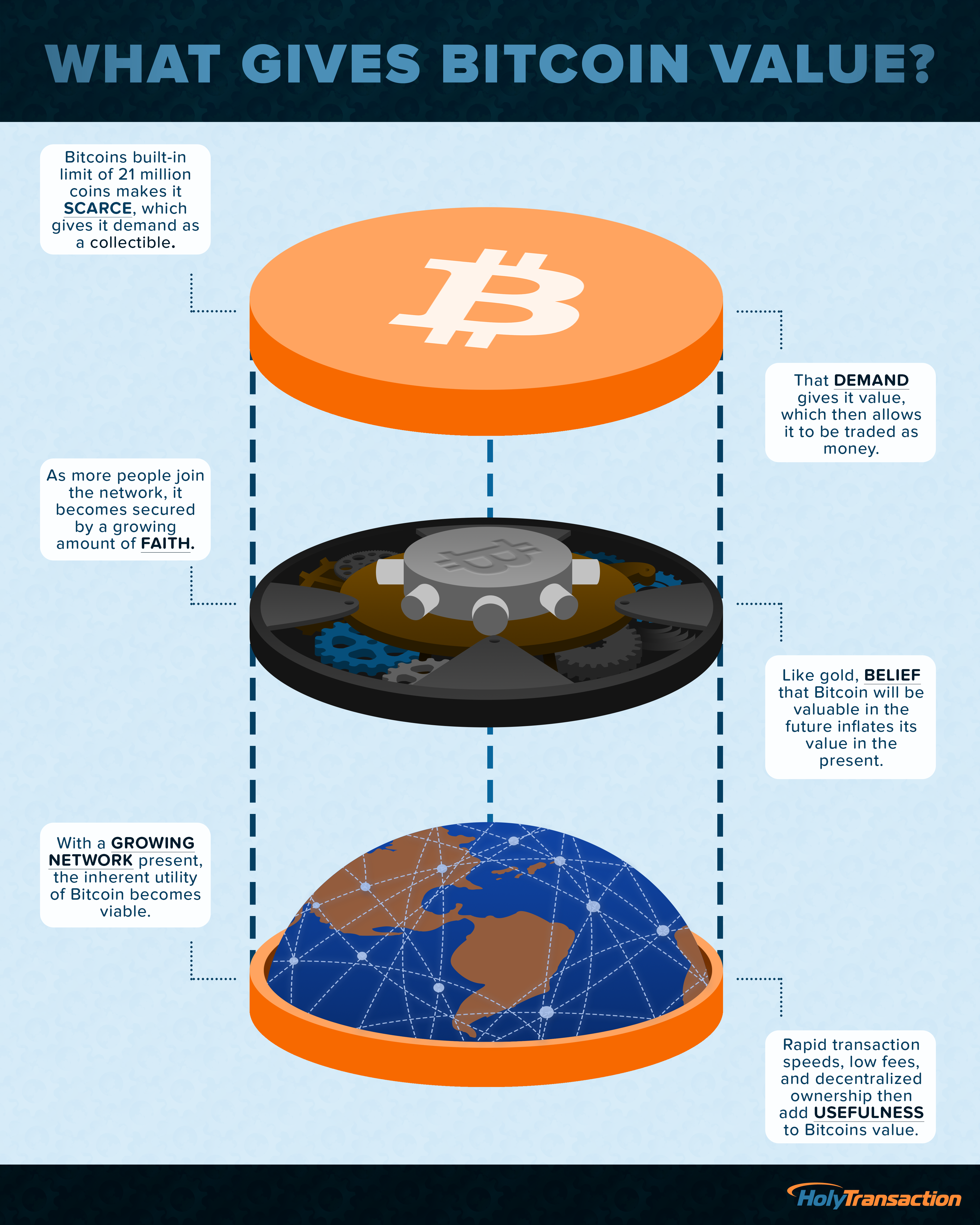
One of the most critical factors underpinning Bitcoin’s value is its absolute scarcity. Unlike fiat currencies, which can be printed indefinitely by central banks, the total supply of Bitcoin is capped at 21 million units. This finite supply is programmatically enforced by its underlying protocol. Furthermore, Bitcoin undergoes a “halving” event approximately every four years, which cuts the rate at which new bitcoins are introduced into circulation by half. This engineered scarcity, combined with a decreasing supply rate, makes Bitcoin an inherently deflationary asset. In an economic environment often characterized by inflation and the erosion of purchasing power, Bitcoin’s predictable and limited supply offers a compelling counter-narrative, positioning it as a hedge against the depreciation of fiat currencies. Investors often compare this attribute to precious metals like gold, which derive much of their value from their rarity and the difficulty of extraction.
Decentralization and Trustlessness
Bitcoin operates on a decentralized network, meaning there is no single entity, government, or financial institution that controls it. Transactions are verified by a global network of independent computers (miners) and recorded on a public ledger called the blockchain. This decentralization eliminates the need for intermediaries, fostering a “trustless” environment where participants do not need to trust each other, but rather trust the cryptographic security and transparency of the network itself. This radical departure from traditional banking systems, where intermediaries hold immense power and can dictate terms, is a profound source of value. It offers financial autonomy and censorship resistance, appealing to individuals and businesses in regions with unstable financial systems or restrictive capital controls. The absence of a single point of failure also enhances its resilience against attacks or manipulation.
Security Through Cryptography
The integrity and security of the Bitcoin network are maintained through sophisticated cryptographic techniques. Each transaction is digitally signed by the sender, and the entire blockchain is secured using cryptographic hashes, making it virtually impossible to alter past transactions. The network’s distributed nature, coupled with the “proof-of-work” consensus mechanism, requires immense computational power to attempt fraudulent activities, making such endeavors economically unfeasible. This robust security framework protects users’ assets and ensures the irreversible nature of transactions once confirmed. In a digital age rife with cyber threats and data breaches, Bitcoin’s military-grade cryptographic security offers a high degree of assurance, contributing significantly to its perceived reliability and, consequently, its value as a secure financial asset.
Economic and Market Drivers of Bitcoin’s Worth
Beyond its foundational design, Bitcoin’s value is profoundly influenced by classic economic principles and the dynamics of market adoption. These external forces shape its price discovery and its evolving role within the global economy.
Supply and Demand Dynamics
Like any asset, Bitcoin’s price is fundamentally driven by the interplay of supply and demand. The fixed and diminishing supply, as discussed, creates a strong inherent supply constraint. On the demand side, a growing recognition of Bitcoin’s unique properties—scarcity, decentralization, and censorship resistance—has attracted a diverse range of buyers. This includes individual retail investors seeking speculative gains, institutional investors looking for diversification or a hedge against inflation, and even corporate treasuries allocating a portion of their reserves to Bitcoin. As demand from these various cohorts increases against a constrained supply, upward pressure is exerted on Bitcoin’s price. Market sentiment, news cycles, regulatory developments, and broader macroeconomic conditions all play a significant role in influencing demand fluctuations, leading to Bitcoin’s characteristic price volatility.
Adoption as a Store of Value (“Digital Gold”)
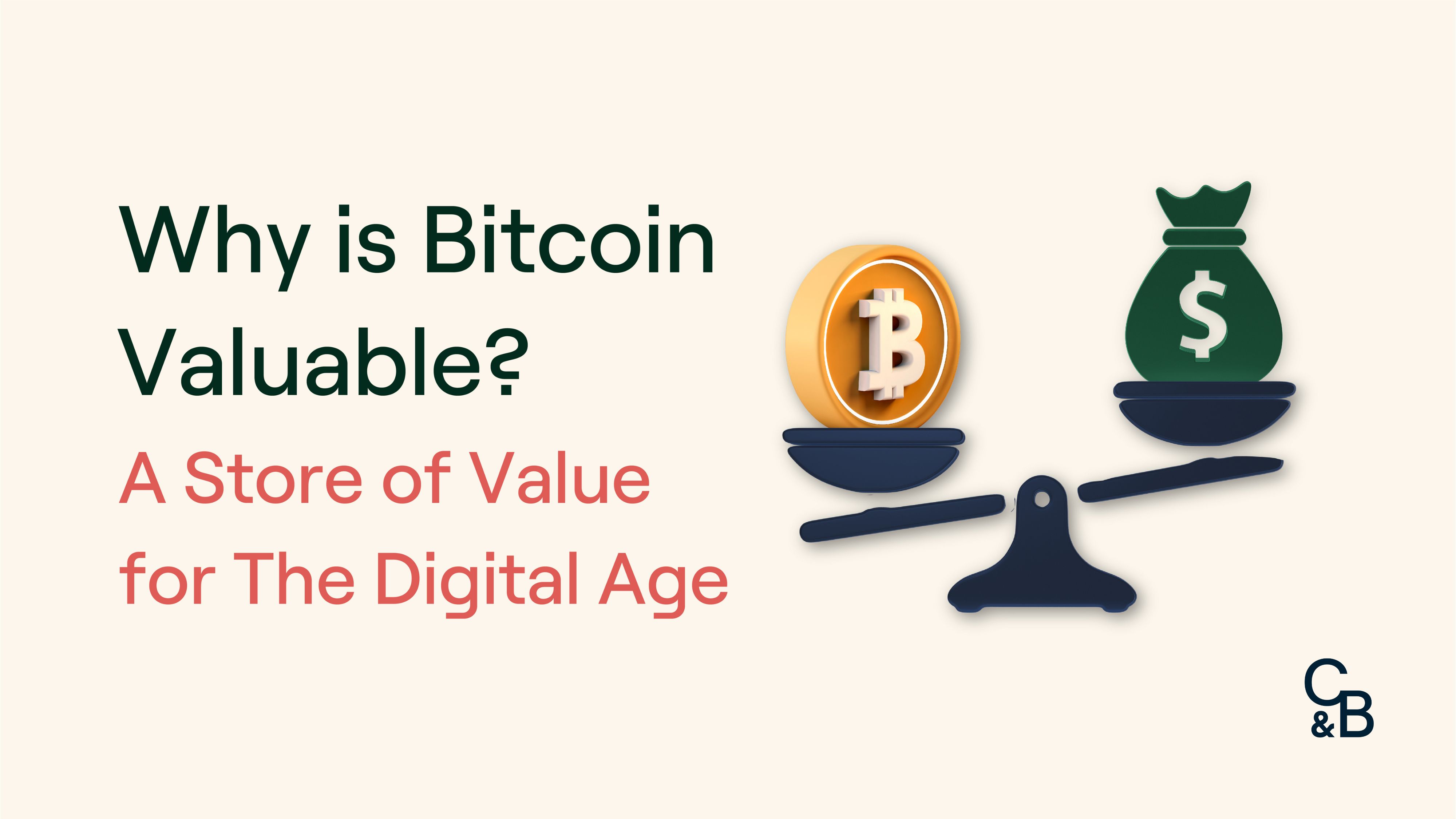
Increasingly, Bitcoin is being recognized and adopted as a “store of value,” often dubbed “digital gold.” This analogy stems from its shared characteristics with the traditional safe-haven asset: scarcity, durability (in a digital sense), portability, and divisibility. In times of economic uncertainty, currency devaluation, or geopolitical instability, investors historically flock to assets perceived as safe havens. Bitcoin, with its global accessibility and immunity to governmental intervention, presents a modern alternative. Its limited supply protects it from inflationary pressures that plague fiat currencies, making it an attractive long-term investment for preserving wealth. This narrative is gaining traction among institutional investors and high-net-worth individuals, who are allocating a portion of their portfolios to Bitcoin as a hedge against the debasement of traditional currencies.
Utility as a Medium of Exchange and Remittance
While its role as a store of value often dominates headlines, Bitcoin’s utility as a medium of exchange and for remittances also contributes to its value. Although still nascent compared to traditional payment systems, Bitcoin offers a fast, borderless, and relatively low-cost way to transfer value across the globe without relying on banks or other financial intermediaries. This is particularly appealing for international remittances, where traditional services can be slow and expensive, especially for smaller amounts. For individuals in developing nations, or those unbanked or underbanked, Bitcoin provides access to financial services that were previously unavailable. As more merchants accept Bitcoin and as scaling solutions like the Lightning Network mature, its practical utility in daily transactions is expected to grow, further enhancing its fundamental value as a functional currency.
Institutional Acceptance and Growing Ecosystem
The maturation of the Bitcoin market is marked by a significant shift in perception and participation from traditional finance and governmental bodies. This growing acceptance is a powerful validation of its long-term potential and contributes substantially to its perceived value.
Mainstream Investment and ETF Approvals
Perhaps one of the most significant catalysts for Bitcoin’s increased value and legitimacy has been its gradual integration into mainstream investment vehicles. Initially a niche asset for tech enthusiasts, Bitcoin has increasingly attracted the attention of institutional investors, hedge funds, and publicly traded companies. The approval of spot Bitcoin Exchange-Traded Funds (ETFs) in major financial markets like the United States represents a pivotal moment. These ETFs provide regulated, accessible avenues for a broader range of investors, including those restricted from direct crypto investments, to gain exposure to Bitcoin. This institutional endorsement not only brings massive capital inflows but also bestows a level of credibility and regulatory acceptance that was previously lacking, cementing Bitcoin’s place in diversified investment portfolios.
Infrastructure Development and Accessibility
The growth of Bitcoin’s value is also mirrored by the rapid development of its supporting infrastructure. Over the years, a robust ecosystem has emerged, including secure cryptocurrency exchanges, custodial services for institutional clients, advanced analytics tools, and financial products built around Bitcoin. This infrastructure makes it easier, safer, and more convenient for individuals and institutions to buy, sell, store, and utilize Bitcoin. Companies specializing in crypto asset management, lending, and even derivatives have proliferated, creating a more mature and liquid market. Improved user interfaces, enhanced security features, and expanded global reach of these platforms significantly lower the barrier to entry, inviting more participants and driving greater demand.
Regulatory Clarity and Maturation
For many years, the lack of clear regulatory frameworks was a significant hurdle for Bitcoin adoption, creating uncertainty and deterring large-scale institutional involvement. However, governments and financial regulators worldwide are progressively developing clearer guidelines for cryptocurrencies. While still evolving and varying by jurisdiction, this move towards regulatory clarity is a double-edged sword: it imposes stricter compliance requirements but also provides a framework for legitimate operations, reducing risks for investors and businesses. The legitimization through regulation helps to de-risk the asset class in the eyes of traditional finance, paving the way for further adoption and integration into the broader financial system. As the asset class matures under a more defined regulatory umbrella, it becomes more appealing as a long-term, stable investment.
The Future Outlook: Sustaining and Enhancing Value
Bitcoin’s journey is far from over. Its future value will likely be shaped by ongoing technological advancements, network effects, and its ability to adapt to a dynamic global economic landscape.
Network Effects and User Growth
The value of a network often increases disproportionately with the number of its users—a concept known as network effects. As more individuals, businesses, and institutions adopt Bitcoin, its utility and security increase. More users mean more liquidity, more robust security through distributed mining, and a greater incentive for developers to build innovative applications and services on top of the Bitcoin protocol. This virtuous cycle of adoption driving utility, which in turn drives more adoption, is a powerful engine for sustaining and enhancing Bitcoin’s long-term value. Every new user, every new merchant, and every new financial product built around Bitcoin contributes to this ever-expanding network.
Technological Advancements (e.g., Lightning Network)
While the core Bitcoin protocol is remarkably stable, continuous technological development around its ecosystem is crucial for its sustained relevance. Innovations such as the Lightning Network aim to address some of Bitcoin’s perceived limitations, particularly transaction speed and cost. By enabling off-chain transactions, the Lightning Network significantly enhances Bitcoin’s scalability, making it more viable for micro-transactions and everyday payments. Other advancements in cryptography, security, and interoperability will continue to bolster Bitcoin’s functionality and efficiency, expanding its use cases and solidifying its position as a leading digital asset. These continuous improvements ensure that Bitcoin remains competitive and adaptable in a rapidly evolving technological landscape.
Global Macroeconomic Trends and Inflationary Hedges
Bitcoin’s value proposition is also heavily influenced by global macroeconomic trends. Persistent inflation in major economies, expanding government debt, and a general distrust in traditional financial institutions could further drive demand for Bitcoin as a reliable alternative asset. Its finite supply and decentralized nature position it as an attractive hedge against currency devaluation and economic instability. As traditional financial markets grapple with new challenges and paradigms, Bitcoin’s role as a non-sovereign, censorship-resistant store of value becomes increasingly compelling. Its ability to act as a safe haven asset during periods of financial turmoil will likely continue to be a significant driver of its perceived and actual value in the coming years.
In conclusion, Bitcoin’s value is not derived from a single factor but from a complex interplay of its ingenious technical design, fundamental economic principles, increasing mainstream acceptance, and its potential to address shortcomings in traditional finance. From its absolute scarcity and decentralized nature to its growing institutional adoption and utility as digital gold, Bitcoin represents a paradigm shift in how we perceive and manage value in the digital age. While its journey has been marked by volatility, the underlying reasons for its increasing importance and enduring value continue to strengthen, positioning it as a significant and potentially transformative component of the global financial ecosystem for the foreseeable future.
aViewFromTheCave is a participant in the Amazon Services LLC Associates Program, an affiliate advertising program designed to provide a means for sites to earn advertising fees by advertising and linking to Amazon.com. Amazon, the Amazon logo, AmazonSupply, and the AmazonSupply logo are trademarks of Amazon.com, Inc. or its affiliates. As an Amazon Associate we earn affiliate commissions from qualifying purchases.