
The term “Progressives” often evokes images of social reformers, political activists, and crusading journalists. However, to truly understand the profound and enduring impact of progressives, one must delve into their deep engagement with the economic and financial fabric of society. Far from being a mere political movement, progressivism, particularly in its heyday from the late 19th to the early 20th century, represented a fundamental challenge to the prevailing laissez-faire economic doctrines, advocating for systemic reforms that would reshape how money was earned, managed, and distributed. These individuals and groups believed that an unregulated market, left to its own devices, led to immense wealth concentration, economic instability, and widespread financial hardship for the majority. Their vision was one where government played a crucial role in ensuring economic fairness, stability, and opportunity – a vision that laid the groundwork for many of the financial regulations and systems we rely on today.

The Dawn of Economic Progressivism: Addressing Industrial Excesses
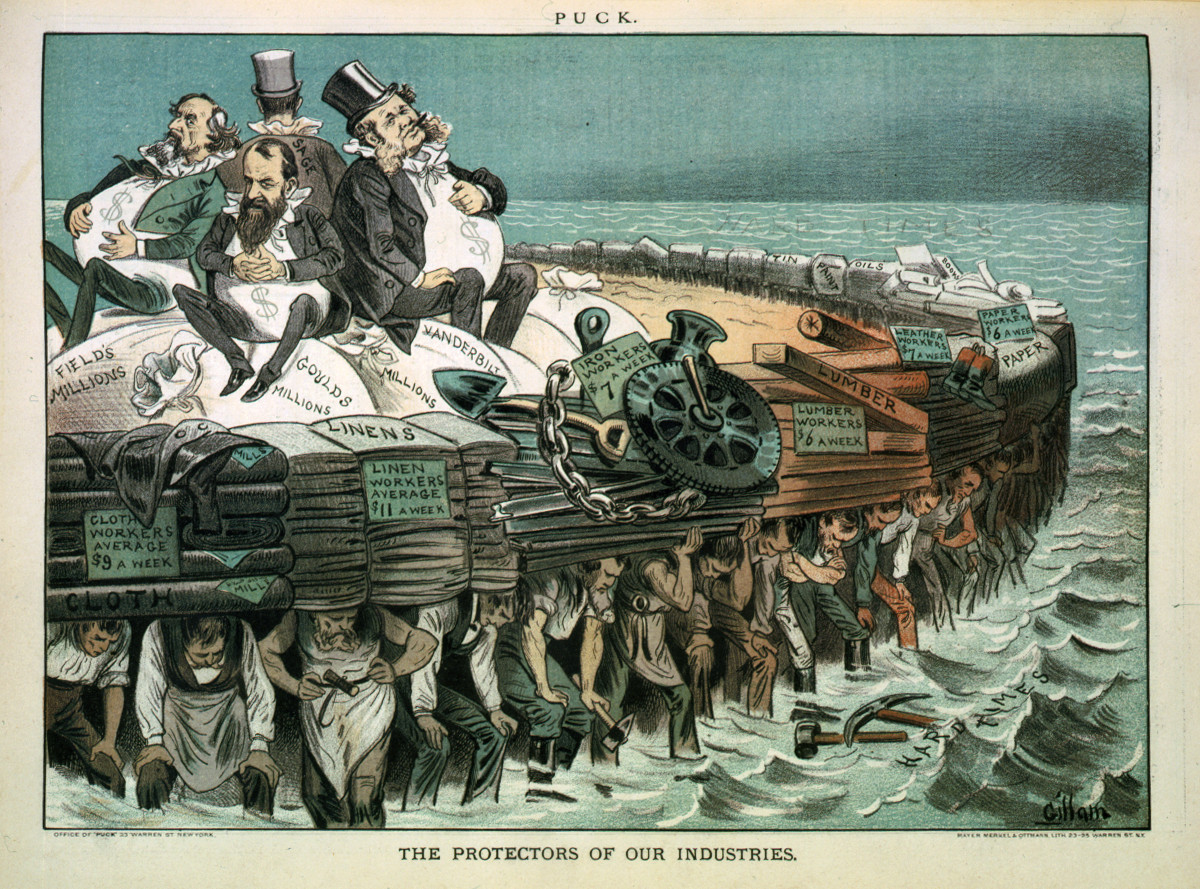
The Gilded Age, characterized by rapid industrialization, burgeoning corporations, and immense wealth disparities, served as the fertile ground for progressive economic thought. As fortunes were amassed by a select few “captains of industry” or “robber barons,” millions struggled with low wages, precarious employment, and exploitative conditions. Progressives observed these realities and sought to create an economic system that was not only productive but also just and equitable. Their focus was firmly on restructuring the financial landscape to serve the broader public interest, rather than solely the interests of powerful trusts and industrialists.
Reining in Monopolies and Trusts
One of the most significant economic concerns for progressives was the unchecked power of monopolies and industrial trusts. These large corporations, such as Standard Oil or U.S. Steel, often controlled entire industries, stifling competition, dictating prices, and manipulating markets for their own gain. Progressives recognized that such concentrated economic power was detrimental to small businesses, consumers, and the overall health of the economy. They argued that these entities engaged in anti-competitive practices that inflated costs for consumers, suppressed wages for workers, and made it nearly impossible for new businesses to enter the market, thereby limiting innovation and economic mobility.
The progressive response was a push for robust antitrust legislation. While the Sherman Antitrust Act was passed in 1890, its enforcement was initially weak. Progressives, including Presidents Theodore Roosevelt and William Howard Taft, invigorated its application, breaking up several powerful trusts. Later, the Clayton Antitrust Act of 1914 strengthened these efforts, prohibiting specific anti-competitive business practices like price discrimination and tying agreements. These actions were foundational in creating a more level economic playing field, ensuring that markets remained competitive, and ultimately protecting both consumers’ wallets and the growth potential of emergent businesses. The aim was to foster an environment where individual entrepreneurial effort had a chance against entrenched financial power, ensuring a more dynamic and equitable distribution of economic opportunity.
Labor Rights and Fair Wages
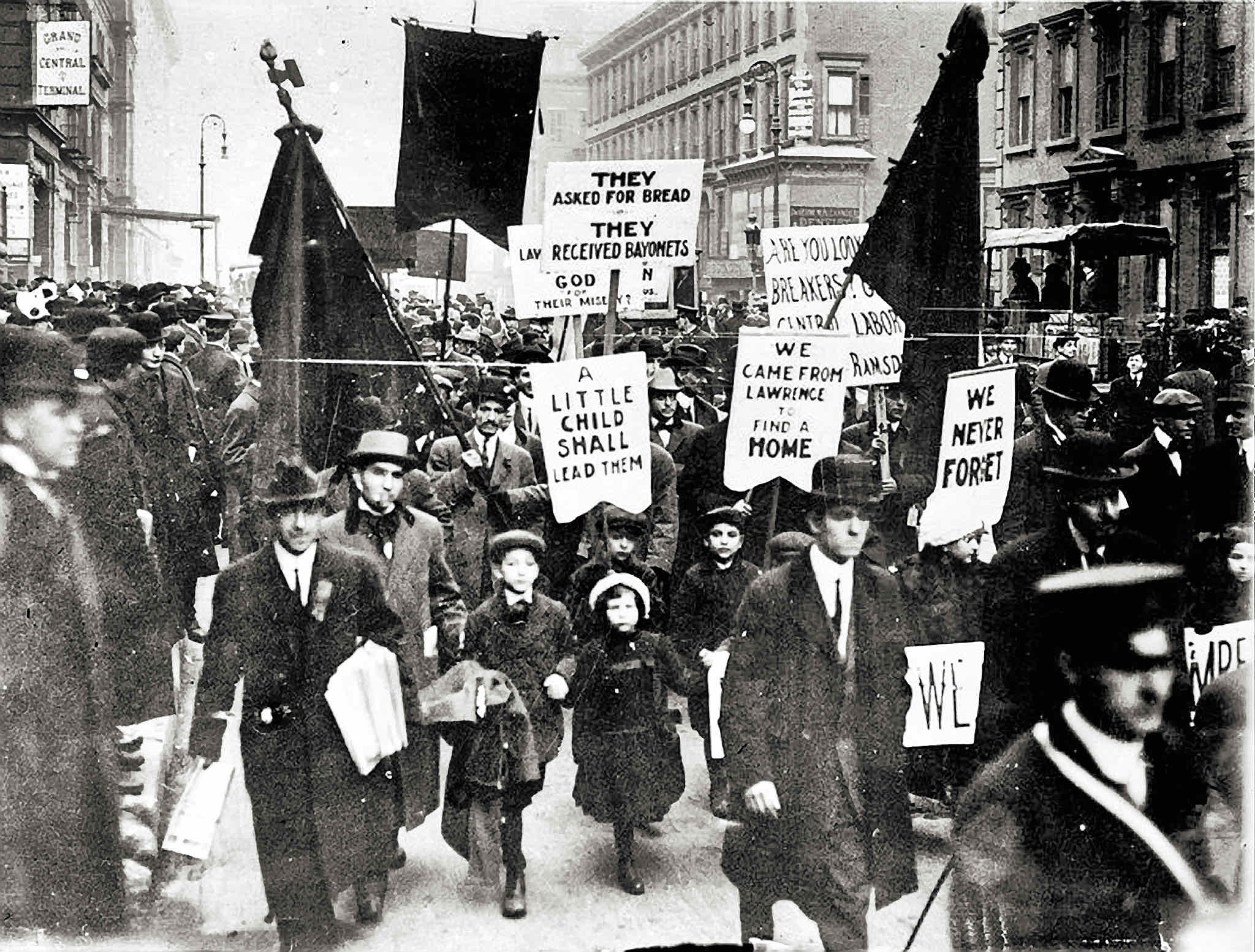
At the core of progressive economic philosophy was the belief that workers deserved a fair share of the wealth they helped create. The industrial era saw grueling workdays, dangerous conditions, and subsistence-level wages, leading to widespread financial insecurity among the working class. Progressives championed a series of reforms aimed at improving the economic standing and financial stability of laborers. They advocated fiercely for minimum wage laws, understanding that a baseline income was essential for individual and family solvency. They also pushed for reasonable working hours, challenging the prevailing notion that workers should toil indefinitely, often leading to exhaustion, injury, and an inability to participate fully in the broader economy.
Furthermore, progressives were instrumental in the fight for safer working conditions, seeing it as both a moral imperative and an economic necessity. Industrial accidents not only devastated families financially but also reduced the overall productive capacity of the workforce. By advocating for regulations in factories and mines, and pushing for worker’s compensation schemes, they sought to mitigate the severe financial risks faced by laborers. These efforts were directly aimed at improving personal finance for millions, providing a buffer against destitution, and allowing workers to save, invest, and contribute more effectively to the economy, rather than being perpetually caught in a cycle of poverty.
Consumer Protection and Financial Transparency
Before the Progressive Era, consumers operated in a marketplace with minimal safeguards. Food and drug industries, in particular, were notorious for adulterated products, misleading labels, and outright fraud. This lack of oversight meant that consumers frequently paid for inferior or harmful goods, essentially wasting their hard-earned money and often endangering their health. Progressives recognized that this lack of transparency and protection undermined consumer confidence and led to significant financial losses for households.
The progressive movement championed legislation that would ensure product safety and honest labeling. Landmark achievements like the Meat Inspection Act and the Pure Food and Drug Act of 1906, propelled by muckraking journalists like Upton Sinclair, were direct results of this progressive push. These acts created agencies (precursors to the FDA) tasked with regulating industries, ensuring that consumers received value for their money and were protected from fraudulent or dangerous products. By demanding truth in advertising and quality assurance, progressives sought to empower consumers financially, enabling them to make informed purchasing decisions without fear of being swindled, thus protecting their financial assets and promoting a more trustworthy marketplace.
Shaping the Modern Financial Landscape: Regulation and Stability
Beyond addressing immediate industrial excesses, progressives looked to fundamentally restructure the institutions that governed money and finance in the nation. They understood that a stable, transparent, and equitably regulated financial system was essential for the long-term prosperity of individuals and the nation as a whole. Their reforms in this area continue to define the contours of modern finance.
The Birth of Central Banking and Monetary Policy
The early American banking system was notoriously unstable, characterized by frequent financial panics that devastated businesses and individuals alike. Banks operated without unified regulation, leading to a fragmented and vulnerable financial infrastructure. Progressives, having witnessed several severe economic crises, understood the urgent need for a more robust and centralized financial system. They advocated for the creation of a central bank that could stabilize the currency, control credit, and act as a lender of last resort.
This progressive vision culminated in the Federal Reserve Act of 1913. The creation of the Federal Reserve System marked a monumental shift in American financial governance. Its progressive aim was to provide stability to the nation’s banking system, prevent devastating runs on banks, and manage the money supply to mitigate inflation and deflation. For businesses, this meant more predictable access to credit and a more stable economic environment for planning and growth. For individuals, it meant greater security for their deposits and a more stable value for their savings and wages. The Federal Reserve, born out of progressive ideals, remains a cornerstone of global financial stability, directly impacting everything from interest rates on mortgages to the cost of everyday goods.
Progressive Taxation and Wealth Redistribution
One of the most defining and enduring legacies of progressive economic thought is the concept of progressive taxation. Prior to the Progressive Era, federal revenues primarily came from tariffs, which disproportionately burdened lower and middle-income individuals by increasing the cost of imported goods. Progressives argued that those who benefited most from the nation’s economic growth, and who had the greatest capacity to pay, should bear a larger share of the tax burden. They saw progressive taxation as a vital tool for funding public services, reducing extreme wealth inequality, and fostering a more equitable society.
This advocacy led to the ratification of the 16th Amendment in 1913, which authorized the federal government to levy an income tax. Initially, this tax primarily affected the wealthiest Americans, with very low rates for the majority. Along with the introduction of federal estate taxes, these measures represented a radical departure from past fiscal policies. The rationale was clear: to create a more just financial system where wealth accumulation was not entirely unbridled, and where collective societal needs could be met through a revenue system based on ability to pay. These taxes fundamentally reshaped government finance and provided the means to fund public infrastructure, education, and social programs that benefited all citizens, contributing to broader economic opportunity and stability.
Regulating Securities Markets
While comprehensive regulation of securities markets largely materialized after the Great Depression with the New Deal, progressive ideas laid significant groundwork for recognizing the inherent risks and potential for manipulation in financial markets. Progressives were acutely aware of the dangers posed by speculation and the lack of transparency in stock and bond trading, which could lead to severe economic downturns and wipe out investors’ savings. They understood that an unregulated market offered opportunities for insiders to exploit information asymmetry and manipulate prices, leading to financial instability and a loss of public trust.
Their calls for greater financial transparency and accountability, although not fully realized in this specific area until later, underscored a core progressive principle: that financial markets, if left entirely to private interests, could lead to systemic risks. The progressive emphasis on protecting the small investor and ensuring fair play in financial transactions directly influenced later legislation like the Securities Act of 1933 and the Securities Exchange Act of 1934, which mandated disclosure requirements and created regulatory bodies to oversee stock exchanges. These regulations were designed to protect individual investors from fraud and manipulation, thereby safeguarding personal financial assets and promoting confidence in the capital markets.
Progressive Thought in Modern Financial Contexts
The spirit of progressivism continues to resonate in contemporary discussions about money and finance. Many modern economic challenges and proposed solutions bear the distinct imprint of progressive thinking, adapting its core tenets of fairness, stability, and public interest to the complexities of the 21st century.
Sustainable Investing and Ethical Finance
Today’s emphasis on Environmental, Social, and Governance (ESG) investing, impact investing, and socially responsible finance directly reflects progressive ideals. These movements recognize that financial decisions have broader societal implications beyond mere profit. Investors increasingly seek to align their capital with companies that demonstrate ethical labor practices, environmental stewardship, and sound governance – echoing progressive demands for corporate accountability and social responsibility. This shift represents a progressive evolution of investment philosophy, moving beyond purely financial returns to incorporate a triple bottom line, recognizing that long-term financial health is intertwined with a healthy planet and equitable society. It’s about using money not just to grow wealth, but to grow it in a way that contributes positively to the world.
The Future of Progressive Economic Policy
Current debates surrounding universal basic income (UBI), wealth taxes, student loan forgiveness, and strengthened financial consumer protections are modern manifestations of progressive economic policy. UBI proposals, for instance, aim to provide a financial safety net, addressing economic insecurity in an age of automation and precarious work. Calls for wealth taxes echo the original progressive concern about extreme wealth concentration and its impact on social and economic equality. Similarly, student loan forgiveness initiatives seek to alleviate the financial burdens hindering a generation’s economic mobility, while renewed efforts to bolster consumer financial protection (e.g., through agencies like the CFPB) continue the legacy of ensuring fair treatment and transparency in financial services. These policies represent ongoing efforts to adapt progressive principles to contemporary economic challenges, striving for a financial system that is more inclusive and resilient.
Financial Inclusion and Digital Progressivism
In an increasingly digital world, progressive thought also informs efforts towards financial inclusion. The rise of FinTech (financial technology) offers new avenues to address long-standing progressive goals. For instance, digital payment systems, mobile banking, and micro-lending platforms are expanding access to financial services for underserved populations, mirroring the progressive desire for equitable economic opportunity. However, progressives also critically examine these innovations, advocating for digital security, data privacy, and affordable access to prevent new forms of financial exclusion or exploitation. The challenge now is to leverage technology to enhance financial well-being and inclusion while ensuring that the digital financial landscape remains transparent, secure, and fair for all, not just the technologically savvy or already wealthy.
Conclusion
The Progressives were far more than historical figures; they were economic architects who fundamentally reshaped the relationship between government, business, and the individual’s financial life. Confronted by the stark inequalities and instability of the Gilded Age, they championed reforms that led to antitrust legislation, labor protections, consumer safeguards, central banking, and progressive taxation. These groundbreaking initiatives were not just about abstract principles; they were about real money – protecting wages, stabilizing savings, ensuring fair prices, and creating a more level playing field for economic participation. The progressive legacy continues to inform our understanding of economic justice, financial stability, and the role of collective action in building a prosperous and equitable society. To understand “who were the progressives” is to understand the foundational arguments and enduring structures that underpin our modern economic world, reminding us that the pursuit of financial fairness and opportunity is an ongoing endeavor.
aViewFromTheCave is a participant in the Amazon Services LLC Associates Program, an affiliate advertising program designed to provide a means for sites to earn advertising fees by advertising and linking to Amazon.com. Amazon, the Amazon logo, AmazonSupply, and the AmazonSupply logo are trademarks of Amazon.com, Inc. or its affiliates. As an Amazon Associate we earn affiliate commissions from qualifying purchases.