
The Warring States Period (475–221 BCE) in ancient China is often chronicled as an era of incessant warfare, political intrigue, and philosophical renaissance. While these aspects undeniably defined the epoch, a less frequently explored but equally crucial dimension is its profound economic transformation. Far from being merely a backdrop to military campaigns, the economic systems, financial strategies, and resource management practices of the Warring States era were central to the survival, expansion, and eventual triumph of its competing states. This period witnessed not only the forging of empires through military might but also the innovative development of sophisticated economic models, laying foundational financial precedents that would shape Chinese history for millennia. Understanding the Warring States Period through a financial lens reveals a complex interplay of agrarian wealth, fiscal policy, mercantile expansion, and the sheer economic burden of sustaining perpetual conflict.
The Economic Tapestry Before Unification: Foundations of Conflict
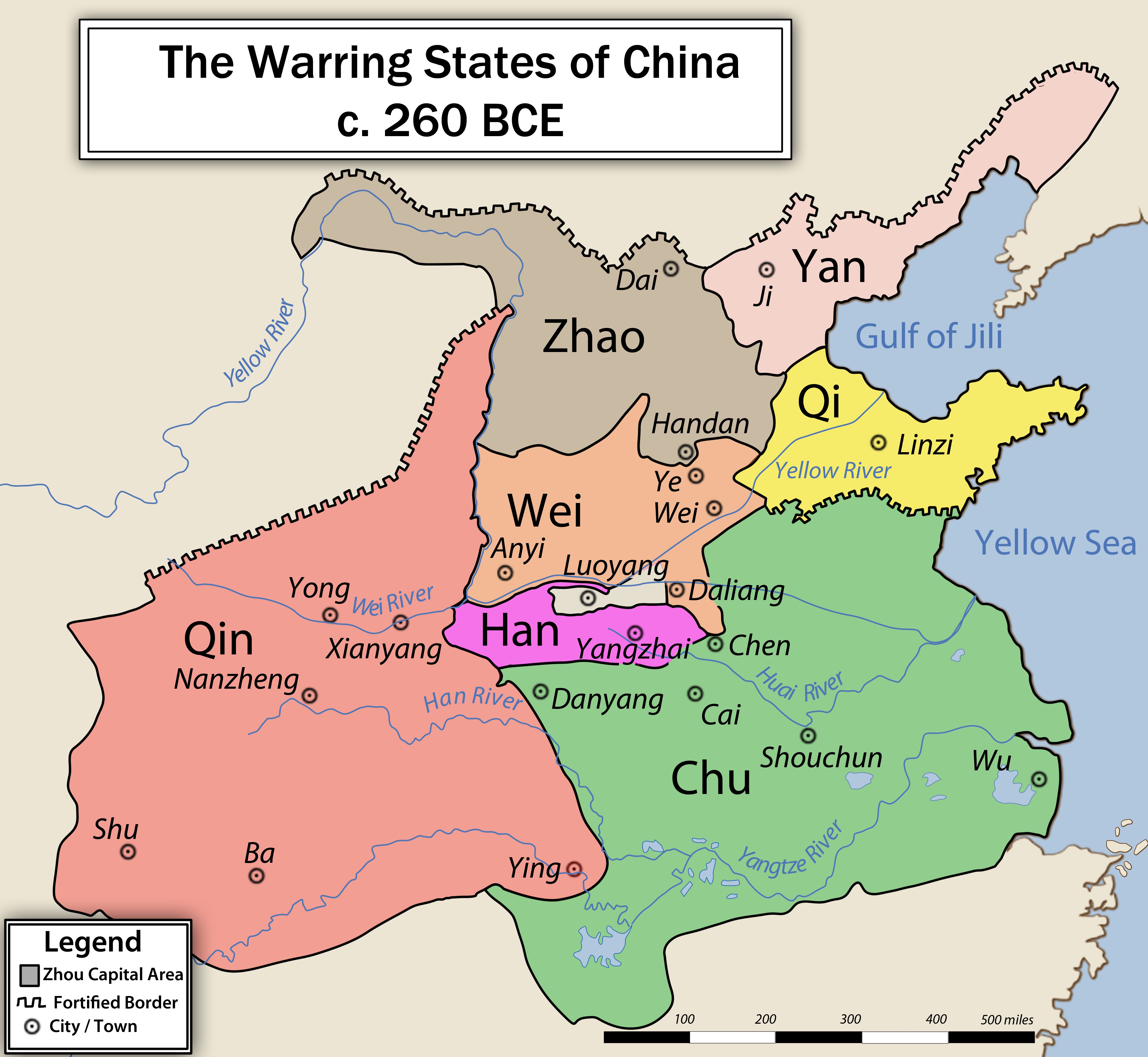
Before the dramatic unification under the Qin Dynasty, China was a fragmented landscape of numerous competing states, each striving for dominance. The economic foundations of these states were largely agrarian, yet the pressures of constant warfare spurred significant innovations in land management, taxation, and resource allocation.
Feudal Economies and the Rise of Centralization
The Warring States Period evolved out of the Spring and Autumn Period, itself a disintegration of the Western Zhou Dynasty’s feudal system. In the earlier feudal model, land was granted by the king to nobles in exchange for loyalty and military service, with a decentralized economic structure relying on tribute and local production. However, as the central authority of the Zhou king weakened, regional lords began asserting greater control over their territories, transforming their feudal holdings into independent states. This shift brought about a critical economic change: the gradual abolition of the “well-field system” (a communal land division system) and the privatization of land. Farmers, once tied to specific plots under noble control, increasingly gained the ability to buy and sell land, stimulating agricultural productivity through individual incentive. States recognized this potential and began to implement direct taxation on land and agricultural output, shifting from a feudal tribute system to a more centralized fiscal model. This direct control over a broad tax base became a cornerstone of state finance, enabling rulers to fund larger standing armies and ambitious infrastructure projects without relying solely on the whims of their nobility. The state of Qin, in particular, under reforms like those of Shang Yang, aggressively pursued policies of land privatization and direct taxation, incentivizing agricultural production and military service, thereby building an economic engine capable of sustaining its martial ambitions.
Agrarian Wealth and Resource Mobilization
Agriculture, primarily millet and rice cultivation, was the absolute bedrock of the Warring States economies. Land was the most valuable asset, and control over fertile territories directly translated into economic power and military strength. States invested heavily in large-scale irrigation projects, such as canals and dams, to increase arable land and boost yields. These projects, while requiring immense labor and capital, offered significant returns by ensuring food security and generating surplus production. This surplus was vital not only for feeding vast populations but also for funding armies. Grain, being the primary form of wealth, could be stored, traded, and used to pay soldiers or purchase critical war materials. The efficient mobilization of agrarian resources became a key differentiator among states. Those states with superior administrative capabilities in surveying land, assessing harvests, and collecting taxes could amass greater reserves, giving them a significant advantage in protracted conflicts. The ability to collect and redistribute wealth, often in the form of grain, was a sophisticated financial operation for its time, demonstrating a nascent form of national budgeting and resource allocation on an unprecedented scale.
Financing Perpetual War: The True Cost of State Survival
The defining characteristic of the Warring States Period was relentless conflict. Maintaining standing armies, equipping them, and sustaining them through years of campaigns demanded colossal financial outlays, pushing states to innovate in fiscal policy and resource management.
Taxation, Labor, and Conscription: Funding the Military Machine
The shift from feudal levies to professional armies necessitated a robust and centralized system of state finance. Direct taxation on agricultural produce became the primary revenue stream. Beyond grain, states also imposed taxes on various goods, crafts, and even populations (corvée labor for public works or military service). The bronze industry, for example, crucial for weaponry, would have been subject to state control or heavy taxation. Labor conscription was another “financial” instrument, effectively converting human capital into military or infrastructural assets without direct monetary cost, although it came with significant social and economic consequences, removing able-bodied men from agricultural production. The economic reforms implemented by states like Qin and Wei were often aimed at maximizing the efficiency of this system: ensuring every available resource, from land to labor, contributed directly to the state’s military capacity. Rewards for military merit, often in the form of land or official positions, served as incentives, aligning individual ambition with state objectives and creating a self-reinforcing cycle of economic and military expansion.
Innovations in Supply Chain and Logistics
While not “financial” in the modern sense, the successful management of logistics and supply chains was a critical economic endeavor during the Warring States Period. Moving large armies and their provisions across vast distances required meticulous planning and significant investment. States built extensive road networks and canals, not just for trade but primarily for military mobility and supply. The construction of the Lingqu Canal by Qin, connecting the Xiang and Li rivers, was a monumental engineering feat that facilitated the supply of southern campaigns, demonstrating an understanding of how infrastructure could underpin military-economic power. Managing these supply lines involved complex administrative structures for procurement, storage, and distribution of food, weapons, and other necessities. Loss or disruption of a supply chain could be as devastating as a battlefield defeat, making its efficient operation a de facto financial strategy for preserving state resources and operational capacity. This highlights an ancient form of “business continuity” planning and strategic resource deployment.
The Economic Impact of Territorial Expansion and Loss
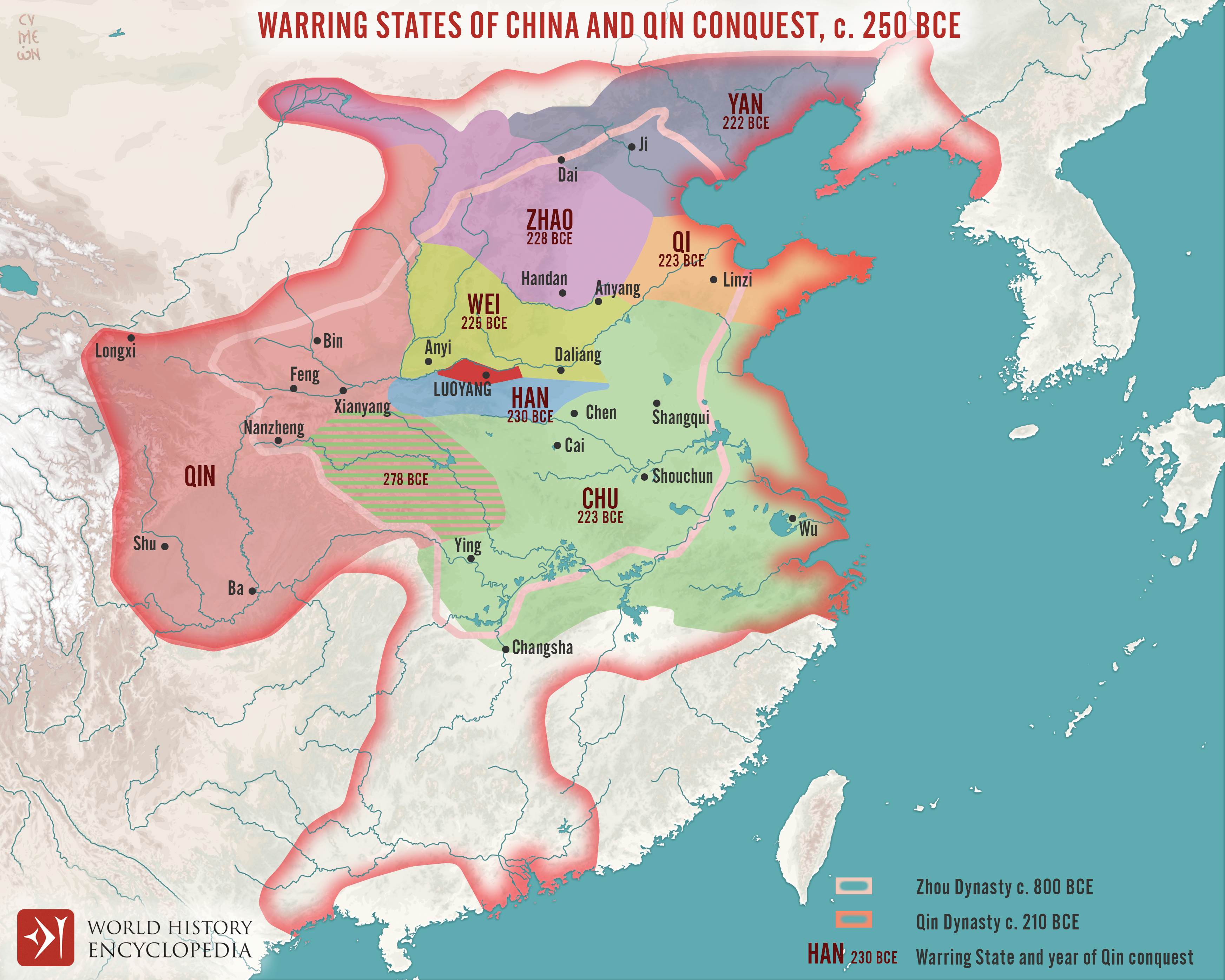
Warfare during this period was not just about military victory but fundamentally about economic gain and loss. Conquering new territories brought with it access to more fertile land, mineral resources, and a larger tax base. Annexing a state meant incorporating its entire economic apparatus, including its labor force and production capabilities, into the victor’s domain. Conversely, losing territory meant a reduction in revenue, population, and resources, weakening the state’s long-term financial viability. This direct correlation between military success and economic strength created a powerful incentive for continuous expansion. States often fought over strategically important regions not only for their military defensibility but more critically for their economic assets—rich agricultural lands, control over trade routes, or access to critical minerals like iron and copper. The economic calculus of conquest was always at the forefront of strategic planning, viewing states as entities whose financial solvency was directly tied to their territorial integrity and expansion.
Monetary Evolution and Commercial Dynamism Amidst Chaos
Despite the prevailing political instability, the Warring States Period was also an era of significant commercial growth and monetary innovation, driven by both necessity and opportunity.
The Standardization of Currency and Trade Routes
As states expanded and their economies grew, the need for a standardized medium of exchange became apparent. Early forms of currency included cowrie shells, bronze spades (bu currency), and knives (dao currency), often specific to certain regions or states. However, the increasing volume of inter-state trade pushed towards greater standardization. The state of Qin, particularly after unification, played a pivotal role in enforcing a uniform currency system, primarily bronze “ban liang” coins, with a square hole in the middle. While full standardization largely occurred post-unification, the pressures and experimentation during the Warring States period paved the way. This monetary evolution facilitated commerce, reduced transaction costs, and provided a more efficient way to collect taxes and pay for goods and services across different regions. It signaled a move towards a more sophisticated financial system, essential for a large, unified empire.
Emergence of Merchant Classes and New Economic Opportunities
The burgeoning inter-state trade, driven by varying resource endowments and specialized production across states, led to the rise of powerful merchant classes. These merchants, operating across political boundaries, amassed significant wealth and sometimes even influenced state policies. They facilitated the exchange of goods such as salt, iron, silk, and luxury items, creating complex commercial networks. The need for capital by these merchants also likely spurred early forms of credit and financial intermediation. States, while often wary of the independent power of merchants, also recognized their economic utility in generating revenue through tariffs and taxes on trade, and in supplying critical goods that might not be available domestically. This period saw the foundations of a vibrant commercial economy, operating sometimes despite, and sometimes leveraging, the political fragmentation. The growth of market towns and urban centers further cemented their role as hubs of economic activity, fostering specialization and the division of labor.
The Role of Infrastructure in Economic Connectivity
Beyond military uses, the extensive road networks and canals built by various states also served a vital economic function. They facilitated the movement of goods, people, and information, effectively lowering the “cost of doing business” across distances. These infrastructure projects were investments in economic connectivity, enhancing trade efficiency and allowing for the broader distribution of goods. For instance, the Grand Canal, though substantially expanded in later dynasties, had its origins in segments built during the Warring States Period by various states to connect river systems for both military transport and economic exchange. These investments were long-term strategic decisions that paid dividends in terms of increased trade volume, improved tax collection, and better market integration, showcasing an early understanding of the economic power of public works.
Lasting Economic Legacies and Modern Parallels
The tumultuous Warring States Period culminated in the unification of China under the Qin Dynasty, an event deeply rooted in economic supremacy. The financial innovations and economic structures developed during this era left an indelible mark on subsequent Chinese history and offer surprisingly relevant lessons for modern economic thought.
The Consolidation of Economic Power Under Qin
The Qin state’s ultimate victory was as much an economic triumph as a military one. Its ruthless efficiency in implementing economic reforms, centralizing tax collection, promoting agricultural output, and mobilizing resources allowed it to outspend and out-produce its rivals. Shang Yang’s reforms in Qin, for example, directly linked land ownership and agricultural output to military service and state revenue, creating a formidable financial-military complex. Upon unification, Qin Shi Huang rapidly implemented standardized currency, weights, and measures across the empire. This act was not merely administrative but a massive financial undertaking, designed to integrate the diverse regional economies into a single, unified market, significantly enhancing economic efficiency and control for the imperial government. This top-down economic strategy, focused on state control and standardization, became a recurring theme in subsequent Chinese dynasties.
Lessons in Resource Management and Financial Resilience
The Warring States Period provides compelling historical case studies in resource management under extreme pressure. States that succeeded were those that developed superior systems for mobilizing labor, extracting surplus from agriculture, and maintaining efficient supply lines. Their ability to manage internal resources effectively, adapt fiscal policies to changing circumstances, and sustain long-term financial commitments to warfare underscores the critical link between sound economic policy and state survival. For modern businesses and nations, these lessons resonate in the importance of efficient resource allocation, resilient supply chains, and strategic financial planning in turbulent environments. The concept of “total war,” where every aspect of society is geared towards the state’s objective, implicitly involves a total economic mobilization, demanding sophisticated financial oversight.
State Intervention and Economic Control: A Historical Precedent
The aggressive state intervention in economic affairs during the Warring States Period—through land reforms, taxation, currency standardization, and infrastructure projects—set a precedent for the role of the state in the Chinese economy. Unlike some Western traditions that emphasized laissez-faire economics, Chinese economic history often features a strong, centralized state playing a significant role in guiding and regulating economic activity. The Warring States era demonstrates how states, driven by existential threats, actively shaped their economies to maximize power and stability. This historical context offers insight into the long-standing philosophical and practical debates surrounding state control versus market freedom, illustrating how powerful geopolitical forces can drive nations towards particular economic models. The period stands as a testament to the profound and often overlooked financial dimensions of historical conflict, revealing how economic prowess was as crucial as military might in forging the destiny of an empire.
aViewFromTheCave is a participant in the Amazon Services LLC Associates Program, an affiliate advertising program designed to provide a means for sites to earn advertising fees by advertising and linking to Amazon.com. Amazon, the Amazon logo, AmazonSupply, and the AmazonSupply logo are trademarks of Amazon.com, Inc. or its affiliates. As an Amazon Associate we earn affiliate commissions from qualifying purchases.