
When individuals ask, “Who owns Google?” they are often looking for a single name—a tech visionary like Elon Musk or a legendary founder like Bill Gates. However, the reality of Google’s ownership is a sophisticated masterclass in corporate finance, equity distribution, and strategic governance. Since its restructuring in 2015, Google has operated as a wholly-owned subsidiary of its parent company, Alphabet Inc. Understanding who owns Google requires a deep dive into the cap tables of one of the world’s most valuable publicly traded entities.
In the world of high-stakes investing, Google (Alphabet) represents a cornerstone asset. It is not owned by one person, but by thousands of institutional investors, mutual funds, and individual shareholders. Yet, the distinction between “economic ownership” and “voting control” creates a unique financial narrative that keeps the power concentrated in the hands of a few.

The Evolution of Ownership: From Garage Startup to Alphabet Inc.
The journey of Google’s ownership began in a garage in Menlo Park, but it transformed into a global financial powerhouse through a series of strategic capital raises and a landmark Initial Public Offering (IPO) in 2004. Unlike traditional companies that cede control to venture capitalists early on, Google’s founders managed to retain a significant grip on the company’s trajectory while tapping into public markets for liquidity.
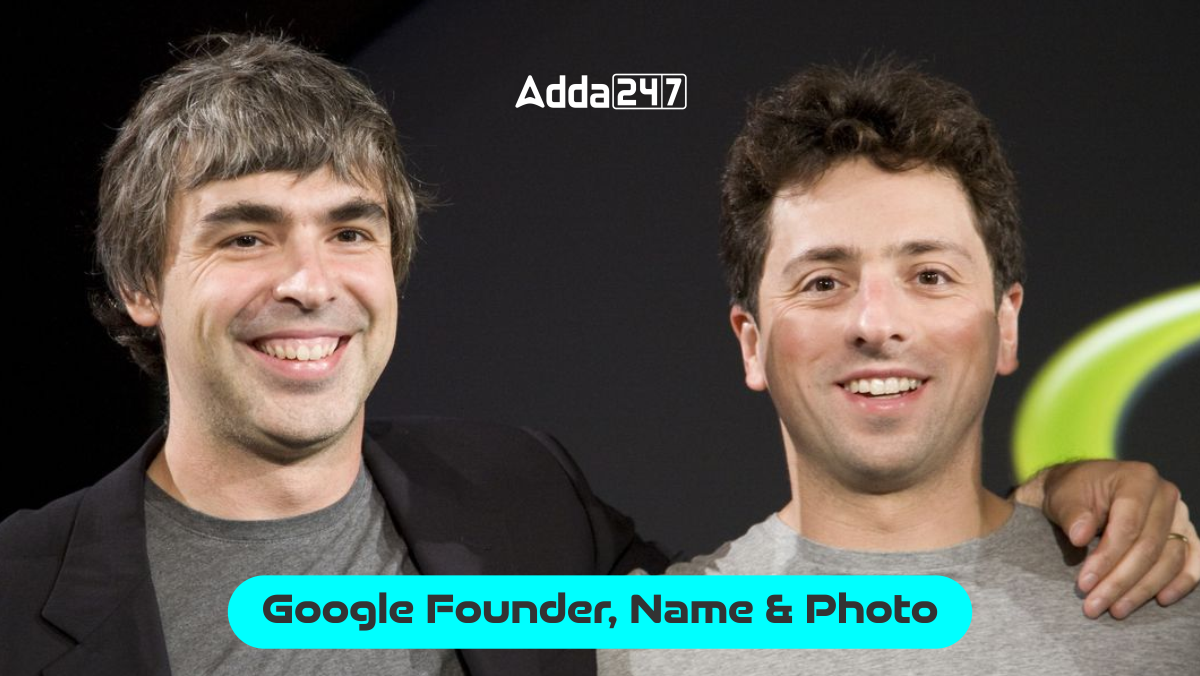
The Founders’ Stake: Larry Page and Sergey Brin
While Larry Page and Sergey Brin are no longer involved in the day-to-day operations (having stepped down from their roles as CEO and President of Alphabet in 2019), they remains the most significant individual “owners” in terms of influence. From a financial perspective, their wealth is inextricably tied to Alphabet’s performance. Page and Brin own a substantial portion of the company’s equity, but more importantly, they hold a special class of shares that grants them majority voting power. In the landscape of business finance, this ensures that while the public provides the capital, the founders provide the vision.
The 2015 Restructuring: Why Alphabet Changed the Game
In August 2015, Google announced a massive corporate overhaul, creating Alphabet Inc. This was a strategic move designed to provide financial clarity to investors. By separating the core, highly profitable Google business (Search, YouTube, Android) from the speculative “Other Bets” (Waymo, Verily, X), the company allowed analysts to better value the enterprise. From a financial reporting standpoint, this move was revolutionary. It allowed the “Money” side of the business to be transparent while shielding the core advertising revenue from the volatility of long-term moonshot projects.
Institutional Powerhouses: The Real Controllers of Google’s Equity
For the retail investor, Google is a stock ticker (GOOG or GOOGL). For institutional powerhouses, it is a primary component of the global financial system. Because Alphabet is a member of the S&P 500 and the NASDAQ-100, almost every major investment firm in the world holds a stake in the company. If you have a 401(k) or a pension plan, there is a high statistical probability that you are a fractional owner of Google.
The Big Three: Vanguard, BlackRock, and State Street
The largest “owners” of Google today are institutional asset managers. The Vanguard Group and BlackRock, Inc. consistently sit at the top of the shareholder list. These firms do not own the shares for themselves; they hold them on behalf of millions of individual investors through ETFs and mutual funds. As of recent filings, Vanguard typically holds around 7-8% of Alphabet’s outstanding shares, with BlackRock following closely behind. In the realm of corporate finance, these institutions act as “passive owners,” generally supporting management decisions unless there is a significant threat to shareholder value.

Mutual Funds and Pension Plans
Beyond the “Big Three,” institutional ownership is rounded out by massive pension funds like the Norwegian Sovereign Wealth Fund and the California Public Employees’ Retirement System (CalPERS). These organizations view Alphabet as a “blue-chip” tech asset—a reliable generator of cash flow with a robust balance sheet. This institutional backing provides Alphabet with a level of financial stability that few other companies can match, ensuring that its market capitalization remains in the trillions of dollars.
Understanding Share Classes: The Dual-Class Voting Structure
The most complex aspect of Google’s ownership is its share structure. In most companies, one share equals one vote. Alphabet, however, utilizes a multi-class share structure that is a frequent topic of debate in business finance circles. This structure creates a divide between those who own the company’s value and those who decide its future.
Class A vs. Class C: Economic Interest vs. Voting Rights
Alphabet is traded under two primary tickers: GOOGL (Class A) and GOOG (Class C).
- Class A Shares (GOOGL): These are held by the public and carry one vote per share. These are for investors who want both equity and a (minimal) say in corporate governance.
- Class C Shares (GOOG): These carry no voting rights. They were created primarily so the company could issue stock-based compensation to employees and fund acquisitions without diluting the voting power of the founders.
From a financial perspective, the price difference between the two is usually negligible, but the distinction is vital for understanding the mechanics of corporate control.
Class B Shares: The Founders’ Secret Weapon
The real power lies in the Class B shares. These shares are not traded on the public market and are held almost exclusively by Larry Page, Sergey Brin, and a few other insiders. Each Class B share carries ten votes. This “super-voting” structure means that even though the founders may own less than 15% of the total equity in the company, they control over 51% of the voting power. In the context of “Money” and “Investment,” this is a double-edged sword: it protects the company from short-term activist investors, but it also means that public shareholders have very little influence over the company’s direction.
Investing in Google: A Financial Perspective for Modern Portfolios
For those looking at Google through the lens of personal finance and wealth building, the “owner” isn’t just a founder or a bank—it can be the individual. Analyzing Alphabet as a financial tool requires looking at its revenue durability and its role in the broader market.
Revenue Streams and Profitability Metrics
Google’s ownership value is predicated on its dominance in the digital advertising market. With Google Search and YouTube, Alphabet controls the most valuable “real estate” on the internet. For investors, the key metrics are the Cost-Per-Click (CPC) and the growth of Google Cloud. Unlike many tech companies that operate at a loss, Alphabet is a cash-flow machine. It maintains a massive “cash pile” on its balance sheet, which it uses for share buybacks. Share buybacks are a critical financial maneuver: by retiring shares, the company increases the ownership percentage of every remaining shareholder without them having to spend a dime.
The Role of Google in Global Index Funds
Because Google is a “trillion-dollar club” member, its weight in index funds like the SPY (S&P 500 ETF) or QQQ (NASDAQ-100 ETF) is significant. When you invest in a broad-market index, you are making a concentrated bet on Google’s continued success. From a financial planning perspective, Google acts as a proxy for the growth of the global digital economy. Its ownership is so decentralized through these funds that its performance affects the retirement security of millions of people worldwide.
In conclusion, the “owner” of Google is not a singular entity but a complex ecosystem. It is a triumvirate consisting of the visionary founders (who hold the votes), the massive institutional asset managers (who hold the bulk of the shares), and the millions of retail investors (who hold the economic interest). In the sophisticated world of high finance, Google stands as the ultimate example of how a company can be “publicly owned” while remaining “privately controlled.” Understanding this balance is essential for anyone looking to navigate the intersection of technology and capital.
aViewFromTheCave is a participant in the Amazon Services LLC Associates Program, an affiliate advertising program designed to provide a means for sites to earn advertising fees by advertising and linking to Amazon.com. Amazon, the Amazon logo, AmazonSupply, and the AmazonSupply logo are trademarks of Amazon.com, Inc. or its affiliates. As an Amazon Associate we earn affiliate commissions from qualifying purchases.