
In the complex landscape of personal finance, few expenses evoke as much universal concern as car insurance. It’s a mandatory cost for most drivers, a financial safety net, and often, a significant dent in the monthly budget. The quest for “the cheapest car insurance” isn’t merely about cutting corners; it’s about smart financial planning, understanding value, and ensuring adequate protection without overspending. This article delves deep into the strategies and factors that truly determine car insurance costs, empowering you to navigate this essential financial decision with confidence and intelligence. While there’s no single insurer that’s universally “the cheapest” for everyone – as rates are highly individualized – we can equip you with the knowledge and tools to identify the most affordable and suitable options for your specific circumstances.
Deconstructing Car Insurance Premiums: What Factors Are Really at Play?
Before embarking on the hunt for the lowest rates, it’s crucial to understand the intricate web of variables insurers use to calculate premiums. Car insurance is a risk assessment business, and every data point about you, your vehicle, and your driving habits contributes to your perceived risk profile. Unpacking these factors is the first step towards strategically reducing your costs.
Personal Profile: Age, Driving History, and Location’s Impact
Your personal attributes form the bedrock of your insurance premium. Age is a significant factor, with young, inexperienced drivers typically facing the highest rates due due to their statistical propensity for accidents. As drivers mature and gain more experience, rates tend to decrease, plateauing in middle age before potentially rising again in very advanced years.
Your driving history is arguably the most critical determinant. A clean record, devoid of accidents, traffic violations, or serious infractions like DUIs, is your strongest asset in securing lower premiums. Conversely, even a single speeding ticket or at-fault accident can significantly elevate your rates for several years. Insurers often look back three to five years when assessing your driving history.
Geographic location plays a surprisingly large role. Urban areas with higher traffic density, greater rates of theft, and more frequent accidents typically command higher premiums than rural areas. Even within the same city, rates can vary street-by-street based on local crime statistics, accident rates, and population density. Parking habits – whether your car is garaged or parked on the street – can also influence this.
Vehicle Characteristics: Make, Model, and Safety Features
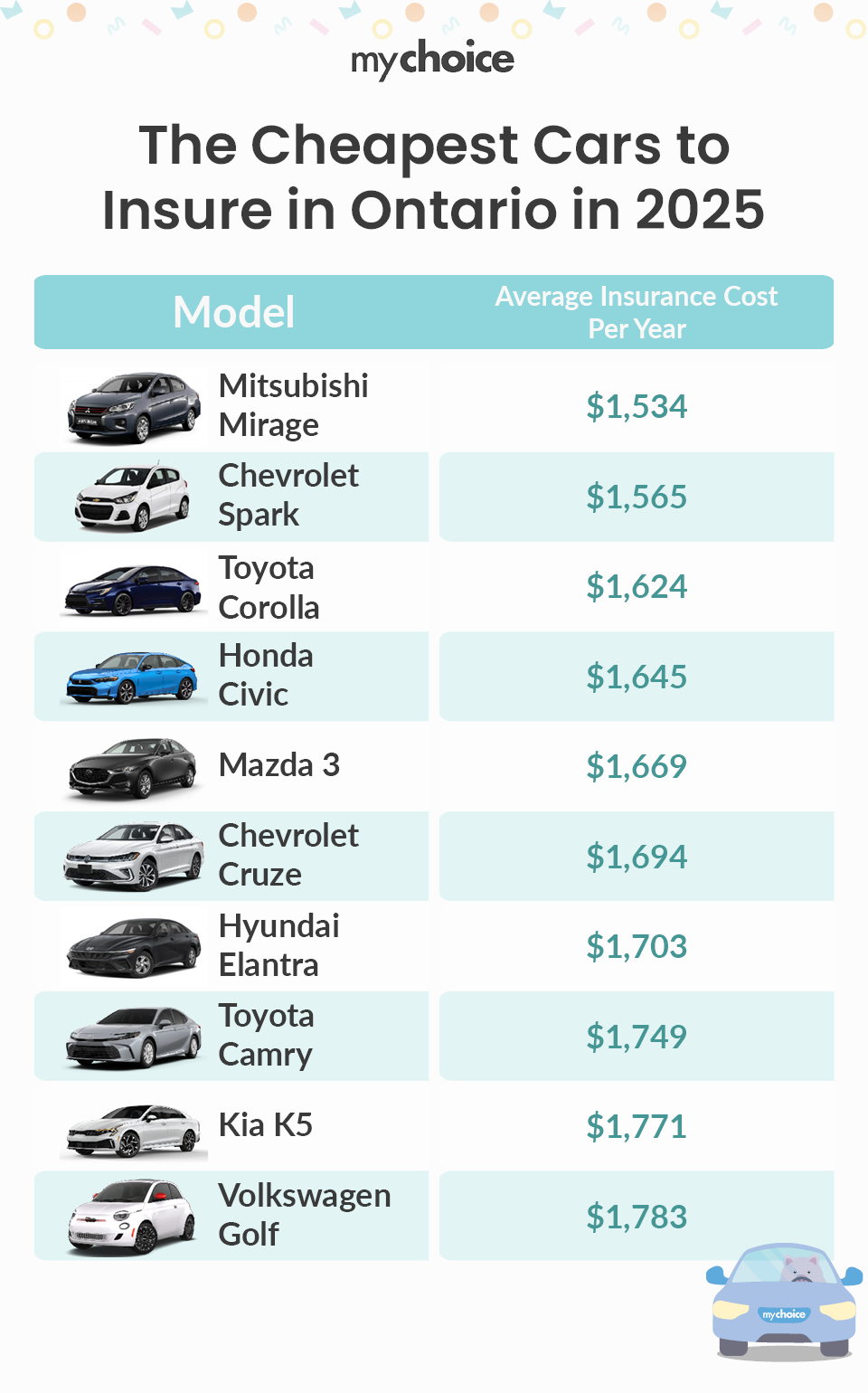
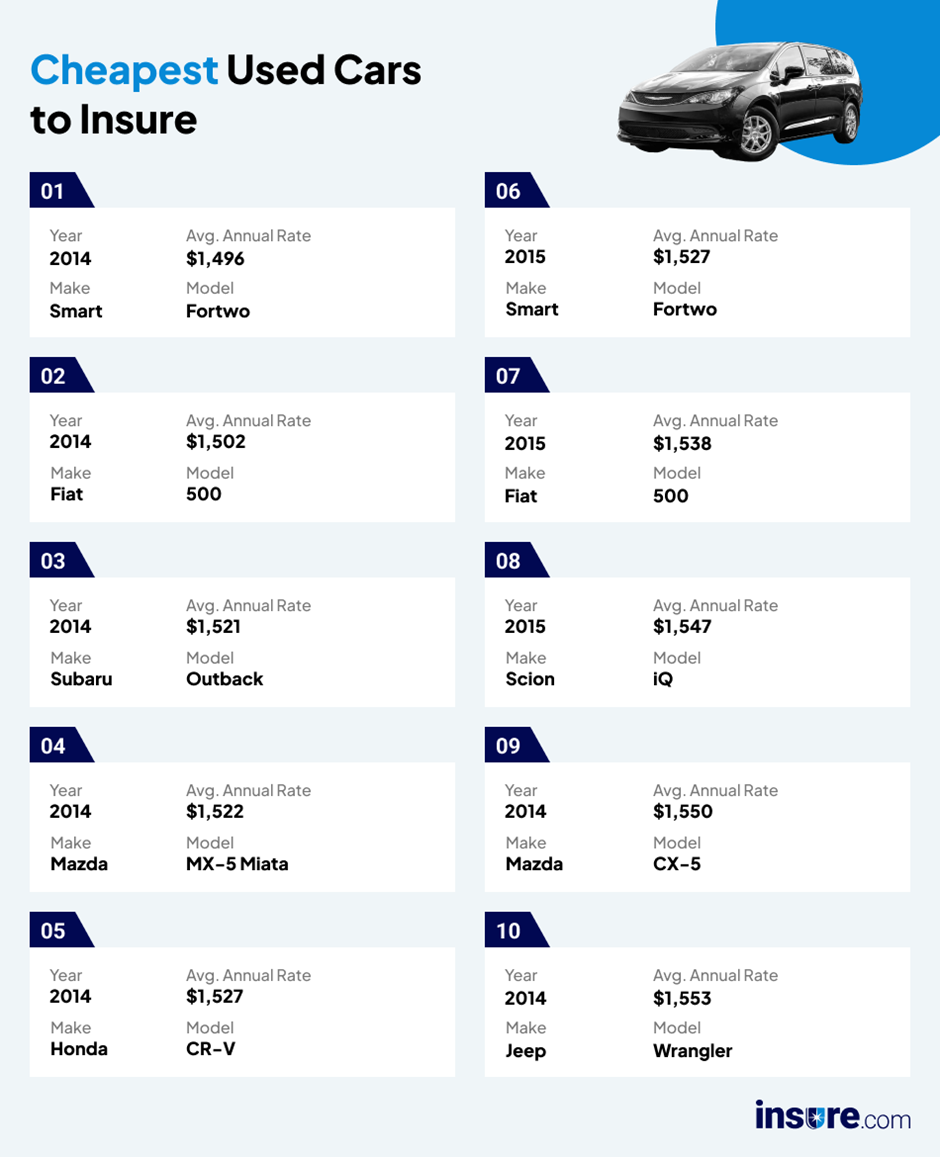
The car you drive is another major component of your insurance cost. The make and model matter immensely. Luxury vehicles, sports cars, and high-performance vehicles are generally more expensive to insure due to their higher repair costs, greater likelihood of theft, and the potentially more aggressive driving associated with them. More practical, family-oriented vehicles often come with lower insurance tags.
Crucially, safety features built into your vehicle can lead to discounts. Anti-lock brakes, airbags, anti-theft devices, stability control systems, and advanced driver-assistance systems (ADAS) like automatic emergency braking or lane-keeping assist can all mitigate risk and, consequently, lower your premium. Insurers recognize that these features reduce the likelihood of accidents or theft, translating into fewer claims.
Coverage Choices and Deductibles: Balancing Protection and Cost
Perhaps the most direct way you influence your premium is through your coverage choices. State-mandated minimum liability coverage is the cheapest option, but it offers minimal protection – often only covering damages to other parties if you’re at fault. Adding comprehensive coverage (for non-collision damage like theft or natural disasters) and collision coverage (for damage to your own vehicle in an accident) significantly increases your premium, but also provides vital financial protection. Personal injury protection (PIP) or medical payments coverage, uninsured/underinsured motorist coverage, and roadside assistance are other add-ons that enhance protection but also elevate costs.
Your deductible – the amount you pay out-of-pocket before your insurance kicks in – is inversely related to your premium. A higher deductible means a lower premium, as you’re assuming more of the initial financial risk. Conversely, a lower deductible leads to a higher premium. The key is finding a deductible you can comfortably afford in the event of a claim, balancing immediate savings against potential future expenses.
Credit Score and Payment History: An Often Overlooked Factor
Many states allow insurers to use your credit-based insurance score as a factor in determining premiums. While not identical to a traditional credit score, it’s derived from similar financial data and serves as a predictor of claim likelihood. Studies have shown a correlation between a higher credit score and a lower probability of filing claims. Consequently, individuals with excellent credit scores often receive more favorable rates, while those with poor credit may face higher premiums. This highlights the broader financial principle that responsible money management can lead to savings in unexpected areas. Your payment history with the insurer (paying on time, setting up autopay) can also sometimes qualify you for minor discounts.
Strategic Approaches to Unearthing the Most Affordable Policies
Knowing the factors influencing your rates is only half the battle. The other half involves actively employing strategies to secure the most competitive pricing available. This proactive approach can lead to substantial long-term savings.
The Power of Comparison Shopping: Why Multiple Quotes Are Crucial
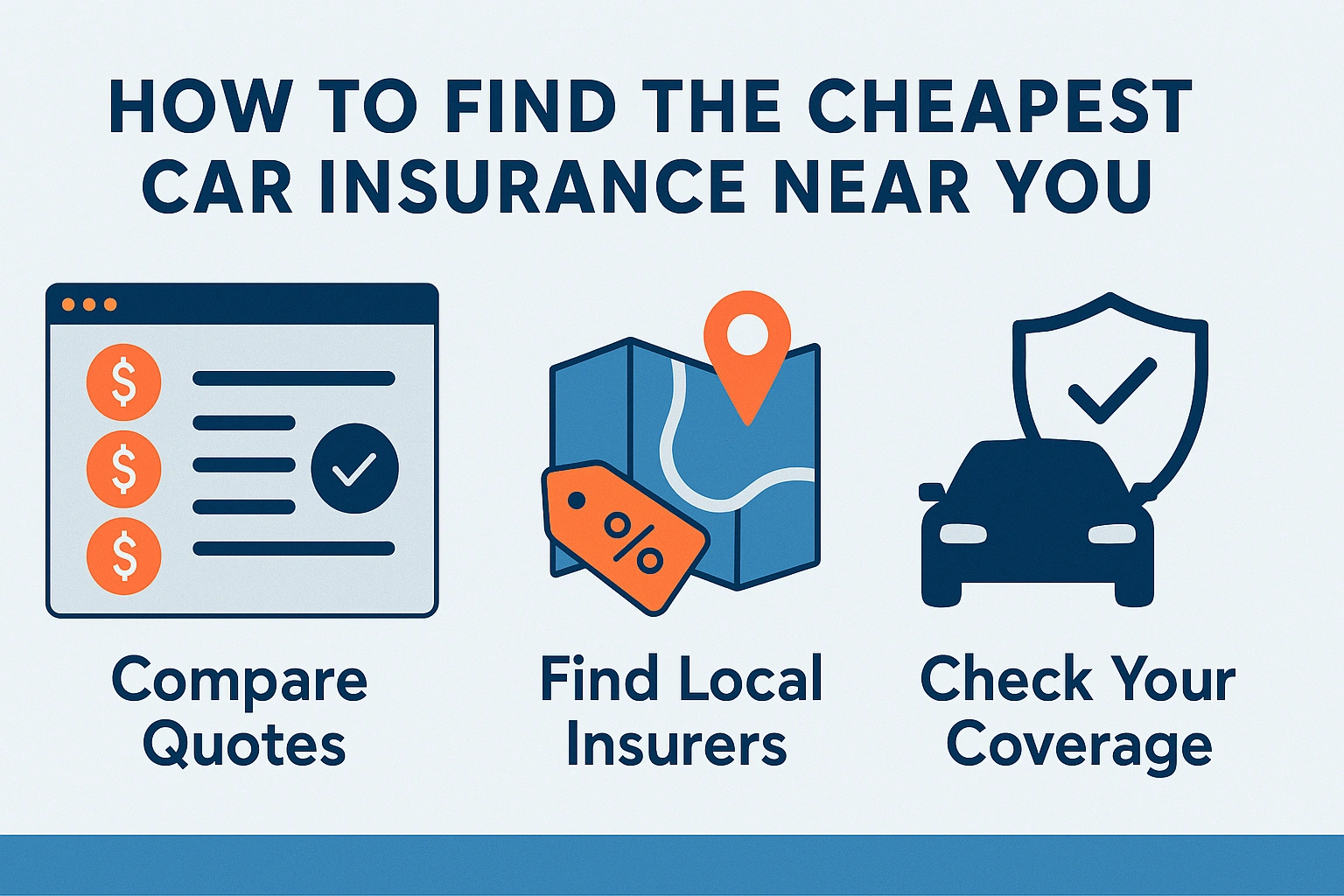
This is perhaps the single most effective strategy for finding cheaper car insurance. Do not settle for the first quote you receive, or even quotes from just two companies. Insurance rates vary dramatically between providers because each insurer has its own proprietary risk assessment models, pricing strategies, and target customer demographics. What one company considers high-risk, another might find acceptable, leading to wildly different quotes for the exact same coverage.
How to do it effectively: Gather quotes from at least 5-7 different insurers – including large national carriers, smaller regional companies, and online-only providers. Use online comparison tools, but also consider contacting individual agents directly, as some may have access to exclusive rates or companies not listed on aggregators. Be prepared to provide accurate and consistent information to ensure true apples-to-apples comparisons.
Leveraging Discounts: A Comprehensive Guide to Savings
Discounts are often hidden gems that can significantly reduce your premium. Always ask your potential insurer about every discount they offer, as many are not automatically applied. Common discounts include:
- Multi-Policy Discount (Bundling): Combining car insurance with home, renters, or life insurance from the same provider often yields a substantial discount on all policies.
- Multi-Car Discount: Insuring multiple vehicles with the same company.
- Good Driver/Accident-Free Discount: For drivers with a clean record over a specified period.
- Good Student Discount: For young drivers (typically under 25) who maintain a certain GPA.
- Defensive Driving Course Discount: Completing an approved defensive driving course.
- Low Mileage Discount: For drivers who commute less or drive fewer miles annually.
- Safety Feature/Anti-Theft Device Discount: For vehicles equipped with specific safety or security features.
- Loyalty Discount: For long-term customers.
- Payment Discounts: For paying premiums in full, setting up automatic payments, or choosing paperless billing.
- Occupation/Affinity Group Discounts: Some insurers offer discounts to members of certain professions, organizations, or alumni associations.
Rethinking Your Coverage Needs: When Less Can Be More (Safely)
While it’s never wise to be underinsured, there are times when adjusting your coverage can lead to savings without compromising essential protection.
- Dropping Collision/Comprehensive on Older Cars: If your vehicle’s market value is less than what you’d pay in deductibles plus a year or two of premiums for these coverages, it might be more financially prudent to drop them. The risk/reward balance shifts as a car ages.
- Increasing Your Deductibles: As discussed, a higher deductible means a lower premium. If you have a robust emergency fund, increasing your deductible from, say, $500 to $1,000, could save you hundreds annually. Just ensure you can comfortably cover that higher deductible if a claim arises.
- Reviewing Optional Coverages: Assess if you truly need every add-on. Roadside assistance might be redundant if your car manufacturer or credit card already provides it. Rental car reimbursement might not be necessary if you have alternative transportation options.
Exploring Different Types of Insurers: From Large Carriers to Niche Providers
The insurance market is diverse, and different types of companies cater to different segments.
- Large National Carriers: Companies like Geico, Progressive, State Farm, Allstate, and Liberty Mutual often have extensive discount programs, strong digital platforms, and broad coverage options. They benefit from economies of scale.
- Regional/Local Insurers: Smaller companies might offer more personalized service and sometimes have more competitive rates for specific local markets, as their risk pools are more localized.
- Online-Only Insurers: Companies like Lemonade Car or Root (which uses telematics heavily) operate almost entirely online, potentially passing on savings from lower overhead to customers.
- Direct-to-Consumer vs. Independent Agents: Buying direct from an insurer can sometimes be cheaper, but independent agents can shop multiple carriers on your behalf, potentially finding deals you wouldn’t uncover yourself. It’s wise to explore both avenues.
Beyond the Initial Quote: Sustaining Savings Over Time
Finding a cheap policy is a great start, but savvy financial management means thinking long-term. Several strategies can help you maintain low premiums and even reduce them further over the years.
Maintaining a Pristine Driving Record: Your Best Discount
This cannot be stressed enough. A spotless driving record is the most powerful tool for keeping your premiums low. Every accident or moving violation is a black mark that increases your perceived risk. Drive defensively, obey traffic laws, and avoid distractions. The financial benefits of a clean record far outweigh the momentary costs of speeding tickets or accident claims.
Utilizing Telematics Programs for Behavior-Based Reductions
Many insurers now offer telematics programs, also known as “usage-based insurance” (UBI). These programs involve installing a device in your car or using a smartphone app that monitors your driving habits – speed, braking, acceleration, mileage, and even the time of day you drive. Safe drivers who opt into these programs can earn significant discounts (sometimes 10-30% or more) based on their actual driving behavior rather than just statistical averages. It’s a direct way to prove you’re a lower risk.
Bundling Policies and Loyalty Programs: The Synergistic Advantage
As mentioned earlier, bundling is a powerful cost-saving strategy. Beyond car and home insurance, consider combining boat, RV, or umbrella policies with the same carrier. As you stay with an insurer, you may also become eligible for loyalty discounts that reward long-term customers. While it’s always good to shop around periodically, sometimes the cumulative loyalty discounts can make staying put a financially sound decision.
Regular Policy Review: Adapting to Life Changes and Market Shifts
Your life changes, and so does the insurance market. What was the cheapest policy five years ago might not be today. Make it a habit to review your car insurance policy annually.
- Life Events: Did you get married? Buy a house? Your credit score improved? Your teen driver left for college? All these changes can impact your rates, potentially for the better.
- Vehicle Changes: If you paid off your car, you might reconsider dropping collision or comprehensive coverage. If your car depreciated significantly, adjust coverage accordingly.
- Market Shifts: Insurers adjust their rates based on claim trends, economic factors, and competitive pressures. A company that was expensive last year might be competitive this year, and vice-versa.
Don’t be afraid to re-shop your policy every year or two, even if you’re happy with your current insurer. A quick comparison check can ensure you’re still getting the best value.
The Digital Landscape: Tools and Tips for Efficient Shopping
The internet has revolutionized the way we shop for car insurance, offering unprecedented transparency and efficiency. Harnessing these digital tools effectively is key to finding the cheapest rates.
Navigating Online Comparison Platforms
Websites like NerdWallet, The Zebra, Bankrate, and Compare.com allow you to enter your information once and receive multiple quotes from various insurers simultaneously. These platforms are invaluable for quickly assessing a broad spectrum of options and getting a preliminary sense of the market rates for your profile.
Direct Quotes vs. Broker Services
While comparison sites are excellent, they don’t always include every insurer, especially smaller regional ones or those that primarily work through independent agents. Therefore, it’s beneficial to supplement your online comparison efforts by:
- Getting direct quotes: Visiting the websites of major carriers like Geico or Progressive and getting a quote directly.
- Consulting independent brokers: These professionals work with multiple insurance companies and can often find deals or niche policies that might not appear on comparison sites. They can also offer personalized advice.
What Information Do You Need Ready?
To streamline the quote process, whether online or with an agent, have the following information readily available:
- Personal Information: Your full name, date of birth, address, marital status, driver’s license number, and social security number (optional, but speeds up credit checks).
- Vehicle Information: Make, model, year, VIN (Vehicle Identification Number), current mileage, and primary use (commute, pleasure, business).
- Driving History: Details of any accidents, tickets, or claims over the past 3-5 years.
- Current Insurance Information: Your current policy details, including coverage levels and current premiums.
Having this information at hand will ensure you get accurate quotes quickly and efficiently, making the comparison process smooth.
Conclusion
The quest for the cheapest car insurance is a continuous journey that requires diligence, strategic thinking, and periodic review. There is no single “cheapest” insurer for everyone, but by understanding the myriad factors influencing premiums, leveraging discounts, making smart coverage choices, and consistently comparing options, you can significantly reduce your costs. Remember, the goal isn’t just to find the lowest premium, but to secure the most affordable policy that provides adequate financial protection for your needs. By empowering yourself with knowledge and employing these financial strategies, you can drive confidently, knowing you’ve made a well-informed and cost-effective decision for your personal finances.
aViewFromTheCave is a participant in the Amazon Services LLC Associates Program, an affiliate advertising program designed to provide a means for sites to earn advertising fees by advertising and linking to Amazon.com. Amazon, the Amazon logo, AmazonSupply, and the AmazonSupply logo are trademarks of Amazon.com, Inc. or its affiliates. As an Amazon Associate we earn affiliate commissions from qualifying purchases.