
In an increasingly health-conscious world, the pursuit of optimal well-being often leads us to scrutinize fundamental aspects of our daily routines. Among these, hydration stands as a cornerstone of good health, influencing everything from cognitive function and energy levels to skin health and metabolic processes. Yet, despite its critical importance, many individuals struggle to consume adequate amounts of water, often relying on generalized advice like “eight glasses a day” that may not align with their unique physiological needs or lifestyle. This is where technology steps in, transforming the guesswork into a personalized science with the advent of the “how much water do I need calculator.” More than just a simple arithmetic tool, modern hydration calculators are sophisticated digital companions, leveraging cutting-edge technology to offer precise, dynamic, and actionable insights into our individual water requirements. This article delves into the technological backbone of these tools, exploring their evolution, features, and the profound impact they have on fostering a healthier, more hydrated populace.
The Science Behind Personalized Hydration and Its Digital Translation
Understanding the optimal amount of water an individual needs is far more complex than a one-size-fits-all recommendation. Human physiology is diverse, and water requirements fluctuate based on a multitude of internal and external factors. Modern hydration calculators are designed to decode this complexity, translating nuanced scientific principles into actionable digital recommendations.
Understanding Individual Water Needs
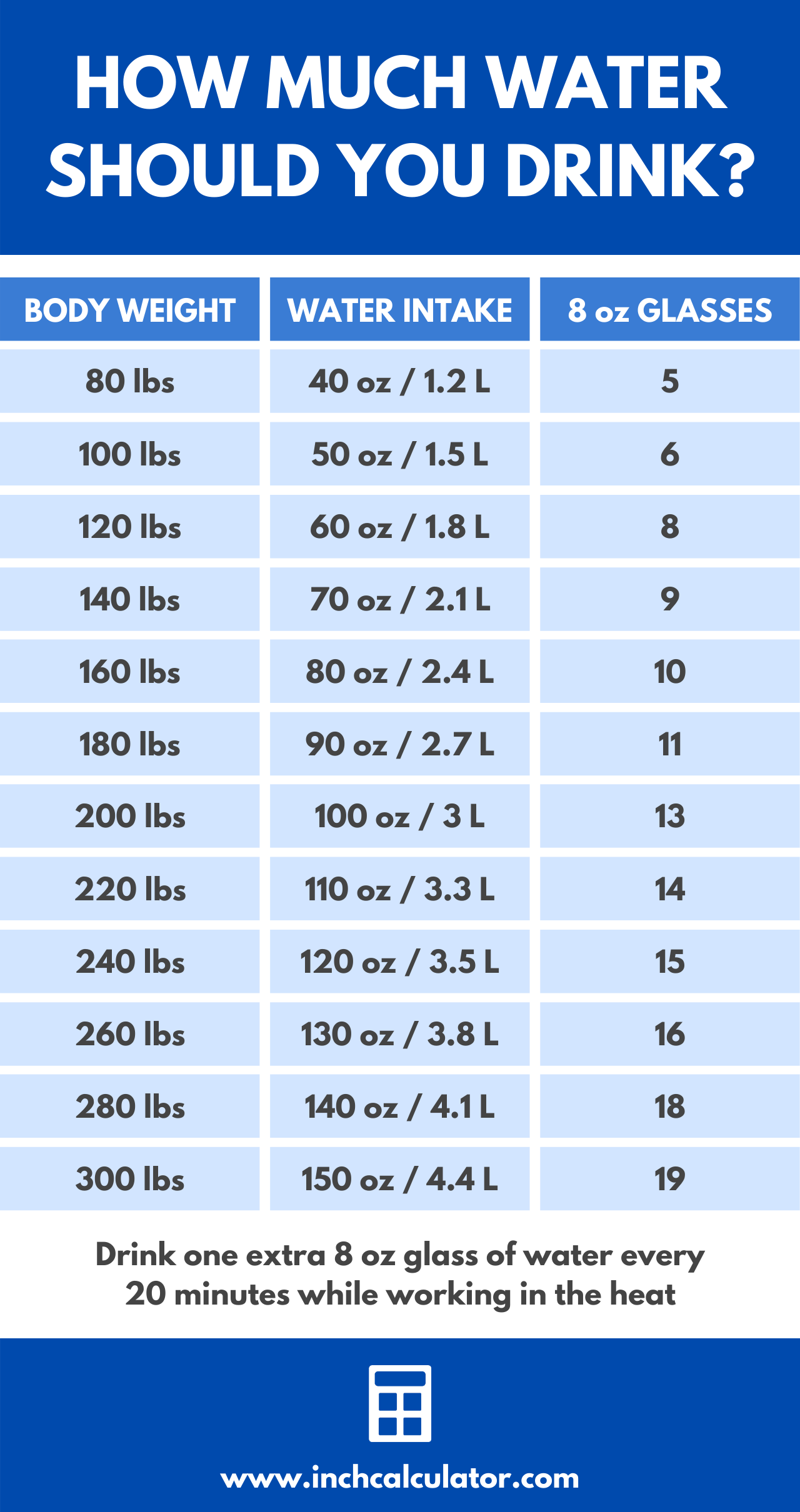
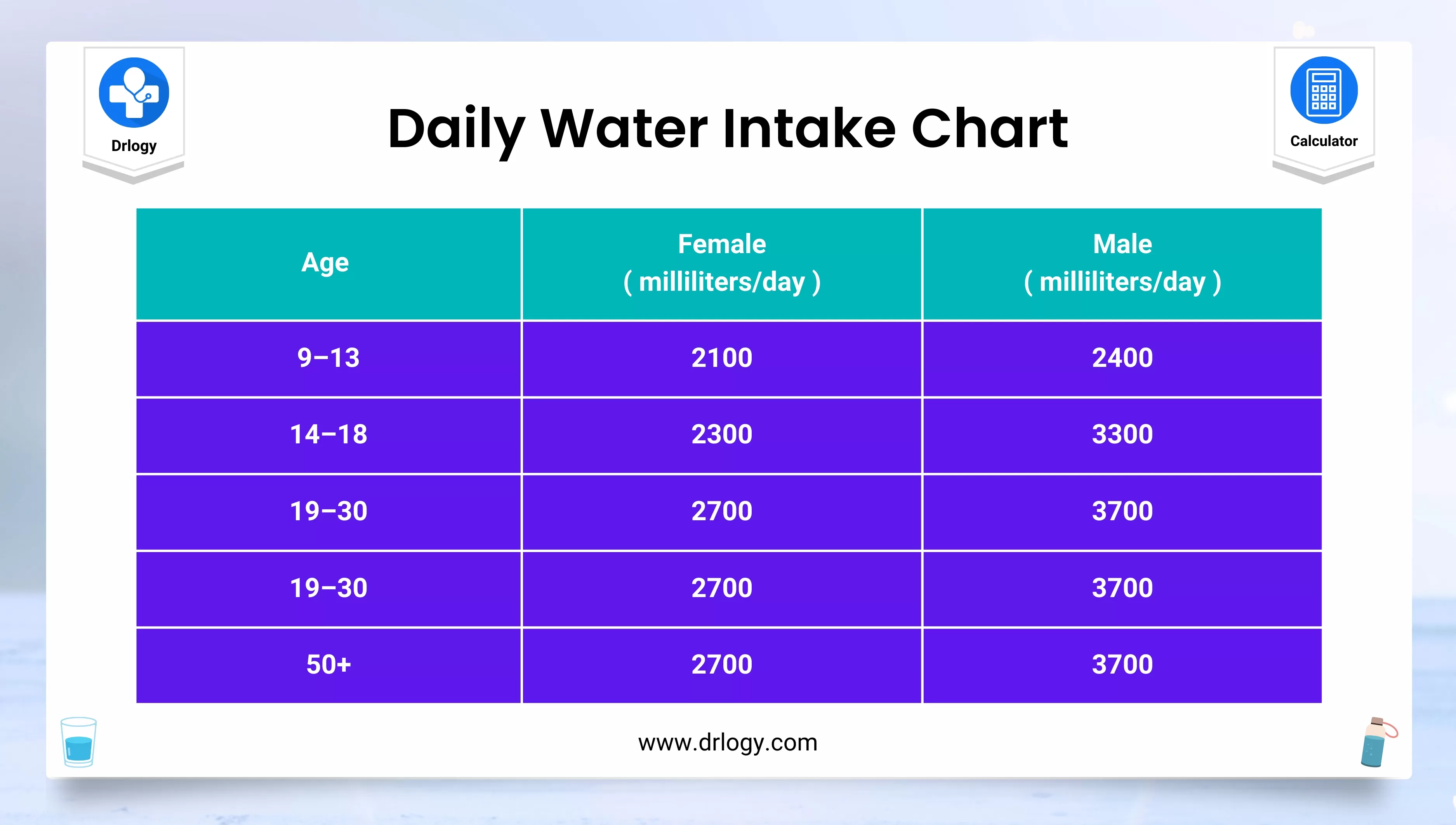
At its core, a hydration calculator aims to determine an individual’s basal fluid requirement – the minimum amount of water needed to sustain basic bodily functions. This baseline is established by considering fundamental biometric data. Age plays a crucial role; children, adults, and seniors have varying metabolic rates and kidney functions that influence fluid turnover. Weight is perhaps the most significant single factor, as larger bodies generally require more fluid to maintain cellular function, regulate temperature, and transport nutrients. Gender also comes into play, primarily due to average differences in body composition (muscle-to-fat ratio) and metabolic rates.
Beyond these static metrics, a truly effective calculator considers dynamic physiological states. For instance, pregnant or breastfeeding individuals have significantly elevated fluid needs to support both their own increased metabolic demands and the development or nourishment of a baby. Certain medical conditions, such as kidney disease or heart failure, can also necessitate careful fluid management, often requiring consultation with a healthcare professional to adjust calculator recommendations. The digital translation of these factors involves sophisticated algorithms that weigh each variable, assigning appropriate coefficients to derive an initial estimated daily intake.
Factors Influencing Dynamic Hydration Requirements
What elevates a basic water intake formula to a sophisticated “calculator” is its ability to adapt to daily fluctuations and environmental conditions. Human activity and environment are constantly changing, and so are our hydration needs.
Activity Level: Physical exertion significantly increases water loss through sweat. A sedentary office worker will have vastly different needs than an athlete training for a marathon. Hydration calculators often integrate with fitness trackers or allow manual input of activity levels (e.g., light, moderate, intense exercise) to adjust recommendations in real-time. These adjustments are based on estimated sweat rates, which can vary widely depending on exercise intensity and duration.
Climate and Environment: Ambient temperature and humidity are powerful determinants of fluid loss. In hot, humid environments, the body sweats more profusely to cool down, leading to increased water and electrolyte depletion. Conversely, dry, high-altitude conditions can also accelerate fluid loss through respiration. Advanced calculators might incorporate location-based weather data or allow users to input environmental conditions to fine-tune their suggestions.
Dietary Intake: The food we eat also contributes to our fluid intake. Fruits and vegetables, for example, have high water content. Conversely, a diet rich in sodium can increase thirst and necessitate more water intake to help the kidneys process the excess salt. While most calculators don’t deeply analyze dietary composition, some more advanced versions might offer fields for tracking food consumption, especially if integrated into a broader nutritional app.
The technological challenge lies in developing algorithms that can accurately and dynamically weigh these diverse factors, providing a personalized and adaptable hydration target that evolves with the user’s day and environment.
The Evolution of Hydration Calculators: From Basic Formulas to Smart Ecosystems
The journey of hydration calculators mirrors the broader arc of digital health tools – from rudimentary standalone utilities to integrated, intelligent systems that are deeply woven into our daily lives.
From Basic Formulas to Smart Algorithms
Early “hydration calculators” were often simple web forms requiring a few inputs like weight and activity level, applying a static formula (e.g., half an ounce of water per pound of body weight). While a helpful starting point, these tools lacked personalization and dynamic adjustment capabilities. The advent of smartphones ushered in the first wave of dedicated hydration apps, which began to offer more user-friendly interfaces, graphical progress tracking, and simple reminders. These apps started to incorporate slightly more complex algorithms, accounting for additional factors like age and gender, and often allowed users to log water intake manually.
The “smart algorithm” era began with the integration of machine learning and more sophisticated data processing. These algorithms moved beyond fixed formulas, learning from user patterns, historical data, and external inputs. For instance, an app might learn that a user consistently drinks less on weekends or more after a particularly stressful workday. This data can then inform more intelligent reminder schedules or personalized tips. The shift also involved moving from passive data input to active data integration, setting the stage for more powerful tools.
The Role of Wearables and IoT in Hydration Tracking
The true leap in hydration technology came with the proliferation of wearables and the Internet of Things (IoT). Fitness trackers, smartwatches, and even smart water bottles have transformed hydration tracking from a manual logging chore into an automatic, seamless process.
Wearables: Devices like smartwatches can monitor heart rate, activity levels, and even estimated sweat loss during exercise. Integrating this biometric data directly into a hydration calculator allows for highly dynamic adjustments. If a smartwatch detects a prolonged, intense workout in high heat, the integrated app can immediately update the user’s water target and send proactive reminders. Some advanced wearables even claim to monitor skin conductivity or other proxies for hydration status, although the accuracy of these methods is still an active area of research.
Smart Water Bottles: These IoT devices are specifically designed to tackle the challenge of consistent hydration. Equipped with sensors, they can detect how much water has been consumed and wirelessly transmit this data to a companion app. Many smart bottles also feature LED reminders that glow when it’s time to drink, offering a tangible, immediate cue. This direct measurement eliminates the need for manual logging, significantly improving data accuracy and user compliance. The integration of these devices creates a closed-loop system: the calculator sets a goal, the smart bottle tracks progress, and the app provides feedback and adjustments, creating a powerful ecosystem for hydration management.
Key Features and Functionality of Modern Hydration Apps
Today’s hydration calculator apps are feature-rich platforms, designed not just to advise on water intake but to actively support and motivate users towards better hydration habits. Their core functionality revolves around intelligent data handling and user engagement.
Input Parameters and Data Integration
The foundation of any sophisticated hydration calculator lies in its ability to collect and process a wide array of data. Users typically begin by entering basic personal information: age, gender, weight, and height. Beyond these static biometrics, dynamic inputs are crucial. This includes activity level (from sedentary to intense athlete), current climate conditions (temperature, humidity), and even specific health statuses (e.g., pregnancy).
The power of modern apps lies in their ability to integrate data from various sources. This often includes:
- Manual Entry: Users can log individual glasses or bottles of water consumed.
- Wearable Integration: Syncing with Apple Watch, Garmin, Fitbit, or other fitness trackers to automatically pull activity data, heart rate, and potentially estimated sweat rates.
- Smart Bottle Connectivity: Direct Bluetooth or Wi-Fi connection to smart water bottles for automatic tracking of fluid intake.
- Health Platform Integration: Connecting with Apple HealthKit, Google Fit, or Samsung Health to retrieve and share relevant health metrics. This holistic data input allows the calculator to construct a comprehensive, real-time profile of the user’s hydration needs and consumption.
Real-time Monitoring and Smart Reminders
One of the most impactful features of these apps is their ability to monitor consumption against targets in real-time and provide intelligent nudges. The app’s dashboard typically displays current progress, showing how much water has been consumed versus the personalized daily goal. This visual feedback is a powerful motivator.
Smart Reminders move beyond simple hourly pings. They are often context-aware:
- Activity-Based: Reminders can be triggered after a detected workout or during periods of prolonged activity.
- Environmental-Based: If integrated with weather data, the app might send more frequent reminders on hot days.
- Predictive: Some advanced apps use AI to learn user habits and predict when a reminder would be most effective (e.g., before typical afternoon slump or after a period of high concentration).
- Adaptive: If a user consistently ignores reminders at a certain time, the app might adjust its schedule to find a more receptive window.
These intelligent prompts are crucial for overcoming forgetfulness and establishing consistent hydration habits.
Gamification and Community Features
To enhance engagement and long-term adherence, many hydration apps incorporate elements of gamification and social interaction.
- Goal Setting and Achievements: Users can set daily, weekly, or monthly goals and earn virtual badges or rewards for meeting them. Progress streaks (e.g., “5 days hydrated in a row”) are a common motivational tool.
- Visual Progress: Engaging graphics, animated characters, or virtual plants that “grow” as hydration goals are met can make the process more enjoyable.
- Challenges: Apps might offer time-bound challenges (e.g., “Hydration Challenge for 30 Days”) to foster a sense of accomplishment and competition.
- Community and Sharing: The ability to share progress with friends, participate in group challenges, or view leaderboards can provide social accountability and encouragement. This harnesses the power of social influence to reinforce healthy behaviors.
Choosing the Right Hydration Tech for You
With a burgeoning market of hydration apps and smart devices, selecting the right technology can seem daunting. A thoughtful evaluation based on personal needs and priorities is essential.
Evaluating Accuracy and Customization
The primary purpose of a hydration calculator is accuracy. Look for apps that go beyond basic weight-based formulas and incorporate a wider range of variables, including age, gender, activity level, climate, and even pregnancy/breastfeeding status. The more data points the app considers, the more personalized and accurate its recommendations will be. Assess its ability to dynamically adjust goals based on real-time activity or environmental changes. Customization options are also key: Can you easily modify your goal if you feel it’s too high or too low? Does it allow for different fluid types (e.g., coffee, tea) to be logged with appropriate hydration factors?
User Experience and Platform Compatibility
An app, no matter how sophisticated, is only useful if it’s easy and enjoyable to use. Prioritize apps with an intuitive interface, clear visual feedback, and straightforward logging mechanisms. Consider how seamlessly it integrates into your existing digital ecosystem.
- Mobile OS: Is it available for both iOS and Android?
- Wearable Integration: Does it connect with your specific smartwatch or fitness tracker?
- Health Platform Integration: Can it sync with Apple Health, Google Fit, or other health dashboards you use?
- Smart Bottle Compatibility: If you plan to use a smart water bottle, ensure it’s compatible with your chosen app or comes with its own well-developed application. A disjointed user experience can quickly lead to abandonment.
Data Privacy and Security Considerations
As with any health-related app, data privacy and security are paramount. These apps collect personal biometric data, activity logs, and potentially location information. Before committing to an app, review its privacy policy to understand how your data is collected, stored, used, and shared. Opt for apps that prioritize encryption, offer clear opt-out options for data sharing, and are transparent about their data practices. Look for apps from reputable developers with strong privacy commitments to ensure your personal health information remains secure.
The Future of Hydration Technology
The landscape of hydration technology is continuously evolving, driven by advancements in AI, sensor technology, and a deeper understanding of human physiology. The future promises even more personalized, proactive, and seamlessly integrated solutions.
AI-Powered Predictive Hydration
The next generation of hydration calculators will move beyond reactive tracking to truly predictive and prescriptive guidance. AI algorithms will leverage vast datasets – including individual biometric trends, historical consumption patterns, sleep quality, stress levels, and even dietary inputs – to anticipate hydration needs before they become critical. Imagine an app that, based on your sleep data, a high-sodium dinner last night, and a projected hot day, proactively suggests front-loading your water intake in the morning. AI will enable highly intelligent reminders that adapt not just to activity, but to mood, cognitive load, and subtle physiological markers, optimizing timing for maximum effectiveness and minimal disruption.
Seamless Integration with Health Ecosystems
Future hydration tech will be an integral part of a broader, interconnected health ecosystem. Rather than standalone apps, hydration data will flow seamlessly between various health platforms: smart scales, glucose monitors, sleep trackers, dietary analysis apps, and even smart home devices that can adjust ambient temperature or humidity. This holistic view will allow for cross-referencing and more accurate correlations, providing insights into how hydration impacts sleep, energy levels, mood, and even recovery from illness. Imagine a system where your post-workout rehydration plan is automatically calculated based on data from your fitness tracker, adjusted by your smart scale’s electrolyte reading, and then communicated to your smart fridge to suggest optimal recovery beverages.

Personalized Nutrient and Electrolyte Management
While current calculators primarily focus on water volume, the future will undoubtedly see a greater emphasis on electrolyte balance and specific nutrient intake related to hydration. Advanced sensors, possibly integrated into wearables or even smart toilets, could non-invasively monitor electrolyte levels, urine specific gravity, or other hydration biomarkers. This real-time physiological data would allow calculators to recommend not just how much water, but what kind of fluid (e.g., plain water, electrolyte-enhanced drink) and when to consume it, tailored precisely to prevent imbalances. This evolution towards comprehensive fluid and nutrient management will mark a significant leap in personalized health technology.
In conclusion, the “how much water do I need calculator” has transcended its humble beginnings to become a sophisticated technological marvel. By harnessing the power of data, smart algorithms, wearables, and IoT, these tools are empowering individuals to take a proactive and data-driven approach to their hydration. As technology continues to advance, we can anticipate an even more intelligent, integrated, and personalized future, cementing the role of hydration tech as an indispensable component of modern health and wellness management.
aViewFromTheCave is a participant in the Amazon Services LLC Associates Program, an affiliate advertising program designed to provide a means for sites to earn advertising fees by advertising and linking to Amazon.com. Amazon, the Amazon logo, AmazonSupply, and the AmazonSupply logo are trademarks of Amazon.com, Inc. or its affiliates. As an Amazon Associate we earn affiliate commissions from qualifying purchases.