
The narrative of who started Costco Wholesale is more than just an origin tale; it is a profound case study in brand strategy, corporate identity, and the enduring power of a clear vision. In an era dominated by digital commerce and shifting consumer loyalties, Costco stands as a titan of retail, its brand synonymous with value, quality, and a unique shopping experience. To understand the genesis of this formidable brand, one must delve into the insights and philosophies of its primary architects: James Sinegal and Jeffrey Brotman. Their combined expertise, shared ethos, and unwavering commitment laid the foundational brickwork for a brand that would redefine wholesale club retailing and cultivate an almost cult-like following among its members. This article explores the brand journey from its inception, dissecting how its founders meticulously crafted an identity that continues to resonate globally.

The Visionaries Behind the Warehouse Giant
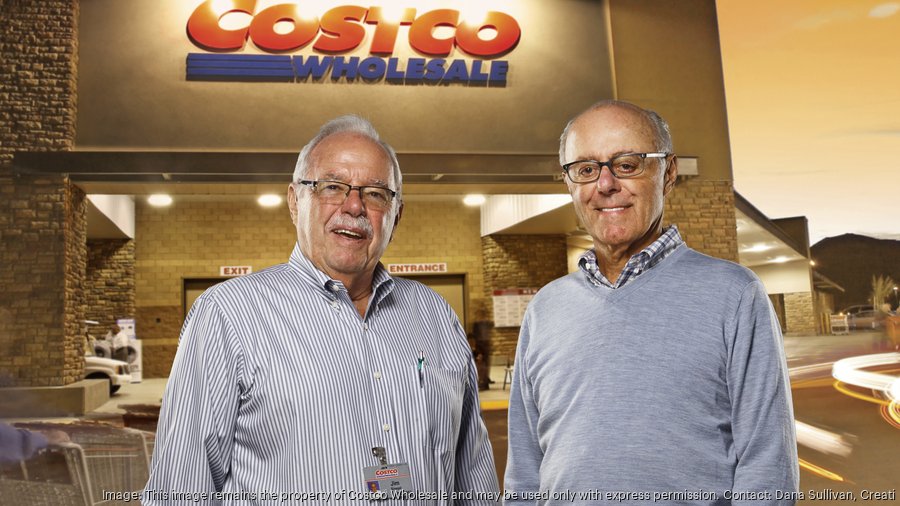
Every iconic brand begins with an idea, but it flourishes through the dedication and strategic foresight of its founders. Costco’s brand story is no different, deeply rooted in the distinct yet complementary visions of James Sinegal and Jeffrey Brotman. Their partnership was not merely a business arrangement; it was a synergy that forged a corporate identity built on specific values and a unique market proposition.
James Sinegal: The Retail Maverick
James “Jim” Sinegal is often lauded as the operational genius and the heart of Costco’s brand philosophy. A veteran of the discount retail world, Sinegal’s career was steeped in the principles of efficiency and customer-centricity long before Costco was even conceived. Having cut his teeth at FedMart under the tutelage of Sol Price, the pioneer of the warehouse club concept, Sinegal developed an innate understanding of how to run a lean operation while delivering exceptional value. His brand contribution was multifaceted: he championed a relentless focus on high-quality merchandise at the lowest possible prices, instilled a culture of fair wages and benefits for employees (a critical internal branding element that fostered loyalty and productivity), and insisted on a limited product selection to optimize inventory turnover and purchasing power. This operational excellence became an intrinsic part of the Costco brand, signaling reliability, integrity, and smart shopping to its members. Sinegal’s belief that treating employees well translates directly to better customer service and, ultimately, a stronger brand image, was revolutionary for its time and remains a cornerstone of Costco’s corporate identity.
Jeffrey Brotman: The Strategic Partner
While Sinegal was the operational brain, Jeffrey Brotman was the strategic visionary and legal architect, providing the essential structural and market intelligence. Brotman, an attorney by profession and a businessman by calling, brought a crucial understanding of real estate, finance, and corporate governance to the fledgling enterprise. His extensive network and business acumen were instrumental in securing initial funding, navigating complex regulatory landscapes, and strategically positioning Costco for growth. Brotman’s role in brand building was less about the daily customer interaction and more about establishing the corporate framework that would allow Sinegal’s operational vision to thrive sustainably. He helped articulate the brand’s mission, define its legal and ethical boundaries, and ensure that the brand’s expansion was strategically sound. His perspective as an astute entrepreneur allowed the brand to think big, envisioning a future where the warehouse club model could scale far beyond regional boundaries. Together, Sinegal and Brotman formed an unbreakable partnership, their combined strengths providing both the practical groundwork and the ambitious foresight necessary to launch a brand that would eventually become a global phenomenon.
The Founding Principle: Value and Membership
At its core, the brand identity of Costco, from its very inception, was predicated on two intertwined principles: unparalleled value and the exclusive membership model. The founders understood that simply offering low prices was not enough to build a sustainable brand; there needed to be a distinctive differentiator and a strong incentive for customer loyalty. The membership fee, initially perceived by some as a barrier, was brilliantly positioned as an investment that granted access to extraordinary savings and a curated selection of products. This model cultivated a sense of exclusivity and belonging, transforming customers into “members” of a club. The brand promise was clear: pay an annual fee, and in return, gain access to quality goods at prices typically inaccessible to the general public. This was not just a transaction; it was a value proposition that built trust and fostered a unique relationship between the brand and its patrons. This initial conceptualization of value through membership laid the groundwork for Costco’s robust corporate identity, a testament to the founders’ insightful brand strategy.
Crafting the Costco Brand Identity from Day One
The early years of Costco were not just about opening warehouses; they were about meticulously crafting a brand identity that would stand the test of time and market fluctuations. The founders’ approach was holistic, weaving their core principles into every aspect of the business, from product selection to store layout.
The “No-Frills, High-Quality” Ethos
One of the most distinctive elements of the Costco brand identity is its “no-frills, high-quality” ethos. Unlike traditional retailers that invest heavily in elaborate displays, extensive marketing campaigns, and numerous staff on the floor, Costco deliberately stripped away unnecessary embellishments. This wasn’t merely a cost-cutting measure; it was a fundamental brand statement. The brand communicated that every penny saved on overheads, advertising, and fancy packaging was passed directly to the member in the form of lower prices. This raw, honest approach resonated deeply with value-conscious consumers. Yet, critically, this “no-frills” identity was always coupled with a strict adherence to high quality. Costco became renowned for its selective curation of products, often featuring leading national brands alongside its rapidly growing private label, Kirkland Signature. The brand message was unequivocal: you might not get fancy bags or dazzling displays, but you will get top-tier products at unbeatable prices. This dual commitment became a powerful differentiator and a cornerstone of the Costco brand.
Membership as a Brand Differentiator
The membership model, as initially conceived, evolved into a powerful brand differentiator. It created a psychological contract with the customer: an annual investment signifying commitment, in exchange for guaranteed access to superior value. This fostered a sense of community and exclusivity that traditional retail couldn’t replicate. The membership card became a symbol, not just of access, but of smart shopping and belonging to an informed consumer group. From a brand strategy perspective, the membership model provided a stable revenue stream independent of merchandise sales, allowing Costco to operate on incredibly thin margins on its products. This structural advantage reinforced the brand’s ability to deliver lower prices, creating a virtuous cycle where membership fees enabled lower prices, which in turn attracted more members, solidifying the brand’s competitive edge and unique market positioning.
The Power of Scarcity and Treasure Hunt Merchandising
Another ingenious brand strategy implemented by the founders was the concept of “treasure hunt” merchandising, often underpinned by a subtle sense of scarcity. Unlike supermarkets that stock hundreds of variations of a single product, Costco offers a limited selection, often just one or two top-selling brands. This focused inventory reduces decision fatigue for members and reinforces the brand’s commitment to curation. Furthermore, Costco frequently introduces limited-time, high-value “finds”—premium items like designer watches, electronics, or gourmet foods that appear unexpectedly and disappear quickly. This creates an exciting “treasure hunt” atmosphere, encouraging members to visit frequently, knowing they might discover something unique and exceptional at an incredible price. This dynamic retail experience transformed shopping from a chore into an adventure, forging an emotional connection with the brand. It’s a masterful psychological play that encourages impulsive buying while reinforcing the brand’s identity as a place for unexpected value and discovery.
Early Brand Challenges and Strategic Pivots
No brand journey is without its trials. For Costco, significant challenges emerged in its formative years, particularly concerning market perception and strategic expansion. The founders’ agility and commitment to their core brand principles were vital in navigating these complexities.
Merging Identities: Costco and Price Club
One of the most pivotal moments in Costco’s brand evolution was its merger with Price Club in 1993, creating Price/Costco. This was a strategic decision driven by market dynamics and the opportunity to consolidate leadership in the burgeoning warehouse club sector. However, merging two established brands, each with its own loyal member base and distinct corporate culture, presented substantial brand integration challenges. The founders, particularly Sinegal, were instrumental in ensuring that the best practices and values of both entities were preserved and harmonized, rather than one simply absorbing the other. The challenge was to maintain the brand equity of both, while forging a unified identity that still communicated the original promise of value and quality. Over time, the “Price” prefix was gradually phased out, allowing the “Costco” brand to emerge as the singular, dominant identity, a testament to effective brand management during a critical transition.
Navigating Market Perceptions and Growth
As Costco grew, it faced the inherent brand challenge of scaling without diluting its core values. Early perceptions often categorized warehouse clubs as merely “bulk discounters,” overlooking the curated quality aspect. The founders had to continuously educate the market, emphasizing that Costco was not just about large quantities, but about providing premium goods at wholesale prices. This required consistent communication of the brand’s unique value proposition through in-store experience, word-of-mouth, and subtle branding efforts rather than traditional advertising. Furthermore, expanding internationally presented challenges in adapting the brand’s “membership” and “bulk” concepts to diverse cultural contexts while maintaining a global brand consistency. The brand’s success in these expansions speaks to the robustness of its core identity and the founders’ unwavering belief in its universal appeal.
Protecting the Core Brand Promise
Throughout its growth, the founders were fiercely protective of Costco’s core brand promise. This meant resisting the temptation to compromise on quality for profit, maintaining fair labor practices, and upholding the integrity of the membership model. Any decision, from expanding product lines to entering new markets, was scrutinized through the lens of how it would impact the brand’s fundamental commitment to value and quality for its members. This unwavering discipline in brand stewardship ensured that Costco did not lose its identity amidst rapid expansion, cementing its reputation as a brand that genuinely prioritized its members.
The Enduring Legacy of the Founders’ Brand Philosophy
The principles established by James Sinegal and Jeffrey Brotman continue to underpin Costco’s brand strength today, long after their direct involvement ceased. Their brand philosophy was not merely tactical; it was deeply embedded in the corporate culture and operational blueprint, making it inherently sustainable.
Culture as a Brand Pillar
One of the most significant, yet often overlooked, aspects of the founders’ brand legacy is the corporate culture they instilled. From fair wages and generous benefits to opportunities for internal growth, Costco has consistently ranked high as an employer of choice. This internal branding strategy is crucial. A happy, motivated workforce translates directly into exceptional customer service, which in turn reinforces the external brand image. Employees who feel valued become brand ambassadors, embodying the company’s commitment to quality and service. This culture, nurtured by Sinegal and Brotman, became an inextricable part of the Costco brand, differentiating it not just through products, but through people.
Operational Efficiency as Brand Value
The relentless pursuit of operational efficiency, a hallmark of Sinegal’s approach, continues to be a core brand value. Costco’s streamlined logistics, minimal overheads, and efficient inventory management are not just cost-saving measures; they are brand statements. They communicate to members that the company is fiscally responsible and dedicated to maximizing value. The unadorned warehouse environment, the multi-purpose concrete floors, and even the simple shelving are all deliberate choices that reinforce the brand’s commitment to passing savings directly to the consumer, rather than spending on superfluous aesthetics. This efficiency is an unspoken brand promise, assuring members that they are getting the absolute best deal.
Sustaining Member Loyalty Through Brand Trust
Ultimately, the enduring legacy of Costco’s founders lies in the profound brand trust they cultivated. Through consistent delivery on its promises of value, quality, and a unique shopping experience, Costco has built an exceptionally loyal member base. The high renewal rates for memberships are a testament to this trust. Members don’t just shop at Costco; they believe in the Costco brand. This trust is the ultimate measure of successful brand building and is a direct result of the unwavering vision and ethical framework established by Sinegal and Brotman.
Costco’s Founders as Architects of a Lasting Brand
The story of “who started Costco” is a masterclass in brand architecture. James Sinegal and Jeffrey Brotman did not merely launch a business; they meticulously crafted a brand that would transcend mere commerce.
From Concept to Global Icon
Their journey illustrates how a clear, actionable brand concept, rigorously adhered to, can evolve into a global icon. Costco’s brand strength today—its distinctive membership model, its “treasure hunt” appeal, its commitment to quality at value pricing, and its strong corporate culture—all trace back to the foundational principles laid by its founders. They understood that a strong brand is built not on fleeting trends, but on consistent delivery of core values and a deep understanding of the target audience’s needs and aspirations.

Lessons in Brand Stewardship
The Costco story offers invaluable lessons in brand stewardship. It highlights the importance of visionary leadership, strategic partnerships, and an uncompromising commitment to core values. Sinegal and Brotman demonstrated that a brand’s corporate identity is forged through every operational decision, every employee interaction, and every product choice. Their legacy is not just a highly successful retail empire, but a meticulously built brand that continues to resonate with millions worldwide, a true testament to their foresight and dedication.
aViewFromTheCave is a participant in the Amazon Services LLC Associates Program, an affiliate advertising program designed to provide a means for sites to earn advertising fees by advertising and linking to Amazon.com. Amazon, the Amazon logo, AmazonSupply, and the AmazonSupply logo are trademarks of Amazon.com, Inc. or its affiliates. As an Amazon Associate we earn affiliate commissions from qualifying purchases.