
The question “who started Bank of America?” doesn’t yield a single name or a straightforward answer. Like many colossal financial institutions, Bank of America’s origins are woven into a complex tapestry of entrepreneurial vision, strategic mergers, and a profound response to the evolving financial needs of an expanding nation. Its foundation is less about a singular event and more about a lineage of ambitious ventures, culminating in the globally recognized entity we know today. To truly understand its inception, one must delve into the early 20th-century financial landscape, particularly the audacious vision of an Italian-American entrepreneur named Amadeo P. Giannini, whose principles laid the bedrock for what would eventually become Bank of America. This journey from a small, community-focused bank in San Francisco to a multinational financial services giant is a compelling narrative of business finance, strategic growth, and an unwavering commitment to democratizing banking.
The Visionary Behind the Genesis: Amadeo P. Giannini and the Bank of Italy
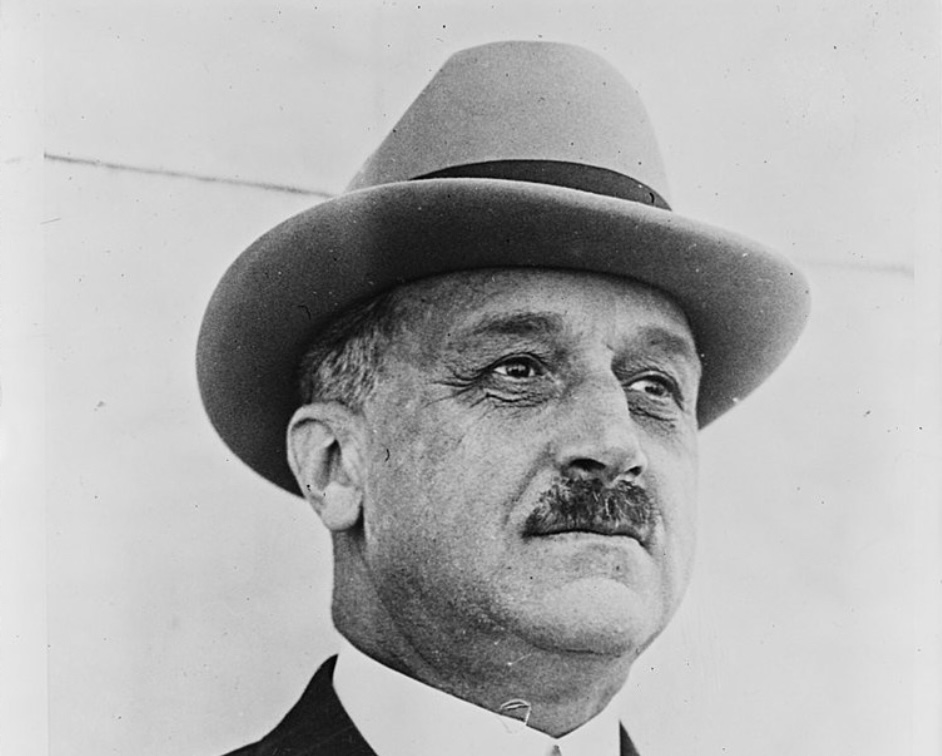
The true progenitor of Bank of America is undoubtedly Amadeo Pietro Giannini. Born in 1870 to Italian immigrant parents in San Jose, California, Giannini’s early life was marked by hard work and an innate understanding of the needs of the working class and immigrant communities. Dissatisfied with the elitist and exclusionary practices of traditional banks that often ignored these segments of the population, Giannini embarked on a mission to create a financial institution that would serve everyone, regardless of their social standing or wealth.
A Humble Beginning with a Grand Vision
In 1904, Giannini founded the Bank of Italy in a converted saloon in San Francisco’s North Beach neighborhood. This was not merely another bank; it was a radical departure from the norm. At a time when established banks catered almost exclusively to the wealthy and large corporations, Giannini saw an untapped market: the thousands of ordinary citizens, small business owners, farmers, and immigrants who were deemed too risky or insignificant by the banking establishment. His vision was clear: to offer basic banking services like savings accounts and small loans to the everyday person, fostering economic opportunity and financial inclusion. This fundamental principle of broad accessibility and community support remains a core, albeit often challenged, tenet of the institution’s DNA.
Serving the Underserved: The Immigrant Community Focus
Giannini’s profound understanding of the immigrant experience fueled his banking philosophy. He recognized that immigrants, often facing language barriers and discrimination, struggled to access credit and build wealth through conventional channels. The Bank of Italy deliberately courted these communities, offering services in multiple languages and demonstrating a willingness to understand their unique financial circumstances. This approach was revolutionary. Instead of demanding significant collateral, Giannini often relied on character assessments and the potential for future earnings, a stark contrast to the stringent requirements of his competitors. This inclusive strategy not only built a loyal customer base but also empowered countless individuals and families to participate in the American dream, contributing to the economic vitality of the region.
Resilience in Adversity: The 1906 Earthquake and Beyond
Giannini’s leadership and the innovative spirit of the Bank of Italy were put to the ultimate test in 1906 when a devastating earthquake and subsequent fires ravaged San Francisco. While other banks, with their safes buried under rubble, struggled to resume operations, Giannini demonstrated remarkable foresight and resilience. He quickly set up a makeshift bank on a plank across two barrels on the San Francisco docks, operating with a handcart full of cash he had foresightedly moved to his home before the disaster. He issued loans based on handshake agreements, prioritizing the reconstruction efforts and the immediate needs of the community. This act of faith and quick action not only cemented the bank’s reputation as a reliable and community-focused institution but also allowed San Francisco to rebuild much faster than otherwise possible, showcasing the profound impact a forward-thinking financial institution can have during times of crisis. This event underscored Giannini’s conviction that a bank’s success was inextricably linked to the prosperity of its customers and the wider community.
Forging a National Presence: Expansion, Mergers, and a New Identity
Giannini’s success with the Bank of Italy quickly demonstrated the viability of his “people’s bank” model. He understood that to truly serve a growing nation, his bank could not remain a regional entity. His ambition stretched beyond California, envisioning a financial network that could provide comprehensive services across state lines, a concept largely unheard of at the time due to strict banking regulations.
Pioneering Branch Banking and Financial Accessibility
One of Giannini’s most significant contributions to modern banking was his relentless pursuit of branch expansion. While other banks operated as single entities, Giannini believed in bringing banking services directly to the people. He aggressively opened new branches throughout California, a strategy that was initially met with resistance from regulators and established competitors who feared the concentration of financial power. However, Giannini argued that branches made banking more convenient and accessible, crucial for the middle class and rural communities. This pioneering approach to branch banking laid the groundwork for the widespread network we see today, fundamentally changing how consumers interact with their banks and how financial services are delivered. It was a strategic move that anticipated the mass market nature of personal finance.
Strategic Mergers Paving the Way for Bank of America
The transformation from the Bank of Italy to Bank of America was not a singular event but a series of calculated strategic mergers and acquisitions. Giannini’s vision was to create a bank large enough to compete with Wall Street’s established titans while still maintaining its community-focused ethos. A pivotal moment came in 1928 when the Bank of Italy acquired the larger, Los Angeles-based Bank of America. This merger created a formidable institution with a significant presence across California. Giannini then consolidated various other banking interests under this expanded umbrella, meticulously building a financial powerhouse. These were not just acquisitions of assets; they were strategic integrations aimed at leveraging synergies and extending reach, a common practice in modern corporate finance but revolutionary in its scale and execution at the time.

The Iconic Rebranding: From Regional Strength to National Recognition
The final and definitive step in the institution’s metamorphosis occurred in 1930, amidst the Great Depression. Amadeo Giannini formally consolidated all his banking enterprises under a single, unifying name: Bank of America National Trust and Savings Association. This rebranding was more than a mere change of title; it was a declaration of national ambition. “Bank of America” conveyed a sense of scale, trust, and national identity, signaling its intent to become a dominant force in the American financial landscape. Despite the economic turmoil of the era, this bold move underscored Giannini’s confidence in the institution’s future and its role in rebuilding the nation’s economy. The new name resonated with the public, implying a bank for all Americans, truly embodying the original spirit of the Bank of Italy but on a far grander scale.
Evolution Through the Decades: Innovation and Consolidation
While Giannini’s foundational work established Bank of America, its subsequent growth into the behemoth it is today involved continuous innovation, adaptation to technological shifts, and further strategic consolidation, often through mergers and acquisitions that redefined the financial services sector.
Post-War Prosperity and the Rise of Consumer Finance
The period following World War II saw an unprecedented economic boom in the United States, driving a massive expansion in consumer spending and homeownership. Bank of America was ideally positioned to capitalize on this. It played a crucial role in financing the post-war suburbanization through extensive mortgage lending programs, making homeownership accessible to millions of returning servicemen and their families. Furthermore, the bank became a leader in the nascent field of consumer credit, understanding that a strong economy depended on empowering individual purchasing power. This era solidified Bank of America’s reputation as a leader in retail banking and personal finance, directly impacting the financial well-being of the American populace.
Technological Frontrunners: From Credit Cards to Digital Banking
Innovation has been a constant theme in Bank of America’s history. In the mid-20th century, the bank was a pioneer in the development and mass-market introduction of the credit card. Its “BankAmericard,” launched in 1958, was one of the first successful general-purpose credit cards, revolutionizing consumer transactions and laying the groundwork for the global credit card industry. This technological leap dramatically expanded access to credit and reshaped personal finance for millions. As technology evolved, Bank of America continued to adapt, being among the first to introduce ATMs, telephone banking, and later, comprehensive online and mobile banking platforms. These innovations consistently aimed at enhancing customer convenience and accessibility, echoing Giannini’s original commitment to democratizing financial services through technological advancement.
The Modern Bank of America: A Legacy of Strategic Acquisitions
The latter half of the 20th century and the early 21st century saw Bank of America grow primarily through a series of landmark mergers that transformed it into a truly national and global financial institution. While Giannini built the initial framework, subsequent leaders expanded it dramatically. Key among these was the 1998 merger with NationsBank, a large, rapidly growing bank based in Charlotte, North Carolina. This merger, effectively a reverse acquisition where NationsBank acquired BankAmerica and adopted its more recognized name, created a sprawling institution with operations across the United States. Further significant acquisitions included FleetBoston Financial (2004), MBNA (2006), and the controversial acquisition of Merrill Lynch during the 2008 financial crisis. Each of these mergers brought new capabilities, expanded market share, and integrated diverse financial products and services, from investment banking to wealth management, shaping the modern conglomerate that is Bank of America today. This aggressive strategy of inorganic growth is a testament to the complex dynamics of modern business finance and consolidation in the banking sector.
Bank of America’s Enduring Legacy in the Financial World
From its humble beginnings as the Bank of Italy, Amadeo P. Giannini’s vision has blossomed into one of the world’s largest financial institutions. While the company has evolved significantly, undergoing numerous mergers and adapting to an ever-changing financial landscape, the core principles that Giannini instilled continue to resonate through its operations and impact on the global economy.
Impact on Retail Banking and Financial Inclusion
Giannini’s emphasis on serving the average citizen and small businesses set a precedent that profoundly impacted retail banking worldwide. He demonstrated that catering to a broad base of customers, rather than just the wealthy elite, was not only socially responsible but also a highly profitable business model. His pioneering efforts in branch banking and accessible credit transformed the financial industry, forcing competitors to adapt and expand their services to a wider demographic. Today, Bank of America, through its vast network of branches and digital platforms, remains a dominant force in consumer banking, providing essential financial services from checking accounts and credit cards to mortgages and personal loans, reaching millions of households. This ongoing commitment to widespread access to financial tools is a direct legacy of its founder’s ethos.

The Principles That Persist: Giannini’s Influence Today
Even as Bank of America operates on a multinational scale, dealing with complex investment banking, global markets, and wealth management, the foundational principles of Amadeo P. Giannini — customer focus, community engagement, and innovative accessibility — persist. The bank’s commitment to corporate social responsibility, its investments in local communities, and its drive for technological innovation in customer service can all be traced back to his original vision. While the scale and scope of the institution are vastly different from the Bank of Italy, the underlying philosophy of making financial services work for the many, not just the few, remains a powerful, if sometimes challenged, ideal. The story of who started Bank of America is thus not just a historical footnote; it is a testament to the enduring power of a visionary entrepreneur who believed in the transformative potential of finance when put in the service of all people.
aViewFromTheCave is a participant in the Amazon Services LLC Associates Program, an affiliate advertising program designed to provide a means for sites to earn advertising fees by advertising and linking to Amazon.com. Amazon, the Amazon logo, AmazonSupply, and the AmazonSupply logo are trademarks of Amazon.com, Inc. or its affiliates. As an Amazon Associate we earn affiliate commissions from qualifying purchases.