
Modern internal combustion engines are marvels of mechanical precision, constantly balancing power, fuel efficiency, and emissions standards. At the heart of this performance lies the Variable Valve Timing (VVT) system. While the concept of VVT is often discussed in terms of engine performance, the unsung hero that facilitates this entire operation is the VVT solenoid—an electromechanical component that serves as the bridge between the car’s computer and the engine’s mechanical timing. Understanding what this component does, why it fails, and how it impacts your vehicle is essential for any automotive enthusiast or DIY mechanic looking to maintain their vehicle’s longevity.
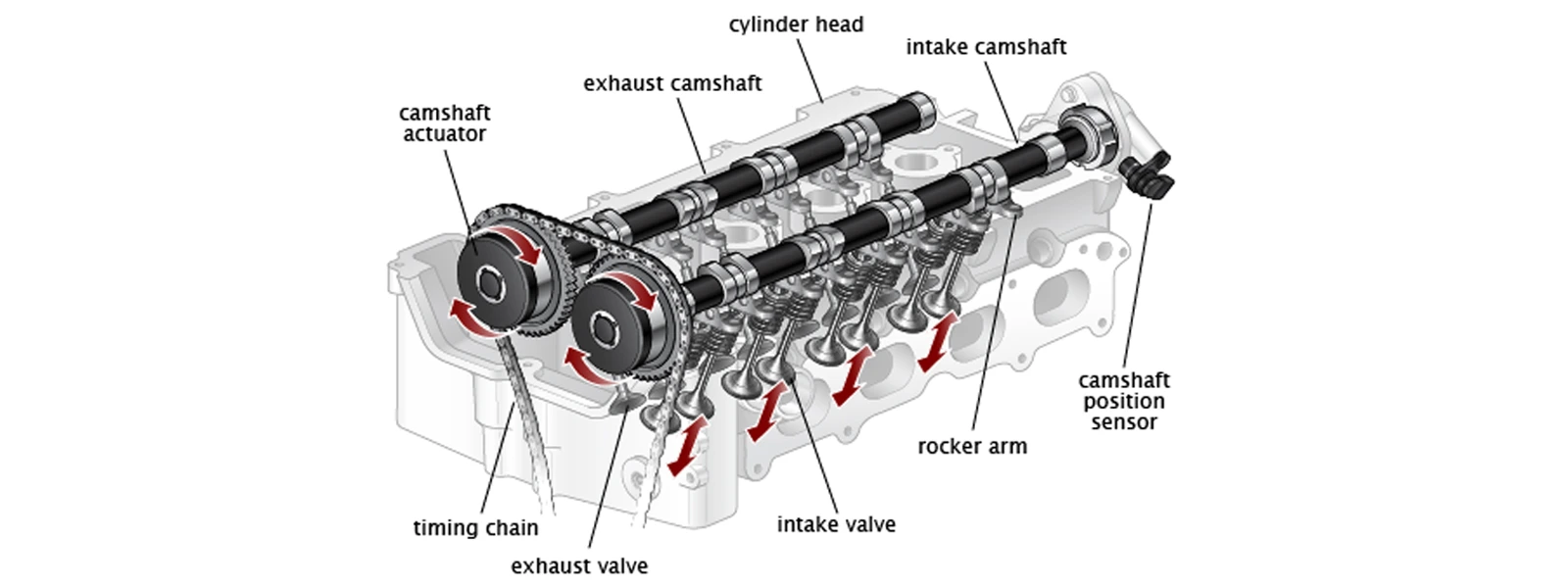
The Mechanical Foundation: How VVT Systems Operate
To understand the solenoid, one must first understand the purpose of Variable Valve Timing. In a traditional engine, the valves—which allow air into the cylinders and exhaust out—open and close at fixed intervals determined by the camshaft. However, an engine needs different timing at low speeds (for torque and idling stability) than it does at high speeds (for maximum power).
VVT systems allow the engine control unit (ECU) to adjust the timing of the valve opening and closing dynamically. By shifting the camshaft position relative to the crankshaft, the engine can optimize “valve overlap”—the period where both intake and exhaust valves are open simultaneously. This optimization reduces pumping losses, improves fuel economy, and broadens the power band.
The Role of Hydraulic Actuation
The physical movement of the camshaft is achieved through hydraulic pressure. Oil from the engine’s lubricating system is directed into a phaser unit mounted on the end of the camshaft. When oil is pumped into specific chambers within the phaser, it pushes the cam to advance or retard its timing. But how does the engine know exactly when to move the oil and how much to use? This is where the VVT solenoid enters the equation.
Defining the VVT Solenoid: The Brain of the Timing System
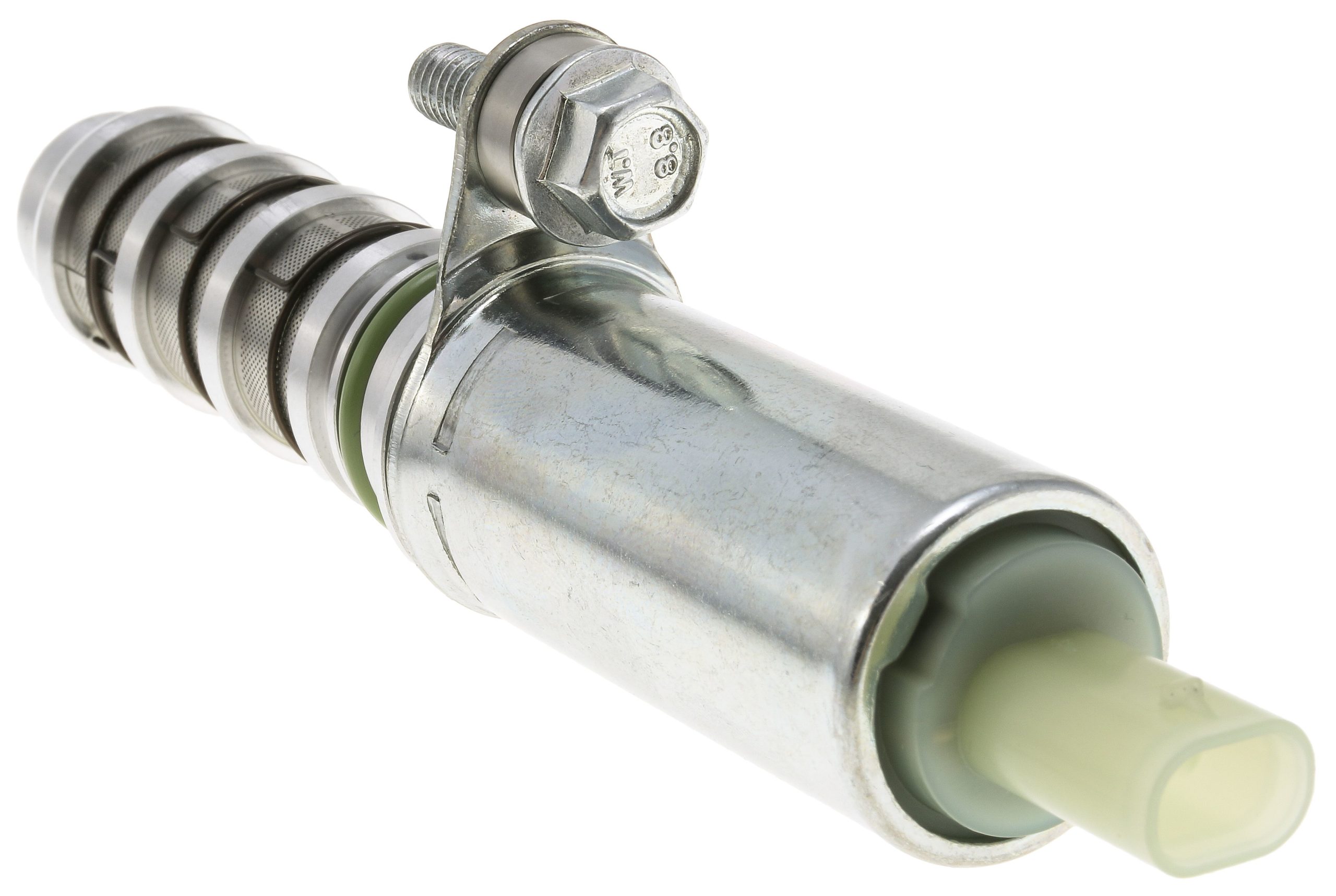
The VVT solenoid is an electro-hydraulic actuator. Physically, it is a small, cylindrical component, often featuring a metal plunger and an electrical connector. It sits directly in the oil circuit that feeds the camshaft phasers.
When the ECU determines that the engine needs to adjust its valve timing—based on inputs from sensors measuring RPM, throttle position, and engine load—it sends an electrical signal (pulse-width modulation) to the VVT solenoid. This signal energizes an internal electromagnetic coil, which pulls a plunger. This movement opens or closes specific oil ports, regulating the flow and pressure of engine oil into the cam phaser.
Precision Control and Feedback Loops
The solenoid acts as a gatekeeper. By modulating the oil flow, it dictates the exact angle of the camshaft. Because it is controlled by the ECU, the VVT solenoid can adjust valve timing in milliseconds. This is a closed-loop system; the ECU monitors the actual position of the camshaft using a camshaft position sensor. If the solenoid fails to move the phaser to the desired position, the ECU immediately detects a discrepancy and logs a diagnostic trouble code (DTC).
Symptoms of a Failing VVT Solenoid
Because the VVT solenoid relies on engine oil for its operation, it is highly susceptible to wear and contamination. When this component begins to fail, the entire VVT system loses its ability to regulate timing, leading to a cascade of observable performance issues.

1. Rough Idling and Engine Stalling
One of the most common signs of a failing solenoid is a rough or erratic idle. If the solenoid gets stuck in an “open” or “closed” position, the valve timing may remain in a setting intended for high-speed operation while the car is stopped. This creates an unstable combustion environment at low RPMs, often causing the engine to shake or, in severe cases, stall when coming to a stop.
2. Reduced Fuel Economy and Sluggish Performance
If the solenoid fails to advance the timing when the engine is under load, the vehicle will feel “gutless.” The engine cannot reach its full potential, and the ECU may compensate by dumping more fuel into the cylinders to maintain power. This leads to a noticeable drop in gas mileage. If you find yourself pressing the gas pedal harder just to maintain highway speeds, a sticking or faulty VVT solenoid is a prime suspect.
3. The Check Engine Light (CEL)
The most definitive sign is the illumination of the Check Engine Light. Common codes associated with VVT solenoids include P0010 through P0016. These codes generally point toward “Camshaft Position Actuator Circuit” errors. When the ECU tries to actuate the solenoid and receives no response, or if the camshaft position does not change as expected, the computer flags the fault to alert the driver.
4. Engine Rattling or Ticking
Because the VVT solenoid controls oil flow, a failure can sometimes lead to a lack of oil pressure within the phaser unit. This can result in a loud rattling or ticking sound, especially during a cold start. This noise is the sound of the mechanical phaser assembly struggling to lock into place due to insufficient hydraulic pressure.
Maintenance and Diagnostic Best Practices
Many VVT solenoid issues are not actually caused by the solenoid itself, but by the condition of the engine oil. Because the solenoid has tiny internal screens designed to filter debris, it is highly sensitive to sludge.
The Importance of Regular Oil Changes
If you use low-quality oil or neglect your oil change intervals, carbon deposits and sludge will inevitably form inside the engine. These particles easily clog the fine mesh screens on the VVT solenoid. Once the screen is blocked, the solenoid cannot receive adequate oil flow, and it will seize. Many mechanics recommend that owners who experience VVT issues perform an engine flush and oil change before replacing the solenoid, as this can sometimes clear the blockage and restore functionality.
Troubleshooting Steps
When diagnosing a potential solenoid failure, a systematic approach is required:
- Scan for Codes: Use an OBD-II scanner to identify the specific error code.
- Inspect Wiring: Before replacing the part, check the electrical harness. Heat and vibration can damage the wires connecting the ECU to the solenoid.
- Oil Check: Check the oil level and color. If the oil is dark, gritty, or milky, the solenoid is likely compromised by contaminants.
- Bench Testing: Many VVT solenoids can be tested by applying 12 volts directly to the pins to see if the plunger clicks open and closed. If it is sluggish or silent, the internal coil is likely burnt out.
DIY Replacement Considerations
For many modern vehicles, the VVT solenoid is located on the top or side of the cylinder head, making it relatively accessible. Replacing one usually involves removing a single retaining bolt and pulling the unit out. However, always consult a service manual, as some engines have multiple solenoids (one for each intake and exhaust camshaft), and specific torque specifications are critical to ensure the unit seals correctly against the cylinder head.
The Future of Valve Timing Technology
As automotive engineering moves toward greater efficiency, the VVT solenoid remains a cornerstone component. While manufacturers are experimenting with fully electric valve actuation (eliminating the need for camshafts and solenoids entirely), the hydraulic-solenoid VVT system remains the industry standard for its balance of cost, reliability, and effectiveness.
By maintaining your engine’s oil system, you are directly extending the life of your VVT solenoid. This small component is the heartbeat of your engine’s efficiency; keeping it clean and functional ensures that your vehicle continues to perform as the manufacturer intended, providing the perfect blend of power and economy for years to come. Recognizing the symptoms of a failing solenoid early not only prevents a frustrating check engine light but also protects the more expensive mechanical components of the valvetrain from premature wear.
aViewFromTheCave is a participant in the Amazon Services LLC Associates Program, an affiliate advertising program designed to provide a means for sites to earn advertising fees by advertising and linking to Amazon.com. Amazon, the Amazon logo, AmazonSupply, and the AmazonSupply logo are trademarks of Amazon.com, Inc. or its affiliates. As an Amazon Associate we earn affiliate commissions from qualifying purchases.