
The Affordable Care Act (ACA), often referred to as Obamacare, fundamentally reshaped the landscape of health insurance in the United States. Its primary goal was to make affordable health coverage accessible to more Americans, largely through government subsidies and expanded Medicaid eligibility. For individuals and families navigating the complexities of healthcare costs, understanding who qualifies for the ACA’s provisions is paramount for sound personal financial planning. Qualification hinges primarily on income, household size, and citizenship status, with several nuances impacting the level of financial assistance available.
Understanding the Foundation of ACA Eligibility
At its core, the ACA established a system designed to ensure that health insurance doesn’t become an insurmountable financial burden. This system is built upon regulated health insurance marketplaces and financial aid for those who meet specific criteria.
The Mandate and Marketplaces
While the individual mandate to have health insurance was effectively eliminated at the federal level, the ACA’s insurance marketplaces (also known as exchanges) remain critical. These are platforms where individuals and families can compare and purchase health insurance plans. Critically, these marketplaces are also the gateway to receiving financial assistance in the form of subsidies, which can significantly reduce the cost of coverage. Eligibility for plans sold on the marketplace is generally open to most U.S. citizens and legal residents who are not incarcerated and do not have access to affordable health coverage through an employer (or choose not to take it).
Core Eligibility Requirements
The fundamental qualifications for purchasing a plan through the ACA marketplace are broad:
-
Citizenship/Residency: Applicants must be U.S. citizens or nationals, or lawfully present immigrants.
-
Geographic Location: Must live in the U.S.
-
Incarceration Status: Cannot be currently incarcerated.
-
Medicare Eligibility: Cannot already be enrolled in Medicare. This is a crucial point, as Medicare is a separate federal health insurance program for seniors and certain disabled individuals.
Beyond these basic requirements, the key to unlocking the ACA’s financial benefits lies in a detailed assessment of income and household composition.
Deciphering Income and Household for Subsidies
The most impactful factor determining eligibility for financial assistance under the ACA is your household income relative to the Federal Poverty Level (FPL). This metric dictates access to both premium tax credits and cost-sharing reductions, which are vital for making insurance truly affordable.
Modified Adjusted Gross Income (MAGI) Explained
When the ACA assesses your income for subsidy eligibility, it doesn’t just look at your gross pay. Instead, it uses a specific calculation known as Modified Adjusted Gross Income (MAGI). For most people, ACA MAGI is very similar to the Adjusted Gross Income (AGI) found on their federal income tax return. However, it specifically adds back certain tax-exempt interest, foreign earned income, and non-taxable Social Security benefits, though these additions apply to a minority of taxpayers.
Understanding your MAGI is crucial for financial planning related to health insurance. It’s the figure that determines your subsidy level and therefore your monthly premium obligation. Many online calculators and tax software can help estimate your MAGI, and it’s wise to project it accurately, especially if your income fluctuates, to avoid discrepancies that could lead to repaying subsidies at tax time.
Federal Poverty Level (FPL) and Subsidy Tiers
The FPL is a set of income thresholds issued annually by the U.S. Department of Health and Human Services. It varies based on household size and is a critical benchmark for numerous federal programs, including the ACA. Eligibility for subsidies is expressed as a percentage of the FPL.
Historically, Premium Tax Credits (PTCs) were available to individuals and families with MAGI between 100% and 400% of the FPL. However, with recent legislative changes like the American Rescue Plan Act and the Inflation Reduction Act, these caps have been temporarily removed or adjusted, meaning more people higher up the income scale may qualify for some level of subsidy, particularly if their healthcare premiums are a significant portion of their income.
The lower your income relative to the FPL, the larger the subsidy you typically receive, aiming to cap your premium contribution at a specific percentage of your MAGI.
Defining Your Household for ACA Purposes
Your “household” for ACA purposes might not perfectly align with how you traditionally define it. It includes you, your spouse (if married and filing jointly), and anyone you claim as a dependent on your federal income tax return. This definition is important because it directly impacts both your FPL percentage and the number of individuals your MAGI is supporting, thus influencing the amount of financial assistance you receive. For instance, a single individual earning $40,000 might be at a higher FPL percentage than a family of four earning $60,000, leading to different subsidy levels.
Exploring Financial Assistance: Premium Tax Credits and Cost-Sharing Reductions
The ACA’s financial aid mechanisms are designed to tackle two major aspects of healthcare costs: the monthly premiums and the out-of-pocket expenses when you use medical services.

How Premium Tax Credits Reduce Monthly Premiums
Premium Tax Credits (PTCs) are the most widely utilized form of ACA financial assistance. These are government subsidies that reduce the amount you pay each month for your health insurance premium. When you apply through the marketplace, if you qualify, you can choose to have these credits paid directly to your insurance company on your behalf, reducing your monthly bill instantly. Alternatively, you can pay the full premium each month and claim the entire credit as a refundable tax credit when you file your federal income tax return. Most people opt for the upfront payment to ease their monthly budget.
The amount of your PTC is calculated on a sliding scale based on your projected MAGI and household size relative to the FPL. The goal is to limit the percentage of your income you spend on premiums to a specific threshold, ensuring that coverage remains affordable. Accurately estimating your income for the upcoming year is vital here; if your actual income is significantly different from your estimate, you may either owe money back to the IRS or receive a larger refund at tax time.
Cost-Sharing Reductions: Lowering Out-of-Pocket Costs
Beyond premium subsidies, some individuals and families may also qualify for Cost-Sharing Reductions (CSRs). Unlike PTCs, which lower your monthly premiums, CSRs reduce the amount you have to pay when you actually use healthcare services. This means lower deductibles, copayments, coinsurance, and out-of-pocket maximums. CSRs are a powerful tool for improving financial predictability and reducing the burden of unexpected medical expenses.
To qualify for CSRs, your MAGI must generally be between 100% and 250% of the FPL. However, you must also enroll in a “Silver” level plan on the marketplace. Silver plans, by law, cover about 70% of average medical costs, but with CSRs, a Silver plan can effectively cover 73%, 87%, or even 94% of average medical costs, depending on your income level. This makes Silver plans with CSRs an incredibly financially advantageous option for those who qualify.
The Income Thresholds for Maximum Savings
To maximize savings through both PTCs and CSRs, understanding the income thresholds is key. For CSRs, the 250% FPL mark is crucial. For PTCs, while the upper income limit has been temporarily lifted or significantly eased, lower income percentages (e.g., 100-150% FPL) typically yield the most substantial premium reductions, potentially resulting in very low or even $0 monthly premiums. Keeping track of FPL updates annually and accurately projecting your MAGI are essential financial habits for optimizing your health insurance costs.
Life Changes and Special Enrollment Periods
Life is unpredictable, and the ACA system accounts for this through Special Enrollment Periods (SEPs). These allow individuals to enroll in or change their health plans outside of the annual Open Enrollment Period, ensuring that significant life events don’t leave people uninsured or with inadequate coverage.
Qualifying Life Events
A Qualifying Life Event (QLE) triggers an SEP, typically giving you 60 days from the event to enroll or change plans. These events often have direct financial implications and necessitate a review of health coverage:
-
Changes in Household: Marriage, divorce, birth of a child, adoption, or placing a child for adoption or foster care. These events directly alter your household size and potentially your FPL percentage, making a reassessment of coverage and subsidies crucial for your budget.
-
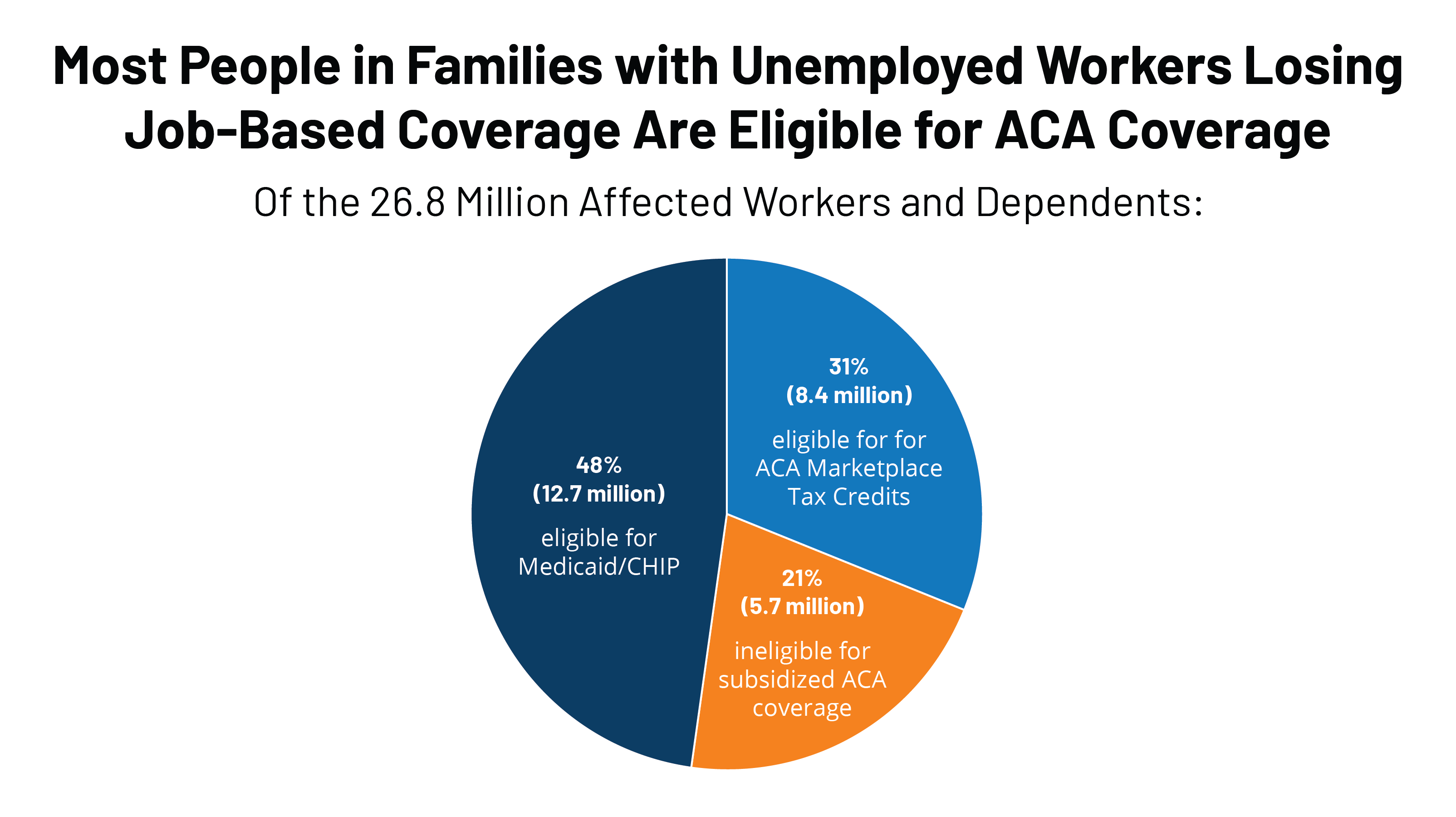
Loss of Health Coverage: Losing job-based coverage, expiration of COBRA benefits, turning 26 and coming off a parent’s plan, or losing eligibility for Medicaid or CHIP. This is a critical financial safety net, allowing continuity of coverage without gaps that could lead to significant medical debt.
-
Change in Residence: Moving to a new county or state that offers different health plans. Your network of doctors and hospitals might change, and new plans could offer better financial value.
-
Changes in Income: While not always a direct QLE for an SEP to enroll, a significant income change can alter your subsidy eligibility. If your income drops substantially, you might qualify for more subsidies, warranting an update to your marketplace application. Conversely, a significant increase in income should prompt an update to avoid owing back subsidies.
-
Other Events: Gaining citizenship, release from incarceration, or becoming a recognized member of a federally recognized tribe.
Understanding these QLEs is vital for effective financial planning, as they prevent costly gaps in coverage and allow you to adjust your insurance to match your current financial reality.
Navigating Enrollment Outside Open Enrollment
When a QLE occurs, you typically have 60 days to act. It’s crucial to gather necessary documentation to prove the QLE and quickly update your application on the marketplace. Missing this window means you’ll have to wait until the next Open Enrollment Period, potentially leaving you exposed to high medical costs or without insurance for an extended period. For savvy financial planners, leveraging SEPs means optimizing coverage and cost when life throws a curveball.
Beyond Federal Guidelines: State Variations and Medicaid Expansion
While the federal ACA framework sets national standards, states have significant leeway in how they implement certain aspects, particularly regarding Medicaid expansion. This creates a patchwork of eligibility rules that can impact who qualifies for different types of assistance.
The Role of State Marketplaces
Some states operate their own health insurance marketplaces (e.g., Covered California, NY State of Health), while others use the federal marketplace, healthcare.gov. While the core federal subsidy rules apply across the board, state-run marketplaces may offer additional plan options or state-specific assistance programs. It’s always advisable to check your state’s specific marketplace to understand all available financial tools and programs. These state-level initiatives can sometimes provide further layers of financial protection or expanded eligibility for certain populations.

Medicaid Expansion: A Crucial Safety Net
One of the most significant state-level variations under the ACA is whether a state expanded its Medicaid program. In states that did expand Medicaid, individuals and families with incomes up to 138% of the FPL typically qualify for Medicaid. This program provides comprehensive, low-cost (often free) health coverage. For those in expanded states, if your income falls below 138% FPL, you generally qualify for Medicaid instead of marketplace subsidies.
However, in states that did not expand Medicaid, there’s a significant coverage gap. Individuals in these states with incomes below 100% of the FPL (who are not otherwise eligible for traditional Medicaid programs) typically do not qualify for marketplace subsidies (which historically started at 100% FPL) and also do not qualify for Medicaid. This leaves a vulnerable population with few affordable health insurance options, posing a substantial financial risk. Understanding your state’s Medicaid expansion status is therefore critical for personal financial planning around healthcare.
In conclusion, qualifying for the ACA involves a careful assessment of citizenship, income, household size, and specific life circumstances. By understanding MAGI, the FPL, and the various financial assistance programs like Premium Tax Credits and Cost-Sharing Reductions, individuals and families can make informed decisions that safeguard their health and their financial well-being. Keeping abreast of changes in federal legislation and state-specific programs is an ongoing financial management task for anyone relying on the ACA for affordable healthcare.
aViewFromTheCave is a participant in the Amazon Services LLC Associates Program, an affiliate advertising program designed to provide a means for sites to earn advertising fees by advertising and linking to Amazon.com. Amazon, the Amazon logo, AmazonSupply, and the AmazonSupply logo are trademarks of Amazon.com, Inc. or its affiliates. As an Amazon Associate we earn affiliate commissions from qualifying purchases.