
Federal income tax is a cornerstone of the U.S. financial system, an annual obligation for millions of individuals and businesses that underpins the vast machinery of government services and operations. Yet, despite its pervasive influence, the precise mechanics of “who pays” and “how much” often remain shrouded in complexity. This article aims to demystify the federal income tax landscape, providing an insightful and professional overview of the various entities responsible for contributing to this essential revenue stream, and the economic principles that govern its distribution.
Understanding who shoulders the federal income tax burden is not merely an academic exercise; it’s crucial for comprehending economic policy, appreciating the funding mechanisms of public services, and making informed personal and business financial decisions. From the individual wage earner to multinational corporations, the tax code delineates a comprehensive framework, albeit one subject to constant debate and revision, for collecting the funds necessary to power the nation.
The Broad Base: Individuals and Households
The most visible and numerous payers of federal income tax are undoubtedly individuals and households. Every year, millions of Americans file their Form 1040, reporting their income and calculating their tax liability. This segment forms the largest source of federal income tax revenue, reflecting the collective economic activity of the nation’s workforce and consumers.
The Progressive Tax System
The U.S. federal income tax system for individuals is designed to be progressive. This means that as an individual’s taxable income increases, they are subject to higher marginal tax rates. The system is structured with various income brackets, each associated with a specific tax rate. It’s important to note that the progressive nature applies to marginal rates, not necessarily to the entire income. For example, income falling into a lower bracket is taxed at that lower rate, while only income exceeding that bracket’s threshold is taxed at the higher rate. This design aims to distribute the tax burden more heavily on those with greater financial capacity, theoretically enhancing income equality and providing a safety net for lower-income households. However, debates about the fairness and optimal progression of these brackets are a constant feature of economic policy discussions.
Filing Status and Deductions
An individual’s federal income tax liability is not solely determined by their gross income. Various factors, prominently their filing status and eligible deductions, significantly influence the final amount owed. Filing statuses—such as Single, Married Filing Jointly, Married Filing Separately, Head of Household, and Qualifying Widow(er)—determine standard deduction amounts and the specific income tax brackets applied. Each status reflects different household structures and comes with unique tax implications.
Beyond filing status, taxpayers can reduce their taxable income through deductions. These can be standard deductions, a fixed amount based on filing status, or itemized deductions, which allow taxpayers to subtract specific expenses like mortgage interest, state and local taxes (up to a limit), medical expenses exceeding a certain percentage of adjusted gross income, and charitable contributions. The choice between standard and itemized deductions depends on which method yields a greater reduction in taxable income for the individual, highlighting the importance of meticulous record-keeping and understanding the nuances of tax law. The interplay of these factors means that individuals with similar gross incomes might end up paying vastly different amounts of federal income tax.
Impact of Income Level
The impact of income level on federal income tax payments is profound and multifaceted. While the progressive rate structure ensures that higher earners face higher marginal rates, the total effective tax rate (total tax paid divided by total income) can also vary due to a multitude of factors beyond just income brackets. Tax credits, for instance, directly reduce the amount of tax owed, dollar for dollar, and often benefit lower and middle-income individuals more significantly (e.g., Child Tax Credit, Earned Income Tax Credit). Conversely, certain types of income primarily earned by high-net-worth individuals, such as long-term capital gains, may be taxed at different, often lower, rates than ordinary income. This complex interaction of rates, deductions, and credits means that while the system is designed to be progressive, the actual distribution of the tax burden across different income levels is a subject of ongoing analysis and policy adjustments.
Corporate America’s Contribution
Beyond individuals, corporations represent another significant payer of federal income tax. The corporate income tax is levied on the profits of businesses operating within the U.S. or deriving income from U.S. sources. This component of the tax system targets legal entities distinct from their owners, recognizing their separate economic existence and capacity to generate wealth.
Understanding Corporate Income Tax
Corporate income tax is imposed on a corporation’s taxable income, which is generally calculated as its gross income less allowable deductions for business expenses. Unlike the progressive individual income tax, the U.S. federal corporate income tax currently operates with a flat rate of 21% on taxable profits, following the Tax Cuts and Jobs Act of 2017. Before this reform, the corporate tax system featured a progressive structure with rates climbing as high as 35%. The shift to a flat rate was intended to make the U.S. more competitive globally and simplify the tax code, but it has sparked considerable debate regarding its fairness and economic impact.
Corporations must diligently track their revenues and expenses to accurately report their taxable income. This includes factoring in depreciation of assets, interest payments, salaries, and other operational costs. The resulting profit, after these deductions, is then subject to the federal corporate tax rate.
Tax Planning and Loopholes
For corporations, strategic tax planning is an integral part of financial management. Companies employ various legitimate strategies to minimize their tax liabilities, often referred to as tax planning. This can involve optimizing depreciation schedules, structuring mergers and acquisitions in a tax-efficient manner, or utilizing tax credits designed to incentivize certain activities like research and development or investment in specific industries.
However, the complexity of tax law can also give rise to “loopholes” – provisions or interpretations that allow some corporations to significantly reduce their tax burden in ways not necessarily intended by policymakers. Examples include sophisticated international tax structures that shift profits to lower-tax jurisdictions, or specific deductions and credits that disproportionately benefit certain industries. The existence of these mechanisms is a constant source of public and political scrutiny, leading to ongoing efforts to reform the corporate tax code to ensure what many perceive as a fairer and more equitable contribution from all businesses. The debate often revolves around distinguishing between legitimate tax avoidance (legal minimization) and tax evasion (illegal non-payment).
The Debate Over Corporate Tax Burden
The question of who ultimately bears the burden of corporate income tax is a complex economic debate. While corporations legally pay the tax, economists often discuss whether the cost is actually passed on to shareholders through lower dividends or stock prices, to consumers through higher prices, or to employees through lower wages. The incidence of corporate tax is a critical factor in policy discussions, as it influences opinions on whether corporate tax rates should be raised or lowered.
Advocates for lower corporate taxes argue that it stimulates investment, creates jobs, and makes businesses more competitive globally, ultimately benefiting the economy and individuals. They suggest that a significant portion of the corporate tax burden falls on workers and consumers. Conversely, proponents of higher corporate taxes argue that corporations, particularly large and profitable ones, should contribute more to public services and that lower rates exacerbate income inequality. They often contend that the burden predominantly falls on shareholders. Understanding this debate is crucial for appreciating the political and economic implications of corporate tax policy.
Beyond Wages: Other Taxable Income Sources
While wages and corporate profits form the bulk of federal income tax revenue, the U.S. tax code is comprehensive, extending its reach to a diverse array of income sources beyond traditional employment or standard business operations. These categories ensure that wealth generated through various economic activities contributes to the federal coffers.
Capital Gains and Investment Income
A significant portion of federal income tax is also derived from capital gains and various forms of investment income. Capital gains occur when an asset, such as stocks, bonds, real estate, or other property, is sold for a price higher than its original purchase cost. These gains are typically categorized as either short-term (for assets held one year or less) or long-term (for assets held for more than one year). Short-term capital gains are usually taxed at an individual’s ordinary income tax rates, while long-term capital gains generally benefit from lower, preferential tax rates, designed to encourage long-term investment.
Beyond capital gains, other forms of investment income subject to federal tax include dividends received from stocks, interest earned from savings accounts, bonds, and other debt instruments, as well as royalties from intellectual property. The taxation of these income streams varies depending on the type of investment and the investor’s overall income level, adding another layer of complexity to the federal tax system. High-net-worth individuals, who typically derive a larger share of their income from investments, often pay a substantial portion of their federal income tax through these mechanisms.
Self-Employment and Business Income
Individuals who are self-employed or operate their own businesses (e.g., sole proprietors, partners in a partnership, or members of an LLC taxed as a partnership) also pay federal income tax on their business profits. This income is typically reported on Schedule C (Profit or Loss From Business) or Schedule K-1 (Partner’s Share of Income, Deductions, Credits, etc.) and then flows through to their individual Form 1040. In addition to regular income tax, self-employed individuals are also responsible for paying self-employment tax, which covers their contributions to Social Security and Medicare. This is essentially equivalent to the FICA taxes (Social Security and Medicare) that are withheld from the wages of traditional employees, but for the self-employed, they pay both the employee and employer portions. This makes self-employment tax a significant component of their overall federal tax burden.
Rental and Royalty Income
Income derived from real estate rentals or royalties from intellectual property (such as books, music, or patents) is another taxable source. Landlords report their rental income and deduct allowable expenses (e.g., mortgage interest, property taxes, repairs, depreciation) to arrive at their net taxable rental income. Similarly, individuals receiving royalties from creative works or natural resource extraction report this income, often after deducting associated expenses. These income streams contribute to an individual’s total adjusted gross income and are subject to federal income tax at their applicable marginal rates, further broadening the base of those who contribute to the federal treasury.
The Role of Tax Policy and Economic Impact
Federal income tax is more than just a mechanism for collecting revenue; it’s a powerful tool of economic policy, designed to influence behavior, redistribute wealth, and fund collective goods. The way it is structured and implemented has profound implications for individuals, businesses, and the economy as a whole.
Distributive Effects of Taxation
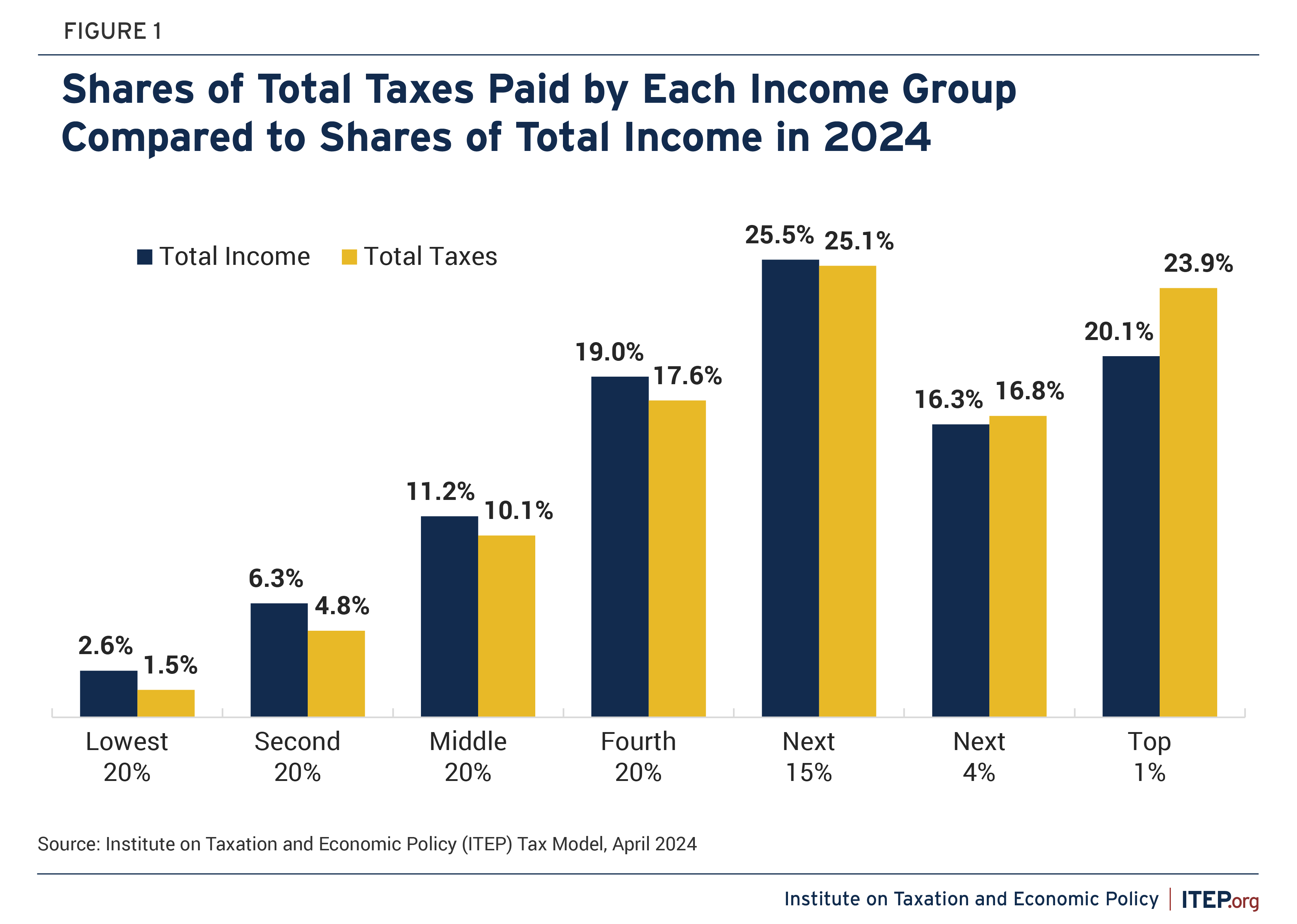
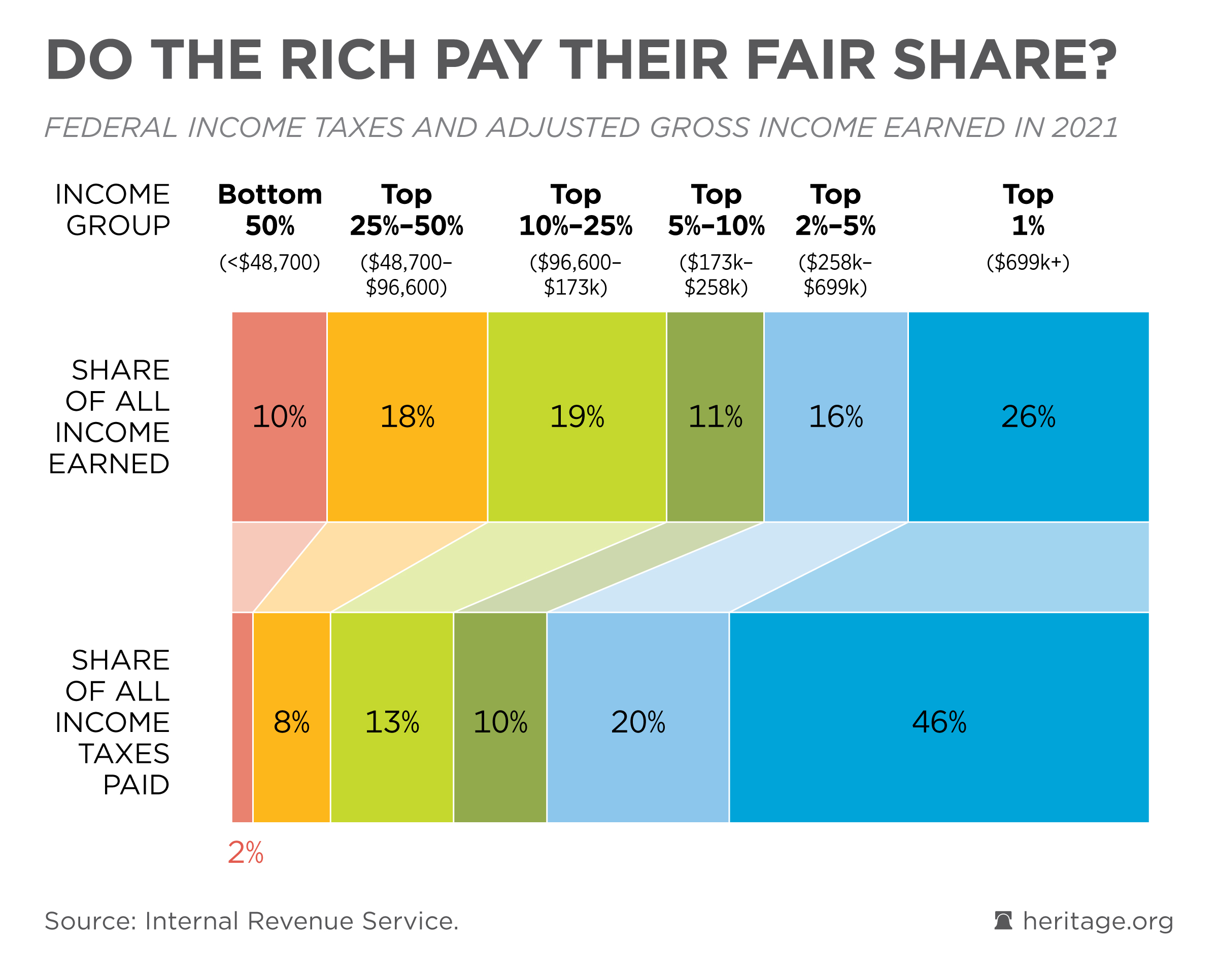
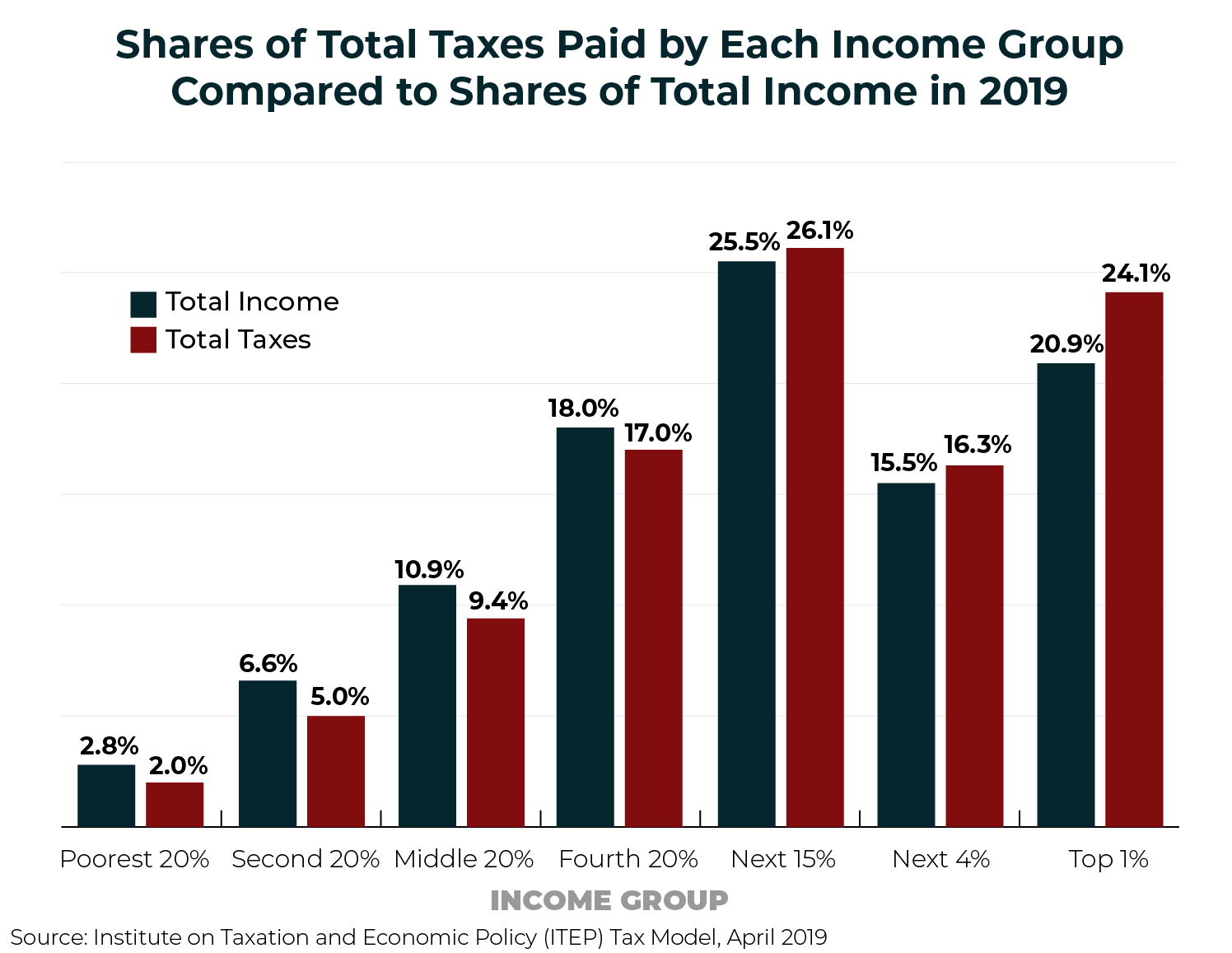
One of the primary objectives of federal income tax policy is to achieve certain distributive effects—that is, how the overall tax burden is shared across different income groups. As previously discussed, the progressive nature of the individual income tax system aims to ensure that higher earners contribute a larger percentage of their income. However, the true distributive impact is influenced by various factors, including tax expenditures (tax breaks that benefit specific activities or groups), the effective tax rates for different income brackets, and the incidence of corporate taxes. Policymakers frequently debate and adjust the tax code to either enhance progressivity or stimulate economic growth, often balancing these competing objectives. Analyzing who benefits from tax cuts versus who bears the brunt of tax increases is a core aspect of understanding the distributive effects.
Tax Expenditures and Incentives
Federal income tax policy also utilizes “tax expenditures” – provisions in the tax code that reduce tax liabilities for certain activities or types of taxpayers. These are essentially government spending programs delivered through the tax system. Examples include deductions for home mortgage interest, tax credits for energy-efficient home improvements, or tax breaks for charitable contributions. While these provisions reduce the amount of federal income tax collected, they are intended to incentivize specific behaviors deemed socially or economically beneficial. For instance, the mortgage interest deduction aims to encourage homeownership, while research and development tax credits aim to foster innovation. These expenditures represent a substantial amount of foregone revenue and are often a point of contention, with debates revolving around their effectiveness, fairness, and whether they disproportionately benefit certain income groups or industries.
Funding Public Services
Ultimately, the federal income tax paid by individuals and corporations serves as the primary funding source for the vast array of public services provided by the U.S. government. This revenue supports national defense, infrastructure projects (roads, bridges, airports), social safety nets (Social Security, Medicare, Medicaid), education, scientific research, public health initiatives, and the operations of all federal agencies. Without these funds, the government would be unable to provide the essential services and stability that underpin a modern society and economy. Understanding who pays federal income tax is, therefore, synonymous with understanding who contributes to the collective well-being and the maintenance of shared national resources.
Navigating Your Tax Obligations: Key Considerations
For every individual and business, navigating federal income tax obligations requires careful attention and proactive management. The complexity of the tax code and its continuous evolution necessitate ongoing engagement and, often, professional guidance.
Record Keeping and Compliance
Diligent record keeping is perhaps the most fundamental aspect of federal income tax compliance. Taxpayers are required to maintain accurate records of all income sources, deductions, credits, and expenses for a period of several years. This documentation is crucial not only for correctly preparing tax returns but also for substantiating claims in the event of an audit by the Internal Revenue Service (IRS). Failing to keep adequate records can lead to errors, penalties, and significant complications. Modern financial tools and software can assist in organizing these records, but the ultimate responsibility rests with the taxpayer. Compliance extends beyond just accurate reporting; it also involves timely filing and payment of taxes to avoid interest and penalty charges.
Seeking Professional Guidance
Given the intricate nature of federal income tax law, many individuals and businesses find it invaluable to seek professional guidance. Certified Public Accountants (CPAs), enrolled agents, and tax attorneys possess specialized knowledge and experience to help taxpayers navigate complex situations, identify eligible deductions and credits, and ensure compliance. Professional tax preparers can offer strategic advice, assist with tax planning for future financial goals, and represent clients during IRS inquiries or audits. While various software programs and online tools can facilitate self-preparation for straightforward returns, the value of a qualified professional often becomes apparent for those with multiple income streams, significant investments, business interests, or major life changes that impact their tax situation.
The Evolving Tax Landscape
The federal income tax landscape is not static; it is an ever-evolving system shaped by legislative changes, economic conditions, and societal priorities. Congress frequently amends the tax code, introducing new laws, repealing old ones, and modifying rates, deductions, and credits. These changes can have a significant impact on who pays federal income tax and how much they pay. For instance, major reforms like the Tax Cuts and Jobs Act of 2017 dramatically altered corporate and individual tax structures. Staying informed about these changes, either through personal research or by relying on professional advice, is essential for effective tax planning and ensuring ongoing compliance. The dynamic nature of the tax code underscores the importance of a flexible and informed approach to managing one’s tax obligations.
Conclusion
The question of “who pays federal income tax” reveals a multifaceted answer, encompassing nearly every economically active individual and entity within the United States. From the individual wage earner contributing through a progressive income tax system to corporations paying on their profits, and investors paying on capital gains, the federal income tax system is a complex tapestry designed to gather the necessary resources to fund national priorities. Understanding the intricate roles played by various taxpayers, the policy considerations behind tax structures, and the continuous evolution of tax law is essential for all stakeholders. This collective contribution underpins the vast machinery of government, making federal income tax an indispensable pillar of the nation’s financial and social infrastructure.
aViewFromTheCave is a participant in the Amazon Services LLC Associates Program, an affiliate advertising program designed to provide a means for sites to earn advertising fees by advertising and linking to Amazon.com. Amazon, the Amazon logo, AmazonSupply, and the AmazonSupply logo are trademarks of Amazon.com, Inc. or its affiliates. As an Amazon Associate we earn affiliate commissions from qualifying purchases.