
The color purple, a captivating hue that sits at the crossroads of red and blue, has long been imbued with a rich tapestry of meanings, often evoking royalty, luxury, spirituality, and creativity. Within the realm of Brand Strategy, the selection and application of purple can be a powerful differentiator, subtly influencing consumer perception and shaping a brand’s identity. This article will delve into the multifaceted meanings of purple and explore how brands strategically leverage this enigmatic color to communicate specific values, connect with target audiences, and ultimately, build a memorable and impactful presence in the marketplace.
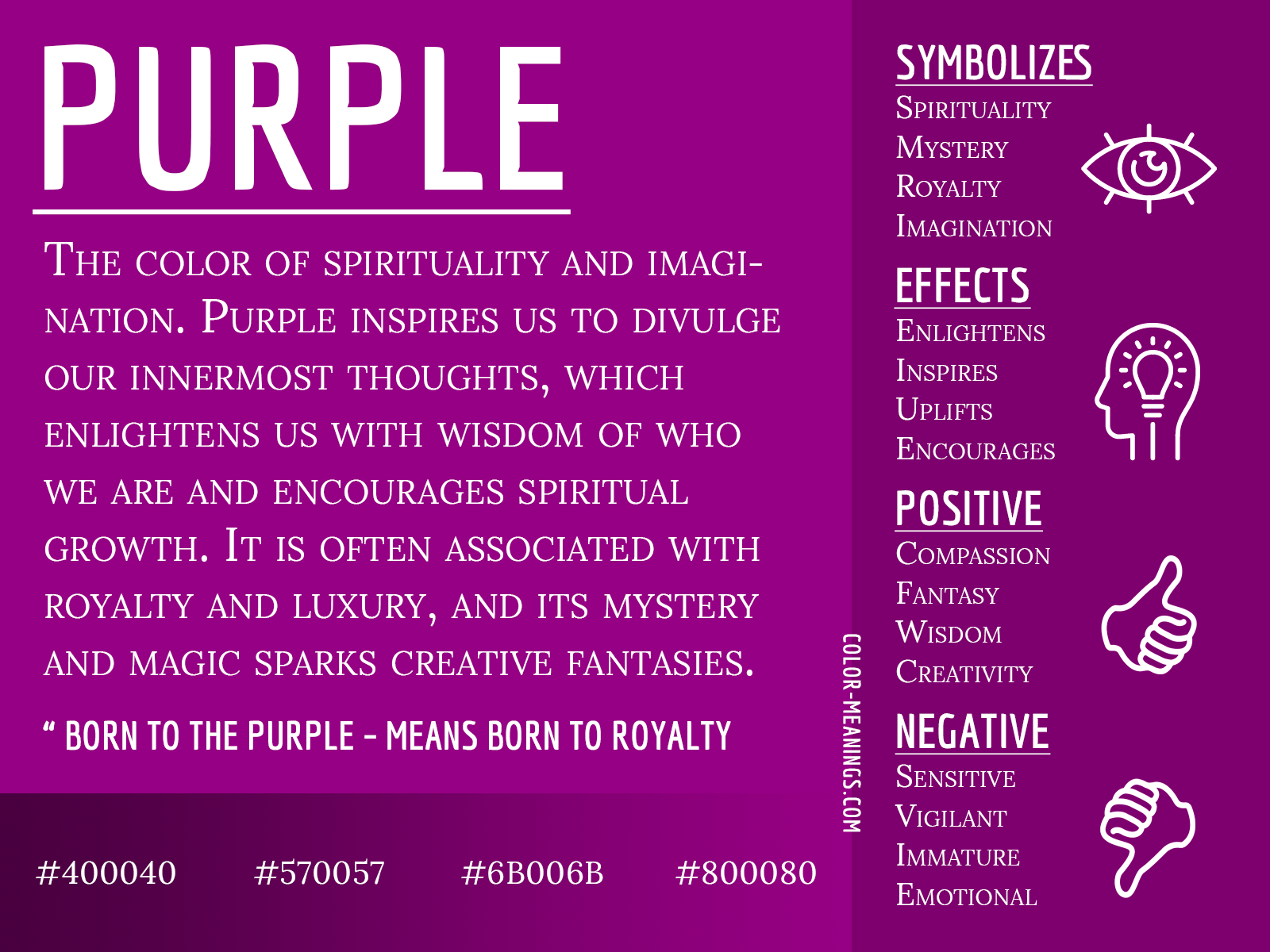
The Psychological and Symbolic Resonance of Purple
Purple is a color that has transcended simple aesthetics to become deeply embedded in our cultural and psychological understanding. Its rarity in nature, particularly in its vibrant, saturated forms, has historically contributed to its association with exclusivity and prestige.
Royalty, Luxury, and Prestige
Historically, the creation of purple dye, specifically Tyrian purple, was an incredibly labor-intensive and expensive process, derived from a specific species of sea snail. This made it accessible only to the wealthiest and most powerful individuals, most notably royalty and the high clergy in ancient civilizations. The association with emperors, kings, and queens is deeply ingrained, signifying wealth, power, and elevated status.
For brands, this translates into an immediate cue of luxury, exclusivity, and premium quality. When purple is employed in branding, especially in darker, richer shades, it can signal to consumers that the product or service is high-end, sophisticated, and perhaps even aspirational. This is why we often see purple used by luxury fashion houses, high-end cosmetics, and premium spirits. It whispers of opulence without needing to shout.
Spirituality, Mystery, and the Divine
Beyond the earthly realm of power and wealth, purple also carries strong connotations of spirituality, mysticism, and the divine. Its position between the fiery passion of red and the calm stability of blue allows it to represent a balance between the physical and the ethereal, the tangible and the intangible. It is often associated with intuition, contemplation, and inner wisdom.
In a branding context, this spiritual dimension can be leveraged by companies aiming to evoke a sense of wonder, creativity, or profound experience. Brands in the wellness industry, for instance, might use purple to convey a sense of calm, mindfulness, and connection to something greater. Similarly, brands that foster creativity, innovation, or artistic expression can find purple a fitting choice to communicate their ethos of imagination and inspiration. The enigmatic nature of purple can also lend itself to brands that seek to build an aura of mystery or intrigue, encouraging curiosity and deeper engagement.
Strategic Applications of Purple in Brand Identity
The effective integration of purple into a brand’s visual identity requires a nuanced understanding of its varied meanings and how they align with the brand’s core message and target audience. It’s not simply about slapping a purple logo on a product; it’s about intentionality and strategic execution.
Conveying Trustworthiness and Innovation
While often associated with luxury, purple can also be skillfully used to convey a sense of trustworthiness and innovation, particularly when blended with other colors. A brighter, more electric shade of purple, often paired with white or silver, can communicate forward-thinking ideas and a modern, cutting-edge approach. This is especially relevant for technology companies or brands that pride themselves on being at the forefront of their respective industries.
Consider brands that aim to inspire confidence and reliability while simultaneously pushing boundaries. Purple, in these instances, can serve as a visual bridge between established credibility and futuristic vision. It suggests a company that is both grounded in solid principles and unafraid to explore new possibilities. This duality makes it a potent color for sectors that require both trust and a sense of progress, such as financial services that are embracing digital transformation or healthcare providers offering advanced treatments.
Appealing to Creativity and Imagination
Purple is intrinsically linked to creativity and the imagination. It is the color of artists, dreamers, and innovators. This makes it an ideal choice for brands that want to position themselves as fostering or embodying creative expression. This can range from art supplies and design studios to media companies and educational institutions focused on the arts and humanities.
When consumers see purple associated with a brand, they might unconsciously associate it with a space where ideas flourish, where unique perspectives are valued, and where inspiration is readily found. This can be particularly effective in attracting a demographic that identifies with artistic sensibilities or seeks products and services that enhance their own creative pursuits. The color can evoke a sense of playfulness, originality, and a departure from the ordinary, encouraging consumers to explore their own imaginative potential.
Case Studies: Brands That Masterfully Employ Purple
Examining how established brands have successfully incorporated purple into their identities offers invaluable insights into its strategic power. These examples demonstrate the diverse ways in which this color can be deployed to achieve distinct branding objectives.

Cadbury: Indulgence and Comfort
Perhaps one of the most iconic uses of purple in branding is by Cadbury, the renowned chocolate manufacturer. Their signature “Cadbury purple” has become synonymous with indulgence, comfort, and nostalgic sweetness. The rich, velvety shade of their packaging immediately evokes a sense of premium quality and a delightful sensory experience.
Cadbury’s consistent use of this specific hue has built a powerful emotional connection with consumers. It triggers feelings of comfort, familiarity, and a treat to be savored. The color itself has become a shorthand for the brand’s promise of delicious, satisfying chocolate. This exemplifies how a unique shade of purple, consistently applied, can become a powerful brand asset, fostering loyalty and recognition. The color choice taps into the desire for pleasure and simple joys, making their products a go-to for moments of personal indulgence.
Hallmark: Empathy and Connection
Hallmark, a company deeply rooted in expressing emotions and fostering connections, also leverages the evocative power of purple. While not as dominant as Cadbury’s signature shade, purple frequently appears in their branding, particularly in relation to themes of love, friendship, and thoughtful gestures.
Hallmark uses purple to communicate sincerity, warmth, and a gentle, nurturing sentiment. It aligns with their mission of helping people express their feelings and strengthen relationships. The color can evoke a sense of thoughtful consideration and heartfelt sentiment, which are core to the brand’s offerings. This strategic use of purple helps Hallmark position itself as a brand that understands and facilitates the nuances of human connection, reinforcing their image as a trusted partner in life’s important moments.
Prince (The Artist): Boldness and Individuality
While not a traditional corporate brand, the artistic legacy of Prince serves as a powerful testament to the bold and individualistic connotations of purple. Prince famously adopted purple as his signature color, famously declaring “Purple Rain.” This association transcended mere aesthetics; it became a symbol of his unique artistic vision, his unapologetic individuality, and his refusal to be confined by convention.
Prince’s use of purple was electrifying, sensual, and defiant. It signaled a departure from the norm, embracing a spirit of rebellion and unparalleled creativity. For aspiring brands or individuals looking to establish a strong, distinct personal brand, Prince’s unapologetic embrace of purple serves as an inspiration to be bold, authentic, and to carve out a unique identity that resonates with passion and originality. It demonstrates how a color can become an almost inseparable part of an individual’s or a brand’s identity, conveying a powerful and enduring message.
The Nuances of Purple: Shades and Their Impact
The meaning and impact of purple are not monolithic. The specific shade employed can drastically alter the message a brand conveys, offering a spectrum of interpretations for strategic branding.
Deep Purples: Royalty, Opulence, and Sophistication
Darker, richer shades of purple, such as deep amethyst, royal purple, or plum, are the most strongly associated with luxury, opulence, and sophistication. These hues exude a sense of gravitas and exclusivity, making them ideal for brands targeting a discerning clientele or aiming to convey a sense of timeless elegance.
When a brand opts for these deeper purples, it’s often communicating a promise of enduring quality, refined taste, and a certain air of prestige. This is why these shades are frequently found in the branding of luxury goods, high-end jewelry, fine wines, and exclusive services. The visual impression is one of substance, heritage, and an elevated experience that transcends the ordinary.
Lighter Purples: Creativity, Whimsy, and Modernity
Lighter shades of purple, such as lavender, lilac, or periwinkle, offer a different emotional palette. These hues are often perceived as more delicate, whimsical, and creative. They can evoke feelings of serenity, imagination, and a youthful, modern sensibility.
Brands looking to communicate playfulness, innovation, or a gentle, approachable persona might find these lighter purples to be a perfect fit. They can be used to signal a brand that is imaginative, optimistic, and perhaps even a little unconventional. This makes them suitable for brands in sectors like children’s products, creative agencies, artisanal food producers, or lifestyle brands that prioritize well-being and a touch of enchantment. These lighter tones can soften the inherent intensity of purple, making it more accessible and inviting.

Vibrant Purples: Boldness, Energy, and Uniqueness
Vibrant, saturated purples, such as magenta or electric violet, convey a sense of boldness, energy, and unapologetic uniqueness. These shades are eye-catching and attention-grabbing, making them excellent for brands that want to stand out from the crowd and communicate a dynamic, assertive personality.
Brands that utilize these vivid purples are often signaling a spirit of innovation, a passion for their craft, or a desire to challenge the status quo. They aim to capture attention and create a memorable impression that is both impactful and exciting. This can be particularly effective for brands in fashion, entertainment, or technology that want to project an image of dynamism and forward-thinking energy. The strong visual presence of these purples ensures that the brand leaves a lasting and memorable mark on the consumer’s mind.
In conclusion, the color purple, with its complex and multifaceted meanings, offers brands a powerful tool for shaping perception and building identity. Whether evoking the regal allure of royalty, the introspective depth of spirituality, or the vibrant spark of creativity, purple’s strategic application can profoundly influence how a brand is understood and experienced by its audience. By understanding the nuances of its various shades and their psychological associations, brands can harness the enigmatic power of purple to craft compelling narratives, forge deep connections, and ultimately, achieve lasting success in the competitive marketplace.
aViewFromTheCave is a participant in the Amazon Services LLC Associates Program, an affiliate advertising program designed to provide a means for sites to earn advertising fees by advertising and linking to Amazon.com. Amazon, the Amazon logo, AmazonSupply, and the AmazonSupply logo are trademarks of Amazon.com, Inc. or its affiliates. As an Amazon Associate we earn affiliate commissions from qualifying purchases.