
In the dynamic world of online investing, platforms like thinkorswim have become indispensable tools for active traders and sophisticated investors. Renowned for its powerful analytical capabilities, robust charting tools, and comprehensive options and futures trading features, thinkorswim has carved out a significant niche. However, like many successful financial technology platforms, its ownership story is one of strategic acquisitions and industry consolidation. Understanding who owns thinkorswim is not merely a piece of trivia; it’s crucial for investors to grasp the stability, resources, and future direction of a platform that many entrust with their trading capital.

The journey of thinkorswim from an innovative independent entity to its current home under one of the financial industry’s titans reflects the broader evolution of the brokerage landscape. This article delves into the ownership history of thinkorswim, exploring the significant mergers and acquisitions that have shaped its trajectory, and what these changes mean for the discerning investor.
The Genesis and Evolution of thinkorswim: From Innovator to Industry Standard
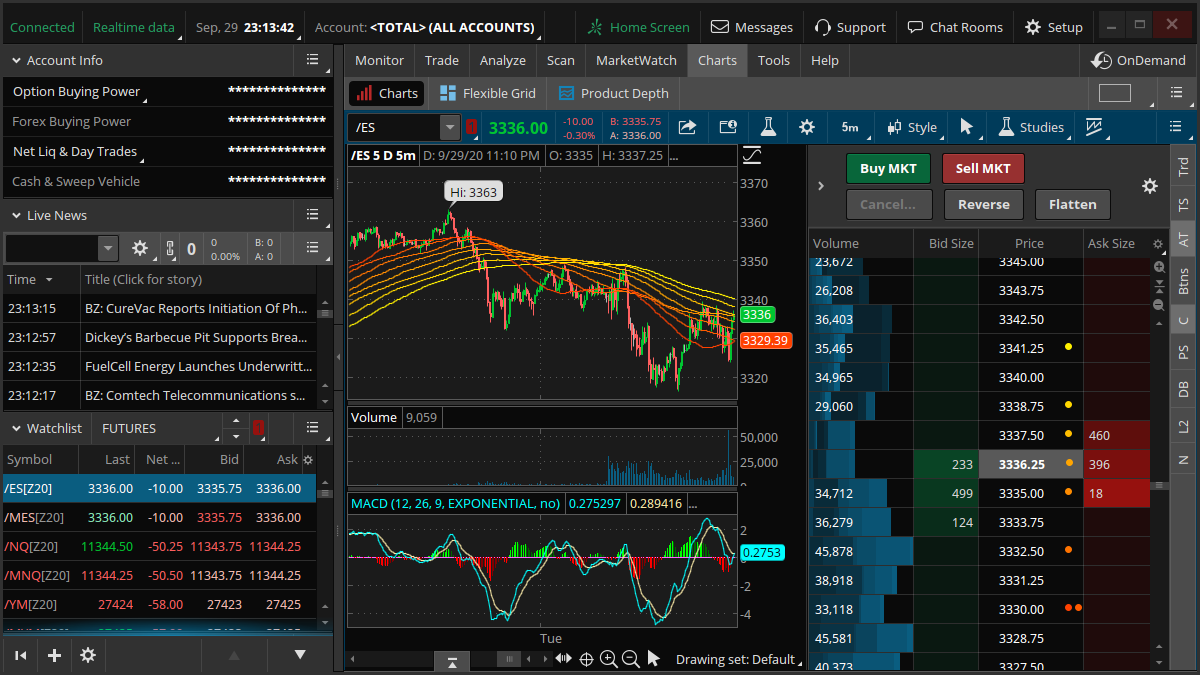
Thinkorswim’s appeal lies in its sophisticated suite of tools, designed by traders, for traders. Its journey began with a vision to empower self-directed investors with institutional-grade technology, a vision that quickly captured the attention of the financial community.
Independent Beginnings and Disruptive Technology
The thinkorswim Group Inc. was founded in 1999, at the cusp of the internet trading boom. Its creators envisioned a platform that would democratize access to advanced trading strategies, particularly in the complex realm of options trading. In an era when most online brokers offered relatively basic equity trading interfaces, thinkorswim emerged as a disruptive force. It provided unparalleled analytics, customizable charting, complex order types, and paper trading functionalities that were far ahead of their time.
This focus on empowering the sophisticated individual investor and active trader quickly garnered a loyal following. Thinkorswim wasn’t just another trading platform; it was a community-driven ecosystem built on continuous innovation, catering specifically to those who sought an edge in the markets beyond simple buy-and-hold strategies. Its robust capabilities for analyzing market movements, testing strategies, and executing complex multi-leg options trades made it an indispensable tool for many serious investors.
The First Major Acquisition: TD Ameritrade’s Strategic Vision
The success and unique positioning of thinkorswim did not go unnoticed by larger financial institutions. In 2009, TD Ameritrade, a prominent online brokerage firm, made a strategic move to acquire thinkorswim Group Inc. for approximately $606 million in cash and stock. This acquisition was a landmark event for both companies and the broader brokerage industry.
For TD Ameritrade, the acquisition was a masterstroke. It immediately elevated TD Ameritrade’s standing among active traders by integrating thinkorswim’s best-in-class platform into its own offerings. Prior to this, TD Ameritrade had a strong presence but lacked a truly cutting-edge platform for the most demanding traders. With thinkorswim, TD Ameritrade could now confidently compete for and attract a lucrative segment of the market – high-volume, sophisticated investors who required advanced tools for options, futures, and forex trading.
The integration was handled thoughtfully, with TD Ameritrade largely maintaining thinkorswim’s distinct identity, brand, and development team. This ensured that the platform’s core strengths and innovative spirit were preserved, while benefiting from TD Ameritrade’s extensive resources, customer support infrastructure, and broader client base. Thinkorswim quickly became the flagship trading platform for TD Ameritrade’s active trader segment, cementing its reputation as an industry leader. This move highlighted a growing trend in the financial industry: traditional brokers recognizing the value of advanced fintech and acquiring it to stay competitive.
The Mega-Merger: Schwab’s Acquisition of TD Ameritrade and its Aftermath
The financial services industry is no stranger to consolidation, but few mergers have reshaped the landscape as significantly as Charles Schwab’s acquisition of TD Ameritrade. This colossal transaction marked a new chapter for thinkorswim, placing it under the umbrella of one of the world’s largest investment services firms.
The Rationale Behind the Financial Giant’s Move
In November 2019, Charles Schwab announced its intent to acquire TD Ameritrade in an all-stock transaction valued at approximately $26 billion. The deal, which closed in October 2020, was driven by several strategic imperatives for Schwab. Primarily, it was a move to achieve unprecedented scale in the retail brokerage space, solidify its market leadership, and expand its client base significantly. By acquiring TD Ameritrade, Schwab absorbed millions of new accounts, trillions in client assets, and, critically, the highly regarded thinkorswim platform.
This merger was also a response to intense competitive pressures within the brokerage industry, including the race to zero-commission trading and the need to offer a comprehensive suite of financial products and services. Schwab recognized that TD Ameritrade brought not only a massive client roster but also valuable technological assets and a culture of innovation, particularly with thinkorswim. The acquisition underscored Schwab’s ambition to become the undisputed leader in both traditional wealth management and advanced self-directed investing.
Integrating thinkorswim into the Charles Schwab Ecosystem
The integration of two financial behemoths like Schwab and TD Ameritrade is an incredibly complex undertaking, affecting millions of clients, thousands of employees, and countless technological systems. For thinkorswim users, the announcement of the merger raised immediate questions and concerns: Would the platform’s functionality remain intact? Would its unique features be preserved? Would Schwab dilute its power or change its focus?
Schwab, keenly aware of thinkorswim’s value and the loyalty of its user base, made a clear commitment to not only retain but also to continue investing in and enhancing the platform. The integration process has been a multi-year effort, carefully migrating client accounts, assets, and systems. Schwab’s strategy has been to adopt thinkorswim as its premier active trading platform, recognizing that its capabilities go beyond what Schwab had historically offered for high-volume traders. The goal was to consolidate active trading under the thinkorswim brand, ensuring a seamless transition and continuous improvement. This thoughtful approach demonstrated Schwab’s understanding that thinkorswim wasn’t just a piece of software, but a critical asset that attracted a distinct and valuable client segment.

Synergies and Future Prospects Under Schwab
The acquisition of TD Ameritrade, and by extension thinkorswim, offers substantial synergies for Charles Schwab. Thinkorswim’s advanced trading capabilities, especially in options, futures, and forex, complement Schwab’s strong offerings in traditional equities, mutual funds, ETFs, and wealth management services. This allows Schwab to provide a comprehensive financial ecosystem that caters to a wider spectrum of investors, from long-term retirement planners to day traders.
Under Schwab’s ownership, thinkorswim benefits from the vast resources of a financial powerhouse, including enhanced funding for research and development, robust digital security, and an extensive support network. Schwab’s long-term vision is for thinkorswim to serve as the cutting-edge active trading solution for all its clients, integrating its functionalities more deeply into Schwab’s overall platform while maintaining its distinct identity and advanced features. This strategic alignment ensures that thinkorswim will continue to evolve and innovate, driven by the substantial capital and strategic direction of its new parent company.
What the Ownership Change Means for Investors and Traders
For the end-user – the individual investor or active trader – the ownership change of thinkorswim has significant implications that extend beyond just who holds the corporate deed. It influences the platform’s reliability, available resources, and future trajectory.
Continuity of Service and Platform Enhancements
One of the primary concerns during any major acquisition is the potential disruption to service or degradation of product quality. Schwab has largely succeeded in ensuring a smooth transition for thinkorswim users. The platform’s core functionality, powerful tools, and user experience have been preserved, and in many areas, enhanced. Schwab has committed to continuous investment in thinkorswim’s technology, ensuring it remains at the forefront of trading innovation. This means traders can expect ongoing updates, new features, and robust performance, backed by the stability of a company with significant financial muscle. The platform remains a powerful solution for those who demand advanced analytics and execution capabilities.
Access to Broader Financial Resources and Offerings
Being part of the Charles Schwab ecosystem opens up a new world of resources for thinkorswim users. Beyond active trading, clients now have access to Schwab’s comprehensive suite of financial planning tools, extensive research and market insights, wealth management services, and a wide array of investment products. This integration allows traders to manage their entire financial picture under one roof, potentially streamlining their investments, retirement planning, and other financial goals. For many, this expanded access provides a more holistic approach to their financial journey, moving beyond just the transactional aspects of trading. Schwab’s competitive fee structures and commitment to commission-free trading further sweeten the deal, making a powerful platform more accessible and cost-effective.
Market Impact and Consolidation Trends
The Schwab-TD Ameritrade merger, with thinkorswim as a crown jewel, is a potent example of the ongoing consolidation trend in the financial services industry. This trend is driven by several factors: the race to zero commissions, which pressures profit margins and necessitates scale; the increasing cost of technology and cybersecurity; and the desire to offer comprehensive solutions to clients. For investors, this means fewer but larger players dominating the market. While this can sometimes raise concerns about reduced competition, it also means that the remaining players often have more resources to invest in technology, customer service, and security. The future of online investing will likely see continued innovation from these larger, more resource-rich entities, striving to offer unparalleled value to attract and retain clients in a fiercely competitive environment.
Navigating Your Trading Future: Thinkorswim’s Place in the Modern Financial Landscape
Understanding thinkorswim’s ownership and its implications is vital for both existing users and those considering the platform. Its journey reflects the dynamic nature of financial markets and the strategic importance of technology in investment services.
The Enduring Appeal of Advanced Trading Tools
Despite the changes in ownership, thinkorswim’s fundamental appeal remains unchanged. It continues to be celebrated for its robust charting packages, highly customizable interface, extensive technical analysis tools, and sophisticated order entry capabilities. For options traders, its risk analysis tools and complex strategy builders are indispensable. Futures and forex traders also benefit from specialized features designed for these markets. Furthermore, its educational resources, including webinars and tutorials, remain a significant draw, helping traders of all experience levels refine their skills. Thinkorswim empowers traders to execute complex strategies, manage risk effectively, and gain deeper insights into market movements, making it a critical asset for serious investors.
Strategic Considerations for Traders and Investors
For traders and investors, leveraging thinkorswim effectively within the Schwab environment means recognizing the expanded opportunities. It’s not just about executing trades; it’s about integrating active trading strategies into a broader financial plan. Clients can utilize Schwab’s research and advisory services to inform their thinkorswim trades, or use Schwab’s wealth management expertise for their long-term portfolio while actively managing a portion on thinkorswim. The combined strength offers a powerful synergy. Making informed decisions involves understanding the stability that Schwab brings, the continued investment in the platform, and the extensive support infrastructure now available. Traders can feel confident in the longevity and continued evolution of a platform that is now a strategic cornerstone for one of the world’s most reputable financial institutions.
Conclusion
To definitively answer the question, thinkorswim is currently owned by Charles Schwab Corporation. Its journey from an independent innovator to a key asset within TD Ameritrade, and subsequently a premier platform within the Charles Schwab empire, illustrates a powerful trajectory of growth and strategic integration in the financial industry.
This ownership not only provides thinkorswim with the formidable resources of a financial giant, ensuring its continued technological advancement and robust security, but also integrates it into a comprehensive ecosystem of financial services. For active traders and serious investors, this means continuity of a best-in-class trading experience, enhanced by access to a broader array of financial planning and wealth management tools. As the financial landscape continues to evolve, thinkorswim, under the stewardship of Charles Schwab, is well-positioned to remain at the forefront of innovation, empowering investors with the advanced capabilities needed to navigate complex markets.
aViewFromTheCave is a participant in the Amazon Services LLC Associates Program, an affiliate advertising program designed to provide a means for sites to earn advertising fees by advertising and linking to Amazon.com. Amazon, the Amazon logo, AmazonSupply, and the AmazonSupply logo are trademarks of Amazon.com, Inc. or its affiliates. As an Amazon Associate we earn affiliate commissions from qualifying purchases.