
The question “who owns Tesla?” might seem straightforward at first glance, but delving into the ownership structure of a publicly traded company as dynamic and influential as Tesla reveals a complex tapestry of financial interests. Far from being owned by a single individual or entity, Tesla is a publicly traded corporation, meaning its ownership is distributed among a vast number of shareholders. Understanding this distribution is crucial for investors, financial analysts, and anyone interested in the inner workings of capital markets and corporate control. This article will dissect the intricate financial layers of Tesla’s ownership, exploring the roles of its key stakeholders, the implications for its valuation, and the broader financial landscape that defines its existence.
The Complex Web of Public Ownership: A Shareholder Perspective
At its core, owning a share of Tesla means owning a fractional piece of the company. These shares are traded on stock exchanges, making Tesla accessible to anyone with an investment account. This public ownership model creates a diversified base of shareholders, each with varying degrees of influence and financial objectives.
Elon Musk: The Visionary Founder and Largest Individual Shareholder
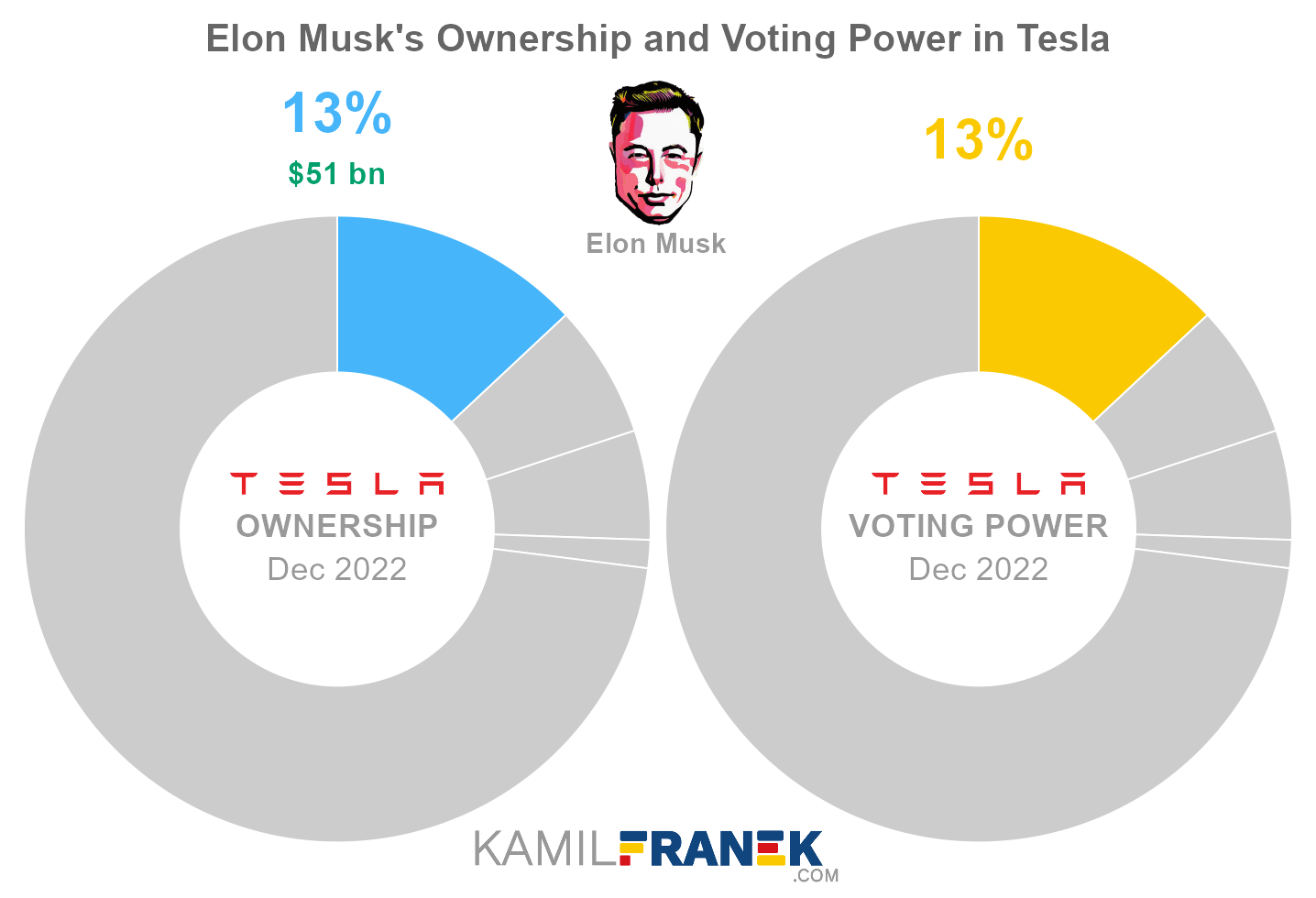
No discussion of Tesla’s ownership is complete without acknowledging Elon Musk. As co-founder, CEO, and product architect, Musk’s influence extends far beyond his executive titles; he is by far the largest individual shareholder in the company. His significant stake, which has fluctuated over time due to compensation packages, stock options exercises, and occasional share sales (often to cover tax obligations or fund other ventures), grants him substantial voting power. This concentrated individual ownership has profound financial implications. For investors, Musk’s holdings are a double-edged sword: they align his personal wealth directly with the company’s success, theoretically motivating optimal performance. However, his strong control also means his personal decisions, often communicated via social media, can significantly sway market sentiment and the stock price, introducing a unique layer of volatility and risk that financial advisors often highlight. His compensation packages, frequently tied to ambitious performance milestones, further underscore the financial incentivization designed to keep his interests aligned with long-term shareholder value creation.
Institutional Investors: The Powerhouses Behind the Stock
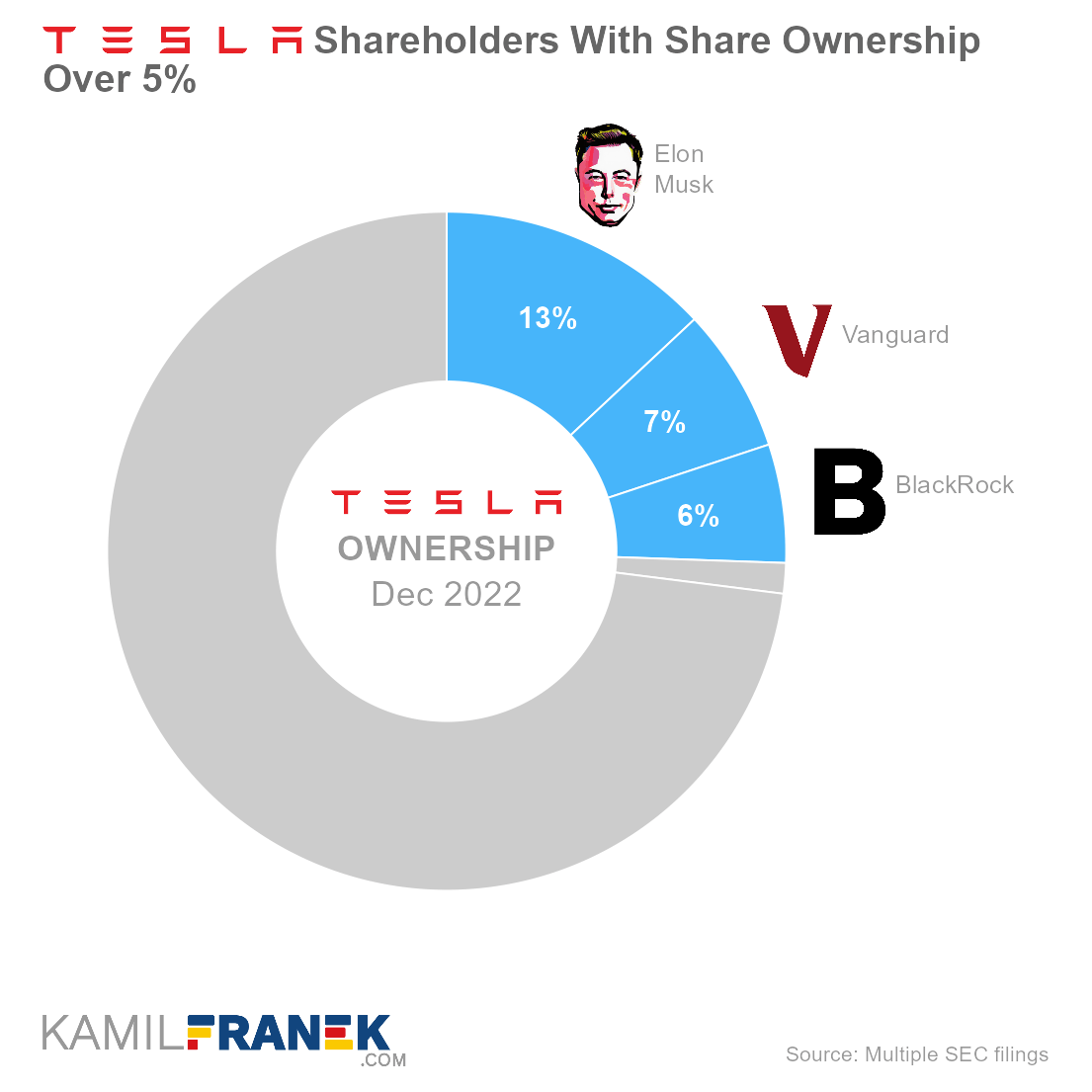
While Elon Musk captures headlines, the silent giants of Tesla’s ownership are the institutional investors. These are large financial organizations that manage vast pools of capital on behalf of their clients, including mutual funds, exchange-traded funds (ETFs), pension funds, hedge funds, and asset management firms. Giants like Vanguard, BlackRock, State Street Corporation, and Capital Group are among the top institutional holders of Tesla stock.
These institutions hold hundreds of millions, sometimes billions, of dollars worth of Tesla shares. Their collective stake often far surpasses that of any individual. Their ownership serves several critical financial functions:
-
Stability: Their large, long-term investments can provide a degree of stability to the stock price, as they are less likely to engage in rapid, speculative trading.
-
Corporate Governance: Institutional investors often exert significant influence on corporate governance. They vote on proposals at annual shareholder meetings, including the election of directors, executive compensation, and other major corporate decisions. Their collective voice can hold management accountable and steer the company’s strategic direction, particularly regarding financial performance and risk management.
-
Representation: For millions of individual investors, owning a mutual fund or ETF that holds Tesla stock means they indirectly participate in Tesla’s ownership. These institutions act as fiduciaries, managing these investments with the financial interests of their clients in mind.
Retail Investors: The Backbone of Market Capitalization
The rise of commission-free trading platforms and increased access to financial information has empowered a vast army of retail investors – individual traders and investors who buy and sell shares for their personal portfolios. Tesla has a particularly fervent following among retail investors, often driven by a strong belief in its mission, technological leadership, and growth potential.
While each retail investor holds a relatively small number of shares compared to institutional giants, their collective holdings represent a significant portion of Tesla’s overall market capitalization. Their influence is most visible in:
-
Market Sentiment: Retail investors often react quickly to news, social media trends, and perceived market momentum, which can contribute to rapid swings in Tesla’s stock price. Their collective buying or selling power, especially during periods of high enthusiasm or fear, can amplify market movements.
-
Shareholder Activism (Grassroots): Although less formally organized than institutional activism, individual shareholders can voice their opinions through online forums, social media, and by participating in shareholder votes. Their collective passion contributes to Tesla’s unique brand perception and market engagement, directly impacting the stock’s demand and valuation.
Unpacking Tesla’s Financial Structure: More Than Just Shares
Understanding “who owns Tesla” goes beyond simply listing shareholders. It also involves grasping how its financial structure supports its operations and growth, and what “ownership” truly signifies in the financial context.
Market Capitalization and Valuation: What “Ownership” Really Means on the Exchange
Market capitalization (or “market cap”) is a key financial metric representing the total dollar value of a company’s outstanding shares. It is calculated by multiplying the current share price by the total number of shares in circulation. For Tesla, its market cap often places it among the most valuable companies globally, reflecting not just its current assets and earnings but also the market’s collective belief in its future growth and profitability.
When an investor “owns” a piece of Tesla, they own a share of this total market capitalization. A higher market cap indicates a greater perceived value by investors. This valuation is a dynamic reflection of investor expectations, financial performance, macroeconomic conditions, and industry trends. For investors, understanding market cap helps gauge the scale of their ownership and the potential for capital appreciation or depreciation. It’s the ultimate financial scorecard for a publicly traded company.
Debt, Equity, and Capital Allocation: Funding Growth and Innovation
While equity (shares) represents ownership, companies like Tesla also utilize various other financial instruments to fund their ambitious projects and rapid expansion.
-
Debt Financing: Tesla has, at various times, issued corporate bonds or taken out loans. Holders of these debt instruments are creditors, not owners, but they hold a financial claim on the company’s assets and future earnings. From a financial perspective, they are another group with a vested interest in Tesla’s solvency and performance, even if their “ownership” is expressed as a right to repayment rather than a share of profits.
-
Equity Financing: Issuing new shares is another way Tesla raises capital. When the company sells new stock, it dilutes the ownership percentage of existing shareholders but brings in fresh cash for investments in R&D, manufacturing facilities, or market expansion. This balance between dilution and growth opportunity is a critical consideration for investors.
-
Capital Allocation: Tesla’s management, influenced by its diverse ownership base, constantly makes decisions about how to allocate its capital – whether to invest in new Gigafactories, develop new battery technologies, expand into new markets, or repurchase shares (which increases the ownership stake of remaining shareholders). These financial decisions directly impact shareholder value and the long-term financial health of the company.
Implications of Tesla’s Ownership for Investors and the Market
The unique ownership structure of Tesla has significant financial implications for individual and institutional investors, as well as for the broader financial markets.
Corporate Governance and Shareholder Activism
The distribution of ownership directly impacts corporate governance. Elon Musk’s substantial stake means he wields immense power in decision-making, influencing everything from strategic direction to executive appointments. However, institutional investors, through their sheer collective size, also play a vital role. They engage in shareholder activism, often behind the scenes, pushing for policies that enhance financial returns, improve environmental, social, and governance (ESG) practices, or ensure more robust financial oversight. These dynamics create a continuous interplay of power that shapes Tesla’s corporate identity and financial trajectory. For investors, understanding these governance structures is key to assessing risk and potential returns.
Volatility and Investor Sentiment: The Musk Factor
Tesla’s stock is renowned for its volatility, and its ownership structure, particularly Musk’s prominent role, is a significant contributor. His public pronouncements, whether on Twitter or during earnings calls, can send the stock soaring or plummeting within minutes. This dynamic, often dubbed the “Musk Factor,” means that investing in Tesla isn’t just about analyzing financial statements and product roadmaps; it also involves assessing the behavioral aspects of its dominant owner. For risk-tolerant investors, this volatility presents opportunities for significant gains, but for more conservative portfolios, it represents a substantial financial risk. The interplay between Musk’s vision, investor sentiment, and market speculation makes Tesla a unique case study in financial markets.
Long-Term vs. Short-Term Investment Strategies
Tesla’s diverse ownership base naturally leads to varied investment horizons. Institutional investors, especially those managing pension funds or index funds, often adopt a long-term strategy, focusing on Tesla’s fundamental growth prospects, market dominance, and profitability over years or decades. They are less perturbed by short-term price fluctuations.
Conversely, many retail investors and some hedge funds engage in shorter-term trading, attempting to capitalize on the stock’s volatility, news cycles, or technical analysis patterns. This blend of long-term conviction and short-term speculation contributes to the stock’s liquidity and price discovery but also necessitates careful financial planning and risk management for individual investors.
The Future of Tesla Ownership: Trends and Trajectories
The ownership landscape of Tesla is not static; it is a continuously evolving financial picture influenced by market dynamics, corporate actions, and the broader economic environment.
Potential Shifts in Ownership Dynamics
Several factors could alter Tesla’s ownership structure in the future. Elon Musk may sell more shares for various reasons, potentially diversifying his personal portfolio or funding his other ventures, which could incrementally dilute his overall percentage ownership. Conversely, Tesla might engage in share buybacks, reducing the total number of outstanding shares and thereby increasing the ownership stake of existing shareholders. Changes in institutional investment, driven by performance benchmarks or shifts in investment mandates, could also significantly rebalance the distribution of ownership. For instance, increased ESG focus by large funds could attract more institutional money if Tesla meets sustainability criteria, or divestment if it falls short.
Impact on Shareholder Value and Business Strategy
Any significant shift in ownership dynamics would have direct financial implications for shareholder value and business strategy. A more diversified ownership, with less reliance on a single individual, might lead to more conventional corporate governance but could also reduce the perceived “visionary” premium. Increased institutional ownership might pressure the company for more consistent profitability and less speculative spending, impacting capital allocation decisions. Ultimately, the future of Tesla’s ownership will continue to shape its financial trajectory, influencing everything from its R&D investments to its dividend policies, all of which directly affect the financial returns for its myriad owners.
Conclusion: The Evolving Financial Tapestry of Tesla
The question of “who owns Tesla” uncovers a rich and complex financial narrative. It’s not just about a name on a stock certificate, but about the intricate interplay of individual visionaries, powerful institutional funds, and a passionate global community of retail investors. Each group holds a financial stake, influences its valuation, and contributes to its unique position in the global market. Understanding this multifaceted ownership structure is paramount for any investor seeking to navigate the opportunities and risks associated with one of the world’s most talked-about companies. Tesla’s ownership is a dynamic financial ecosystem, perpetually evolving and deeply intertwined with its market performance, corporate strategy, and the very fabric of modern finance.
aViewFromTheCave is a participant in the Amazon Services LLC Associates Program, an affiliate advertising program designed to provide a means for sites to earn advertising fees by advertising and linking to Amazon.com. Amazon, the Amazon logo, AmazonSupply, and the AmazonSupply logo are trademarks of Amazon.com, Inc. or its affiliates. As an Amazon Associate we earn affiliate commissions from qualifying purchases.