
The question “who owns TD Ameritrade?” leads directly to one of the most significant mergers in modern financial history, fundamentally reshaping the landscape of retail brokerage. As of 2020, TD Ameritrade was acquired by Charles Schwab, a move that created an unparalleled behemoth in the investment services industry. This strategic consolidation dramatically altered competitive dynamics, elevated customer scale, and redefined service expectations for millions of investors, firmly positioning the combined entity as a dominant force in personal finance and investing.
The Transformative Acquisition by Charles Schwab
The acquisition of TD Ameritrade by Charles Schwab was not merely a corporate transaction; it was a strategic realignment of the retail brokerage sector, driven by intense competition, technological advancements, and the race to capture market share in a commission-free trading environment. Announced in late 2019 and completed in 2020, the deal created a financial services juggernaut with an unprecedented scale.
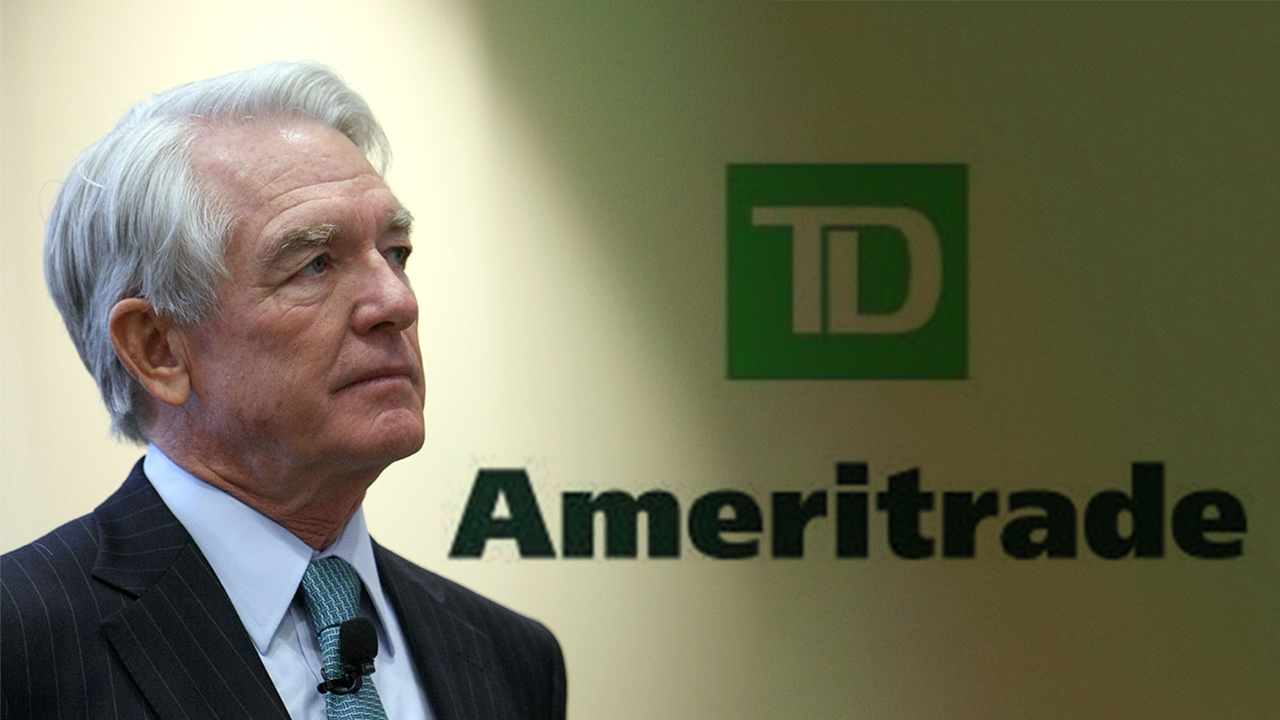
A Landmark Merger in Brokerage History
The agreement saw Charles Schwab acquire TD Ameritrade in an all-stock transaction valued at approximately $26 billion. This valuation underscored the strategic importance of TD Ameritrade’s significant client assets, technological infrastructure, and robust trading platforms. For Schwab, it was an opportunity to integrate a complementary business with a strong brand identity and a loyal client base, particularly appealing to active traders and independent registered investment advisors (RIAs). The merger was hailed as a defensive and offensive move, fortifying Schwab’s position against emerging fintech rivals and traditional competitors alike, while simultaneously expanding its reach into new demographic segments and service areas.
Strategic Motivations Behind the Deal
Several key financial and strategic motivations propelled this mega-merger. Firstly, the brokerage industry had undergone a profound shift with the widespread adoption of commission-free trading. While beneficial for investors, this move put immense pressure on brokers’ revenue models, necessitating greater scale to maintain profitability through interest income on client cash balances and other fee-based services. By combining, Schwab and TD Ameritrade could achieve significant economies of scale, reducing redundant operational costs and enhancing overall efficiency.
Secondly, the merger allowed Schwab to consolidate its position as a clear leader in the RIA custody business. TD Ameritrade Institutional brought a substantial portfolio of RIA clients, enhancing Schwab’s already leading market share in this lucrative segment. This provided a diversified revenue stream, less dependent on volatile trading volumes and more anchored in long-term asset management.
Thirdly, the deal was designed to expand product offerings and technological capabilities. TD Ameritrade’s advanced trading platforms, particularly thinkorswim, were highly regarded by active traders. Integrating these capabilities into Schwab’s ecosystem promised a more comprehensive suite of tools for all investor types, from passive long-term investors to high-frequency traders. This synergy aimed to create a more compelling value proposition, attracting and retaining a broader spectrum of clients.
The Financial Mechanics of the Acquisition
The all-stock nature of the transaction meant that TD Ameritrade stockholders received 1.0837 Schwab shares for each TD Ameritrade share they owned. This structure aligned the long-term interests of the former TD Ameritrade shareholders with the success of the combined entity. Regulatory approvals from the Department of Justice and other bodies were critical, focusing on potential anti-competitive concerns. The sheer size of the combined firm, with trillions in client assets and millions of client accounts, necessitated careful scrutiny to ensure market integrity and consumer protection. The integration process itself was projected to be complex and multi-year, involving the migration of client accounts, consolidation of technology platforms, and harmonization of operational procedures, all while aiming to minimize disruption for existing clients.
Tracing TD Ameritrade’s Legacy and Evolution
Before its acquisition, TD Ameritrade stood as a formidable independent entity, boasting a rich history of innovation and growth that cemented its place as a leader in the discount brokerage space. Its journey from a pioneering discount broker to a sophisticated financial services provider is a testament to its adaptive strategies in a rapidly evolving market.
From Discount Broker to Industry Innovator
TD Ameritrade’s roots trace back to the early days of discount brokerage in the 1970s, a period when investors began seeking more cost-effective alternatives to full-service brokers. Founded as Ameritrade in 1975, the company quickly distinguished itself by leveraging technology to offer accessible trading services. It was among the first to introduce touch-tone phone trading, and critically, pioneering online trading in the mid-1990s. This early adoption of digital platforms democratized investing, making it easier and cheaper for individual investors to manage their portfolios. The “TD” in its name came from its 2006 merger with TD Waterhouse USA, the American brokerage arm of Toronto-Dominion Bank, which brought significant capital, broader banking relationships, and an expanded client base. This merger was pivotal, transforming Ameritrade into TD Ameritrade and enhancing its capabilities across various financial products and services.
Key Milestones and Growth Trajectory
Throughout its history, TD Ameritrade was marked by strategic acquisitions and technological advancements. Its acquisition of Datek Online in 2002 was instrumental in bolstering its active trader segment, integrating Datek’s robust trading technology and client base. The subsequent merger with TD Waterhouse USA further solidified its market position, adding scale and institutional credibility. Later, the acquisition of Scottrade in 2017 brought millions of additional retail accounts, particularly those favoring brick-and-mortar branch access and simpler trading functionalities, further diversifying TD Ameritrade’s client demographics and expanding its geographical footprint. Each strategic move was aimed at enhancing its financial performance, widening its service offerings, and deepening its competitive moat against rivals like Fidelity, E*TRADE, and Charles Schwab.
The Pre-Merger Landscape and Competitive Pressures
In the years leading up to the Schwab acquisition, TD Ameritrade operated in a fiercely competitive environment. The industry was grappling with the race to zero commissions, which forced brokers to rethink their revenue strategies. While TD Ameritrade had been an early adopter of commission-free ETFs and offered competitive pricing, the broader market shift meant that generating revenue from trading commissions was no longer sustainable as a primary income source. Instead, focus shifted to asset-based fees, interest on client cash, and premium services. This landscape created immense pressure for scale and efficiency, pushing companies like TD Ameritrade to either seek acquisition targets or become one. Its robust client base, innovative trading technology (like thinkorswim), and established brand made it an attractive candidate for a larger player seeking to consolidate power in the post-commission era.
The Integration Process and its Impact on Investors
The acquisition of TD Ameritrade by Charles Schwab was merely the first step; the intricate process of integration presented its own set of financial, operational, and client-centric challenges and opportunities. For millions of investors, this meant navigating changes to their accounts, platforms, and investment relationships.

Unifying Platforms and Services
A key aspect of the integration involved merging the distinct technological infrastructures and service models of both companies. TD Ameritrade was renowned for its powerful thinkorswim platform, a favorite among active traders for its advanced charting, analytics, and complex option strategies. Schwab, while having robust platforms, saw the strategic value in retaining and enhancing thinkorswim. The goal was not simply to absorb TD Ameritrade’s assets but to leverage its strengths, particularly in active trading and advisor services, to create a more comprehensive and technologically superior offering. This involved significant investment in IT, cybersecurity, and data migration, ensuring that the combined platform could handle the immense volume of transactions and data securely and efficiently.
Client Migration and Account Consolidation
The most visible impact for individual investors was the multi-stage process of client account migration. Schwab meticulously planned this transition over several phases, beginning in 2023 and extending into 2024, to minimize disruption. Existing TD Ameritrade accounts were systematically moved to the Schwab platform, with clients receiving detailed communications about new account numbers, login procedures, and platform access. This consolidation aimed to streamline operations, reduce overheads, and provide clients with a unified experience under the Schwab brand. It involved careful data mapping, ensuring all historical data, positions, cost bases, and preferences were accurately transferred, a monumental task given the scale of millions of accounts.
Benefits and Challenges for Existing Clients
For former TD Ameritrade clients, the integration presented both benefits and potential challenges. Benefits included access to Schwab’s broader range of financial planning resources, wealth management services, and extensive branch network. Schwab’s sheer scale also translated into potentially lower costs for certain services, improved trading execution, and enhanced digital tools. The retention and continued development of the thinkorswim platform was a significant win for active traders.
However, challenges arose from the need for clients to adapt to a new interface, new account statements, and potentially different customer service protocols. Some clients might have preferred TD Ameritrade’s specific functionalities or its distinct corporate culture. The potential for temporary disruptions during account transfers, while minimized, was also a concern. Schwab invested heavily in client support, educational resources, and communication channels to help clients navigate these changes smoothly, emphasizing continuity of service and enhanced opportunities.
The New Landscape: Charles Schwab’s Dominance
The successful integration of TD Ameritrade has cemented Charles Schwab’s position as an undisputed titan in the retail investment and wealth management sector. The scale, breadth of services, and market influence of the combined entity are unprecedented, reshaping the competitive dynamics for other financial players.
Market Share and Industry Leadership
With the integration largely complete, Charles Schwab now commands a formidable market share across various segments of the financial services industry. The combined entity boasts trillions in client assets, placing it at the very top of the brokerage industry in terms of managed assets and client accounts. This scale translates into significant advantages, including stronger bargaining power with financial product providers, greater capacity for technological investment, and the ability to offer highly competitive pricing. Schwab’s leadership extends beyond retail brokerage, encompassing a dominant position in the independent RIA custody space, corporate retirement services, and banking. This market leadership provides a stable financial foundation and enables strategic investments in future growth areas.
Broadened Product Offerings and Services
The merger significantly expanded Schwab’s product and service ecosystem. From a comprehensive suite of trading platforms catering to all investor types – from novice to professional – to a wider array of investment products like mutual funds, ETFs, fixed income, and alternative investments, clients now have access to a truly holistic financial platform. The integration also bolstered Schwab’s advisory services, offering various levels of financial planning and wealth management solutions, ranging from digital robo-advisors to personalized human advisors. Banking services, including checking accounts, savings, and lending, are seamlessly integrated, providing a one-stop shop for clients’ financial needs. This broadened offering aims to capture a larger share of clients’ wallets and deepen their relationship with Schwab.
Future Outlook for the Combined Entity
The outlook for the combined Charles Schwab entity is characterized by continued focus on leveraging its immense scale for growth and efficiency. Future strategies will likely include ongoing innovation in digital tools, artificial intelligence-driven insights, and personalized financial advice. The company is well-positioned to capitalize on demographic shifts, particularly the transfer of wealth to younger generations who demand seamless digital experiences and robust mobile capabilities. Furthermore, Schwab’s robust capital position and diversified revenue streams provide resilience against market volatility and economic downturns, enabling it to invest in strategic initiatives that will maintain its competitive edge and drive long-term shareholder value. The firm will also continue to evaluate inorganic growth opportunities and partnerships to further expand its reach and capabilities.
Implications for the Retail Investor and the Industry
The Charles Schwab-TD Ameritrade merger is more than a corporate story; it has profound implications for individual investors and the broader financial services industry, dictating trends in pricing, service models, and competitive strategies.
Enhanced Scale and Competitive Advantage
For the retail investor, Schwab’s enhanced scale means access to a financially robust institution with vast resources dedicated to technology, security, and customer service. The combined entity’s sheer size allows for significant investment in cybersecurity, safeguarding client assets and personal information, which is increasingly critical in the digital age. This scale also confers an unparalleled competitive advantage, making it difficult for smaller players to compete on pricing or breadth of services. Competitors are forced to innovate, specialize, or consolidate themselves, leading to ongoing shifts in the industry landscape. The financial strength of Schwab ensures stability for client accounts and continuous improvement in service delivery.
Pricing Structures and Commission-Free Trading
The merger took place in an environment where commission-free trading had become the industry standard. Schwab’s acquisition solidified this trend, further pressuring any remaining brokers to eliminate trading fees on stocks and ETFs. While this benefits investors by reducing transaction costs, it also means that brokers must generate revenue through other means, such as interest on client cash balances, asset-based management fees for advisory services, payment for order flow, and premium product offerings. This shift in revenue models influences how brokers market their services, emphasizing value-added features like financial planning, research, and advanced trading tools rather than just low trading costs. Investors must understand these underlying revenue drivers to make informed choices about where to hold their assets.

What This Means for Financial Planning and Investment Strategies
The unified Schwab platform, with its expanded resources, offers retail investors a more comprehensive toolkit for financial planning and investment strategies. Clients now have access to a wider range of research, analytical tools, and advisory services to help them make informed decisions about retirement planning, wealth accumulation, and portfolio management. The integration of advanced trading platforms like thinkorswim provides sophisticated tools for active traders, while Schwab’s core services cater to long-term investors seeking guided or self-directed strategies. This consolidation empowers investors with greater choice and more robust support, but it also places the onus on them to actively engage with the available resources and understand how the various offerings align with their personal financial goals and risk tolerance. Ultimately, the new Schwab entity aims to be a foundational partner in every aspect of an investor’s financial journey.
aViewFromTheCave is a participant in the Amazon Services LLC Associates Program, an affiliate advertising program designed to provide a means for sites to earn advertising fees by advertising and linking to Amazon.com. Amazon, the Amazon logo, AmazonSupply, and the AmazonSupply logo are trademarks of Amazon.com, Inc. or its affiliates. As an Amazon Associate we earn affiliate commissions from qualifying purchases.