
Since its inception in 2011, SoFi Technologies, Inc. (Social Finance) has transformed from a niche student loan refinancing startup into a powerhouse of the modern financial landscape. For investors, depositors, and market analysts, the question of “who owns SoFi” is more than just a matter of corporate record; it is a vital indicator of the company’s stability, strategic direction, and long-term viability in a competitive banking sector. Because SoFi is a publicly traded company on the NASDAQ under the ticker symbol SOFI, its ownership is a complex tapestry of institutional giants, retail investors, and corporate insiders.
Understanding the ownership structure of SoFi requires a journey through its transition from a private “unicorn” to a public entity via a Special Purpose Acquisition Company (SPAC), and an analysis of the influential figures who currently hold the reins of its equity.
1. The Transition to Public Ownership: The SPAC Legacy
To understand who owns SoFi today, one must first look at how the company entered the public markets. Unlike a traditional Initial Public Offering (IPO), SoFi took the route of a SPAC merger in June 2021. This move significantly shaped its initial shareholder base and the narrative surrounding its valuation.
The Role of Social Capital Hedosophia
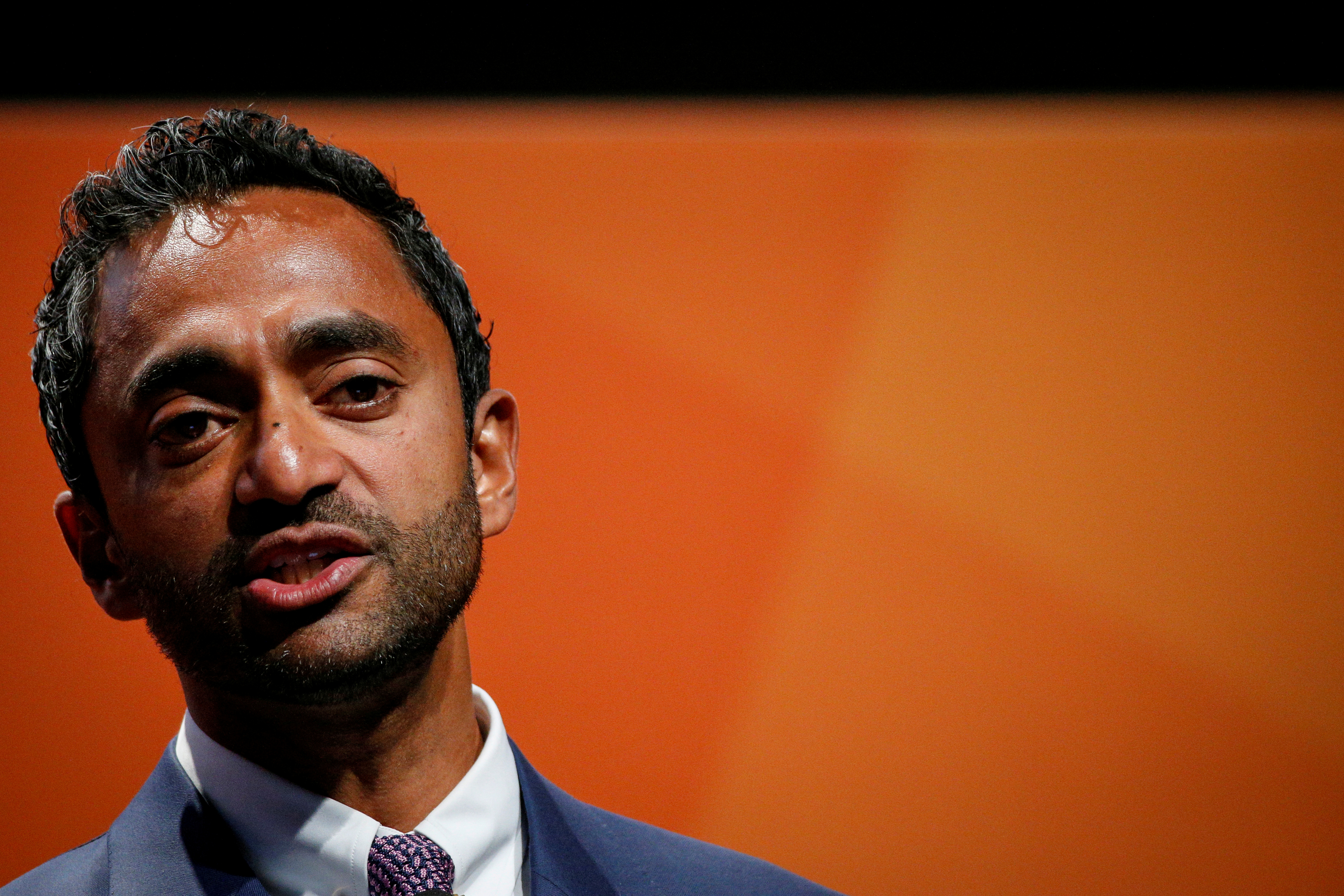
SoFi went public by merging with Social Capital Hedosophia Holdings Corp V, a blank-check company led by venture capitalist Chamath Palihapitiya. At the time of the merger, the deal valued SoFi at approximately $8.65 billion. This transition allowed early private investors to liquefy their stakes while opening the door for the general public to own a piece of the burgeoning FinTech firm. Palihapitiya’s involvement brought a surge of retail interest, positioning SoFi as a “disruptor” in the personal finance space.
From Private Venture Capital to Public Equity
Before the SPAC merger, SoFi was owned by a consortium of high-profile venture capital firms and private equity groups. Early backers included names like Peter Thiel’s Mithril Capital, Renren Inc., and SoftBank. As the company transitioned to the NASDAQ, many of these early institutional backers remained, though their influence has shifted as they rebalance their portfolios in response to market volatility. Today, the ownership is divided into three primary tiers: institutional investors, retail (individual) investors, and company insiders.
2. Institutional Ownership: The Power Players
As of the latest SEC filings, institutional investors hold a significant portion of SoFi’s outstanding shares. These are the large-scale organizations—banks, hedge funds, and pension funds—that manage money on behalf of millions of clients. Institutional backing is often seen as a vote of confidence in a company’s fundamental business model.
The Dominance of Vanguard and BlackRock
The two largest shareholders in SoFi are typically the world’s largest asset managers: The Vanguard Group and BlackRock, Inc. These firms do not necessarily “own” SoFi in the traditional sense of active management; rather, they hold the stock through various exchange-traded funds (ETFs) and index funds. Because SoFi is included in major indices like the Russell 2000 and several FinTech-specific baskets, these institutions are required to hold massive quantities of the stock. As of 2024, Vanguard and BlackRock each hold roughly 7% to 9% of the company, providing a “floor” of stability for the stock’s liquidity.
The SoftBank Influence and Exit
Historically, the Japanese conglomerate SoftBank was one of SoFi’s largest and most influential shareholders. Through its Vision Fund, SoftBank poured billions into the company during its private years. However, in recent years, SoftBank has strategically reduced its stake in various US-listed tech companies, including SoFi. The sale of SoftBank’s shares at various intervals created “selling pressure” on the stock price but also allowed for a more diversified ownership base, moving the company away from being dependent on a single massive private equity backer.
Hedge Funds and Active Managers
Beyond the index giants, several active hedge funds and thematic investment firms hold positions in SoFi. These investors are attracted to SoFi’s unique “Financial Services Productivity Loop,” a business model designed to lower customer acquisition costs by cross-selling products like credit cards, mortgages, and investment accounts to existing personal loan members. Firms like State Street and Geode Capital Management also maintain substantial positions, reflecting a broad institutional belief in the “one-stop-shop” banking model.
3. Insider Ownership: Leadership and Skin in the Game

For many investors in the “Money” niche, the most critical metric of ownership is “insider ownership.” This refers to the shares held by the company’s executives and board members. High levels of insider ownership generally suggest that the leadership’s interests are aligned with those of the shareholders.
Anthony Noto’s Strategic Purchases
The most notable figure in SoFi’s ownership structure is its CEO, Anthony Noto. Formerly the COO of Twitter and a high-ranking executive at Goldman Sachs and the NFL, Noto has become famous in the investing community for his frequent “open-market” purchases of SOFI stock. Unlike many CEOs who only receive stock as part of their compensation package, Noto has repeatedly used his own personal capital to buy millions of dollars worth of shares during periods of market downturns. This “skin in the game” is often cited by analysts as a primary reason for investor loyalty, as it signals the CEO’s conviction that the stock is undervalued.
Board of Directors and Executive Compensation
Other insiders, including CFO Chris Lapointe and various members of the Board of Directors, also hold significant stakes. While these positions are smaller than those of the institutional giants, collectively, the executive team maintains a vested interest in the company’s profitability. The shift from a high-growth, money-losing startup to a profitable bank (following SoFi’s first GAAP profitable quarter in late 2023) has made these insider holdings even more scrutinized as the company matures.
4. Retail Investors and the “Community” Ownership
A distinguishing feature of SoFi is the high level of retail investor participation. Because SoFi provides its own brokerage platform (SoFi Invest), many of its customers are also its owners.
The “Meme Stock” Era and Beyond
During the 2021-2022 retail trading boom, SoFi was frequently discussed on platforms like WallStreetBets and various FinTech-focused YouTube channels. This created a highly vocal and loyal base of individual shareholders. While retail ownership can lead to higher stock price volatility, it also creates a brand-loyal ecosystem. When a retail investor uses SoFi for their mortgage, their direct deposit, and their brokerage, they are more likely to hold the stock for the long term, viewing it as a stake in their own financial partner.
The Impact of Retail Sentiment
Retail investors collectively own a substantial double-digit percentage of SoFi. This democratization of ownership means that SoFi’s management must communicate more transparently than traditional “old guard” banks. The company’s focus on user-friendly earnings presentations and social media engagement is a direct response to this unique ownership demographic.
5. The Financial Implications of Ownership Structure
The way SoFi is owned directly impacts its business strategy and financial health. The mix of institutional stability and insider conviction has allowed the company to navigate a high-interest-rate environment that proved fatal for other mid-sized banks.
The National Bank Charter
A pivotal moment in the ownership narrative occurred when SoFi acquired Golden Pacific Bancorp. This allowed SoFi to become a bank holding company, regulated by the Federal Reserve and the OCC. This change shifted the “type” of investors interested in the company. Value investors and banking analysts began looking at SoFi not just as a tech company, but as a depository institution. The ownership of a bank charter means that the owners of SOFI are also owners of a regulated financial institution, which carries higher requirements for capital reserves and risk management.
Revenue Diversification and Investor Confidence
The owners of SoFi are currently betting on the company’s ability to diversify. Historically, student loan refinancing was the core of the business. However, with the volatility of federal student loan policies, the owners have pushed for growth in the “Technology Platform” segment (Galileo and Technisys). This segment provides the backend infrastructure for other FinTechs, effectively making SoFi the “AWS of FinTech.” Investors who own SoFi today are not just owning a lender; they are owning a technology provider and a full-service digital bank.

Conclusion: Who Truly Controls the Future of SoFi?
In the literal sense, SoFi is owned by a diverse group of stakeholders, led by institutional giants like Vanguard and BlackRock, and bolstered by the aggressive personal investments of CEO Anthony Noto. However, in a broader sense, the “ownership” of SoFi’s future lies in its ability to maintain its growth trajectory in a crowded marketplace.
For the investor, the current ownership structure is an encouraging mix of “smart money” (institutions), “skin in the game” (insiders), and “brand advocates” (retail). This balanced distribution suggests that while the stock may face the volatility typical of the FinTech sector, it possesses the foundational support necessary to transition from a disruptive newcomer to a permanent fixture in the global financial system. As the company continues to scale its members and expand its products, the question of “who owns SoFi” will remain a central theme for those tracking the evolution of money in the digital age.
aViewFromTheCave is a participant in the Amazon Services LLC Associates Program, an affiliate advertising program designed to provide a means for sites to earn advertising fees by advertising and linking to Amazon.com. Amazon, the Amazon logo, AmazonSupply, and the AmazonSupply logo are trademarks of Amazon.com, Inc. or its affiliates. As an Amazon Associate we earn affiliate commissions from qualifying purchases.