
In the high-stakes environment of a hospital, where every second can be critical, the efficient and coordinated response to emergencies is paramount. This is achieved through a sophisticated system of codified alerts, each signaling a specific type of crisis. Among these, a “Code Black” stands out as a particularly concerning and complex situation. Unlike codes that address immediate medical emergencies like cardiac arrest or fire, a Code Black typically signifies a threat to the safety and security of the hospital environment itself, often involving external or internal factors that jeopardize the well-being of patients, staff, and visitors.
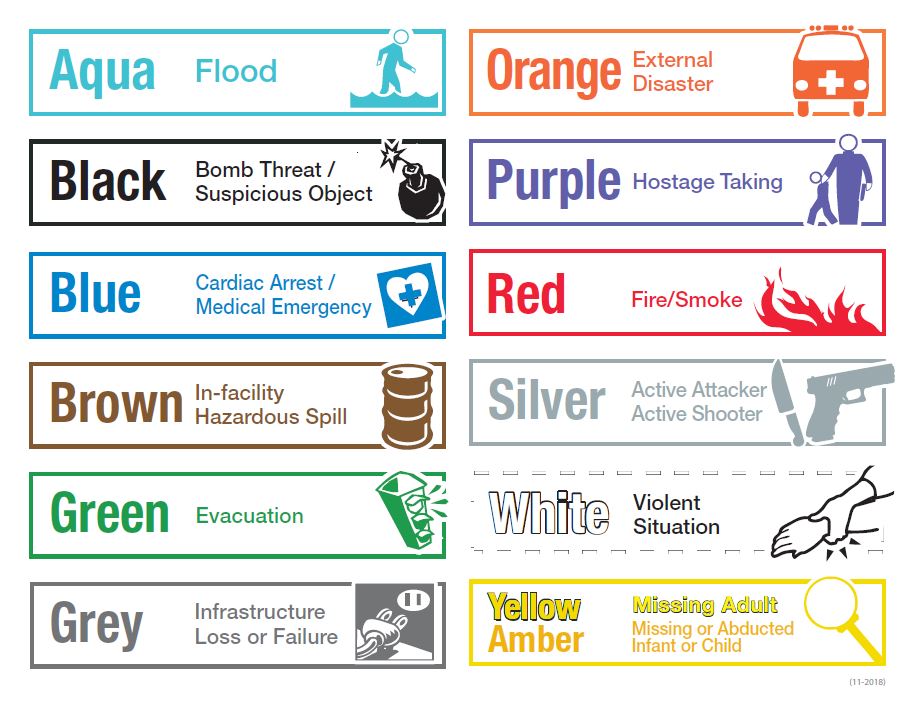
The implementation and management of a Code Black scenario, from initial detection to resolution, are heavily reliant on an integrated technological infrastructure. Modern hospitals leverage a suite of advanced technologies to ensure that such events are detected, communicated, and addressed with maximum speed and accuracy. This article will delve into the nature of a Code Black, exploring its technological underpinnings and the ways in which innovation in healthcare IT is crucial for mitigating risks and ensuring patient safety during these critical incidents.
The Technological Framework of Emergency Response Codes
Hospitals are complex ecosystems requiring seamless communication and coordination, especially during crises. The development and implementation of emergency response codes are inherently tied to technological advancements that enable swift dissemination of information and coordinated action.
Genesis of Codified Emergency Alerts
The concept of standardized emergency codes emerged from the need for a universal language within healthcare facilities. Before the widespread adoption of digital communication, pagers and overhead announcement systems were the primary tools. However, the inherent limitations of these early technologies – potential for misinterpretation, delays, and lack of specificity – spurred the evolution towards more robust and technologically driven solutions. The drive for standardization across healthcare institutions further fueled the development of communication protocols that could be universally understood, facilitating inter-hospital collaboration during large-scale emergencies. The foundational principles of these codes, however, are now amplified and enhanced by sophisticated technological systems.
Evolution of Communication Systems
The transition from analog to digital has profoundly transformed how hospitals manage emergencies. Pagers, once the standard for alerting staff, have largely been superseded by sophisticated mobile communication platforms. Smartphones, dedicated hospital communication devices, and secure messaging apps now allow for direct, two-way communication, image sharing, and real-time updates.
- Digital Alerting and Notification Systems: These systems are the backbone of modern emergency response. They allow for instant dissemination of alerts to specific groups of personnel based on their roles and locations. These platforms can integrate with various hospital systems, such as building management, security cameras, and patient records, providing a comprehensive overview during a Code Black. Features like message read receipts and acknowledgments ensure that critical information is received.
- Interoperable Communication Platforms: The ability for different communication devices and systems within a hospital to interact seamlessly is crucial. This interoperability ensures that a single alert can reach all relevant stakeholders, regardless of the technology they are using. This includes integrating voice communication, text messaging, and even video feeds.
- Location-Based Services and Tracking: In a large hospital complex, knowing where staff and critical resources are located is vital during an emergency. Advanced systems can provide real-time location data, enabling incident commanders to deploy personnel more effectively and to account for everyone during a lockdown or evacuation scenario. This technology plays a significant role in managing the logistical challenges presented by a Code Black.
Understanding the Nature of a Code Black: A Technological Perspective
A Code Black at a hospital is fundamentally a security or safety threat that requires a measured and controlled response to prevent harm. While the human element of response is critical, the efficiency and effectiveness of that response are significantly influenced by the technological infrastructure in place.
Defining the Threat Landscape
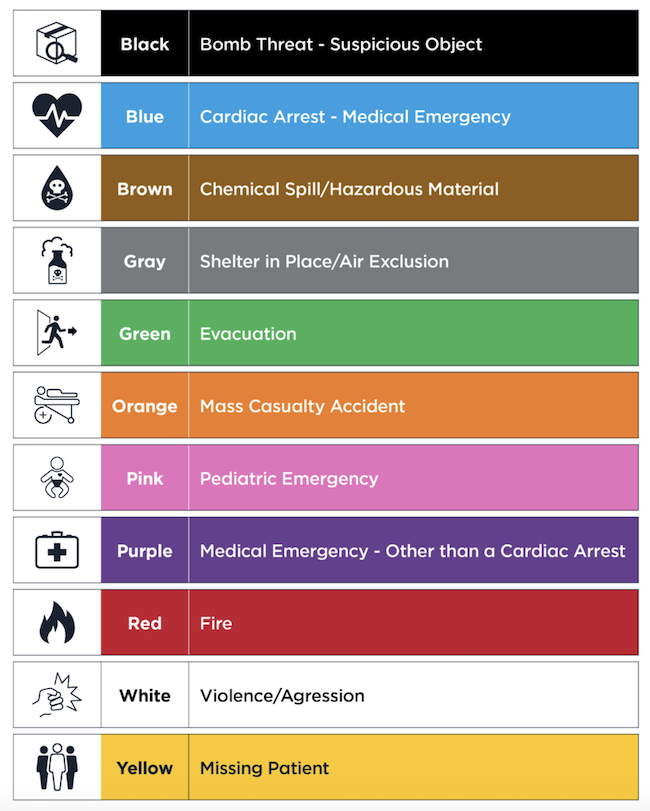
The threats that trigger a Code Black are diverse and can range from active shooter situations and bomb threats to significant security breaches or the presence of hazardous materials that haven’t been properly contained. The unpredictability and potential for rapid escalation of these threats necessitate a system that can rapidly assess the situation and initiate appropriate protective measures.
- Threat Detection and Surveillance Technologies: Modern hospitals are equipped with advanced surveillance systems. High-definition CCTV cameras, often integrated with intelligent video analytics, can help detect suspicious activity in real-time. These analytics can identify unusual patterns of movement, abandoned objects, or unauthorized access, providing early warnings that could prevent a situation from escalating to a Code Black.
- Access Control and Security Systems: Sophisticated electronic access control systems are paramount. These systems manage who can enter specific areas of the hospital and can be programmed to lock down certain zones automatically or remotely in response to a Code Black alert. Biometric scanners, key card readers, and integrated alarm systems all contribute to a layered security approach.
- Emergency Mass Notification Systems: When a Code Black is declared, it is imperative that everyone within the affected areas or the entire facility is alerted immediately and provided with clear instructions. Mass notification systems, often integrated with digital signage, intercoms, and personal communication devices, are designed for this purpose. These systems can push out pre-recorded messages or live instructions to ensure a coordinated and safe response.
The Role of Communication and Coordination Technologies
Effective communication is the linchpin of managing any Code Black incident. Technology plays a pivotal role in ensuring that information flows accurately and efficiently between security personnel, hospital administration, first responders, and potentially affected staff.
- Incident Command System (ICS) Software: Many hospitals utilize specialized software that supports an Incident Command System. This software provides a centralized platform for managing all aspects of an emergency response, including resource allocation, task assignment, communication logs, and situational awareness. During a Code Black, an ICS platform can help command staff to make informed decisions quickly.
- Secure Communication Channels: During a crisis, traditional communication channels can become overloaded or compromised. Hospitals often implement secure, encrypted communication channels for their security and administrative teams. This ensures that sensitive information related to the Code Black threat can be shared without risk of interception. This includes dedicated radio frequencies, secure mobile apps, and encrypted VoIP services.
- Integration with External Emergency Services: When a Code Black situation requires external intervention, seamless integration with local law enforcement and emergency medical services is critical. Technology facilitates this through direct communication links, shared situational awareness platforms, and the ability to transmit relevant data such as building layouts and real-time video feeds to responding agencies.
Technological Innovations Enhancing Code Black Preparedness and Response
The continuous advancement of technology offers hospitals increasingly sophisticated tools to anticipate, manage, and recover from Code Black events, moving beyond reactive measures to proactive prevention.
Predictive Analytics and Risk Assessment
The application of artificial intelligence and machine learning is beginning to revolutionize how hospitals approach security. By analyzing vast datasets, these technologies can identify patterns and predict potential threats before they materialize.
- Behavioral Analytics for Threat Identification: AI-powered video analytics can go beyond simple motion detection. They can analyze patterns of behavior, identifying individuals who may pose a risk based on their actions within the hospital environment. This can include loitering, unusual haste, or the carrying of suspicious items, allowing security to intervene proactively.
- Data Integration for Comprehensive Risk Assessment: By integrating data from various sources – including access control logs, security camera feeds, social media monitoring (where permissible and ethical), and even weather patterns that might influence crowd behavior – hospitals can develop a more holistic understanding of potential risks and vulnerabilities. This comprehensive data analysis can inform security protocols and resource allocation.
- Simulations and Training Platforms: Virtual reality (VR) and augmented reality (AR) are increasingly being used for training purposes. These immersive technologies allow staff to practice responding to Code Black scenarios in a safe, controlled environment. This helps familiarize personnel with protocols, communication procedures, and their roles during such events, thereby enhancing preparedness and reducing the likelihood of errors during a real incident.

Post-Incident Recovery and Analysis
The technological infrastructure also plays a crucial role in the aftermath of a Code Black, enabling effective recovery, debriefing, and continuous improvement of security protocols.
- Digital Forensics and Evidence Collection: In the event of a criminal act or a significant security breach, robust digital forensic capabilities are essential. This includes the secure storage and retrieval of CCTV footage, access control logs, and communication records, which are vital for investigations and legal proceedings.
- Automated Incident Reporting and Documentation: Technology can streamline the process of documenting incidents, creating detailed reports that capture the timeline, actions taken, and outcomes. This automated documentation process not only saves time but also ensures accuracy and completeness, which is crucial for post-incident analysis and future planning.
- Continuous Monitoring and System Improvement: After a Code Black, hospitals use the data and insights gathered through their technological systems to identify weaknesses and refine their security strategies. This iterative process of monitoring, analysis, and adaptation ensures that the hospital’s technological defenses remain robust and up-to-date against evolving threats.
In conclusion, while a Code Black at a hospital signifies a serious threat to safety and security, the effective management of such an event is profoundly enabled by a sophisticated and integrated technological framework. From the initial detection and communication of the threat to the coordinated response and post-incident analysis, technology serves as the invisible scaffolding that supports the hospital’s ability to protect its patients, staff, and visitors during moments of extreme crisis. The ongoing evolution of these technologies promises even greater resilience and proactive security measures in the future.
aViewFromTheCave is a participant in the Amazon Services LLC Associates Program, an affiliate advertising program designed to provide a means for sites to earn advertising fees by advertising and linking to Amazon.com. Amazon, the Amazon logo, AmazonSupply, and the AmazonSupply logo are trademarks of Amazon.com, Inc. or its affiliates. As an Amazon Associate we earn affiliate commissions from qualifying purchases.