
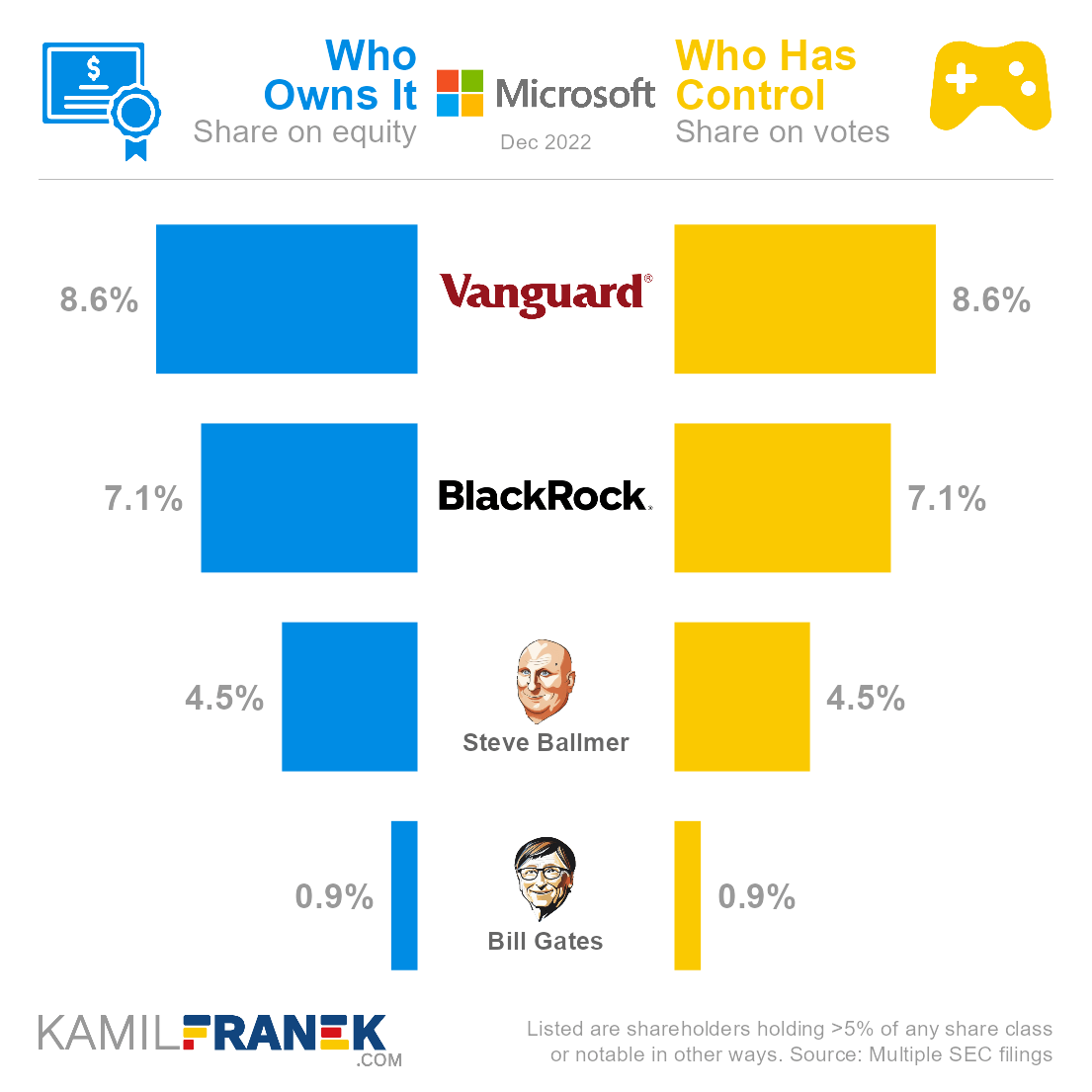
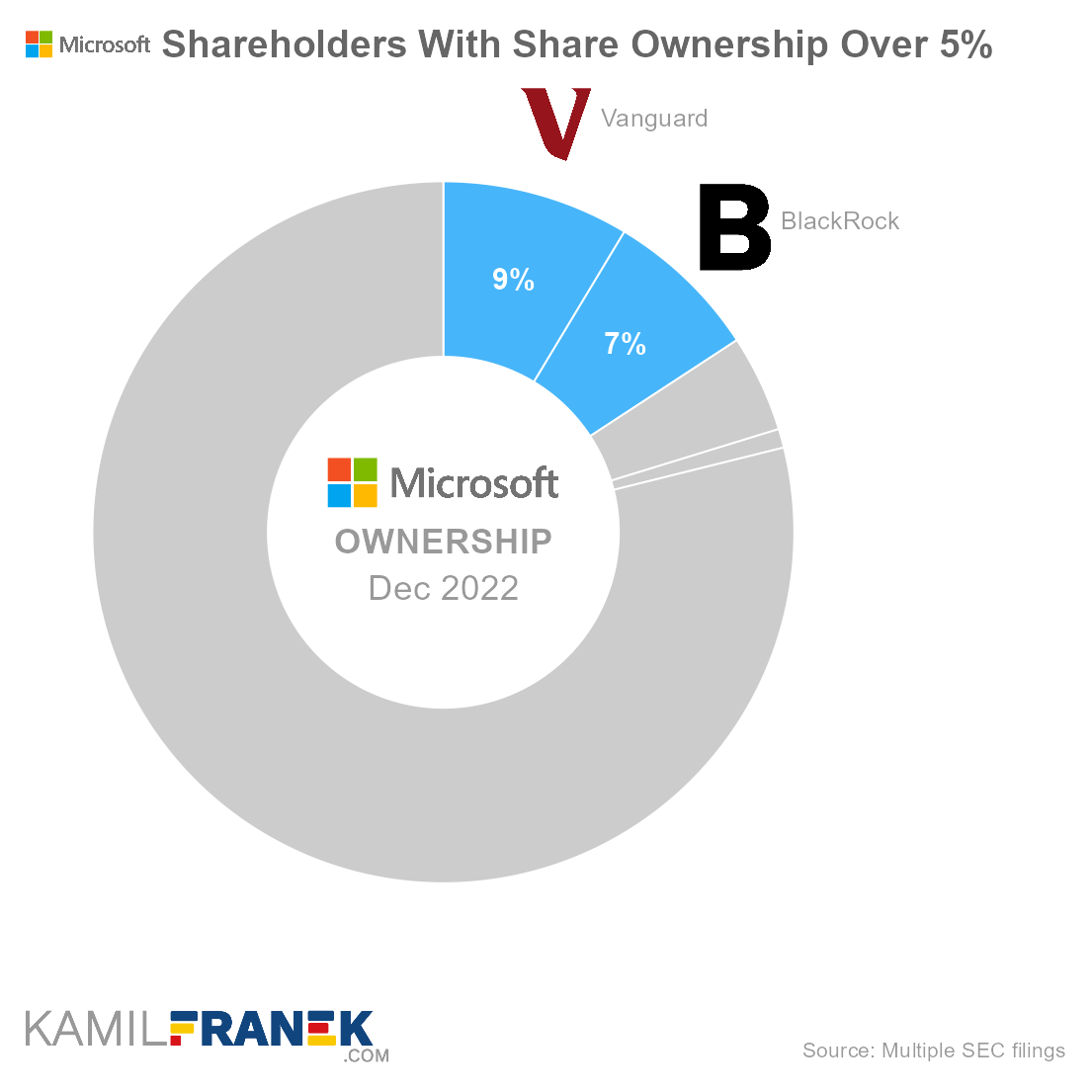
The question “who owns MSN?” might seem straightforward to many, with the immediate answer being Microsoft. However, beneath this simple fact lies a fascinating narrative of brand strategy, evolution, and perseverance in the ever-shifting sands of the digital landscape. MSN, a brand that has been a fixture on the internet since its nascent days, is far more than just a Microsoft-owned portal; it’s a case study in how a corporate giant like Microsoft nurtures, adapts, and leverages a key brand asset to meet evolving market demands and maintain relevance. This article delves into the strategic implications of Microsoft’s ownership, exploring how it has shaped MSN’s brand identity, its role within the broader Microsoft ecosystem, and its enduring value as a curated content powerhouse.
The Genesis of a Digital Giant: Microsoft’s Vision for MSN
In the mid-1990s, as the internet began to transition from a niche academic tool to a burgeoning public utility, Microsoft recognized an imperative need to establish its presence in this new frontier. The launch of MSN was not merely an experimental venture; it was a highly strategic move designed to secure Microsoft’s foothold in the burgeoning online world, directly challenging the dominant players of the era.
A Strategic Gambit in the Early Internet Wars
When Microsoft launched The Microsoft Network (MSN) in August 1995, coinciding with the release of Windows 95, it was a declaration of war in the nascent internet space. The landscape was then dominated by dial-up titans like America Online (AOL) and CompuServe, which offered proprietary walled-garden online services. Microsoft’s move was a bold strategic gambit: to leverage its overwhelming operating system dominance to bundle an internet service provider (ISP) and an online content portal directly into Windows. This was a clear attempt to control the entry point to the internet for millions of users, thereby establishing MSN as the de facto online experience. The brand promise was immense: a seamless, integrated gateway to information, communication, and entertainment, all powered by the familiar Microsoft ecosystem. This aggressive market entry strategy underscored Microsoft’s intent to not just participate in the internet revolution, but to lead it, making MSN a pivotal brand in its corporate identity.
Defining the Early Brand Identity
MSN’s initial brand identity was crafted to convey accessibility, comprehensiveness, and a certain degree of curated sophistication. Visually, it adopted a clean, professional aesthetic, often featuring the distinctive Microsoft corporate blue, aiming to project trustworthiness and reliability in a new, often bewildering online world. The brand positioned itself as an “all-encompassing gateway,” promising users not just internet access but also exclusive content, chat rooms, email, and communities. This holistic approach differentiated it from mere ISPs; MSN was conceived as a complete online destination. Its marketing emphasized ease of use and the benefits of integration with the Windows operating system, appealing to the vast base of Windows users who might find the broader internet intimidating. This early brand positioning laid the groundwork for MSN to be seen as more than just a collection of services; it was Microsoft’s interpretation of what the internet should be – organized, navigable, and inherently valuable.
MSN’s Evolving Role within the Microsoft Brand Ecosystem
The digital landscape of the mid-9ies was a volatile one, and MSN’s journey reflects a continuous adaptation to technological shifts, competitive pressures, and evolving user expectations. Microsoft’s strategic stewardship has seen the MSN brand transform from a standalone internet service to an integrated component, constantly redefining its purpose within the tech giant’s expansive portfolio.
From Standalone Service to Integrated Component
Initially, MSN was designed as a closed, proprietary service, akin to its competitors. However, as the World Wide Web exploded in popularity, Microsoft quickly pivoted, rebranding MSN in 1996 to focus more on its internet access and content portal aspects rather than just its proprietary features. This was a crucial strategic move that began its transition from a standalone ISP to a ubiquitous content and service hub embedded within the Windows experience. Over the years, MSN became deeply integrated into Microsoft’s product suite. Its brand became synonymous with the ‘start page’ for Internet Explorer, then Edge, and a default for various Microsoft services. This deep integration meant MSN’s brand perception was inextricably linked to the user’s overall Windows experience. It evolved from a destination to a functional utility, serving as a portal for news, weather, sports, and eventually integrating with services like Hotmail (later Outlook.com), Messenger, and later Bing. This integration reinforced its identity as a reliable, convenient, and ever-present digital companion, bolstering the overall Microsoft brand narrative of seamless productivity and information access.
Adapting to Shifting Digital Landscapes
The digital world is a graveyard of brands that failed to adapt. MSN, under Microsoft’s ownership, has demonstrated remarkable resilience and strategic flexibility. It navigated the dot-com bust, emerging leaner and more focused on its content portal aspects. The rise of Google and search engines as the primary internet gateway forced another significant pivot, shifting MSN’s focus from being the sole gateway to becoming a curated content aggregator. The advent of social media, mobile computing, and personalized feeds presented further challenges. Microsoft responded by consistently refining MSN’s offering, emphasizing high-quality content curation, personalization, and cross-device accessibility. This involved shedding less relevant features, enhancing its visual appeal, and leaning into its strengths as a news and lifestyle hub. This continuous adaptation, guided by Microsoft’s strategic oversight, ensured that the MSN brand, while no longer at the absolute forefront of internet innovation, remained a relevant and trusted source of information for a large global audience, reflecting a dynamic brand strategy focused on survival through evolution.
Synergies and Differentiators with Sister Brands
Within Microsoft’s vast portfolio, MSN has always had to find its distinct identity while leveraging synergies with sister brands. For instance, while MSN provided content, Outlook (formerly Hotmail) handled email, and Messenger facilitated instant communication. Later, Bing became the search engine. MSN’s role often became the “front page” that brought all these services together. It acted as a key entry point, directing users to other Microsoft properties and reinforcing a unified user experience. The challenge for Microsoft’s brand strategists was to ensure that MSN remained distinct enough to offer unique value (primarily curated content) without cannibalizing or being overshadowed by brands like Windows Live (a broader suite of online services) or the eventual integration with the Edge browser. By focusing on its strength as a reliable, curated news and lifestyle portal, MSN managed to carve out a niche that complemented, rather than competed directly with, other Microsoft offerings, solidifying its position as a crucial component of the overall brand ecosystem.
The Modern MSN: A Curated Content Powerhouse
In its current iteration, MSN has shed much of its early baggage as an ISP or a general-purpose portal. Under Microsoft’s strategic guidance, it has reinvented itself as a sophisticated, curated content platform, demonstrating a keen understanding of modern media consumption habits and digital brand engagement.
Reinventing for the Information Age
The last decade has seen MSN strategically reposition itself as a premier destination for curated news, information, and lifestyle content. Recognizing the overwhelming deluge of information online, Microsoft pivoted the MSN brand to focus on quality curation, drawing from a vast network of reputable publishers worldwide. This re-branding was a deliberate move to differentiate it from raw search engines or social media feeds. MSN became less about finding information and more about receiving trusted, pre-vetted content. This strategy positions MSN directly against established news aggregators like Yahoo News and Google News, aiming to capture users who seek a structured, reliable, and editorially responsible content experience. The shift signifies Microsoft’s commitment to maintaining a relevant media brand that speaks to the need for clarity and credibility in a fragmented media landscape.
Leveraging Data and Personalization for Brand Engagement
A key pillar of the modern MSN brand strategy is its sophisticated use of data and personalization. Leveraging Microsoft’s vast ecosystem of user data (anonymized and privacy-compliant, of course), MSN provides highly personalized news feeds, tailoring content to individual user preferences and browsing history. This intelligent curation enhances user experience by delivering relevant stories, weather, sports scores, and financial updates directly to their screens. For the MSN brand, personalization is not just a feature; it’s a core aspect of its brand promise. It aims to create a highly engaging, almost bespoke, content consumption experience that fosters loyalty and encourages repeat visits. This strategic use of data helps MSN maintain its sticky factor, making it a habit-forming destination for millions and cementing its brand as a smart, user-centric information hub.
The Visual and Experiential Brand Refresh
Accompanying its strategic re-focus, MSN has undergone significant visual and experiential brand refreshes. The current MSN portal is characterized by a clean, modern design with clear typography, intuitive navigation, and a focus on rich media. The user interface prioritizes readability and visual appeal, ensuring that the vast amount of content is presented in an accessible and engaging manner. Microsoft has invested heavily in creating a seamless cross-platform experience, ensuring that MSN looks and functions equally well on desktops, tablets, and smartphones. This consistent design language and user journey across devices reinforce a unified, professional, and reliable brand image. These aesthetic and functional improvements are crucial for a content-driven brand, as they directly impact user perception, trust, and overall satisfaction, allowing MSN to present a contemporary and polished face to its audience.
The Enduring Value of the MSN Brand for Microsoft
Despite its transformation and the dynamic changes in the digital sphere, the MSN brand continues to hold significant strategic and financial value for Microsoft. It serves as a testament to effective brand management and the long-term vision of a technology giant.
A Gateway to Microsoft Services
One of the primary enduring values of MSN for Microsoft is its role as a high-traffic gateway. For millions of users worldwide, MSN.com remains a habitual starting point for their online activities. This consistent traffic flow presents an invaluable opportunity to funnel users into other Microsoft services. A prominent bar at the top of the MSN page often links directly to Outlook (email), OneDrive (cloud storage), Office (productivity suite), and Bing (search engine). In essence, MSN acts as a crucial acquisition and retention funnel, subtly guiding users deeper into the Microsoft ecosystem. This strategic function ensures that the MSN brand is not just a content provider but a vital component in Microsoft’s broader strategy to enhance user engagement across its product and service offerings. Its brand strength contributes directly to the stickiness of the overall Microsoft portfolio.
Monetization and Advertising Strategy
Beyond its role as a service gateway, the MSN brand holds considerable value in the advertising ecosystem. Its immense global audience, diverse content categories (news, sports, finance, lifestyle), and sophisticated personalization capabilities make it a highly attractive platform for advertisers. Microsoft leverages MSN’s traffic and user data (in a privacy-compliant manner) to deliver targeted advertising, generating substantial revenue. The brand’s reputation for curated, credible content also appeals to advertisers seeking premium environments for their messages. This direct monetization through advertising is a significant contributor to Microsoft’s online services revenue, validating the sustained investment in the MSN brand. Its consistent reach and ability to attract quality ad impressions underline its commercial viability and strategic importance as a revenue-generating asset.
Sustaining Brand Relevance in a Fragmented Media Landscape
In an age where information is abundant and media consumption is highly fragmented across countless platforms, sustaining the relevance of a legacy brand like MSN is a formidable challenge. Microsoft’s strategy involves continuous innovation, content partnerships, and a focus on user experience. By consistently refreshing its content, embracing new technologies like AI for personalization, and maintaining a polished user interface, MSN navigates the competitive currents. Its enduring brand equity, built over decades of reliable service, gives it an inherent advantage. The MSN brand stands as a symbol of Microsoft’s long-term commitment to providing valuable online experiences, demonstrating that even in a rapidly evolving digital world, a well-managed brand with a clear purpose can continue to thrive and serve as a cornerstone of a larger corporate identity.

Conclusion
The question “who owns MSN?” indeed points to Microsoft, but the true depth of that ownership lies in the intricate story of brand development, strategic pivots, and enduring value. From its ambitious launch as a challenger in the early internet wars to its current incarnation as a sophisticated, curated content powerhouse, MSN’s journey is a testament to proactive brand management under consistent corporate stewardship. Microsoft has masterfully adapted the MSN brand, allowing it to shed old skins, embrace new technologies, and continually redefine its purpose within a dynamic digital ecosystem. It is not just a historical relic; it remains a strategically vital asset, serving as a gateway to other Microsoft services, a significant revenue generator through advertising, and a powerful symbol of Microsoft’s sustained commitment to online engagement. The MSN brand, therefore, stands as a compelling case study in how a legacy brand can not only survive but thrive by continuously evolving its identity and value proposition under the watchful eye of its corporate parent.
aViewFromTheCave is a participant in the Amazon Services LLC Associates Program, an affiliate advertising program designed to provide a means for sites to earn advertising fees by advertising and linking to Amazon.com. Amazon, the Amazon logo, AmazonSupply, and the AmazonSupply logo are trademarks of Amazon.com, Inc. or its affiliates. As an Amazon Associate we earn affiliate commissions from qualifying purchases.