
The global cruise industry is a complex tapestry of majestic ships, intricate logistics, and diverse ownership structures. Among its most prominent players is MSC Cruises, a brand synonymous with European elegance, family-friendly experiences, and ambitious global expansion. Yet, unlike some of its publicly traded competitors, the precise ownership of MSC Cruises often remains a point of curiosity for industry observers, potential investors, and passengers alike. Delving into “who owns MSC Cruise Lines” is not merely an exercise in corporate identification; it’s an exploration into the strategic advantages, financial backbone, and long-term vision afforded by a unique ownership model deeply rooted in family legacy and a broader maritime empire. This article will dissect the financial and structural realities behind MSC Cruises, positioning it firmly within the realm of business finance and investment analysis.

The Financial Architects: Unpacking MSC’s Private Ownership Structure
At the heart of MSC Cruises’ operations lies a fundamental truth that sets it apart from many of its rivals: it is a privately owned entity. This isn’t just a corporate detail; it’s a defining characteristic that shapes its financial strategies, investment horizons, and overall market behavior. Understanding this private ownership is key to grasping the company’s financial resilience and long-term strategic planning.
The Aponte Family and the MSC Group Ecosystem
MSC Cruises is a division of the Mediterranean Shipping Company S.A. (MSC Group), a conglomerate founded and controlled by the Aponte family. Gianluigi Aponte, a visionary Italian ship captain, started MSC in 1970 with a single cargo ship. Over five decades, under his stewardship and now increasingly led by his children Diego Aponte and Alexa Aponte Vago, the MSC Group has grown into one of the world’s largest and most diversified maritime businesses. Headquartered in Geneva, Switzerland, MSC Group’s primary business remains container shipping, where it holds a dominant global position.
MSC Cruises, established in 1989, represents a significant diversification strategy for the Aponte family, leveraging their deep maritime expertise and substantial financial resources. The family’s direct ownership means there are no external shareholders to appease, no quarterly earnings calls to manage public expectations, and no constant pressure from institutional investors for short-term gains. This centralized control provides unparalleled agility and allows for strategic decisions that might span decades rather than quarters.
Advantages of Private Ownership in the Cruise Sector
The privately held nature of MSC Cruises confers several distinct financial and operational advantages, particularly relevant in the capital-intensive and cyclical cruise industry:
- Long-Term Investment Horizon: Without the imperative to satisfy public shareholders seeking immediate returns, MSC can invest heavily in new ships, port infrastructure, and technological advancements with a view towards long-term market dominance rather than short-term profitability. This allows for massive capital expenditure projects, like multi-billion dollar new ship orders, to be financed and absorbed over extended periods.
- Strategic Agility and Confidentiality: Decision-making processes are streamlined, enabling swift responses to market shifts, competitive pressures, or emerging opportunities. Furthermore, financial and strategic details, often mandated for public disclosure by publicly traded companies, remain proprietary. This confidentiality can be a significant competitive advantage, especially in strategic negotiations or expansion plans.
- Reduced Regulatory Burden and Costs: Public companies face extensive regulatory compliance, auditing, and reporting requirements, which can be costly and time-consuming. Private ownership significantly reduces these overheads, allowing more resources to be channeled directly into core business operations and guest experience enhancements.
- Access to Internal Capital: The immense profitability and cash flow generated by the broader MSC Group, particularly its leading container shipping division, provide a robust internal source of capital for MSC Cruises. This allows the cruise line to pursue aggressive expansion, build state-of-the-art vessels, and weather economic downturns with greater financial stability compared to companies more reliant on external equity markets.
Business Finance and Strategic Positioning: MSC within the Global Market
MSC Cruises operates within a highly competitive global market dominated by a few large players. Its private ownership model profoundly influences its business finance strategies, its approach to market positioning, and its overall competitive dynamics. Examining these elements reveals how ownership translates into strategic power.
Funding Growth: Capital Expenditure and Debt Management
The cruise industry is incredibly capital-intensive, with new ships costing hundreds of millions to billions of dollars. MSC Cruises’ growth trajectory has been nothing short of aggressive, marked by a consistent stream of new vessel deliveries designed to expand its global footprint and passenger capacity. The funding for this expansion largely stems from a combination of internal capital from the MSC Group and strategically managed debt.
Unlike publicly traded companies that might issue new shares to raise capital, MSC primarily relies on its strong internal cash flow and access to favorable debt financing. The broader MSC Group’s formidable financial standing and strong balance sheet act as a significant guarantor, often allowing MSC Cruises to secure competitive loan terms from international banks and export credit agencies. This integrated approach to capital raising minimizes dilution of ownership and maintains tight financial control within the family. Decisions regarding debt levels, interest rate management, and investment in future capacity are made internally, allowing for a risk appetite that aligns with the family’s long-term vision rather than external market sentiment.
Competitive Landscape and Market Share
MSC Cruises has carved out a distinct niche, particularly strong in the European, South American, and Middle Eastern markets, and actively expanding its presence in North America and Asia. Its growth strategy has focused on modern, large vessels offering a blend of international ambiance, advanced technology, and diverse onboard experiences.
While giants like Carnival Corporation (owners of Carnival Cruise Line, Princess Cruises, Holland America Line, AIDA Cruises, Costa Cruises, etc.) and Royal Caribbean Group (owners of Royal Caribbean International, Celebrity Cruises, Silversea) are publicly traded, MSC Cruises’ private ownership doesn’t hinder its ability to compete fiercely. In fact, it often empowers it. Without the pressure of public financial disclosures, MSC can make bolder moves, invest in niche markets, or acquire assets without immediately telegraphing its intentions to rivals. Its financial muscle, backed by the entire MSC Group, allows for sustained investment in innovation, fleet modernization, and destination development (e.g., its private island Ocean Cay MSC Marine Reserve). This enables MSC to consistently vie for market share, offering competitive pricing and attractive itineraries while maintaining its signature brand identity.
Operational Synergies and Cost Efficiencies
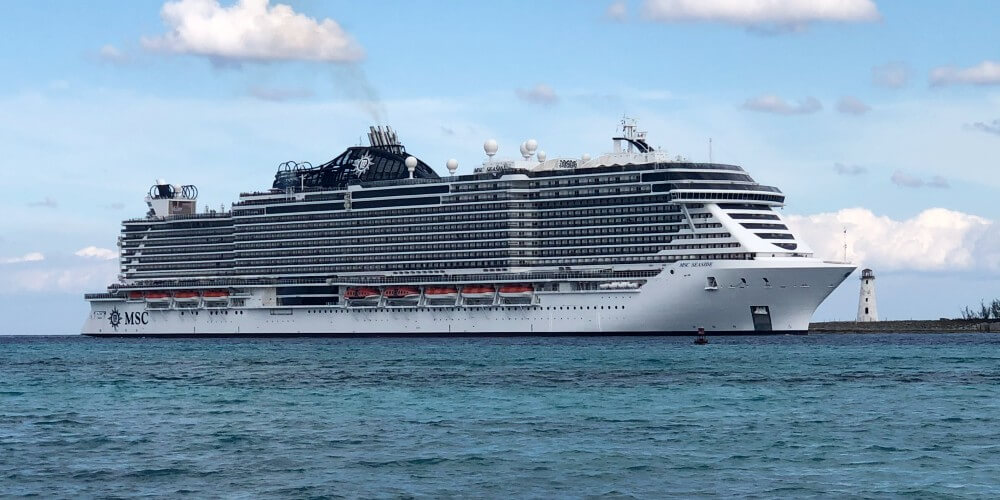
The integration of MSC Cruises within the larger MSC Group provides significant operational synergies and cost efficiencies. The group’s global presence in logistics, cargo shipping, and port operations offers unparalleled advantages:
- Supply Chain Optimization: Leveraging the MSC Group’s immense purchasing power and logistical networks for everything from fuel to provisions to spare parts. This results in significant cost savings that can be reinvested or passed on to consumers.
- Port Access and Development: MSC Group’s involvement in port terminals and logistics worldwide can facilitate preferential access, streamlined operations, and even direct investment in new cruise infrastructure, enhancing itinerary options and passenger experience.
- Shared Expertise and Resources: Cross-pollination of maritime knowledge, technological advancements, and human resources across the group’s diverse shipping, logistics, and cruise operations can lead to innovations and efficiencies that independent cruise lines might struggle to achieve.
Understanding the Financial Implications for Stakeholders
While MSC Cruises does not have public shareholders in the traditional sense, its ownership structure has profound financial implications for various stakeholders, including employees, suppliers, customers, and even the broader financial markets that interact with its debt and capital expenditure projects.
Stability and Employee Investment
For employees, a privately held, family-run business often translates into a sense of stability and a corporate culture that values long-term commitment. Without the short-term pressures of public reporting, the company can prioritize employee training, retention, and development, viewing these as investments in human capital rather than immediate costs to be cut. This can lead to higher employee morale and a more consistent service experience for customers, indirectly contributing to the company’s financial health and brand equity.
Supplier Relationships and Financial Strength
MSC Cruises, as part of the MSC Group, represents a massive client for shipbuilders, technology providers, food and beverage suppliers, and numerous other vendors. The financial stability and private ownership of MSC provide assurance to these suppliers regarding payment and long-term partnership opportunities. A financially robust, privately owned entity is often seen as a reliable partner, leading to favorable terms, innovative collaborations, and a steady stream of business for its vendor ecosystem. The group’s sheer size allows for significant economies of scale in procurement, further solidifying its financial position.
Customer Value and Investment in Experience
From a customer’s perspective, the financial backing and strategic freedom afforded by private ownership can translate into a superior product. MSC Cruises has consistently invested in cutting-edge ship designs, innovative onboard features, diverse entertainment options, and advanced environmental technologies. These investments, often substantial and requiring a long payback period, are easier to justify when decisions are insulated from quarterly financial market pressures. The ability to reinvest profits directly into the customer experience, without immediate dividends to external shareholders, allows MSC to continually enhance its offerings and deliver value, ultimately strengthening its brand loyalty and market appeal.
Navigating Future Financial Horizons under Private Control
The cruise industry has faced unprecedented challenges and demonstrated remarkable resilience. MSC Cruises, under the steady hand of its private ownership, has navigated these turbulent waters and is poised for continued growth, leveraging its unique financial advantages.
Resilience in Economic Downturns
The private ownership model has historically offered a buffer against economic shocks. During global crises, publicly traded companies often see their stock prices plummet, forcing difficult decisions that might compromise long-term strategy in favor of short-term financial survival. MSC Cruises, with its substantial internal resources and broader group diversification, has been able to weather downturns with greater financial flexibility. This allows for a more considered approach to fleet deployment, pricing strategies, and workforce management, aiming to preserve core capabilities and market position for the recovery phase. This resilience is a direct financial benefit of not being beholden to volatile public market sentiment.
Future Expansion and Strategic Investments
Looking ahead, MSC Cruises continues its ambitious expansion plans. The order book for new ships remains robust, signaling strong confidence in the future of cruising. These investments are not just about adding capacity; they are strategic moves to introduce new technologies, enhance environmental sustainability (e.g., LNG-powered vessels), and explore new destinations. The private ownership structure facilitates these high-stakes, long-term investments, allowing the company to commit significant capital to projects that may not yield immediate returns but are crucial for future competitiveness and market leadership. The ability to rapidly adapt to regulatory changes and consumer preferences, backed by substantial capital, positions MSC favorably for navigating the evolving landscape of travel and tourism.
Potential for Future Financial Restructuring?
While MSC Cruises currently thrives under private ownership, the question of a potential initial public offering (IPO) or other financial restructuring always lingers for successful private enterprises of its scale. Such a move could provide access to vast public capital markets, potentially accelerating growth further or allowing original investors (the Aponte family) to monetize a portion of their holdings. However, it would also introduce the pressures and disclosures inherent in public ownership. Given the MSC Group’s immense financial strength and its historical preference for private control, any such move would likely be a carefully considered strategic decision, weighing the benefits of public capital against the loss of strategic autonomy and the introduction of external shareholder demands. For now, the Aponte family’s continued direct ownership provides MSC Cruises with a distinct financial identity, enabling a strategic approach that prioritizes long-term vision and operational independence within the global cruise market.
In conclusion, “who owns MSC Cruise Lines” points to the formidable and strategically advantageous private ownership by the Aponte family through the MSC Group. This structure is not merely an administrative detail but the bedrock of MSC Cruises’ financial strength, long-term strategic planning, aggressive growth trajectory, and competitive edge in the highly capital-intensive global cruise industry. It exemplifies how business finance and corporate structure can profoundly influence a company’s market behavior, resilience, and ultimate success.
aViewFromTheCave is a participant in the Amazon Services LLC Associates Program, an affiliate advertising program designed to provide a means for sites to earn advertising fees by advertising and linking to Amazon.com. Amazon, the Amazon logo, AmazonSupply, and the AmazonSupply logo are trademarks of Amazon.com, Inc. or its affiliates. As an Amazon Associate we earn affiliate commissions from qualifying purchases.