
The question of which comic book titan, DC or Marvel, predates the other is more than a simple historical inquiry; it delves into the foundational brand strategies, market positioning, and corporate identities that have shaped an entire industry. Understanding their origins is crucial for appreciating their distinct brand narratives, competitive legacies, and their enduring impact on global pop culture. While often perceived as contemporaneous giants, their initial forays into the comic book world reveal distinct timelines and approaches that laid the groundwork for the brands we know today.
The Dawn of an Era: Unpacking the Origins of Two Comic Book Giants
The origins of DC and Marvel are rooted in the nascent days of the American comic book industry, a period characterized by rapid innovation and a burgeoning appetite for serialized visual storytelling. Their respective birth dates are key to understanding their initial brand establishment and how they carved out their unique niches.
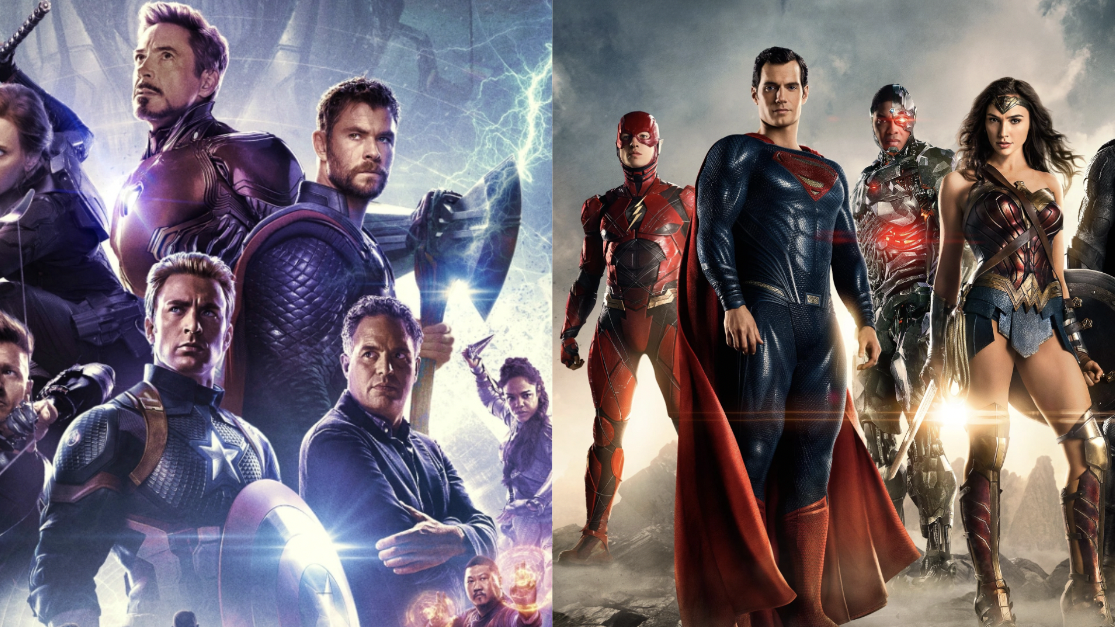
Detective Comics (DC) Comics: A Legacy Forged in the Golden Age
The entity that would eventually become DC Comics began its journey significantly earlier. Its roots trace back to National Allied Publications, founded in 1934 by Malcolm Wheeler-Nicholson. This company pioneered the concept of original comic book material, moving beyond reprinted newspaper strips. Its first publication, New Fun: The Big Comic Magazine (later More Fun Comics), debuted in February 1935, marking a pivotal moment in the industry’s history.
However, the true birth of the DC brand as a superhero powerhouse came with the formation of Detective Comics, Inc. in 1937, a merger between National Allied Publications and Detective Comics, Inc., co-founded by Wheeler-Nicholson, Harry Donenfeld, and Jack Liebowitz. This new entity launched Detective Comics in March 1937. It was within the pages of this very title that the iconic Batman made his debut in issue #27 (May 1939). Crucially, earlier, National Allied Publications had already introduced the world to Superman in Action Comics #1 (June 1938), a character so revolutionary he single-handedly defined the superhero genre and propelled the company, soon rebranded as National Comics Publications, to unprecedented success.
By 1946, National Comics Publications, along with its sister companies All-American Publications and Detective Comics, Inc., formally merged into National Periodical Publications. It wasn’t until the 1970s that the company officially adopted the widely recognized DC Comics name, solidifying a brand identity that had been implicitly in use for decades, deriving from their popular Detective Comics title and the distinct “DC” bullet logo.
Marvel Comics: From Timely to the Modern Marvel
Marvel Comics’ genesis is slightly later, beginning with Timely Comics, founded by Martin Goodman in 1939. Goodman, a pulp magazine publisher, saw the immense potential in the burgeoning comic book market following the success of Superman. Timely Comics’ first publication, Marvel Comics #1, hit newsstands in October 1939. This inaugural issue famously introduced the original Human Torch and Sub-Mariner, characters who would become early cornerstones of the Timely brand.
Unlike DC’s relatively stable corporate structure through the Golden Age, Timely Comics underwent several significant transformations in its brand identity and market approach. In the post-World War II slump for superheroes, Goodman rebranded the company as Atlas Comics in 1951, focusing on a diverse range of genres including horror, Westerns, crime, and romance comics. This period saw the company attempting to adapt to shifting reader tastes, experimenting with different brand portfolios.
The true “Marvel Age” began in 1961 with the launch of Fantastic Four #1, overseen by editor and head writer Stan Lee, with art by Jack Kirby and Steve Ditko. This marked a pivotal moment where the company, operating under the Marvel Comics brand name once again (though not formally incorporated as Marvel Comics Group until 1972), rediscovered its superhero identity and carved out a unique brand voice that would define it for generations. This re-emergence solidified “Marvel” as the primary brand identifier, leveraging the recognition from its very first comic book.
Brand Identity and Early Market Positioning: A Tale of Two Strategies
The chronological difference in their emergence directly influenced their initial brand identities and market positioning. DC, with its head start, had the opportunity to define the superhero archetype, while Marvel, coming slightly later, developed a strategy of differentiation and innovation.
DC’s Foundational Pillars: Archetypes and Myth-Making
Having established itself earlier, DC Comics capitalized on the novelty of the superhero concept. Its early success with Superman and Batman allowed it to build a brand identity centered around archetypal heroes and myth-making. DC’s characters were often depicted as larger-than-life figures, paragons of virtue, and aspirational ideals. Superman was the ultimate immigrant story, a god among men; Batman, the peak of human potential, driven by an unwavering moral code. Wonder Woman, introduced in 1941, further cemented this identity with her embodiment of Amazonian strength and compassion.
This approach fostered a corporate identity that emphasized grandeur, timelessness, and a clear moral compass. DC’s universe felt grand, almost regal, building a sense of established history and order. Their brand narrative was one of unwavering heroism, a testament to justice and truth that resonated with audiences seeking clear-cut champions. This strategy created a robust foundation, positioning DC as the definitive purveyor of heroic sagas, creating the very blueprint for the superhero genre.
Marvel’s Relatability Revolution: Heroes with Human Flaws

When Marvel, under its Timely and Atlas guises, eventually re-entered the superhero market in force in the early 1960s, the landscape had changed, and DC had already staked its claim on the traditional superhero archetype. Marvel’s breakthrough came from a conscious brand strategy of differentiation through relatability. Stan Lee, Jack Kirby, and Steve Ditko pioneered a new type of hero: one who was powerful but deeply flawed, facing not only super-villains but also everyday struggles.
Spider-Man, who debuted in Amazing Fantasy #15 (1962), became the epitome of this strategy. Peter Parker was a high school student grappling with homework, bullies, financial woes, and personal angst, making his alter-ego profoundly relatable to a teenage audience. Similarly, the Fantastic Four were a dysfunctional family, and the X-Men were outcasts struggling with prejudice.
This approach allowed Marvel to cultivate a brand identity that was more grounded, emotionally complex, and arguably, more human. Their characters, despite their fantastic powers, were depicted as “people just like you and me,” facing real-world problems. This “world outside your window” philosophy resonated strongly with a new generation of readers, establishing Marvel as the brand for dynamic, character-driven storytelling that challenged the more idealized narratives of its competitors. It was a strategic move to capture market share by offering a distinct voice and perspective that contrasted sharply with DC’s established heroic pantheon.
The Competitive Landscape and Brand Evolution Over Decades
The initial branding choices and chronological head start created a dynamic rivalry that has defined the comic book industry and beyond. Both brands continuously evolved, influenced by each other’s successes and failures.
Shaping the Industry: Innovation and Rivalry
DC’s early dominance spurred Marvel to innovate, and Marvel’s subsequent “Age” prompted DC to re-evaluate its own brand. DC perfected the shared universe concept with the Justice Society of America in the 1940s and revitalized it with the Justice League of America in the 1960s, a brand strategy that became a cornerstone of superhero storytelling. Marvel refined this concept by ensuring its characters frequently crossed paths and inhabited the same continuous, evolving world, creating a dense, interconnected narrative tapestry.
Their rivalry wasn’t just about sales; it was about shaping audience expectations and driving creative evolution. Periods of perceived dominance by one brand often led to significant creative shifts or reboots by the other, as both companies strove to maintain relevance and competitive advantage. The competition compelled both brands to constantly refine their storytelling, artwork, and character development, elevating the entire medium.
Adapting to Modern Audiences: Beyond the Comic Page
In the modern era, the brand battle has extended far beyond the printed page. Both DC and Marvel have expanded their corporate identities and intellectual properties into film, television, video games, merchandise, and theme park attractions, becoming multi-billion-dollar entertainment juggernauts.
DC, under Warner Bros., and Marvel, under Disney, leverage their vast libraries of characters to create interconnected cinematic universes. The distinct brand identities forged in their early years—DC’s more mythic and often darker tone versus Marvel’s more grounded and character-driven approach—continue to inform their adaptations across various media. While both have experimented with shifting tones, their core brand values, rooted in their origins, often shine through. Their histories provide a rich foundation for continuous brand reinvention and expansion, allowing them to capture new audiences while retaining their legacy fanbase.
The Enduring Brand Power: Why Origins Still Matter
The question of which came first, DC or Marvel, is more than a trivial pursuit; it’s a testament to how foundational history shapes brand identity, market positioning, and long-term success.
Legacy as a Brand Asset
DC Comics, as the elder statesman, holds the distinction of having introduced the very concept of the modern superhero to the world. This “first mover” advantage, particularly with Superman, is an undeniable brand asset, endowing DC with a sense of historical gravitas and a foundational role in pop culture. Their legacy is about pioneering, setting benchmarks, and establishing the genre’s initial language.
Marvel, while coming slightly later, built its legacy on disruption and innovation within that established framework. Its history is one of challenging conventions, injecting realism and emotional depth into superhero narratives. Both legacies are powerful and distinct, demonstrating that being “first” can create an enduring foundation, but strategic differentiation can equally build an unparalleled brand. These histories are continuously celebrated, referenced, and reimagined, proving that a brand’s origin story is a crucial part of its ongoing narrative and appeal.
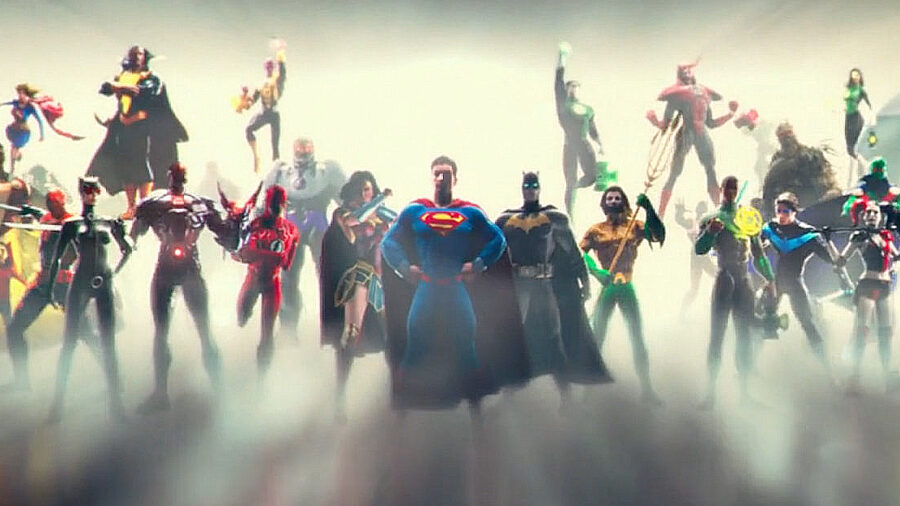
A Duopoly Defining an Industry
Ultimately, DC and Marvel represent an iconic duopoly that has defined and dominated the superhero genre for nearly a century. Their individual journeys, though distinct in their beginnings and initial strategies, have synergistically fueled the growth of the entire comic book industry and, by extension, much of modern entertainment. The inquiry into their origins highlights how two powerful brands, each with unique foundational principles, can coexist, compete, and collectively shape a cultural phenomenon. Their story is a masterclass in brand development, illustrating the power of identity, positioning, and continuous evolution in a competitive market.
aViewFromTheCave is a participant in the Amazon Services LLC Associates Program, an affiliate advertising program designed to provide a means for sites to earn advertising fees by advertising and linking to Amazon.com. Amazon, the Amazon logo, AmazonSupply, and the AmazonSupply logo are trademarks of Amazon.com, Inc. or its affiliates. As an Amazon Associate we earn affiliate commissions from qualifying purchases.