
In the hyper-competitive landscape of the “streaming wars,” where giants like Netflix, Disney+, and Amazon Prime Video battle for global dominance, smaller, specialized platforms have carved out highly profitable territories. Acorn TV, often referred to as the “Netflix for Anglophiles,” is a prime example of a niche Subscription Video on Demand (SVOD) service that has mastered the art of high-margin, targeted content. However, to understand the financial stability and growth trajectory of Acorn TV, one must look beyond the British mysteries and period dramas to the corporate powerhouse that controls it: AMC Networks.
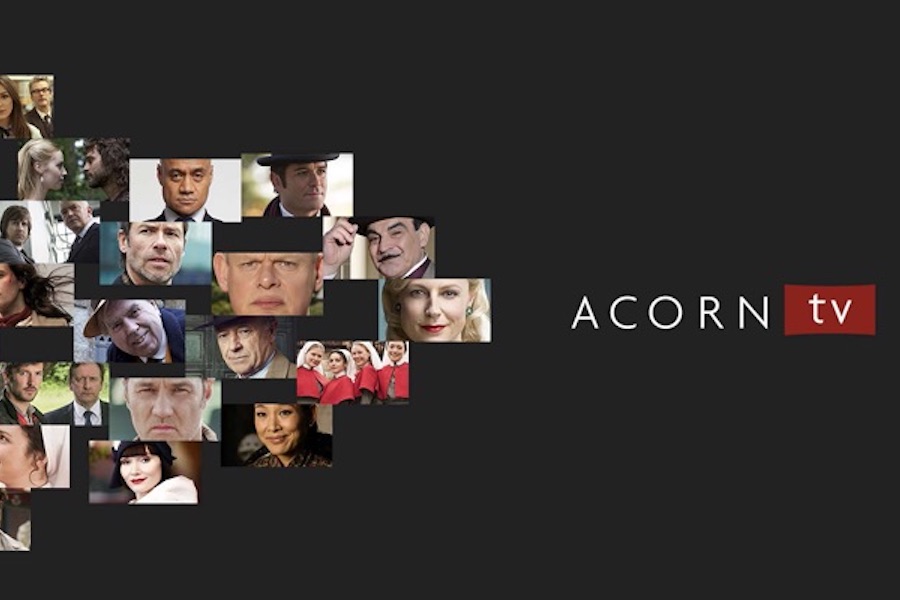
The ownership of Acorn TV is not just a matter of corporate record; it is a case study in strategic acquisition, market segmentation, and the financial viability of “super-serving” specific demographics. By moving from an independent entity to a core pillar of a major media conglomerate, Acorn TV has secured the capital necessary to transition from a content aggregator to a major producer of original intellectual property.
The Ownership Evolution: From RLJ Entertainment to AMC Networks
The journey of Acorn TV’s ownership is inextricably linked to the vision of Robert L. Johnson, the founder of Black Entertainment Television (BET). In the early 2010s, Johnson’s company, RLJ Entertainment, recognized a massive, underserved market: North American viewers with an insatiable appetite for British, Australian, and Kiwi television.
The RLJ Entertainment Era
Acorn TV began its life under the umbrella of RLJ Entertainment. During this period, the service focused on a lean business model, licensing existing libraries from the BBC, ITV, and Channel 4. Financially, RLJ Entertainment operated on the fringe of the major media ecosystems, proving that a low-overhead, high-loyalty subscriber base could generate consistent cash flow. Unlike generalist streamers that must spend billions on a wide variety of genres, Acorn TV’s narrow focus allowed for surgical marketing spend and high retention rates.
The AMC Networks Acquisition
The landscape shifted dramatically in 2018. AMC Networks, the entity behind prestige television hits like Mad Men and The Walking Dead, moved to acquire the remaining shares of RLJ Entertainment that it did not already own. The deal, valued at approximately $65 million, was a calculated financial maneuver. AMC Networks was looking to diversify its revenue streams away from traditional linear cable advertising, which was in a secular decline, toward direct-to-consumer digital subscriptions.
By bringing Acorn TV fully in-house, AMC Networks gained a proven digital platform with over one million paying subscribers at the time. This acquisition was the cornerstone of AMC’s broader strategy to become the premier provider of “targeted” streaming services, a move that set them apart from competitors who were chasing the “everything to everyone” model.
The Business Model of Targeted SVOD Services
From a financial perspective, Acorn TV’s value lies in its efficiency. While Netflix might spend $17 billion annually on content to satisfy a global audience, AMC Networks uses Acorn TV to exploit a specific market inefficiency. The cost of acquiring a subscriber (CAC) for a niche service is often significantly lower because the marketing can be highly localized to specific interests—in this case, mystery fans and lovers of international drama.
Customer Lifetime Value and Retention
In the world of subscription finance, churn is the ultimate enemy. Acorn TV boasts some of the lowest churn rates in the industry. This is largely due to its demographic—primarily older, affluent viewers who are less likely to “hop” between services based on a single hit show. For AMC Networks, this creates a predictable, recurring revenue stream that acts as a financial stabilizer against the more volatile performance of its theatrical or ad-supported divisions.
The “Silver Streamer” Demographic
Acorn TV has successfully tapped into the “Silver Economy.” Older consumers generally have more disposable income and high brand loyalty. By owning Acorn TV, AMC Networks controls a platform that effectively monetizes a demographic that is often overlooked by tech-heavy Silicon Valley streamers. This ownership allows AMC to cross-leverage data across its other platforms, identifying overlapping interests between Acorn TV subscribers and viewers of its other prestige dramas.

Strategic Asset Allocation: Why Acorn TV is a Financial Anchor for AMC
Since the acquisition, AMC Networks has integrated Acorn TV into a sophisticated portfolio of “boutique” streaming services, including Shudder (horror), Sundance Now (indie film and prestige drama), and ALLBLK (Black interest content). This portfolio approach allows the parent company to achieve economies of scale that would be impossible for an independent niche streamer.
Shared Infrastructure and Costs
The financial genius of AMC’s ownership lies in the backend. While Acorn TV maintains its unique brand identity and content library, it shares its technological infrastructure, billing systems, and customer support with Shudder and Sundance Now. This shared services model drastically reduces the operational expenditure (OPEX) for each individual service. When a subscriber joins Acorn TV, a larger percentage of that monthly fee goes directly to the bottom line because the fixed costs are spread across the entire AMC+ ecosystem.
The AMC+ Bundle Strategy
Ownership of Acorn TV also allowed AMC to launch “AMC+,” a premium bundle that includes several of its niche services for a single price. This is a classic financial play: increasing the Average Revenue Per User (ARPU) by offering a “super-service.” For investors, this makes AMC Networks a more resilient company. If a subscriber tires of British mysteries, they might find value in the horror content on Shudder, keeping the subscription dollars within the AMC ecosystem regardless of the specific content consumed.
Acquisitions and Global Expansion: The Capital Behind the Content
Under the ownership of AMC Networks, Acorn TV has transitioned from a mere distributor to a major financier of television production. This shift is critical for long-term financial health. Owning the underlying IP (Intellectual Property) is far more valuable than simply licensing it for a limited window.
Investing in Originals
Acorn TV now commissions its own “Acorn TV Originals,” such as Agatha Raisin, Whitstable Pearl, and The Chelsea Detective. By funding these productions, AMC Networks secures the global rights to these shows. They can then license these programs to international broadcasters in territories where Acorn TV does not yet operate, creating a secondary revenue stream through content syndication. This vertical integration—owning the platform, the production company, and the distribution rights—is the gold standard of media finance.
Global Market Penetration
AMC Networks has used its capital to expand Acorn TV’s footprint far beyond North America. Today, the service is available in the United Kingdom, Australia, New Zealand, and parts of Latin America and Europe. This global expansion is a capital-intensive endeavor that would have been difficult for RLJ Entertainment to execute on its own. AMC’s balance sheet provided the necessary runway to navigate the regulatory and marketing hurdles of international expansion, turning Acorn TV into a global brand.
The Macroeconomic Outlook for Niche Streaming Ownership
The current economic climate, characterized by higher interest rates and a demand for profitability over raw subscriber growth, favors the AMC/Acorn TV model. While the “Big Tech” streamers are being forced to implement password-sharing crackdowns and ad-supported tiers to appease Wall Street, Acorn TV remains a lean, profitable machine.
Potential for Further Consolidation
In the broader market, there is ongoing speculation regarding the future of mid-sized media companies like AMC Networks. Because AMC owns such valuable, high-retention assets like Acorn TV, it remains an attractive target for larger conglomerates or private equity firms looking to acquire “cash-cow” streaming services. The ownership of Acorn TV isn’t just about the present; it’s about the strategic value of the asset in a consolidated future.
The Resilience of Niche Portfolios
As the streaming market matures, the “bundled niche” strategy appears to be one of the most sustainable financial paths forward. By owning Acorn TV, AMC Networks has proven that you don’t need 200 million subscribers to be a successful player in the digital age. You need a dedicated audience, controlled costs, and a clear understanding of the financial value of the content you provide.
In conclusion, the ownership of Acorn TV by AMC Networks represents a sophisticated intersection of media and finance. It is a testament to the power of targeted content and the efficiency of a consolidated corporate structure. For the viewer, Acorn TV is a source of high-quality British drama; for the parent company, it is a high-margin, low-churn asset that provides essential stability in an unpredictable media economy. As the industry continues to evolve, the financial blueprint established by AMC Networks through Acorn TV will likely serve as a model for how specialized streaming can thrive alongside the industry’s giants.
aViewFromTheCave is a participant in the Amazon Services LLC Associates Program, an affiliate advertising program designed to provide a means for sites to earn advertising fees by advertising and linking to Amazon.com. Amazon, the Amazon logo, AmazonSupply, and the AmazonSupply logo are trademarks of Amazon.com, Inc. or its affiliates. As an Amazon Associate we earn affiliate commissions from qualifying purchases.