
The question “who owns a bank?” seems straightforward, yet its answer is far from simple. For many, a bank might appear as an impersonal corporate entity, perhaps even a public utility. However, peeling back the layers reveals a complex tapestry of ownership structures, each with distinct implications for how a bank operates, whom it serves, and its broader impact on the economy. Understanding these varied forms of ownership is crucial for anyone engaging with the financial system, from individual depositors and small business owners to investors and policymakers. It sheds light on a bank’s priorities, its risk appetite, and ultimately, its commitment to its stakeholders. This article delves into the diverse world of bank ownership, exploring the different models and their far-reaching consequences within the financial landscape.
Diverse Ownership Structures in Banking
Banks, despite their common function of facilitating financial transactions, do not adhere to a single ownership model. Their legal and operational structures are highly diverse, shaped by history, regulation, and the economic objectives they are designed to serve. These structures significantly influence a bank’s strategic direction, its customer service philosophy, and its overall contribution to the financial system.
Publicly Traded Banks
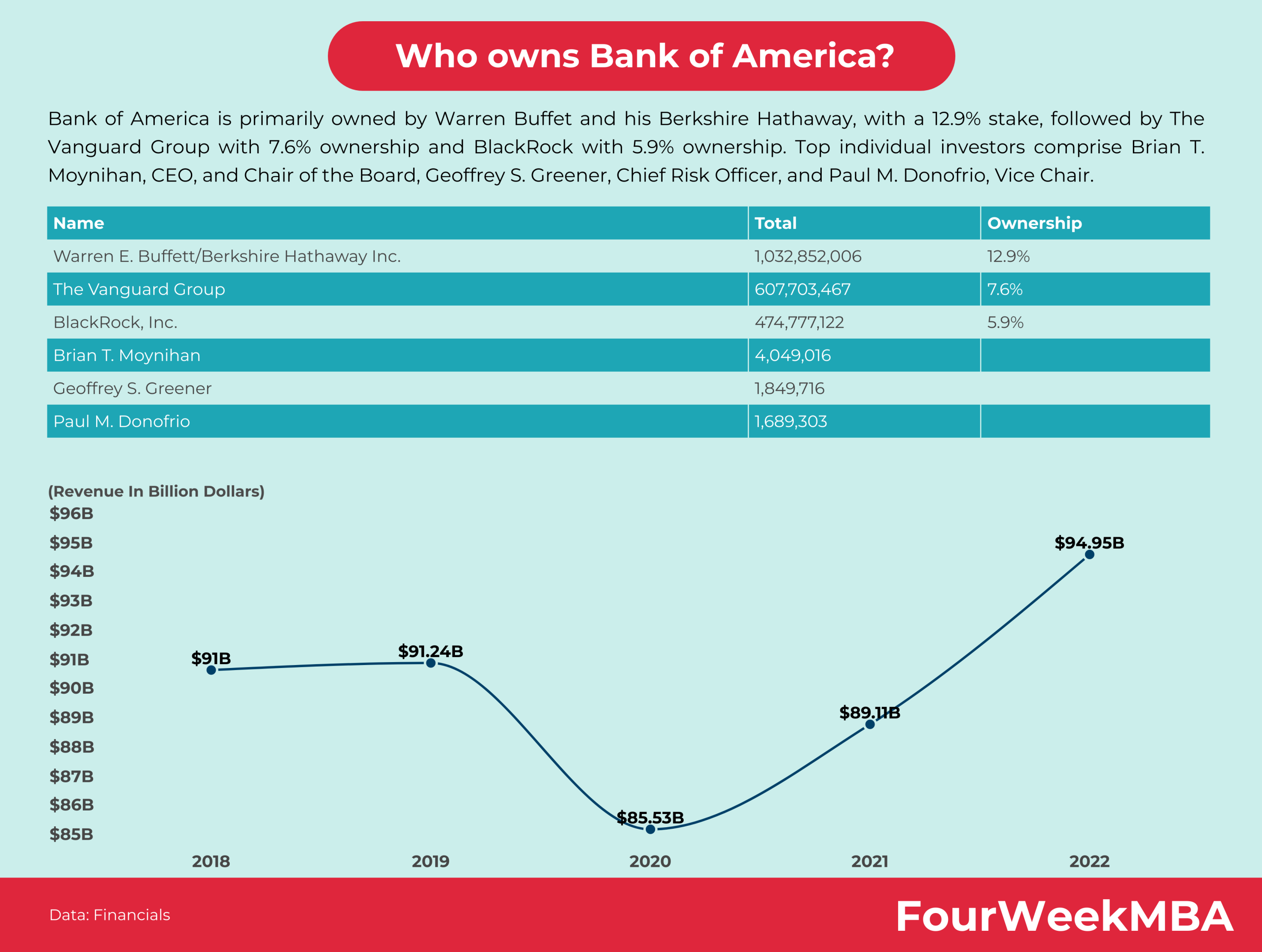
By far the most common and recognizable ownership structure for large financial institutions is that of the publicly traded company. These banks are corporations whose shares are listed and traded on stock exchanges, making them accessible to a vast array of investors worldwide. Examples include global giants like JPMorgan Chase, Bank of America, HSBC, and Barclays.
In a publicly traded bank, ownership is distributed among its shareholders. These shareholders can range from individual retail investors who own a few shares to massive institutional investors like pension funds, mutual funds, and hedge funds, which might hold significant stakes. Each share represents a fractional ownership in the company and typically confers voting rights, allowing shareholders to elect the board of directors and influence major corporate decisions. The primary objective of these banks, driven by the demands of their shareholders, is to maximize profitability and increase shareholder value. This often translates into a focus on revenue growth, cost efficiency, and strategic expansion, all aimed at boosting the stock price and generating dividends. While this model can lead to robust capital raising capabilities and market discipline, it also introduces pressure for short-term performance, which can sometimes influence decision-making over longer-term considerations.
Mutually Owned Banks: Credit Unions and Mutual Savings Banks
In stark contrast to publicly traded banks are mutually owned institutions, where the owners are also the customers. This category predominantly includes credit unions and, historically, mutual savings banks. These institutions operate on a “not-for-profit” principle, meaning their primary goal is to serve their members rather than generate profits for external shareholders.
Credit unions are member-owned financial cooperatives. When you deposit money into a credit union, you become a member and a co-owner. This ownership structure grants members democratic control, typically through a “one member, one vote” system, regardless of the amount deposited. The surplus earnings generated by credit unions are generally reinvested into the institution to offer better interest rates on savings, lower rates on loans, fewer fees, and improved services to their members. This model fosters a strong community focus and a commitment to member well-being, often resulting in higher customer satisfaction and a more personalized banking experience. Mutual savings banks, while less common today, historically operated on a similar principle, owned by their depositors and managed for their collective benefit, emphasizing stability and local community support.
Privately Owned Banks
A less visible but equally significant category consists of privately owned banks. These institutions are not publicly traded on stock exchanges; instead, they are owned by individuals, families, or private equity firms. This structure is often found in smaller, regional banks, some specialized investment banks, or very old family-run institutions.
The key characteristic of privately owned banks is their limited number of owners. This allows for greater privacy in their operations and strategic decision-making, as they are not subject to the extensive public reporting requirements of publicly traded companies. Ownership often comes with a longer-term strategic vision, unburdened by quarterly earnings pressure. Decisions can be made with a focus on generational wealth, specialized market niches, or specific philanthropic goals of the owners. However, private banks may face challenges in raising capital compared to their publicly traded counterparts, relying more on retained earnings or private investment rounds. Their governance is typically more centralized, with owners often directly involved in management and oversight.
Government-Owned Banks (State-Owned Banks)
In many countries, governments play a direct role in the banking sector through state-owned banks. These institutions are wholly or majority-owned by national or sub-national governments. While common in socialist economies, even capitalist nations often have some form of government ownership, particularly in development banks or specialized financial institutions.
The primary objective of government-owned banks is often to serve public policy goals rather than pure commercial profitability. These goals might include stimulating economic development, financing strategic industries, providing financial services in underserved regions, or ensuring stability during financial crises. Examples include the various state-owned banks in China, or national development banks in many emerging economies. While they can act as powerful tools for government policy and provide stability, they can also be susceptible to political interference, inefficiency, or a lack of market discipline compared to their private counterparts. Their capital base and operational mandates are directly tied to government budgets and political priorities.
The Role of Shareholders and Stakeholders
Beyond the fundamental ownership structure, the diverse interests and influences of various groups significantly shape a bank’s strategic direction and day-to-day operations. No bank operates in a vacuum, and the interplay between owners, investors, and internal governance is critical to its success and stability.
Institutional Investors and Activist Shareholders
In the realm of publicly traded banks, institutional investors wield immense power. These include large pension funds, sovereign wealth funds, mutual funds, and hedge funds that manage colossal sums of money on behalf of their clients or beneficiaries. When these institutions acquire substantial blocks of a bank’s stock, they become powerful voices in corporate governance. They often engage with management and the board of directors on issues ranging from executive compensation and environmental, social, and governance (ESG) practices to major strategic shifts like mergers and acquisitions.
A particularly influential subset comprises activist shareholders. These investors deliberately acquire significant stakes in companies with the express purpose of advocating for specific changes. Their demands can vary widely, from pushing for a spin-off of a particular business unit, advocating for a change in leadership, or demanding a revised capital allocation strategy to boost shareholder returns. Their involvement can sometimes be disruptive but can also serve as a powerful catalyst for improved corporate performance and accountability.
The Board of Directors
Central to the governance of any bank is its board of directors. Whether elected by shareholders in publicly traded banks or by members in mutually owned institutions, the board serves as the primary oversight body. Its responsibilities are vast, encompassing the appointment and supervision of senior management, the setting of long-term strategic goals, the approval of major financial decisions, and ensuring compliance with a labyrinthine web of banking regulations.
A well-functioning board is critical for a bank’s stability and ethical conduct. It acts as a check on executive power, ensuring that the bank’s operations align with the interests of its owners (shareholders or members) while also considering the broader interests of other stakeholders, including depositors, employees, and the communities it serves. The composition of the board—its mix of independent directors, industry experts, and diverse backgrounds—is often seen as an indicator of a bank’s governance quality.
Management and Employees

While not typically considered “owners” in the traditional equity sense, a bank’s executive management and its broader employee base exert profound influence over its operations and success. The CEO and other C-suite executives are responsible for executing the board’s strategic vision, managing day-to-day operations, developing products, and cultivating customer relationships. Their expertise, leadership, and decision-making directly impact profitability, innovation, and risk management.
Employees, from tellers and loan officers to software developers and compliance officers, are the direct interface with customers and the engine that drives the bank’s services. Their engagement, skill, and adherence to ethical standards are vital for maintaining customer trust and operational efficiency. Employee incentive structures, corporate culture, and professional development programs can all significantly shape how a bank performs and how it is perceived by its customers and the wider public.
Why Ownership Matters: Implications for Customers and the Economy
The ownership structure of a bank is not merely an internal corporate detail; it has tangible and far-reaching implications that directly affect customers, the services they receive, and the broader economic landscape. Understanding these implications can empower individuals to make more informed financial choices and provide insight into the behavior of financial institutions.
Impact on Bank Strategy and Services
Different ownership models inherently lead to divergent strategic priorities. Publicly traded banks, driven by the imperative to maximize shareholder value, often prioritize growth, market share expansion, and the development of innovative (and sometimes higher-risk) products designed to boost profits. This can result in highly competitive pricing for certain products, but also potentially higher fees for services or stricter lending criteria aimed at optimizing returns. Their focus tends to be broader, often targeting national or international markets.
Mutually owned institutions, such as credit unions, operate with a different calculus. Their member-centric model means that profits are reinvested to benefit members directly, leading to generally lower fees, more favorable interest rates on savings and loans, and a stronger emphasis on personalized service and community involvement. Their strategies are often more conservative, focusing on stability and meeting the specific needs of their local member base rather than aggressive expansion. Privately and government-owned banks, on the other hand, can pursue highly specialized strategies tailored to the specific visions of their owners or to fulfill public policy mandates, which might include niche market lending or support for particular economic sectors.
Financial Stability and Risk Profile
The ownership structure also plays a significant role in a bank’s financial stability and its overall risk profile. Publicly traded banks benefit from the ability to raise substantial capital through equity markets, which can provide a robust buffer against losses. However, the pressure for short-term profits can sometimes incentivize riskier lending or investment strategies. The diversified ownership also means that no single individual or entity bears the brunt of losses directly, potentially diffusing accountability.
Mutually owned banks are often characterized by more conservative lending practices and a focus on long-term sustainability dueability to their direct accountability to their member-owners. They typically avoid speculative investments and maintain strong capital reserves, contributing to their reputation for stability, particularly during economic downturns. Government-owned banks may benefit from an explicit or implicit government guarantee, which can enhance their stability but also potentially lead to moral hazard or a lack of market discipline if they are perceived as too big to fail.
Accountability and Transparency
Accountability and transparency vary significantly across ownership models. Publicly traded banks are subject to stringent regulatory reporting requirements by financial authorities (like the SEC in the U.S. or the FCA in the UK) and stock exchanges. This mandates regular disclosure of financial performance, governance practices, and material risks, providing a degree of transparency to shareholders and the public. Shareholders can hold management accountable through voting and shareholder meetings.
Mutually owned institutions are accountable directly to their members, often through annual general meetings and democratic voting processes. While their financial disclosures might not be as public as those of listed companies, their operations are typically transparent to their member base. Privately owned banks, by contrast, operate with much less public scrutiny due to their private nature, with accountability primarily to their limited number of owners. Government-owned banks are accountable to the public through their respective governments, though the level of transparency can vary widely depending on political systems and public information laws.
Regulatory Oversight and The Illusion of “Complete” Ownership
While the various ownership models define who formally holds the reins of a bank, the reality is that no owner, regardless of their stake, possesses absolute or “complete” control. The banking industry is arguably one of the most heavily regulated sectors globally, with a complex web of governmental and supra-national bodies exerting significant influence over almost every aspect of a bank’s operations. This regulatory environment fundamentally limits the autonomy of owners and shapes how banks can conduct their business.
Central Banks and Financial Regulators
At the apex of financial oversight are central banks (like the Federal Reserve in the U.S., the European Central Bank, or the Bank of England) and specialized financial regulatory agencies (such as the Office of the Comptroller of the Currency and the FDIC in the U.S., or the Prudential Regulation Authority in the UK). These bodies are tasked with maintaining the stability of the financial system, protecting depositors, and ensuring fair and transparent market practices.
They impose a vast array of rules and guidelines that directly impact what banks, and by extension their owners, can do. These regulations cover critical areas such as capital adequacy requirements (how much cushion a bank must hold against potential losses), liquidity standards (ensuring banks have enough cash to meet short-term obligations), lending practices, risk management frameworks, anti-money laundering protocols, and consumer protection laws. These rules act as a constant constraint on owners’ strategic choices, ensuring that the pursuit of profit or member benefit does not undermine systemic stability or harm consumers. A bank’s license to operate is contingent upon its continuous adherence to these stringent regulations, effectively placing limits on “ownership power.”
Deposit Insurance and Government Backstops
Another crucial element that complicates the notion of absolute ownership is the existence of deposit insurance schemes (e.g., FDIC in the U.S., FSCS in the UK). These government-backed programs guarantee that depositors will recover their funds up to a certain limit, even if a bank fails. While designed to protect consumers and prevent bank runs, deposit insurance inherently introduces a layer where the risk is ultimately socialized across taxpayers, rather than solely borne by the bank’s owners.
Furthermore, during periods of extreme financial distress, governments have historically stepped in with bailouts or nationalizations to prevent systemic collapse. When taxpayer money is used to rescue a failing bank, it profoundly blurs the lines of ownership. In such scenarios, the government, acting on behalf of its citizens, becomes a de facto stakeholder, sometimes even taking temporary equity stakes or imposing conditions that supersede the interests of pre-existing owners. This demonstrates that in times of crisis, the ultimate ownership and responsibility for a bank’s stability can extend beyond its formal shareholders or members to the broader public and the state.
In essence, while different entities “own” banks in various legal and financial senses, the profound influence of regulation, public policy objectives, and the systemic importance of banks mean that this ownership is always constrained and shared. The pursuit of private gain or member benefit must always operate within a framework designed to protect the collective good, making “who owns a bank” a question with many answers, none of them absolute.
Conclusion
The question “who owns a bank?” reveals itself to be far more nuanced than a simple yes or no. We’ve explored a spectrum of ownership structures, from the publicly traded giants driven by shareholder value to the member-centric credit unions focused on community benefit, and from the discreetly managed private banks to the policy-driven government-owned institutions. Each model brings with it distinct objectives, operational priorities, and implications for financial stability, customer service, and accountability.
However, a critical takeaway is that even the most direct forms of ownership operate within an intricate web of external influences. Financial regulators and central banks impose stringent rules and oversight, ensuring that banks—regardless of who owns them—adhere to standards that protect depositors and maintain systemic stability. Furthermore, government-backed deposit insurance and the potential for state intervention during crises underscore that the ultimate responsibility for a bank’s health and the stability of the financial system often extends beyond its immediate owners to the wider public.
For individuals, understanding these ownership dynamics is empowering. It enables informed decisions about where to bank, aligning personal values with institutional priorities. For investors, it clarifies the drivers of financial performance and risk. For citizens, it provides a clearer picture of the institutions that underpin our economies and the complex interplay between private enterprise and public good. In a world increasingly reliant on robust financial systems, recognizing the diverse hands that “own” and influence our banks is not just an academic exercise but a practical necessity for navigating the modern financial landscape.
aViewFromTheCave is a participant in the Amazon Services LLC Associates Program, an affiliate advertising program designed to provide a means for sites to earn advertising fees by advertising and linking to Amazon.com. Amazon, the Amazon logo, AmazonSupply, and the AmazonSupply logo are trademarks of Amazon.com, Inc. or its affiliates. As an Amazon Associate we earn affiliate commissions from qualifying purchases.