
Spirit Airlines, Inc. (NYSE: SAVE) is a prominent player in the ultra-low-cost carrier segment of the U.S. aviation market. The question of “who owns Spirit Airlines” delves into the intricate financial structures common to large, publicly traded corporations, revealing a landscape dominated by a diverse array of shareholders, influenced by strategic financial maneuvers, and governed by a complex web of oversight. Understanding this ownership model is crucial for anyone interested in business finance, investing, or the broader economic dynamics of the airline industry.
The Publicly Traded Reality: Shareholder Ownership
At its core, Spirit Airlines is a publicly traded company, meaning its ownership is distributed among individuals and institutions who hold its stock. This fundamental characteristic defines how the company is financed, governed, and valued in the financial markets. Investors purchase shares on exchanges like the New York Stock Exchange, with each share representing a fractional ownership stake and bestowing certain rights upon its holder.

Understanding Public Ownership
Public ownership is a vital mechanism for companies to raise capital from a broad investor base, funding everything from daily operations to ambitious expansion projects. For investors, buying shares provides an avenue to partake in a company’s potential growth and profitability without direct involvement in its management. The collective decisions of this vast shareholder base, though often exercised through proxy votes or market sentiment, ultimately shape the company’s trajectory. A key aspect of public ownership is the stringent regulatory requirement for transparency. Public companies must routinely file detailed financial reports and disclosures with regulatory bodies such as the U.S. Securities and Exchange Commission (SEC). This public availability of data empowers investors to make informed decisions about the company’s financial health, operational performance, and long-term prospects, thereby fostering market integrity.
Major Institutional Investors
While individual retail investors do participate, a substantial majority of Spirit Airlines’ ownership, like that of most large public corporations, is held by institutional investors. These are large-scale entities that manage vast sums of money on behalf of their clients or members, including mutual funds, pension funds, hedge funds, university endowments, and asset management firms. Giants in the investment world, such as Vanguard Group, BlackRock, and State Street Corporation, are typically among the top institutional holders, owning significant blocks of shares. Their collective holdings often represent a controlling interest in the company. The influence of these institutions is considerable; their voting power can be decisive in electing board members, approving significant corporate actions like mergers or acquisitions, and shaping executive compensation policies. Their investment decisions are typically the result of extensive financial modeling, market analysis, and a focus on long-term strategic value, making them pivotal stakeholders in Spirit’s financial direction.
The Role of Individual Shareholders
Despite the sheer scale of institutional holdings, individual retail investors collectively form an important, albeit more dispersed, segment of Spirit Airlines’ ownership. These are everyday individuals who purchase shares through personal brokerage accounts, often with objectives such as long-term capital appreciation for retirement, dividend income (though Spirit does not currently pay regular dividends), or speculative short-term trading. While each individual stake may be comparatively small, their aggregate holdings can still account for a meaningful percentage of the company’s total outstanding shares. Moreover, the collective sentiment of individual investors, often amplified through financial media and online forums, can influence stock price movements and overall market perception. Spirit Airlines, therefore, must consistently work to generate value for both its large institutional backers and its diverse base of individual shareholders, balancing various interests to ensure broad investor confidence.
The Frontier-Spirit Merger Saga: A Failed Consolidation Attempt
The question of “who owns Spirit Airlines” gained significant real-world resonance during the intense merger discussions and subsequent bidding war in 2022. Although these events ultimately did not result in a change of ownership through acquisition, they powerfully illustrated the complex financial and strategic machinations that govern corporate control within the highly competitive and capital-intensive airline industry. This saga was a stark demonstration of how potential shifts in ownership are driven by strategies for market consolidation, competitive positioning, and the relentless pursuit of financial synergies.
Rationale Behind the Merger Proposal
In early 2022, Frontier Group Holdings, the parent company of Frontier Airlines, initiated a proposal to merge with Spirit Airlines. The core rationale behind this proposed combination was the creation of a dominant ultra-low-cost carrier (ULCC) that would possess enhanced capabilities to compete against both larger legacy airlines and other budget carriers. The envisioned merger promised substantial synergies, including significant cost efficiencies through economies of scale, optimized route networks that would reduce redundancy and increase market reach, and greater purchasing power for critical operational inputs like aircraft, fuel, and maintenance services. Proponents argued that a combined entity would deliver a broader array of routes, more competitive fares for consumers, and an overall improved customer value proposition, ultimately leading to greater shareholder value through enhanced profitability and expanded market share within the U.S. domestic market.
The Bidding War with JetBlue
The proposed Frontier-Spirit merger quickly escalated into a high-stakes bidding war when JetBlue Airways unexpectedly entered the fray with a competing, all-cash acquisition offer. JetBlue’s move underscored the strategic value of Spirit’s extensive network, particularly its valuable airport slots in congested markets, and its large fleet of Airbus A320 family aircraft. JetBlue’s argument was that acquiring Spirit would create a formidable national challenger, capable of offering a unique “hybrid” model that blended Spirit’s proven low-cost operational foundation with JetBlue’s reputation for superior customer service and premium onboard amenities. This financial contest witnessed both Frontier and JetBlue repeatedly sweeten their offers, increasing per-share valuations, adding substantial cash components, and even including contingent value rights (CVRs) to entice Spirit’s board of directors and its shareholders. The Spirit board, bound by its fiduciary duty, meticulously evaluated each offer to determine which presented the highest and most certain value for its owners, leading to protracted negotiations and extensive financial analysis.
Financial Implications of the Collapse
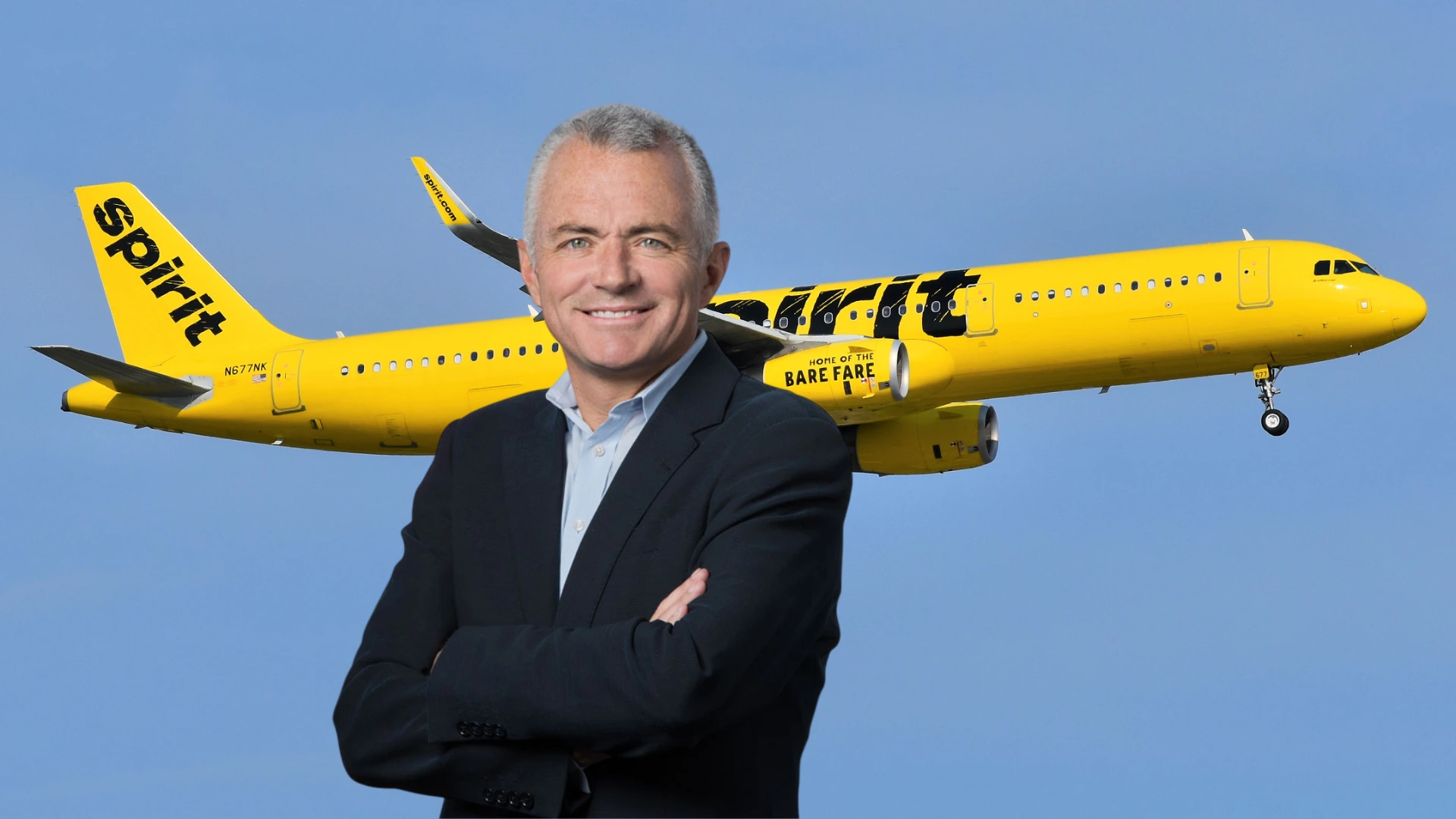
Ultimately, Spirit Airlines’ shareholders voted against the merger with Frontier, and JetBlue subsequently withdrew its enhanced offer after Spirit’s board concluded that the regulatory hurdles for that deal were too high. The collapse of these merger attempts had several notable financial ramifications for Spirit. Firstly, the company remained an independent entity, albeit one that had endured a prolonged period of strategic uncertainty, which can impact investor confidence and divert management’s focus from core operations. Secondly, the extensive negotiation, due diligence, and proxy solicitation processes incurred significant legal and advisory fees for all parties involved, costs that did not culminate in a strategic transaction. Thirdly, the entire episode highlighted the substantial challenges inherent in large-scale consolidation within the U.S. airline industry, particularly concerning antitrust scrutiny and the necessity of securing broad shareholder approval. From an investment perspective, the failure of the mergers meant that Spirit’s stock price would continue to be driven by its standalone operational performance, its ability to successfully execute its independent growth strategy, and the broader macroeconomic environment, rather than by any immediate merger premium.
Beyond Shareholders: Debt Holders and Corporate Governance
While shareholders undeniably represent the equity owners of Spirit Airlines, a comprehensive understanding of “who owns” and, more broadly, “who influences” a public corporation necessitates looking beyond just equity holders. Debt holders, the company’s board of directors, and the intricate mechanisms of corporate governance are all crucial layers that define control, contribute to financial stability, and shape the strategic direction of the airline. For any investor, these elements are critical for evaluating the long-term financial health and management quality of a publicly traded entity.
The Influence of Lenders and Creditors
Like most capital-intensive industries, the aviation sector relies heavily on external debt financing to fund significant investments in aircraft, infrastructure development, and day-to-day working capital. Spirit Airlines secures substantial capital through various debt instruments, including traditional term loans, revolving credit facilities, and corporate bonds issued to institutional investors. These lenders and creditors, while not owners in the traditional equity sense, exert considerable influence over the company’s financial activities. They demand regular interest payments and timely principal repayments. Crucially, their loan agreements often contain financial covenants – specific conditions and operational restrictions that Spirit must meticulously adhere to. A breach of these covenants can trigger an event of default, potentially allowing lenders to demand immediate repayment of outstanding debt or even to seize collateralized assets, thus exercising a powerful form of control over the company’s financial operations and strategic flexibility. From an investor’s perspective, understanding the company’s overall debt load and its capacity to service that debt is paramount to assessing its financial risk profile and long-term viability.
Board of Directors and Executive Leadership
The Board of Directors, elected by the shareholders, bears the ultimate responsibility for overseeing the management of Spirit Airlines and ensuring that the company consistently acts in the best interests of its owners. Although not direct “owners,” board members – typically a mix of independent directors and senior executive leadership – wield significant authority. They are responsible for approving the company’s strategic plans, authorizing major capital expenditures, determining executive compensation packages, and overseeing succession planning for key leadership roles. The Chief Executive Officer (CEO) and other senior executives, appointed by the board, are subsequently tasked with the day-to-day operations and the execution of the strategic directives set forth by the board. The composition of the board, particularly the independence and diverse expertise of its members, serves as a crucial indicator of robust corporate governance, significantly impacting investor confidence and the company’s long-term operational and financial performance. Effective governance practices ensure accountability, mitigate potential risks, and optimize resource allocation to enhance shareholder value.
Regulatory Oversight and Shareholder Rights
The aviation industry is globally one of the most rigorously regulated sectors, and Spirit Airlines operates under the close scrutiny of various governmental bodies. In the United States, this includes the Federal Aviation Administration (FAA) for all aspects of safety and operations, and the Department of Transportation (DOT) for economic regulation, consumer protection, and competitive practices. These regulatory agencies, while not owners, profoundly influence the company’s ability to operate, expand, and generate revenue, thereby directly affecting its financial outcomes. Furthermore, the rights of shareholders are legally protected and enshrined in corporate law and SEC regulations. These rights typically include the power to vote on the election of board members, approve or reject major corporate transactions (such as mergers or significant asset sales), and to review corporate records. Shareholders also have the right to receive accurate and timely financial information. Shareholder activism, where individual or institutional investors exert pressure on management or the board to implement specific strategic or financial changes, further demonstrates how ownership translates into tangible influence, often aimed at unlocking or protecting financial value for all owners.
Investing in Airlines: Opportunities and Risks
Understanding who owns Spirit Airlines naturally extends to a broader appreciation for the dynamics of investing in the aviation sector. Investing in airlines presents a distinctive blend of opportunities, driven by global travel demand, coupled with a specific set of inherent risks tied to the industry’s unique economic and operational characteristics.
Cyclical Nature of the Industry
The airline industry is notoriously cyclical, meaning its financial performance tends to fluctuate significantly in correlation with broader economic cycles. During periods of robust economic growth, disposable income rises, leading to increased discretionary and business travel, which in turn boosts passenger volumes and allows for higher fare pricing. Conversely, economic downturns, recessions, or unforeseen external shocks—such as global pandemics or geopolitical conflicts—can severely depress travel demand, resulting in sharp reductions in revenues and profitability. This inherent cyclicality introduces considerable volatility into airline stocks, positioning them as sensitive investments. For Spirit Airlines, its ultra-low-cost carrier (ULCC) model might offer some resilience during economic slowdowns, as budget-conscious travelers may shift towards more affordable options. However, it is by no means immune to widespread reductions in overall travel demand. Investors must therefore critically assess the prevailing economic climate and future outlook when considering an investment in Spirit or any other airline.
Competitive Landscape and Fuel Costs
Spirit Airlines operates within an intensely competitive market, constantly vying for market share against not only larger legacy carriers but also other ULCCs and regional airlines. Price competition is fierce, compelling airlines to continuously optimize their route networks, manage capacity effectively, and offer competitive fares to attract passengers. This aggressive competition can exert downward pressure on profit margins. Moreover, fuel costs represent one of the single largest and most volatile operating expenses for airlines. Geopolitical instability, disruptions in global supply chains, and fluctuations in global demand can lead to unpredictable swings in crude oil prices, directly impacting an airline’s profitability. While airlines typically employ various hedging strategies to mitigate some of this risk, they can never eliminate it entirely. Spirit’s operational efficiency and relatively young fleet aim to minimize fuel burn, but the overall market price of jet fuel remains a critical financial factor affecting its bottom line.

Future Outlook and Financial Health of Spirit Airlines
The future financial health of Spirit Airlines, and consequently the value for its owners, will be largely dependent on several key internal and external factors. Its continued ability to execute its growth strategy, expand its network judiciously, and steadfastly maintain its cost advantage will be paramount. The airline’s strategic response to ongoing competitive pressures, including from rival ULCCs and larger network carriers, will significantly influence its market positioning and profitability. Operational excellence, customer satisfaction (even within its budget model), and effective capital allocation will all play critical roles in its long-term success. Investors will also closely monitor Spirit’s balance sheet, paying particular attention to its debt levels, liquidity, and cash flow generation, to ensure it possesses the financial resilience to navigate industry challenges and fund future investments. The broader economic recovery post-pandemic, the trajectory of inflation, and evolving consumer travel habits will further influence Spirit’s profitability and its attractiveness as an investment. For both current and prospective owners, continuous vigilance over these multifarious factors is essential for understanding the ongoing value proposition of an investment in Spirit Airlines.
aViewFromTheCave is a participant in the Amazon Services LLC Associates Program, an affiliate advertising program designed to provide a means for sites to earn advertising fees by advertising and linking to Amazon.com. Amazon, the Amazon logo, AmazonSupply, and the AmazonSupply logo are trademarks of Amazon.com, Inc. or its affiliates. As an Amazon Associate we earn affiliate commissions from qualifying purchases.