
In the dynamic world of personal finance, few platforms have ignited as much discussion and redefined the landscape of retail investing as Robinhood. Launched with the audacious mission to “democratize finance for all,” Robinhood has become synonymous with a new era of investment accessibility, appealing particularly to a younger, digitally native demographic. But what exactly does “Robinhood investing” entail, and how has this mobile-first brokerage reshaped the traditional paradigms of wealth building?
At its core, Robinhood investing refers to engaging with financial markets through the Robinhood app or website. It’s characterized by its commission-free trading model, user-friendly interface, and a broad spectrum of investment products, including stocks, exchange-traded funds (ETFs), options, and cryptocurrencies. Far more than just a trading platform, Robinhood represents a cultural shift, empowering millions to participate in markets that were once perceived as exclusive and complex. This article will delve into the mechanics, benefits, risks, and broader implications of Robinhood’s approach to investing, providing a comprehensive understanding for both seasoned investors and those new to the financial arena.
The Evolution of Accessible Investing
Before Robinhood’s meteoric rise, the investment landscape was dominated by traditional brokerage firms that often charged commissions for every trade, required significant minimum balances, and presented complex interfaces. This created a high barrier to entry, effectively excluding many potential investors, especially those with limited capital or financial experience. Robinhood fundamentally challenged this status quo, ushering in an era where investing became as simple as a few taps on a smartphone screen.
Democratizing Finance Through Technology
Robinhood’s genius lay in its strategic use of technology to dismantle these traditional barriers. By leveraging mobile app technology and a lean operational model, it was able to offer commission-free stock, ETF, and options trading. This “free” model was revolutionary, forcing established players like Charles Schwab, Fidelity, and E*TRADE to eventually follow suit, eliminating their own trading commissions to remain competitive.
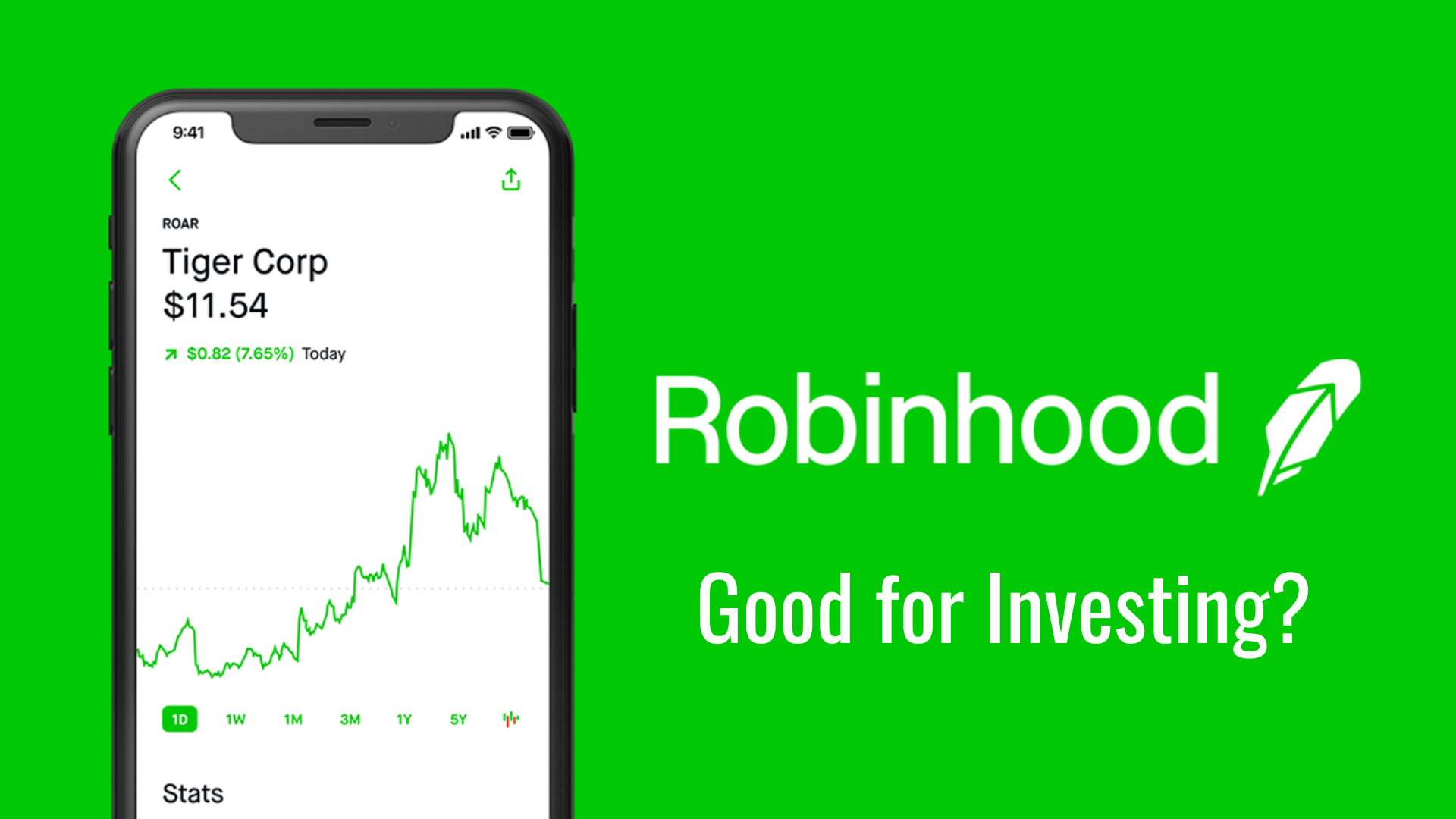
The app’s design philosophy centered on simplicity and intuitiveness. Gone were the dense charts and overwhelming data displays typical of professional trading terminals. Instead, Robinhood presented a clean, minimalist interface, making it easy for users to search for stocks, view basic performance metrics, and execute trades. This technological approach wasn’t just about convenience; it was about empowerment, giving everyday individuals direct control over their investment decisions without the prohibitive costs or perceived expertise previously required. The ability to invest in fractional shares further lowered the entry barrier, allowing users to buy small portions of expensive stocks like Amazon or Tesla with as little as a dollar, making diversified portfolios accessible even to those with modest savings.
A Paradigm Shift in Brokerage Services
Robinhood’s impact extended beyond just commission fees. It spearheaded a paradigm shift in how brokerage services operate and how investors engage with markets. Traditional brokers often emphasized long-term financial planning, offering extensive research tools, advisory services, and a more conservative approach to wealth management. Robinhood, by contrast, focused on instant gratification and direct market access, appealing to those interested in more active trading or simply getting started with investing quickly.
This shift brought both positive and negative consequences. On one hand, it broadened participation in capital markets, potentially leading to greater financial inclusion and the opportunity for more people to build wealth. On the other hand, the ease of access, combined with elements of gamification within the app (like confetti animations for first trades), raised concerns about encouraging speculative behavior and a lack of proper financial education among new investors. The platform became a symbol of the “retail investor revolution,” where individual traders, often communicating through online forums like Reddit, could collectively influence market movements, as famously demonstrated during the GameStop short squeeze in early 2021. This event underscored Robinhood’s significant role in empowering retail investors and simultaneously highlighted the potential volatility and risks associated with this newfound collective power.
Understanding How Robinhood Works
To truly grasp “what is Robinhood investing,” it’s crucial to understand the underlying mechanisms that allow it to operate and generate revenue while offering commission-free trading. This insight sheds light on both its advantages and its potential trade-offs.
Commission-Free Trading Explained
The cornerstone of Robinhood’s appeal is its commission-free trading model. While revolutionary to the public, the business model relies on several revenue streams that are less apparent to the end-user. The primary method is Payment for Order Flow (PFOF). When a user places a trade on Robinhood, their order isn’t directly executed on an exchange. Instead, Robinhood routes these orders to high-frequency trading firms (market makers) like Citadel Securities, Virtu Financial, and Two Sigma Securities. These firms pay Robinhood for the privilege of executing these trades.
Market makers profit by buying and selling quickly, making money on the “bid-ask spread” – the small difference between the highest price a buyer is willing to pay and the lowest price a seller is willing to accept. By routing orders to these firms, Robinhood earns a rebate. Critics argue that PFOF could lead to less favorable execution prices for investors, though Robinhood maintains it strives for the best available prices. Regardless, PFOF represents a significant portion of Robinhood’s revenue, making it a critical financial component of its “free” service.
Range of Investment Products
Robinhood offers a diverse, though not exhaustive, array of investment products tailored for individual investors:
- Stocks and ETFs: Users can buy and sell thousands of U.S.-listed stocks and exchange-traded funds without commissions. The introduction of fractional shares allows investors to buy small pieces of shares, making high-priced stocks accessible.
- Options: Robinhood provides access to options trading, allowing investors to speculate on the future price movements of stocks. While offering significant leverage, options are complex and carry substantial risk, making them suitable for experienced investors.
- Cryptocurrencies: Robinhood Crypto, a separate but integrated service, allows users to buy and sell a select number of popular cryptocurrencies like Bitcoin, Ethereum, and Dogecoin. While crypto trading is commission-free, Robinhood often charges a small spread on these transactions.
- Gold and Interest: Robinhood has also explored other financial products, such as offering an interest yield on uninvested cash and even a proposed “Robinhood Gold” cash card, providing a more holistic financial platform.
The User Experience: Simplicity and Gamification
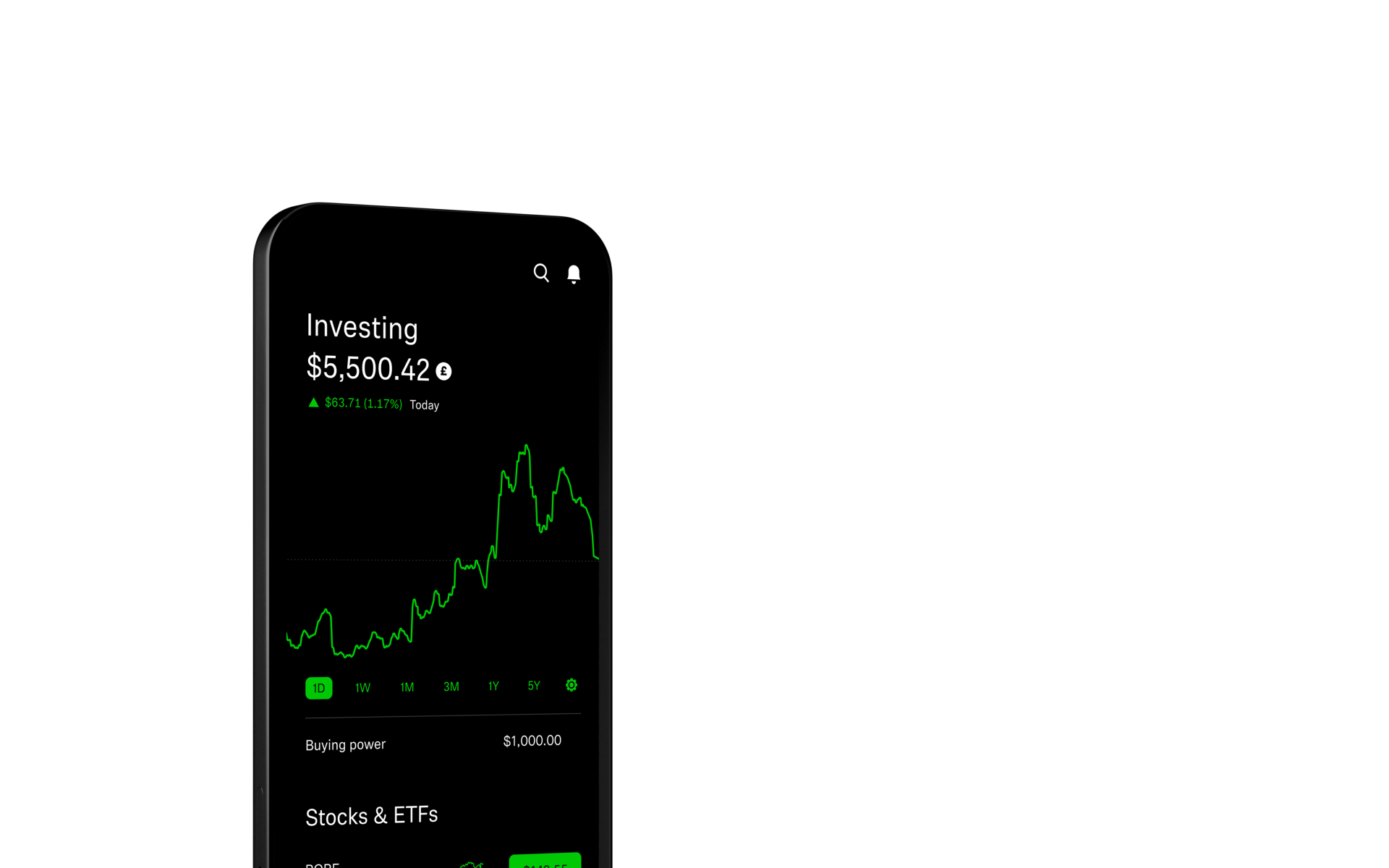
Robinhood’s app is renowned for its clean, intuitive design. The user interface prioritizes ease of use, making the process of buying and selling securities straightforward, even for novices. Features like simple search functions, customizable watchlists, and clear portfolio overviews contribute to a seamless experience.
However, some aspects of the app have been criticized as “gamification,” potentially encouraging excessive or speculative trading. These include:
- Confetti Animations: A burst of digital confetti celebrates a user’s first trade, creating a celebratory and perhaps overly positive reinforcement.
- Push Notifications: Alerts about stock movements or news can prompt frequent checking and impulsive actions.
- Simplified Metrics: While user-friendly, the app’s display of investment data can sometimes lack the depth and context that more seasoned investors might find necessary for thorough analysis.
While these features contribute to an engaging experience, they also underscore the need for investors to approach the platform with a disciplined mindset and a solid understanding of financial principles.
Payment for Order Flow (PFOF) and Revenue Streams
Beyond PFOF, Robinhood diversifies its revenue through several other channels:
- Robinhood Gold: A premium subscription service offering benefits like instant access to larger deposits, professional research, margin investing (borrowing money to invest), and higher interest rates on uninvested cash.
- Margin Lending: Robinhood Gold subscribers can borrow money against their portfolio to make additional investments. Interest charged on these margin loans is a significant revenue stream.
- Cash Sweep Programs: Robinhood earns interest on uninvested customer cash that is swept into interest-bearing accounts at partner banks.
- Stock Lending Program: Robinhood may lend out fully paid shares from customer accounts to institutions for a fee, sharing a portion of this revenue with participating customers.

Understanding these revenue streams is vital because it reveals that “free” investing isn’t without its business model. For investors, it means being aware of how the platform sustains itself and how their activities, directly or indirectly, contribute to its profitability.
Benefits and Risks of Robinhood Investing
Like any financial tool, Robinhood offers distinct advantages and disadvantages. A balanced perspective is crucial for anyone considering using the platform for their investment needs.
Advantages for New and Casual Investors
- Low Barrier to Entry: Commission-free trading and fractional shares make investing accessible to nearly everyone, regardless of their starting capital. This has been transformative for many who previously felt priced out of the stock market.
- User-Friendly Interface: The app’s intuitive design simplifies the investment process, reducing the intimidation factor often associated with financial platforms. This ease of use encourages engagement and learning for beginners.
- Educational Resources: Robinhood provides various educational articles, glossaries, and news feeds within the app, helping users learn basic investment concepts and stay informed about market developments.
- Access to Diverse Assets: The ability to trade stocks, ETFs, options, and cryptocurrencies from a single platform offers convenience and diversification opportunities.
Potential Pitfalls and Controversies
While beneficial, Robinhood investing comes with a unique set of risks and has been at the center of several controversies:
- Gamification Leading to Speculative Behavior: Critics argue that the app’s design encourages frequent, short-term trading and speculation rather than long-term, disciplined investing. The instant feedback, simplified data, and lack of friction can lead users to take on excessive risk without fully understanding the implications.
- Market Volatility and Risk Exposure: The ease of access does not negate the inherent risks of market volatility. Many new investors, attracted by the platform’s simplicity, may not fully appreciate the potential for significant losses, especially when engaging in high-risk activities like options trading or highly speculative stocks.
- Outages and Service Reliability Concerns: During periods of extreme market volatility (e.g., the GameStop saga), Robinhood has experienced significant outages and trading restrictions, leading to widespread user frustration and accusations of market manipulation. Such events highlight the operational risks associated with a rapidly growing, high-volume platform.
- Regulatory Scrutiny and User Protection: Robinhood has faced numerous regulatory actions and fines concerning its business practices, including misrepresenting its revenue sources, providing misleading information to users about margin investing, and issues related to options trading approval. These incidents underscore ongoing concerns about investor protection and the need for robust oversight of fintech platforms.
- Payment for Order Flow (PFOF) Concerns: As discussed, the PFOF model, while enabling commission-free trading, raises questions about potential conflicts of interest and whether users consistently receive the best possible execution prices for their trades.
Is Robinhood Right for Your Investment Strategy?
Deciding whether Robinhood aligns with your financial goals requires a careful consideration of your investment objectives, risk tolerance, and overall financial literacy. It’s a powerful tool, but like any tool, its effectiveness depends on how it’s wielded.
Short-Term vs. Long-Term Horizons
Robinhood’s design and features naturally cater to both short-term traders and long-term investors, but understanding your own horizon is key:
- Short-Term Trading: For those interested in day trading, swing trading, or speculating on market movements, Robinhood provides the tools for rapid execution and access to various instruments, including options. However, this strategy carries significantly higher risk and often requires extensive market knowledge and emotional discipline. The ease of trading on Robinhood can exacerbate poor decision-making in short-term strategies.
- Long-Term Investing: Robinhood can certainly be used for long-term wealth accumulation. Its commission-free model is excellent for buying and holding stocks or ETFs, and fractional shares enable dollar-cost averaging into a diversified portfolio over time. However, long-term investors should be wary of the app’s potential to encourage frequent checking and impulsive trades that could derail a disciplined strategy. It may also lack some of the in-depth research tools or comprehensive financial planning features found in traditional brokerages.
Balancing Risk and Reward
Every investment carries risk, but Robinhood’s accessibility can sometimes mask this reality. It’s imperative for users to:
- Understand What You’re Buying: Before investing in any stock, ETF, option, or cryptocurrency, thoroughly research the asset, its underlying fundamentals, and its historical performance. Don’t invest based on hype or social media trends alone.
- Assess Your Risk Tolerance: Be honest about how much money you can afford to lose without impacting your financial stability. High-risk investments should only constitute a small portion of your portfolio.
- Diversify Your Portfolio: Don’t put all your eggs in one basket. Spread your investments across different companies, industries, and asset classes to mitigate risk. Robinhood’s fractional shares make diversification easier even with limited capital.
- Beware of Margin Investing: While Robinhood Gold offers margin investing, borrowing money to invest amplifies both gains and losses. It can lead to rapid and substantial debt if the market moves against your positions.
Integrating Robinhood into a Broader Financial Plan
For many, Robinhood can be a valuable component of a broader financial strategy, but rarely should it be the sole platform. Consider:
- Retirement Accounts: Robinhood primarily offers taxable brokerage accounts. For tax-advantaged retirement savings (IRAs, 401ks), you’ll likely need to use other providers.
- Emergency Savings: Never invest money you might need in the short term, especially your emergency fund. Keep such funds in easily accessible, liquid accounts like high-yield savings accounts.
- Financial Advice: While Robinhood empowers self-directed investing, it’s not a substitute for professional financial advice, particularly for complex financial situations or comprehensive retirement planning.
The Future of Retail Investing and Robinhood’s Role
Robinhood has undeniably left an indelible mark on the financial industry, forcing a reckoning among established players and opening doors for millions of new investors. Its future, and the future of retail investing, will likely continue to be shaped by innovation, competition, and an increasing focus on investor education and protection.
Continued Innovation and Competition
Robinhood faces growing competition from other fintech startups and traditional brokers that have adapted to the commission-free model. To stay ahead, Robinhood will likely continue to innovate, potentially expanding into new financial services like banking, lending, or even more sophisticated wealth management tools. The focus will likely shift from just “free trading” to offering a more comprehensive, integrated financial ecosystem that retains its ease of use while providing more depth. Blockchain technology and decentralized finance (DeFi) could also play a role in its future offerings, particularly with its existing crypto platform.
Financial Literacy and Investor Responsibility
One of the most significant long-term impacts of Robinhood and similar platforms is the heightened importance of financial literacy. As investing becomes more accessible, the onus is increasingly on individuals to educate themselves, understand risks, and make informed decisions. Regulators are also likely to continue scrutinizing platforms to ensure investor protection, particularly for new and vulnerable users. The future will require a balance between empowering individuals with easy access to markets and ensuring they have the knowledge and tools to navigate those markets responsibly. Robinhood itself has begun to enhance its educational content, recognizing that a more informed user base is beneficial for sustained engagement and platform integrity.
Conclusion
“What is Robinhood investing?” is a question that encapsulates a revolution in personal finance. It represents the democratization of access to financial markets, empowering millions to take control of their investment journeys with unprecedented ease and affordability. However, it also highlights the critical importance of financial literacy, risk management, and discerning judgment in an era where the lines between investing and speculation can easily blur.
For those considering Robinhood, it offers a powerful, user-friendly gateway to the world of investing, particularly for building long-term wealth through diversified portfolios. Yet, it demands a disciplined approach, an awareness of its business model, and a keen understanding of the inherent risks. Ultimately, Robinhood has transformed who invests and how they do it, making financial markets more inclusive, but the wisdom and responsibility to navigate them successfully still rest firmly with the individual investor.
aViewFromTheCave is a participant in the Amazon Services LLC Associates Program, an affiliate advertising program designed to provide a means for sites to earn advertising fees by advertising and linking to Amazon.com. Amazon, the Amazon logo, AmazonSupply, and the AmazonSupply logo are trademarks of Amazon.com, Inc. or its affiliates. As an Amazon Associate we earn affiliate commissions from qualifying purchases.