
The question “who owns Bitcoin?” might seem straightforward, but its answer unravels a fascinating tapestry of decentralization, diverse financial interests, and groundbreaking economic principles. Unlike traditional assets tied to a central authority or a physical entity, Bitcoin’s ownership model is revolutionary, reflecting its foundational design as a peer-to-peer electronic cash system. Understanding who holds Bitcoin is not merely about identifying individuals or institutions; it’s about grasping the distribution of wealth in a new asset class and the profound implications for personal finance, global investment strategies, and the very concept of digital property in the 21st century.
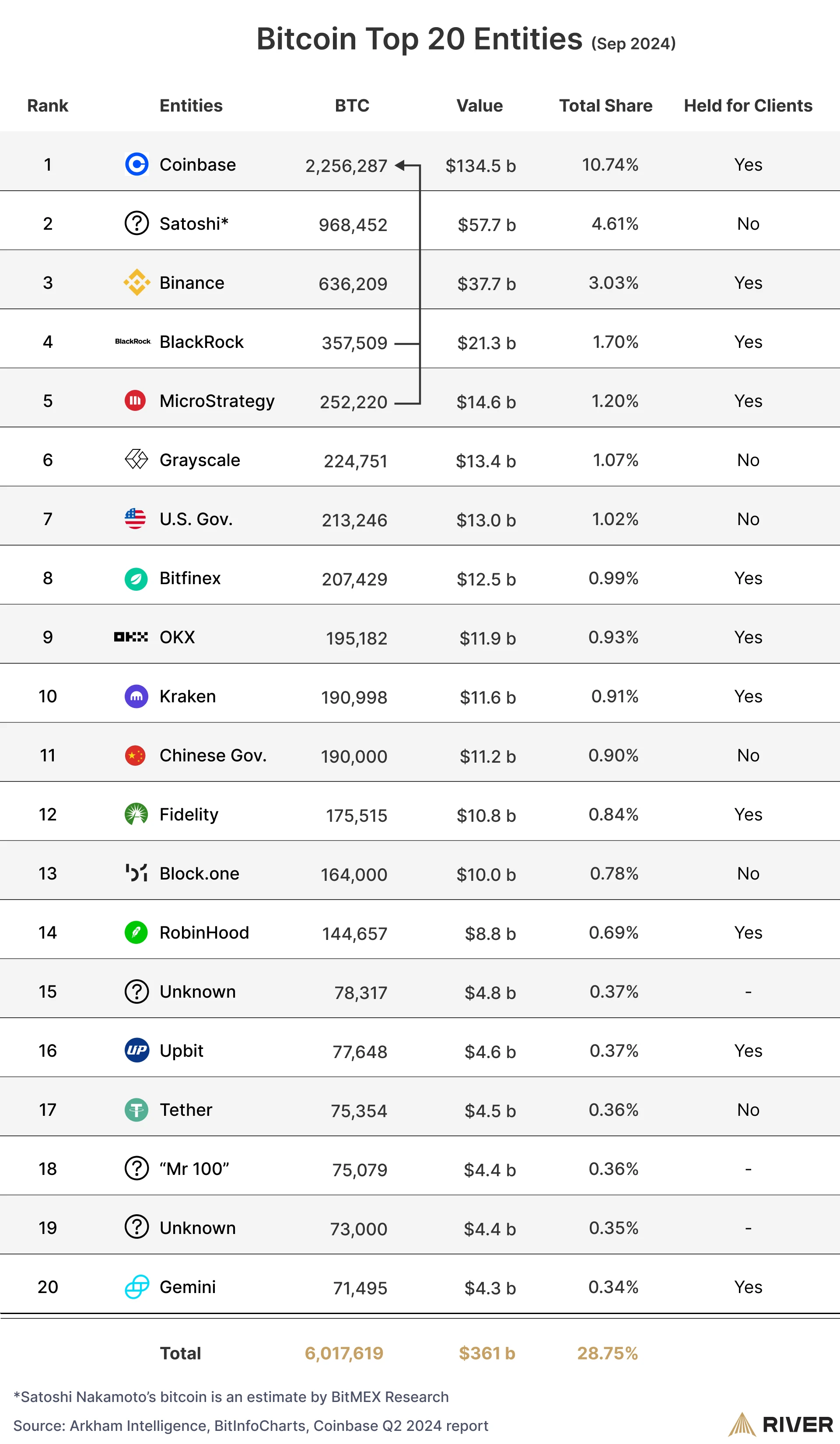
At its core, Bitcoin is a digital asset existing on a public, distributed ledger known as the blockchain. Ownership, in this context, isn’t about holding a physical certificate but possessing the private cryptographic keys that control a specific amount of Bitcoin associated with a public address. This distinction is crucial for comprehending the nuances of how wealth is held and managed in the cryptocurrency ecosystem.
The Decentralized Nature of Bitcoin Ownership
Bitcoin’s most defining characteristic is its decentralization, a principle that fundamentally shapes its ownership structure. There is no central entity, government, or corporation that “owns” Bitcoin in its entirety, nor is there a single point of control that dictates its issuance or transfer. This absence of a central authority is a deliberate design choice, aimed at creating a censorship-resistant and permissionless financial system.
No Single Owner, No Central Authority
The inventor of Bitcoin, the pseudonymous Satoshi Nakamoto, famously disappeared shortly after launching the network, leaving its future in the hands of its users, developers, and miners. This act cemented the idea that Bitcoin belongs to no one, yet collectively to everyone who participates in its network. The protocol itself is open-source, meaning anyone can review its code, propose changes, and run the software. Decisions about its future development are made through a consensus mechanism involving a broad community, rather than a top-down corporate structure. This distributed governance directly translates to distributed ownership, where control is spread across millions of participants worldwide.
The Role of the Blockchain and Public Ledgers
Bitcoin ownership is recorded on the blockchain, an immutable and transparent ledger that tracks every transaction ever made. When you “own” Bitcoin, what you truly possess are the private keys that allow you to authorize transactions from a specific public address. These transactions are then broadcast to the network, verified by miners, and added to the blockchain. The blockchain’s public nature means that while individual identities are often pseudonymous, the total amount of Bitcoin held at any given address is transparently visible to anyone. This transparency allows for an unprecedented level of auditability regarding Bitcoin’s supply and distribution, offering insights into wealth concentration without revealing personal details.
Anonymity vs. Pseudonymity in Ownership
While commonly perceived as anonymous, Bitcoin operates on a principle of pseudonymity. Bitcoin addresses—long strings of alphanumeric characters—are not directly linked to real-world identities unless that link is established externally (e.g., through a KYC-compliant exchange). This means that while the flow of transactions and the balances of addresses are publicly viewable, the individual or entity behind those addresses remains hidden unless they choose to reveal themselves. This characteristic offers a degree of financial privacy but does not equate to complete anonymity, a crucial distinction for both personal financial planning and regulatory oversight.
Diverse Profiles of Bitcoin Holders
The landscape of Bitcoin ownership is incredibly diverse, encompassing a wide array of individuals and organizations with varying motivations, investment horizons, and risk appetites. Understanding these different categories helps paint a clearer picture of who holds this digital asset and why.
Early Adopters and Visionaries
Among the earliest owners of Bitcoin are the pioneers who discovered it in its nascent stages, often driven by ideological alignment with its decentralized ethos rather than pure financial gain. These individuals might include cryptographers, developers, and libertarian thinkers who saw the potential for a new form of money long before it gained mainstream attention. Many of these early adopters acquired Bitcoin through mining on personal computers or by purchasing it for pennies on the dollar. Their significant holdings, often accumulated at extremely low costs, represent a considerable portion of the circulating supply today, and their decisions to hold, sell, or spend have historically influenced market dynamics.
Retail Investors: The Everyday Enthusiast
As Bitcoin’s profile grew, it attracted a massive influx of retail investors – everyday individuals looking to diversify their portfolios, speculate on price movements, or simply participate in what they see as the future of finance. These investors typically buy Bitcoin through centralized cryptocurrency exchanges like Coinbase, Binance, or Kraken, often using traditional fiat currencies. Their holdings tend to be smaller than early adopters or institutions, but their collective market participation forms a significant part of Bitcoin’s liquidity and demand. For many, Bitcoin represents an alternative investment, a hedge against inflation, or a high-growth speculative asset.
Institutional Investors: Funds, Corporations, and Nation-States
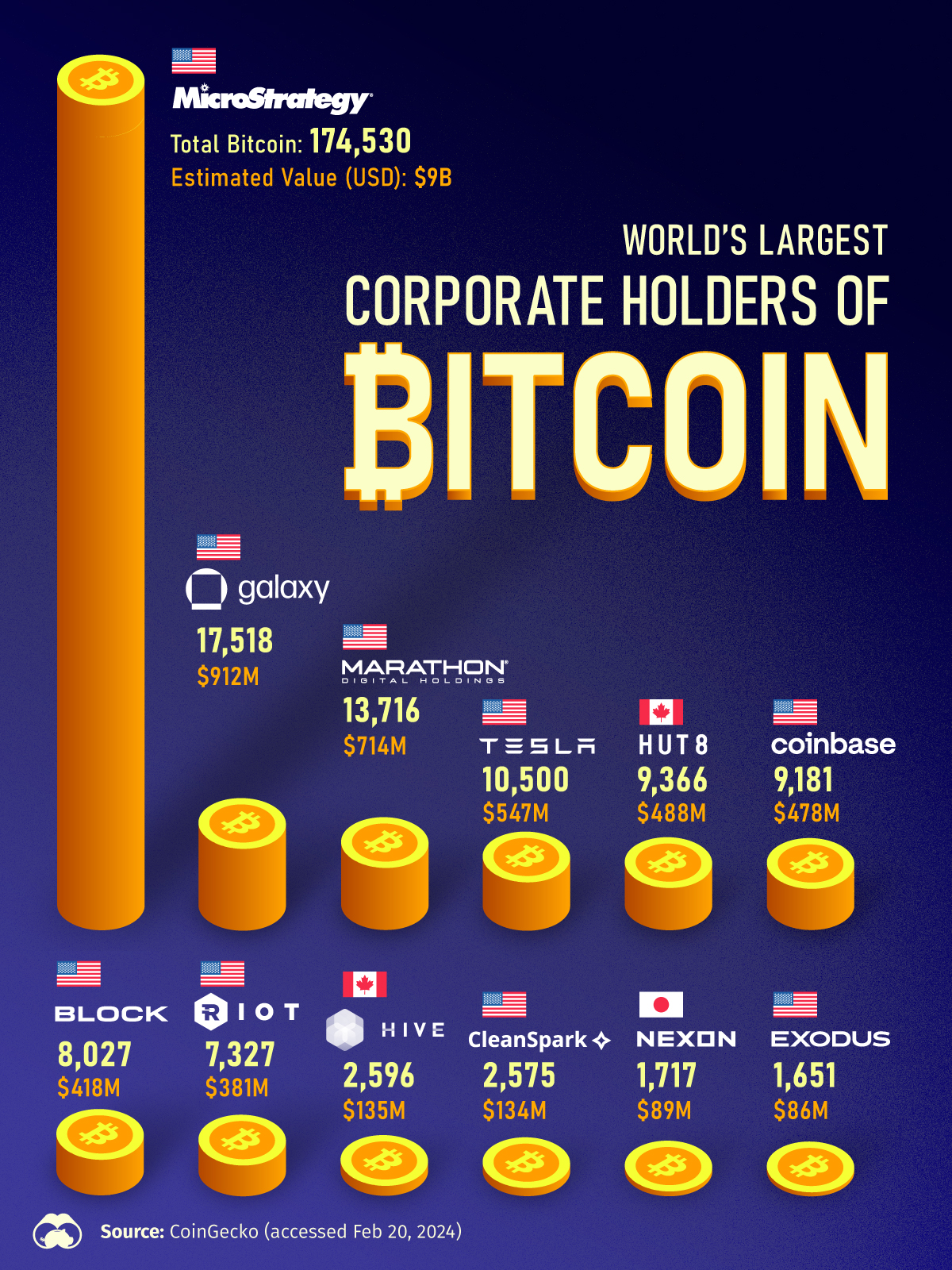
A more recent but rapidly growing segment of Bitcoin ownership comes from institutional investors. This category includes hedge funds, asset managers, publicly traded corporations, and even sovereign wealth funds. Companies like MicroStrategy have made substantial Bitcoin acquisitions, integrating the cryptocurrency into their corporate treasury strategies as a hedge against inflation and a store of value. Investment vehicles like Bitcoin ETFs (Exchange-Traded Funds) allow traditional investors to gain exposure to Bitcoin without directly holding the asset, further blurring the lines between traditional finance and crypto. Moreover, some nation-states, most notably El Salvador, have adopted Bitcoin as legal tender and hold it on their balance sheets, marking a significant shift in governmental financial strategy.
Whales: The Concentrated Wealth
“Whales” are large holders of Bitcoin, often possessing thousands or even tens of thousands of BTC. These can be early adopters, institutional funds, or even large-scale miners. The movements of whales are closely watched in the market, as their large buy or sell orders can significantly impact price volatility. While often viewed with suspicion due to the potential for market manipulation, their existence also reflects the natural distribution of wealth that emerges in any free market, albeit in a novel digital context. The concentration of Bitcoin wealth in a relatively small number of addresses is a known characteristic, though the total number of unique addresses holding Bitcoin continues to grow, indicating broader distribution over time.
Miners: Earning Through Computation
Bitcoin miners play a critical role in the network by verifying transactions and adding new blocks to the blockchain. In return for their computational work, they are rewarded with newly minted Bitcoin (block rewards) and transaction fees. Miners, therefore, are constant earners of Bitcoin, and many choose to hold a portion of their earnings, contributing to their own significant holdings. Their operations, which require substantial capital investment in hardware and electricity, are a form of business finance that directly contributes to Bitcoin ownership and distribution.
Methods of Bitcoin Acquisition and Custody
The process of acquiring and securing Bitcoin is a critical aspect of understanding its ownership. While buying Bitcoin might seem simple, the choices around custody have profound implications for security, control, and financial independence.
Buying on Exchanges
The most common method for individuals and institutions to acquire Bitcoin is through cryptocurrency exchanges. Centralized exchanges act as intermediaries, allowing users to buy Bitcoin with fiat currency (USD, EUR, etc.) or other cryptocurrencies. These platforms often provide a user-friendly interface, robust security measures, and regulatory compliance (e.g., KYC/AML checks). However, holding Bitcoin on an exchange means you don’t directly control the private keys; the exchange does. This arrangement, while convenient, introduces counterparty risk – if the exchange is hacked, goes bankrupt, or freezes your assets, you could lose your Bitcoin.
Earning Through Mining and Rewards
For a select group, acquiring Bitcoin involves participating in the mining process. Miners use specialized hardware to solve complex cryptographic puzzles, competing to add the next block to the blockchain. Upon success, they receive a block reward (newly minted Bitcoin) and any transaction fees from the included transactions. This method is capital-intensive and requires significant technical expertise, making it less accessible for the average person but a primary source of Bitcoin for dedicated operations. Additionally, some individuals can earn Bitcoin through various online platforms, bounty programs, or by offering services in exchange for BTC.
Peer-to-Peer Transactions
Bitcoin’s foundational ethos promotes peer-to-peer transactions, allowing individuals to buy or sell Bitcoin directly from each other without an intermediary. Platforms like LocalBitcoins (though some have shut down or altered their model) facilitate these direct exchanges, often involving cash, bank transfers, or other payment methods. This method can offer greater privacy and circumvent some regulatory hurdles, but it also carries higher risks related to fraud or security if proper precautions aren’t taken.
Self-Custody: Hardware Wallets vs. Software Wallets
Once acquired, the method of storing Bitcoin determines the true extent of ownership. Self-custody means you hold your own private keys, giving you complete control over your assets. This is often achieved using “wallets,” which are software programs or physical devices that manage your keys.
- Hardware Wallets (Cold Storage): These are physical devices (e.g., Ledger, Trezor) that store private keys offline. They are considered the most secure option for significant holdings, as they are impervious to online hacks. The owner has complete control and responsibility for securing their recovery phrase.
- Software Wallets (Hot Storage): These are applications installed on computers or smartphones. While convenient for everyday transactions, they are connected to the internet and thus more vulnerable to cyberattacks. Examples include Exodus, Electrum, or mobile apps.
Custodial Services: The Exchange as a Fiduciary
Many users, especially those new to crypto, opt for custodial services provided by exchanges or specialized custodians. In this scenario, the exchange holds your private keys on your behalf. While convenient and often insured, it means you don’t truly “own” the Bitcoin in the same way you would with self-custody; you own an IOU from the custodian. Understanding this distinction is crucial for risk management and aligns with traditional financial principles where a bank holds your cash.
Understanding Bitcoin’s Supply and Distribution
Beyond who holds Bitcoin, understanding its intrinsic supply dynamics and historical distribution patterns is key to grasping its financial value and potential as an investment.
The Fixed Supply Limit of 21 Million
One of Bitcoin’s most fundamental characteristics is its finite supply cap of 21 million coins. This scarcity, enforced by the protocol’s code, is a cornerstone of its value proposition, drawing parallels to precious metals like gold. Unlike fiat currencies, which can be printed indefinitely by central banks, Bitcoin’s scarcity creates a deflationary pressure, making it an attractive asset for those concerned about monetary devaluation. This fixed supply ensures that while new Bitcoin is gradually introduced through mining, its total quantity will never exceed this limit, making it a unique asset in the financial world.
Lost Coins: A Permanent Reduction in Supply
A significant factor impacting Bitcoin’s effective circulating supply is the phenomenon of “lost coins.” Due to forgotten private keys, damaged hardware wallets, or simply misplacing recovery phrases, an estimated 2-4 million Bitcoin are believed to be permanently out of circulation. These lost coins are effectively removed from the total supply, making the remaining circulating Bitcoin even scarcer. For investors, this means the actual available supply is less than the theoretical maximum, potentially increasing the value of the accessible coins over time.
Distribution Over Time: Halving Events and Scarcity
The rate at which new Bitcoin is introduced into circulation decreases approximately every four years through an event known as “halving.” This programmed reduction in the block reward halves the amount of Bitcoin miners receive for each new block. Halving events are designed to control inflation and gradually introduce scarcity, making each new Bitcoin more valuable over time. These events are crucial for Bitcoin’s long-term economic model and have historically been correlated with significant price appreciation, reinforcing its investment appeal.
Gini Coefficient and Wealth Concentration
While Bitcoin aims for decentralization, the reality of its distribution, particularly among whales, often raises questions about wealth concentration. The Gini coefficient, a measure of income inequality, can also be applied to asset distribution. Studies often show a high Gini coefficient for Bitcoin, indicating a significant portion of the total supply is held by a relatively small number of addresses. However, it’s important to interpret this data with nuance. Many of these large addresses may belong to exchanges holding funds for millions of users, or institutional custodians. Moreover, while initial distribution may have been concentrated, the ongoing adoption by retail investors and the increasing number of unique addresses suggest a trend towards broader distribution over time, albeit slowly.
The Financial Implications of Bitcoin Ownership
For anyone considering or holding Bitcoin, understanding its financial implications extends beyond mere acquisition to encompass strategic planning, risk assessment, and regulatory considerations.
Investment Strategy and Risk Management
Owning Bitcoin is fundamentally an investment decision, often characterized by high volatility and potential for significant returns or losses. Developing a sound investment strategy is paramount. This includes determining appropriate allocation within a diversified portfolio, understanding one’s risk tolerance, and deciding between active trading or a long-term “HODL” (hold on for dear life) strategy. Risk management involves safeguarding private keys, understanding market cycles, and being prepared for price swings that can be more dramatic than traditional asset classes. For many, Bitcoin acts as a speculative growth asset or a hedge against fiat currency devaluation, demanding a clear understanding of its unique risk profile.
Taxation of Bitcoin Holdings
The financial responsibility of owning Bitcoin increasingly includes tax obligations. Most jurisdictions, including the United States, consider Bitcoin as property for tax purposes, not currency. This means that capital gains taxes apply when Bitcoin is sold for a profit, used to purchase goods or services, or exchanged for another cryptocurrency. For businesses holding Bitcoin, corporate tax rules apply. Navigating these regulations requires careful record-keeping of acquisition costs, sale prices, and transaction dates. Accurate tax reporting is a critical aspect of responsible Bitcoin ownership and can have significant financial consequences if overlooked.
Bitcoin as a Store of Value vs. Medium of Exchange
The debate over Bitcoin’s primary function—whether it’s predominantly a “store of value” akin to digital gold or a “medium of exchange” for everyday transactions—has significant financial implications. As a store of value, its appeal lies in its scarcity, censorship resistance, and potential for long-term appreciation, making it an attractive asset for wealth preservation. As a medium of exchange, its benefits include fast, borderless transactions with lower fees than traditional banking, particularly for international transfers. Many investors hold Bitcoin for both reasons, recognizing its dual potential, though its price volatility currently favors its role as an investment asset rather than a stable transactional currency for everyday use.

The Future of Digital Asset Ownership and Regulation
The evolution of Bitcoin ownership is intrinsically linked to the broader landscape of digital assets and emerging regulatory frameworks. As institutional adoption grows and traditional finance embraces cryptocurrencies, the legal and operational aspects of ownership will continue to mature. Governments worldwide are grappling with how to regulate digital assets, impacting everything from consumer protection to anti-money laundering efforts. The future of Bitcoin ownership will likely see increased clarity in legal frameworks, potentially leading to greater mainstream adoption, but also bringing new requirements for compliance and transparency. This ongoing development will shape how individuals and businesses interact with and ultimately benefit from owning a piece of the decentralized digital economy.
aViewFromTheCave is a participant in the Amazon Services LLC Associates Program, an affiliate advertising program designed to provide a means for sites to earn advertising fees by advertising and linking to Amazon.com. Amazon, the Amazon logo, AmazonSupply, and the AmazonSupply logo are trademarks of Amazon.com, Inc. or its affiliates. As an Amazon Associate we earn affiliate commissions from qualifying purchases.