
In the fiercely competitive world of consumer goods, few brands have garnered the same level of trust and fervent loyalty as Costco’s private label, Kirkland Signature. Known for offering exceptional value on high-quality products, Kirkland Signature has become a brand powerhouse in its own right. Among its most talked-about and often debated offerings are its golf balls. The question “who makes Costco golf balls?” isn’t just a simple query about manufacturing; it’s a deep dive into the strategic brilliance of private label branding, supply chain management, and how a retail giant can disrupt established markets by focusing on value and quality under its own banner.
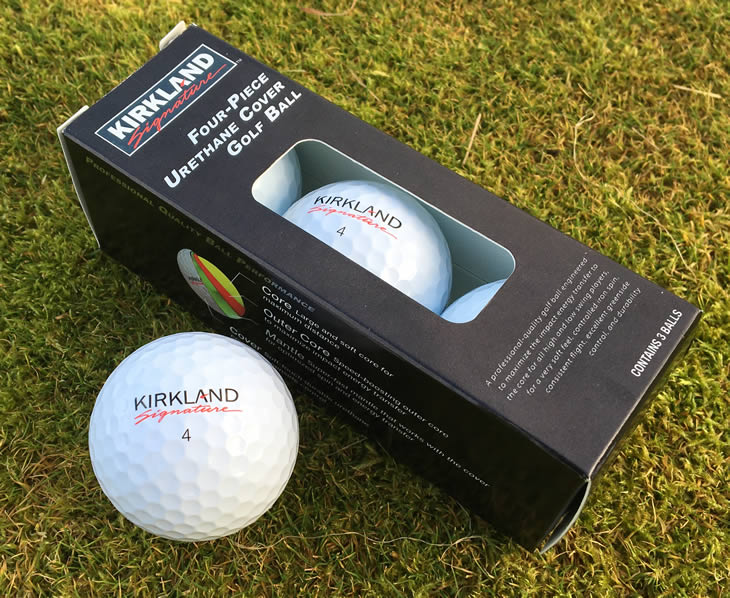
This exploration goes beyond mere identification of a factory; it uncovers the brand strategy that allows Costco to deliver premium-level performance at a fraction of the price of competitor products, ultimately strengthening the Kirkland Signature brand’s reputation for smart consumer choices.
The Allure of Private Label: Why Brands Like Costco Invest
Private label brands, often called “store brands,” represent a significant strategic asset for retailers. They allow companies like Costco to exert greater control over product specifications, pricing, and ultimately, their brand narrative. The success of Kirkland Signature golf balls is a microcosm of a much broader and highly effective brand strategy.
Building Trust and Loyalty Through Value
Costco’s entire business model is predicated on offering superior value to its members. Kirkland Signature products are a direct extension of this promise. By consistently delivering quality products that meet or exceed the performance of national brands but at a lower price point, Costco builds an unparalleled level of trust. When a member purchases a Kirkland Signature golf ball and finds it performs on par with a premium brand costing twice as much, that experience reinforces their perception of Costco as a reliable source of value. This builds a strong, sticky relationship, encouraging repeat purchases across the entire Kirkland Signature portfolio and fostering deeper loyalty to the Costco brand itself. It’s a virtuous cycle where product quality underpins brand trust, which in turn drives sales and member retention.
Quality Assurance and Brand Reputation
For a retailer to put its own name on a product, it must have supreme confidence in its quality. The Kirkland Signature brand isn’t just a label; it’s a promise of performance and reliability. This means that while the manufacturing might be outsourced, the quality control and specifications remain firmly under Costco’s purview. They meticulously vet manufacturers, set stringent standards, and continuously monitor product performance to ensure consistency. Any failure reflects directly on the Kirkland Signature brand, which is why Costco is so selective with its partners. This rigorous approach to quality assurance is paramount for maintaining the brand’s reputation and ensuring that “Kirkland Signature” remains synonymous with dependable excellence.
Competitive Pricing and Market Share Dominance
The economic advantages of private labels are profound. By eliminating various marketing, distribution, and branding costs associated with national brands, retailers can significantly reduce the unit cost of private label products. This allows them to pass savings on to consumers, offering highly competitive pricing. In the golf ball market, where premium balls often retail for $50-$60 per dozen, the introduction of a high-performing Kirkland Signature ball at $25-$30 per dozen was nothing short of revolutionary. This aggressive pricing strategy doesn’t just attract budget-conscious consumers; it expands the market for quality golf balls and forces established brands to re-evaluate their own pricing and value propositions, ultimately helping Costco capture a larger share of the market and reinforcing its position as a consumer champion.
Decoding the Kirkland Signature Golf Ball Manufacturer
The question of “who makes Costco golf balls?” became an industry sensation almost overnight when the initial Kirkland Signature 3-piece golf ball hit the market in 2016. Its unexpected performance for its price point sparked a frenzied debate among golfers and industry insiders alike.
The Initial Foray: A Partnership with Callaway?
When the first Kirkland Signature golf balls launched, the immediate speculation pointed towards a major golf ball manufacturer. The construction, feel, and performance characteristics led many to draw comparisons with premium balls from brands like Titleist or Callaway. Early on, a popular theory circulated that Callaway, a renowned golf equipment manufacturer, was the original equipment manufacturer (OEM). This wasn’t entirely unfounded, as Callaway has a history of producing private label golf balls for other brands. However, concrete evidence remained elusive, and both companies largely stayed mum on the specifics, fueling the mystery and further enhancing the allure of the Kirkland product.
The Great Debate: Searching for the OEM
The lack of an explicit manufacturer statement turned the search for the OEM into an intriguing industry case study. Golf gear analysts, YouTubers, and avid golfers conducted extensive tests, cutting balls open, analyzing core constructions, cover materials, and dimple patterns. The prevailing sentiment was that the ball performed far above its price tag, leading to the conclusion that a top-tier manufacturer must be behind it. Various manufacturers were floated as possibilities, including those with significant experience in multi-layer ball construction. The ongoing debate itself became a powerful, organic marketing tool for the Kirkland Signature brand, generating buzz and free publicity that money couldn’t buy.
Unveiling the Likely Candidates and Supply Chain Dynamics
While Costco has never officially confirmed a single, exclusive manufacturer for all iterations of its Kirkland Signature golf balls, over the years, strong evidence and industry whispers have pointed to a few key players. Nassau Golf from South Korea has been widely speculated, and in some cases confirmed through regulatory filings and product packaging, as a significant manufacturer for various versions of the Kirkland Signature golf ball. Nassau is a reputable manufacturer that produces balls for several brands globally. Other potential manufacturers, or at least component suppliers, like SM Global, have also been mentioned in connection with the evolving supply chain.
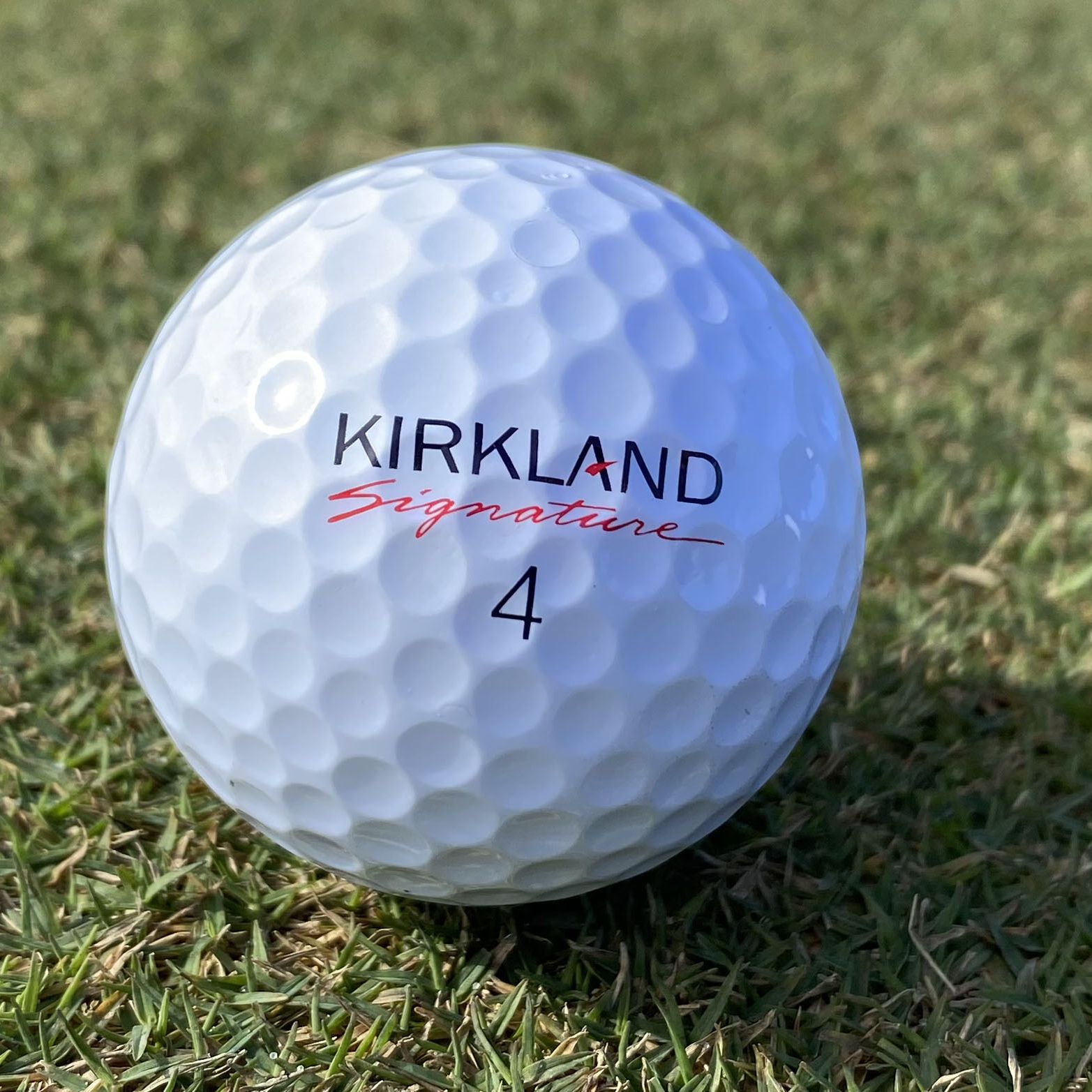
It’s crucial to understand that a retailer’s private label supply chain is rarely static. Manufacturers can change due to capacity, cost, quality agreements, or strategic shifts. What might be true for one generation of a Kirkland golf ball may not hold for the next. This dynamic approach allows Costco flexibility and leverage, ensuring they always partner with the best manufacturer to deliver the desired product at the optimal price point for their brand.
The Strategic Implications for the Kirkland Brand
The Kirkland Signature golf ball saga is more than just a product story; it’s a testament to a highly effective brand strategy that has resonated deeply with consumers and sent ripples through the entire golf industry.
Disrupting the Premium Golf Ball Market
Before Kirkland Signature, the premium golf ball market was dominated by a few major players with high price points, often justified by extensive R&D and marketing. The introduction of a “no-name” ball (from a golf perspective) that performed similarly to balls twice its price was a game-changer. It forced competitors to re-evaluate their pricing strategies and messaging. Suddenly, the narrative around golf balls shifted from pure brand prestige to a more critical assessment of performance-to-price ratio. Kirkland Signature proved that high quality didn’t necessarily have to come with a premium brand tax, effectively democratizing access to performance golf balls and injecting much-needed competition into the market.
Brand Perception and Value Proposition Reinforcement
The success of the golf balls significantly bolstered the overall brand perception of Kirkland Signature. It cemented the idea that “Kirkland” wasn’t just about bulk groceries but also about surprising quality in specialized, high-performance categories. This success allowed Costco to further reinforce its core value proposition: providing members with exceptional quality at unbeatable prices across an incredibly diverse product range. It demonstrated that Costco wasn’t just a reseller but a curator of quality, capable of working with the best manufacturers to deliver top-tier products under its own trusted label. This expanded the brand’s appeal and strengthened its identity.
The Power of Mystery and Consumer Engagement
The very question, “who makes Costco golf balls?”, became an integral part of the brand’s marketing. The mystery surrounding the OEM generated immense discussion, online chatter, and independent reviews. This organic, grassroots engagement far surpassed what traditional marketing campaigns could achieve. It fostered a sense of discovery and community among golfers, all eager to uncover the secret behind the remarkably good, affordable ball. This collective sleuthing became a form of highly effective, low-cost marketing that enhanced brand visibility and curiosity, proving that sometimes, a little intrigue can be a powerful brand-building tool.
Beyond Golf Balls: The Broader Kirkland Signature Brand Strategy
The golf ball story is just one shining example of a much larger, meticulously executed brand strategy that defines Kirkland Signature.
A Masterclass in Private Label Diversification
Kirkland Signature’s brand strength lies in its incredible diversification. From batteries to olive oil, wine to laundry detergent, and indeed, golf balls, the brand spans hundreds of product categories. Each product adheres to the same core principle: provide a high-quality alternative to national brands at a compelling price. This broad appeal allows Costco to leverage its private label across nearly every aisle of its warehouses, increasing basket size and reinforcing member value across diverse needs. It’s a comprehensive approach to brand building that caters to the totality of a consumer’s shopping list.
Leveraging Manufacturer Expertise for Brand Growth
Costco’s brand strategy involves a shrewd understanding of supply chains and manufacturing capabilities. Instead of building its own factories for every product, Costco partners with industry leaders and specialists. This allows them to tap into existing expertise, R&D, and production lines, bringing high-quality products to market quickly and efficiently. The selection of these partners is a critical aspect of their brand management – it’s about identifying manufacturers who can meet Costco’s rigorous quality standards and price points, effectively extending the Kirkland Signature brand’s reach and reputation without the massive capital investment of in-house production.
The Future of Retail Private Labels
The success of Kirkland Signature, especially with high-profile items like golf balls, signals a growing trend in retail. Private labels are no longer perceived as mere “generic” alternatives. They are becoming powerful, standalone brands that compete directly with, and often outperform, national brands. As consumers become more brand-agnostic and value-driven, and as retailers gain more data-driven insights into consumer preferences, the private label sector is poised for continued growth and innovation. Costco’s Kirkland Signature has set a gold standard for this evolution, demonstrating how a private label can become a cornerstone of a retailer’s corporate identity and a significant driver of brand equity and customer loyalty.

Conclusion
The question “who makes Costco golf balls?” is far more than a simple manufacturing inquiry; it’s a window into the strategic brilliance of Costco’s Kirkland Signature brand. By meticulously selecting manufacturing partners, adhering to stringent quality standards, and leveraging aggressive pricing, Costco has not only created a highly successful golf ball but also reinforced its overall brand identity as a purveyor of exceptional value and quality.
While the exact manufacturers for Kirkland Signature products may remain somewhat fluid or proprietary, the core brand strategy is clear: empower consumers with high-performing alternatives that challenge established market norms. The Kirkland Signature golf ball stands as a powerful case study in how private labels can disrupt industries, build unwavering consumer trust, and become a formidable brand force in their own right, proving that sometimes, the “who” behind the product is less important than the “why” and “how” of its brand strategy.
aViewFromTheCave is a participant in the Amazon Services LLC Associates Program, an affiliate advertising program designed to provide a means for sites to earn advertising fees by advertising and linking to Amazon.com. Amazon, the Amazon logo, AmazonSupply, and the AmazonSupply logo are trademarks of Amazon.com, Inc. or its affiliates. As an Amazon Associate we earn affiliate commissions from qualifying purchases.