
Navigating the financial markets requires more than just an understanding of stock valuations and economic indicators; it requires a precise grasp of the clock. For the modern investor, the question “when does the market open?” is rarely a simple one. In an era of globalized finance, the market essentially never sleeps, yet the specific windows of high liquidity and official exchange operations remain the bedrock of professional trading. Understanding these hours is fundamental to executing trades effectively, managing risk, and capitalizing on the volatility that defines the opening and closing bells.
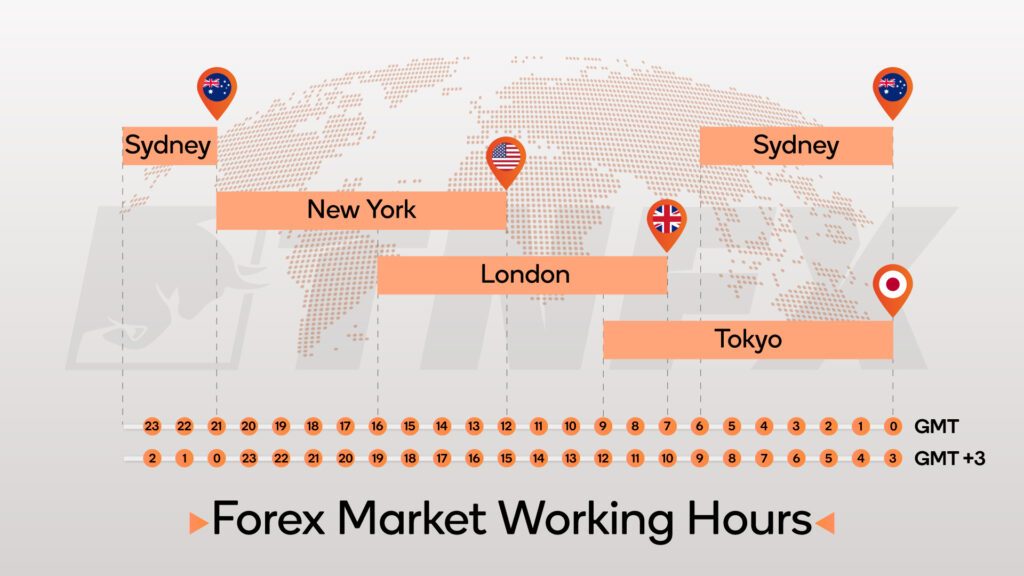
Understanding Standard Market Hours: The Core Trading Session
For the vast majority of retail investors and institutional funds, the “market” refers to the primary trading session of the major stock exchanges. In the United States, this is dominated by the New York Stock Exchange (NYSE) and the NASDAQ. Both of these massive institutions follow a standardized schedule that provides the framework for the American financial day.
The New York Stock Exchange (NYSE) and NASDAQ
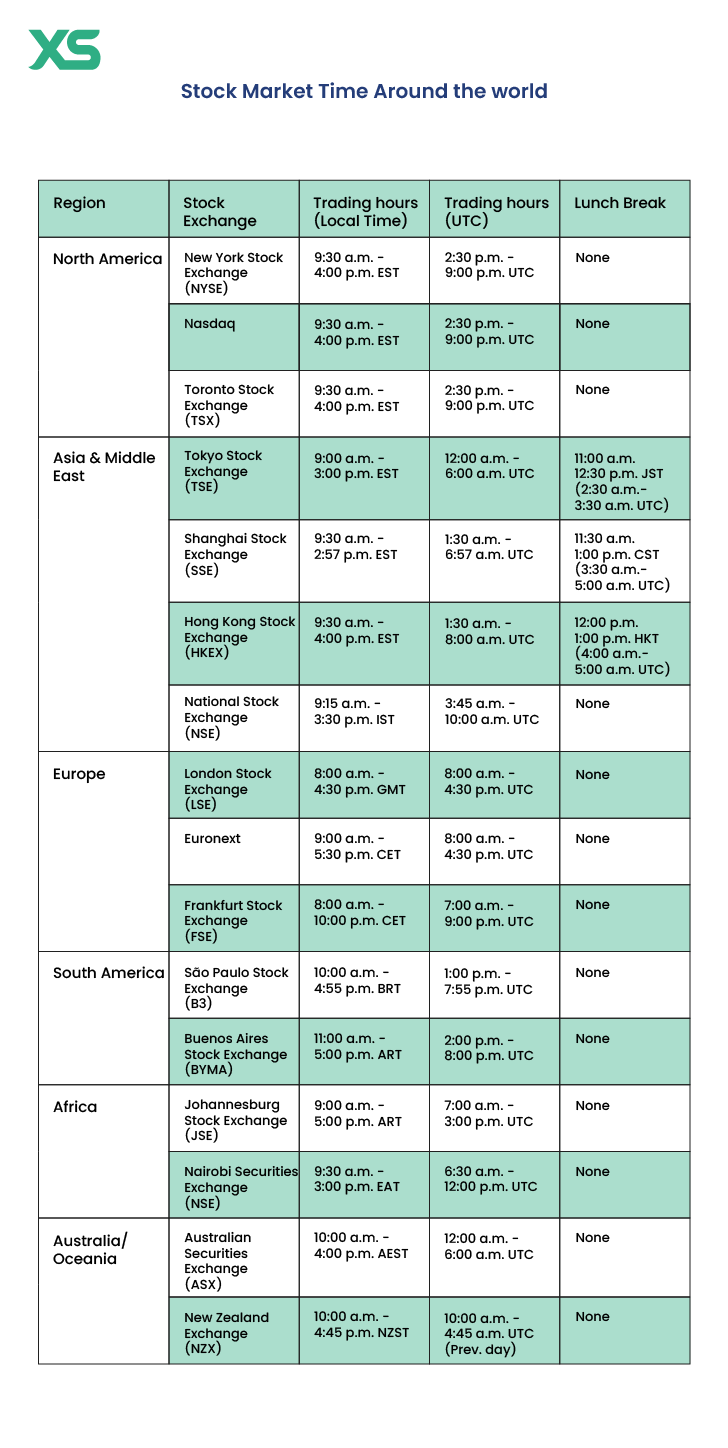
The standard trading hours for the NYSE and the NASDAQ are Monday through Friday, 9:30 AM to 4:00 PM Eastern Time (ET). This 6.5-hour window is known as the “core” or “regular” session. During these hours, liquidity is at its highest, meaning there are the most buyers and sellers active in the market. This high volume leads to narrower bid-ask spreads, ensuring that investors can enter and exit positions at prices that closely reflect the current market value.
Why the 9:30 AM to 4:00 PM Window Matters
The opening bell at 9:30 AM ET marks the start of the day’s primary price discovery. Overnight news, international market movements, and corporate earnings released after the previous day’s close are all priced into stocks in a flurry of activity during the first few minutes of the session. Conversely, the 4:00 PM close is often characterized by “market on close” orders, where institutional investors rebalance their portfolios, leading to a surge in volume that can significantly shift prices in the final moments of the day.
While technology has enabled 24-hour access to many financial instruments, the core session remains the period when the most reliable price data is generated. For long-term investors, executing trades during these hours is generally recommended to avoid the excessive volatility and slippage often found during off-hours.
Beyond the Bell: Pre-Market and After-Hours Trading
The traditional 9:30 AM to 4:00 PM window is no longer the limit for active participants. Electronic Communication Networks (ECNs) have paved the way for extended-hours trading, allowing investors to react to news as it breaks, regardless of the time of day.
The Mechanics of Extended Hours Trading
In the U.S., pre-market trading typically begins as early as 4:00 AM ET and runs until the official open at 9:30 AM. After-hours trading begins immediately following the closing bell at 4:00 PM ET and can continue until 8:00 PM ET. These sessions allow investors to trade in response to major events, such as a company’s quarterly earnings report or a sudden geopolitical development, which frequently occur outside of regular hours to prevent mass panic during the core session.
Risks and Opportunities in Low-Liquidity Environments
While extended hours offer the advantage of being first to react, they come with significant risks. The primary challenge is decreased liquidity. With fewer participants in the market, the gap between what a buyer is willing to pay and what a seller is willing to accept (the spread) can widen dramatically. This means an investor might end up paying significantly more for a stock than they would during the day, or selling it for much less.
Furthermore, price movements in the pre-market or after-hours sessions can be deceptive. A stock may jump 5% on low volume after an earnings announcement, only to see those gains evaporate within minutes of the 9:30 AM open as the broader market provides a “reality check.” Professional traders often use these hours for strategic positioning, but retail investors are generally cautioned to use limit orders rather than market orders to protect themselves from unfavorable pricing.
Global Market Schedules: Following the Sun Across Exchanges
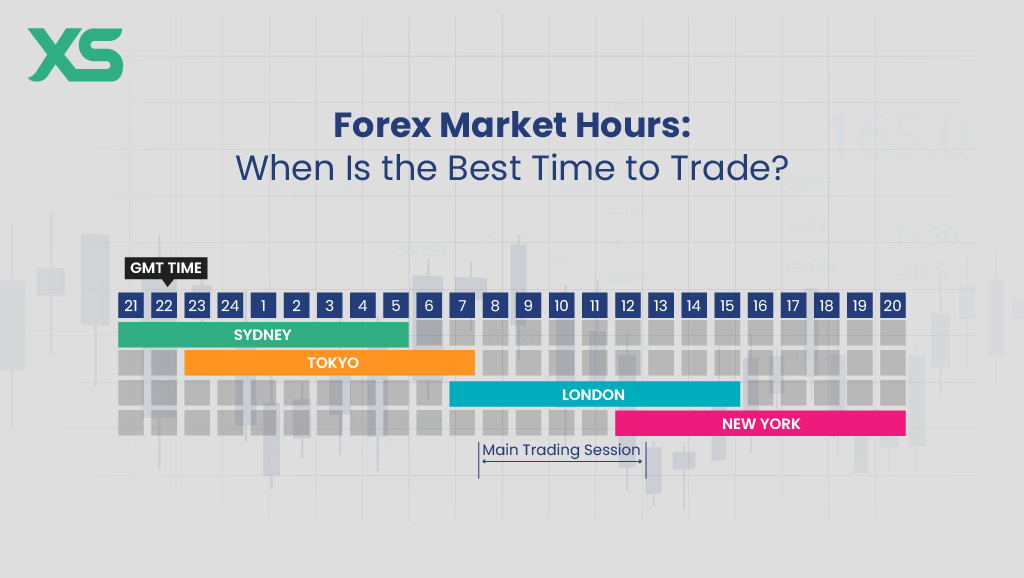
The sun never sets on the global financial markets. As the New York markets close, the focus shifts to Asia, and as Asia winds down, Europe begins its day. For a diversified investor or a macro-specialist, understanding the international relay race of exchange hours is vital.
Asian Markets: The First Move
The global trading day technically begins in the East. The Tokyo Stock Exchange (TSE), one of the world’s largest, typically operates from 9:00 AM to 3:00 PM local time, with a midday lunch break between 11:30 AM and 12:30 PM. The Hong Kong Stock Exchange (HKEX) and the Shanghai Stock Exchange also feature a lunch break—a practice that is largely absent in Western markets. These markets are critical for setting the tone for the trading day, especially regarding the tech hardware and manufacturing sectors.
European Markets: The Mid-Day Bridge
As the Asian sessions close, the European markets open. The London Stock Exchange (LSE), one of the most influential in the world, opens at 8:00 AM and closes at 4:30 PM local time (GMT/BST). Because London sits between the time zones of Asia and New York, it serves as a massive hub for global foreign exchange and commodity trading.
The Impact of Overlapping Trading Sessions
One of the most important periods for global liquidity occurs during the “overlap.” Between roughly 8:00 AM and 11:30 AM ET, both the London and New York markets are open simultaneously. This window represents the peak of daily global trading volume. During this time, the most significant price movements in major currency pairs (like the EUR/USD) and global equities usually occur. For investors looking for the most efficient execution and the tightest spreads, this overlap is the “golden hour” of the financial world.
Market Holidays and Early Closures: Staying Ahead of the Calendar
The market does not operate every day. In the United States, the NYSE and NASDAQ observe nine to ten federal holidays per year. Knowing these dates is essential for cash flow management and for ensuring that limit orders don’t expire or execute unexpectedly.
Major U.S. Market Holidays
The markets are closed on New Year’s Day, Martin Luther King Jr. Day, Washington’s Birthday (Presidents’ Day), Good Friday, Memorial Day, Juneteenth, Independence Day, Labor Day, Thanksgiving Day, and Christmas Day. If a holiday falls on a Saturday, the market usually closes on the preceding Friday. If it falls on a Sunday, the market closes on the following Monday.
The Phenomenon of Half-Days and “Santa Claus Rallies”
In addition to full closures, the markets occasionally observe early closures. For example, the day after Thanksgiving (Black Friday) and Christmas Eve often see the market close at 1:00 PM ET. These shortened sessions are usually characterized by extremely low volume, as many institutional traders are away. This low volume can lead to “melt-ups” or “Santa Claus rallies,” where small amounts of buying pressure can drive the market higher in the absence of significant selling.
Strategic Timing for Investors: When is the Best Time to Trade?
While the market is open for several hours a day, not all hours are created equal. Professional traders segment the day into distinct periods based on volatility and volume, tailoring their strategies to the specific characteristics of each window.
The “Opening Cross” and Initial Volatility
The first 30 to 60 minutes of the trading day (9:30 AM – 10:30 AM ET) are often the most volatile. This is when the market “digests” all the news that has accumulated since the previous day’s close. For disciplined investors, this can be a period of opportunity, but for the inexperienced, it is often a period of high risk. Many successful traders wait for the “initial balance” to be set during this first hour before committing to a direction.
The Mid-Day Lull
From approximately 11:30 AM to 2:00 PM ET, the market often enters a “lull.” Trading volume drops as floor traders and institutional managers take lunch. During this period, prices may drift sideways with little conviction. Unless a major news headline breaks, the mid-day period is generally considered the least favorable time for active day trading, though it can be an excellent time for long-term investors to place non-urgent “buy and hold” orders without the noise of heavy volatility.
The Closing Auction and Power Hour
The final hour of trading (3:00 PM – 4:00 PM ET) is known as the “Power Hour.” Volume surges again as traders square their positions for the day and institutional “buy-side” firms execute their large-scale orders. The final minutes leading up to the 4:00 PM bell are particularly intense, as the “Closing Auction” determines the official closing price for every stock. This price is vital, as it is used to calculate the Net Asset Value (NAV) of mutual funds and is the benchmark for performance reporting.
Understanding the clock is just as important as understanding the company. By knowing when the market opens, when it overlaps with global peers, and how volatility shifts throughout the day, investors can move from reactive participants to proactive strategists in the global pursuit of wealth.
aViewFromTheCave is a participant in the Amazon Services LLC Associates Program, an affiliate advertising program designed to provide a means for sites to earn advertising fees by advertising and linking to Amazon.com. Amazon, the Amazon logo, AmazonSupply, and the AmazonSupply logo are trademarks of Amazon.com, Inc. or its affiliates. As an Amazon Associate we earn affiliate commissions from qualifying purchases.