
The question “who made the Tesla” might seem straightforward, but its answer is a complex tapestry woven from visionary ideas, engineering prowess, significant capital investment, and a collective effort that spans years and involves numerous brilliant minds. Far from being the sole brainchild of a single individual, Tesla’s inception and meteoric rise in the automotive and tech landscapes represent a fascinating case study in technological innovation, iterative development, and disruptive market entry. This article delves into the foundational narrative of Tesla, focusing exclusively on the technological breakthroughs, engineering challenges, and product evolution that define its “making” within the tech sphere.
The Genesis of an Electric Dream: Early Visionaries and Founding Principles
Before Tesla became a household name synonymous with electric vehicles, its origins were rooted in the ambition of two engineers who saw the nascent potential of electric propulsion and aimed to make it not just viable, but desirable. Their vision laid the critical groundwork for what would become a global automotive and energy giant.
From Idea to Ignition: Martin Eberhard and Marc Tarpenning’s Proto-Tesla
The journey of Tesla Motors officially began in July 2003 when Martin Eberhard and Marc Tarpenning co-founded the company. Both had previously achieved success in the tech world; Eberhard as a co-founder of NuvoMedia, known for the Rocket eBook, and Tarpenning, who worked with Eberhard at NuvoMedia. Their initial spark for Tesla was driven by a shared frustration with the internal combustion engine’s inefficiencies and environmental impact, coupled with a keen interest in the potential of lithium-ion battery technology, which was rapidly improving at the time.
Their core idea was revolutionary for its era: to build a high-performance electric sports car that would not compromise on speed or aesthetics. They recognized that for electric vehicles to gain mainstream acceptance, they couldn’t just be economical or eco-friendly; they had to be exciting and aspirational. This vision directly challenged the prevailing perception of electric cars as slow, clunky, and limited. Their initial plan was not to create an entirely new car from scratch but to leverage existing chassis technology, specifically from Lotus, to accelerate development and focus their engineering efforts on the electric powertrain and battery management systems. This pragmatic approach allowed them to quickly move from concept to development, concentrating on the core technological differentiators.
The Initial Blueprint: Challenging Conventional Automotive Engineering
Eberhard and Tarpenning’s early work focused on fundamental engineering principles that would set Tesla apart. They understood that the key to a successful electric vehicle lay in overcoming the limitations of previous attempts, primarily range and performance. This meant pushing the boundaries in several critical areas:
- Battery Technology: They recognized the superior energy density of laptop-grade lithium-ion cells compared to the larger, heavier battery packs used in earlier EVs like the EV1. Their audacious plan was to string together thousands of these small cells into a single, robust battery pack. This required sophisticated battery management systems (BMS) to monitor individual cell health, manage temperature, and ensure safety and longevity – a challenge far more complex than it sounds.
- Powertrain Efficiency: Beyond the battery, the electric motor and power electronics needed to be highly efficient to maximize range and deliver thrilling performance. They sought to integrate cutting-edge motor technology and inverter designs to achieve this, aiming for a synergy between battery and motor that could outperform traditional gasoline engines in terms of immediate torque and acceleration.
- Lightweight Design: To further enhance performance and range, the vehicle needed to be as light as possible. This informed their decision to use a lightweight aluminum chassis, adapting it for an electric powertrain, rather than building a heavy, conventional car around a battery.
Their pioneering efforts established the technological bedrock upon which Tesla would be built, challenging decades of automotive engineering dogma and proving that electric vehicles could indeed be a superior alternative.
The Catalytic Force: Elon Musk’s Pivotal Role and Strategic Direction
While Eberhard and Tarpenning laid the initial technical groundwork, the trajectory of Tesla would dramatically shift with the involvement of Elon Musk. His significant investment, leadership, and bold vision were instrumental in transforming a promising startup into a global force.
Infusing Capital and Ambition: Musk’s Early Investment and Leadership
Elon Musk, having already achieved considerable success with PayPal, was drawn to Tesla’s mission. He saw in their concept the potential to accelerate the world’s transition to sustainable energy – a personal passion. In February 2004, Musk made a lead investment of $6.5 million in Tesla’s Series A funding round, becoming the largest shareholder and chairman of the board.
Musk’s involvement was not merely financial. He brought a relentless drive, a grander vision, and an engineering-centric approach that pushed the company to aim higher and move faster. He actively participated in the design and engineering decisions for the company’s first vehicle, the Roadster, often challenging conventional wisdom and pushing for more ambitious targets in terms of performance, range, and technological sophistication. His leadership style, characterized by aggressive deadlines and a focus on fundamental physics, became a defining aspect of Tesla’s development culture. He articulated a long-term master plan for Tesla, outlining a phased approach from high-end luxury electric vehicles to mass-market affordable options, strategically building the brand and reinvesting profits into expanding the product line and infrastructure.
Defining the Product Vision: The Roadster and Beyond
Musk’s influence was particularly evident in shaping Tesla’s product vision, starting with the Roadster. He pushed for a significantly longer range than initially planned and insisted on a design that would be undeniably appealing, breaking away from the utilitarian image of early EVs. The Tesla Roadster, launched in 2008, was a technological marvel:
- Performance: It could accelerate from 0 to 60 mph in under 4 seconds, putting it in supercar territory.
- Range: It offered a groundbreaking range of over 200 miles on a single charge, a critical psychological barrier for early EV adoption.
- Technology Showcase: It demonstrated the viability of thousands of small lithium-ion cells working in concert, managed by a sophisticated BMS – a technology that would be scaled up for all subsequent Tesla vehicles.
The Roadster was not just a car; it was a proof of concept, a statement that electric vehicles could be exhilarating, practical, and technologically advanced. It validated the core technical principles established by the founders and set the stage for Tesla’s subsequent models: the Model S, Model X, Model 3, Model Y, and the Cybertruck, each pushing the boundaries of electric vehicle technology further and further into the mainstream.
The “Founder” Distinction: Legal Battles and Historical Clarification
The narrative of “who made Tesla” became complicated by a public dispute regarding the “founder” title. In 2009, a settlement was reached after Martin Eberhard filed a lawsuit against Elon Musk for libel and breach of contract. The settlement clarified that there would be five co-founders: Martin Eberhard, Marc Tarpenning, Ian Wright, J.B. Straubel, and Elon Musk. While Eberhard and Tarpenning founded the company, Wright, Straubel, and Musk joined very early on and played absolutely crucial roles in its technical and strategic development.
- Ian Wright: The third employee, instrumental in early vehicle architecture.
- J.B. Straubel: Joined as CTO in 2004, playing a monumental role in the development of Tesla’s battery, motor, and power electronics technology. His expertise was vital in scaling the sophisticated battery management systems and designing the efficient powertrains.
- Elon Musk: As the primary investor, chairman, and later CEO, provided the strategic direction, capital, and often the engineering insights that transformed the initial vision into a global enterprise.
This collective recognition underscores the reality that complex technological ventures are rarely the work of a single individual but rather the culmination of diverse talents and contributions.
Engineering Excellence: Core Technologies that Redefined Electric Vehicles
Tesla’s impact on the automotive industry is inseparable from its relentless pursuit of engineering excellence across multiple domains. The company didn’t just build electric cars; it innovated fundamental technologies that redefined what electric vehicles could be.
Revolutionizing Battery Technology and Powertrain Efficiency
At the heart of every Tesla is its advanced battery system and highly efficient powertrain. Tesla’s approach to battery technology, spearheaded significantly by J.B. Straubel, involved:
- Cell Selection and Packaging: Moving from commodity cylindrical cells (18650, then 2170, now 4680) to custom-designed larger formats with structural integration. This required continuous innovation in cell chemistry, thermal management, and safety features.
- Battery Management System (BMS): Tesla’s BMS is renowned for its sophistication. It meticulously monitors thousands of individual cells, balancing their charge and discharge cycles, managing temperature within optimal ranges, and predicting degradation. This critical software and hardware system maximizes battery life, performance, and safety, allowing Tesla to extract unprecedented range and power from its packs.
- Integrated Powertrain: Tesla designs its own electric motors and power electronics, allowing for tight integration with the battery and vehicle control systems. This full-stack approach enables superior efficiency, immediate torque delivery, and precise control, resulting in the characteristic smooth yet potent driving experience.
These innovations in battery and powertrain technology were not incremental but foundational, pushing the entire automotive industry to reconsider its approach to electric vehicle design.
Software as a Differentiator: Over-the-Air Updates and Autonomy
A significant technological differentiator for Tesla is its deep integration of software, treating the car less as a mechanical device and more as a sophisticated computer on wheels.
- Over-the-Air (OTA) Updates: Tesla pioneered the use of OTA software updates, allowing the company to improve vehicle performance, add new features, and even fix issues remotely without requiring a service visit. This continuous improvement model fundamentally changed the relationship between car manufacturers and owners, enabling vehicles to get “better over time.”
- Infotainment and User Interface: The large central touchscreen and intuitive UI were revolutionary when introduced, providing a seamless and modern user experience akin to a smartphone, a stark contrast to the often clunky interfaces in traditional cars.
- Autonomy and Driver-Assistance Systems: Tesla’s development of Autopilot and, more ambitiously, Full Self-Driving (FSD) capability, relies heavily on its proprietary neural networks, custom AI chips (like the D1 chip), and extensive real-world data collection. The vision-only approach to autonomy, while controversial, showcases a unique technological bet on advanced AI and software engineering, pushing the boundaries of what’s possible in vehicle intelligence.
Tesla’s software-first approach has arguably been as transformative as its hardware innovations, creating a dynamic and continuously evolving product experience.
Manufacturing Innovation: Gigafactories and Production Scalability
Beyond the product itself, Tesla’s “making” also extends to its approach to manufacturing. Recognizing the need to scale production rapidly to meet demand and achieve its mission, Tesla invested heavily in revolutionary manufacturing processes.
- Gigafactories: Tesla’s “Gigafactories” are not just large factories; they are designed as integrated, highly automated production hubs that aim to produce both batteries and vehicles under one roof, optimizing supply chains and manufacturing efficiency. This includes everything from cell production to final vehicle assembly.
- Vertical Integration: Tesla’s vertical integration, from designing its own chips to developing its own manufacturing robots and software, allows for unparalleled control over the production process and rapid iteration on manufacturing techniques. Innovations like the “gigacasting” process, which allows for large sections of the car’s body to be cast as single pieces, drastically reduce complexity and assembly time.
This focus on advanced manufacturing technology is critical to Tesla’s ability to mass-produce its technologically complex vehicles and reduce costs, bringing electric mobility to a wider audience.
Expanding the Ecosystem: Tesla’s Product Line and Market Evolution
Tesla’s initial success with the Roadster was merely the beginning. The company’s subsequent product launches and strategic expansion cemented its role as a disruptor and leader in the tech-driven automotive landscape.
From Niche Roadster to Mass-Market Models
Following the Roadster, Tesla meticulously executed Elon Musk’s “Master Plan,” expanding its product line to target broader market segments:
- Model S (2012): A full-size luxury sedan that redefined what an electric car could be – elegant, spacious, and exhilaratingly fast. It introduced many of Tesla’s signature technologies, including the large touchscreen and OTA updates, to a more mainstream audience.
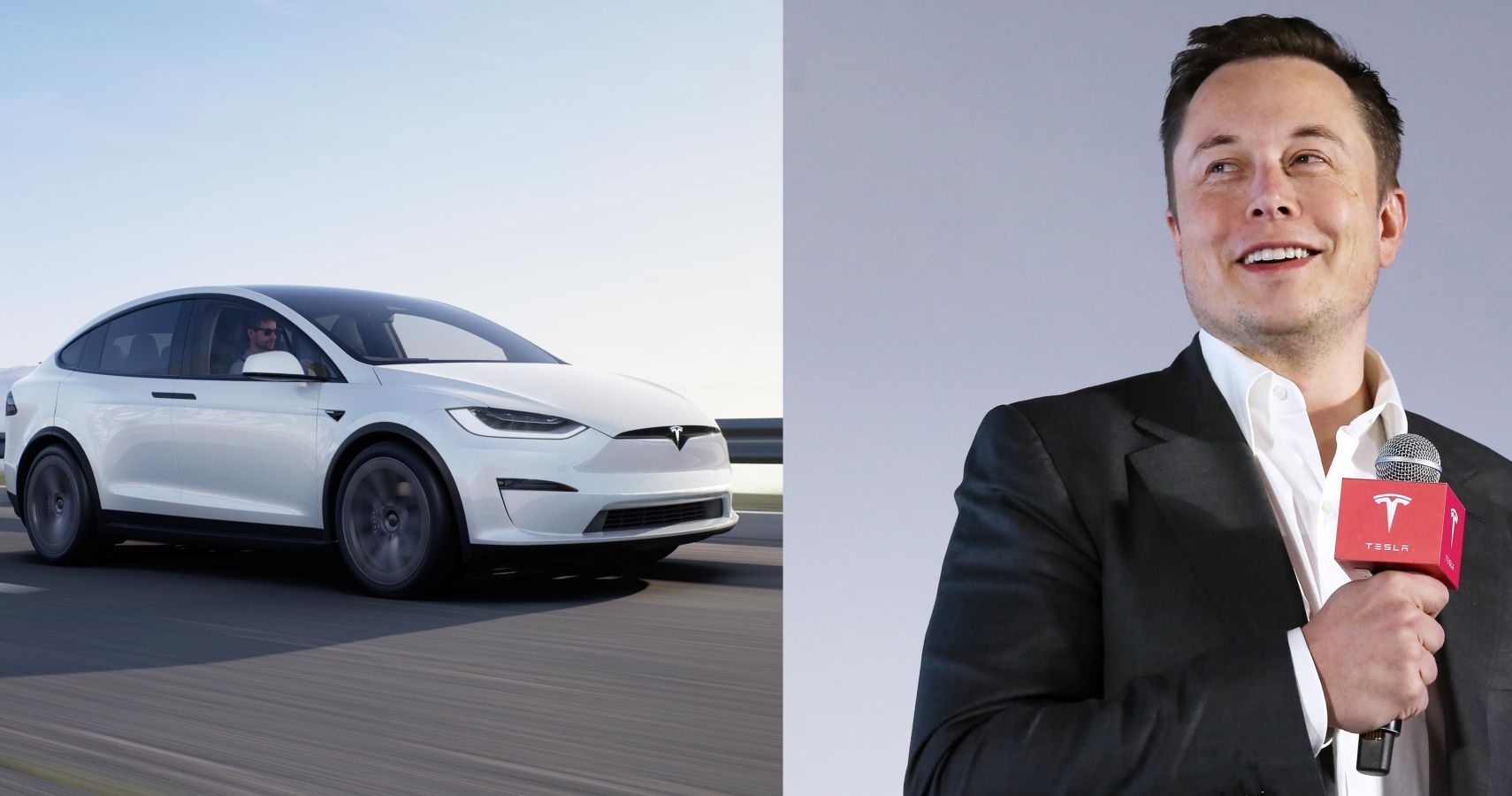
- Model X (2015): An electric SUV featuring unique “falcon wing” doors and seating for up to seven, demonstrating that electric powertrains could power larger, more versatile vehicles without sacrificing performance.
- Model 3 (2017): The pivotal step towards mass-market adoption. Designed to be more affordable, the Model 3 was crucial for scaling production and making electric vehicles accessible to a much larger demographic, ultimately becoming one of the best-selling EVs globally.
- Model Y (2020): A compact SUV based on the Model 3 platform, catering to the booming SUV market and further expanding Tesla’s reach.
- Cybertruck (2023): A radical departure in design and construction, showcasing Tesla’s willingness to push aesthetic and engineering boundaries in the truck segment, using stainless steel exoskeleton and drive-by-wire steering.
Each new model represented an evolution in battery technology, motor efficiency, manufacturing processes, and software capabilities, demonstrating Tesla’s continuous innovation cycle.
The Electrification of Transport: Impact on the Global Automotive Industry
Tesla’s unwavering commitment to electric vehicles forced the entire automotive industry to accelerate its own EV strategies. Before Tesla, major automakers largely viewed EVs as compliance cars or niche projects. Tesla proved that EVs could be aspirational, profitable, and technologically superior, sparking a global shift towards electrification. The company’s innovations in battery technology, software, and manufacturing created new benchmarks and challenges for incumbents. Its widespread Supercharger network also demonstrated the critical need for a robust charging infrastructure, pushing others to invest in their own networks or join existing ones. Tesla’s influence extends beyond just cars; its energy division, with Powerwall and Solar Roof, further integrates its technological ethos into broader sustainable energy solutions.
A Collaborative Legacy: Beyond a Single Creator
The question “who made the Tesla” ultimately reveals a complex story of collaborative innovation. While key figures like Martin Eberhard, Marc Tarpenning, J.B. Straubel, and Elon Musk played indispensable roles in its formation and growth, the company’s success is truly a testament to the collective genius of thousands.
The Collective Genius: Engineers, Designers, and Visionaries
The “making” of Tesla is an ongoing process driven by its vast team of engineers, designers, software developers, manufacturing specialists, and countless others. From the initial breakthroughs in battery chemistry and motor design to the intricate software that powers its autonomous capabilities and the ingenious manufacturing techniques that enable its gigafactories, every aspect of a Tesla vehicle is the product of specialized expertise and collaborative problem-solving. It’s the synergy of these diverse talents, operating within a culture that prioritizes rapid iteration and pushing technological boundaries, that truly defines who “made” the Tesla and continues to make it what it is today.

Tesla’s Ongoing Influence on Technological Advancements
Tesla’s legacy is not just about the cars it produces, but the technological precedents it sets. It has democratized high-performance electric vehicles, accelerated the development of battery technology, highlighted the paramount importance of software in automotive design, and forced a re-evaluation of traditional manufacturing paradigms. The company continues to invest heavily in R&D, exploring new frontiers in AI, robotics, materials science, and energy storage. The story of “who made the Tesla” is, therefore, not a static historical account, but a dynamic narrative of continuous technological evolution, shaped by an unwavering commitment to innovation that continues to reverberate across multiple industries.
aViewFromTheCave is a participant in the Amazon Services LLC Associates Program, an affiliate advertising program designed to provide a means for sites to earn advertising fees by advertising and linking to Amazon.com. Amazon, the Amazon logo, AmazonSupply, and the AmazonSupply logo are trademarks of Amazon.com, Inc. or its affiliates. As an Amazon Associate we earn affiliate commissions from qualifying purchases.