
The query “who made Lululemon” often elicits a response that goes beyond a mere name, delving into the very ethos of a brand that transformed an entire industry. It’s a question not just about an individual, but about the foundational vision, the strategic decisions, and the cultural currents that coalesce to forge a corporate identity. Lululemon Athletica Inc., commonly known simply as Lululemon, is far more than a sportswear company; it is a meticulously crafted lifestyle brand that pioneered the athleisure movement and built an impassioned community around wellness, self-improvement, and conscious living. Its genesis is a compelling case study in brand innovation, market disruption, and the power of a clearly defined, purpose-driven identity.
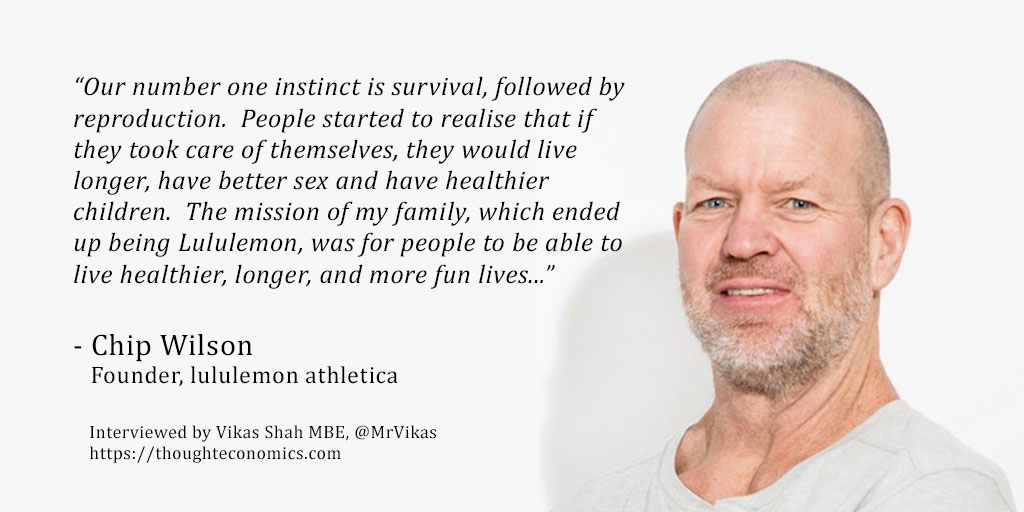
At its core, Lululemon was born from the insight of its founder, Chip Wilson, who recognized a significant void in the athletic apparel market. He didn’t just create a product; he conceived a narrative, a set of values, and an experience that resonated deeply with a specific demographic, evolving over time into a global phenomenon. Understanding “who made Lululemon” requires an exploration of this foundational vision, the strategic architectural blueprint of its brand, and the enduring principles that continue to guide its trajectory.
The Visionary Behind the Brand: Chip Wilson’s Genesis Story
The journey of Lululemon began not in a corporate boardroom, but in a yoga studio and on the surf beaches of Vancouver, Canada. Its founder, Dennis “Chip” Wilson, a serial entrepreneur with a background in action sports apparel, possessed a unique blend of business acumen and an intuitive understanding of consumer needs. His story is central to understanding the brand’s initial DNA.
From Surfing to Sweating: A Founder’s Journey
Chip Wilson’s entrepreneurial spirit was evident long before Lululemon. He founded Westbeach Sports in 1979, a surf, skate, and snowboard apparel company, which he later sold in 1997. This experience provided him with invaluable insights into manufacturing, retail, and, crucially, the lifestyle-driven nature of sports fashion. After selling Westbeach, Wilson found himself embracing yoga, observing its growing popularity and the distinct lack of functional, stylish apparel available for women practicing it. He noticed that cotton garments became heavy and uncomfortable when wet with sweat, and existing synthetic options were often ill-fitting or aesthetically unappealing. This observation wasn’t just about a product gap; it was about an unmet emotional and practical need.
Wilson’s background in performance fabrics from his Westbeach days provided him with a technical advantage. He understood the properties of synthetic materials that could wick moisture, offer stretch, and provide comfort. This technical expertise, combined with his burgeoning interest in the holistic wellness movement, set the stage for Lululemon’s creation. He wasn’t just designing clothes; he was designing solutions for a specific, active lifestyle that was rapidly gaining traction.
Identifying an Unmet Market Need
The late 1990s and early 2000s saw a rise in health consciousness, particularly among women. Yoga and Pilates were moving from niche practices to mainstream fitness activities. However, the apparel market hadn’t kept pace. Traditional sportswear brands focused on men’s sports or offered generic, unflattering options for women. Wilson saw an opportunity to cater specifically to women who valued both performance and aesthetics in their athletic wear. He envisioned clothing that could transition seamlessly from a workout to daily activities, blurring the lines between gym wear and casual attire – a concept that would later be coined “athleisure.”
This was a critical insight. Wilson wasn’t just creating a new product category; he was defining a new way of dressing and living. He understood that women wanted to feel confident and stylish, even while sweating. This awareness of the psychological aspect of clothing, combined with a focus on technical innovation, became a cornerstone of Lululemon’s early brand strategy. He aimed to empower women through clothing that supported their active lives and made them feel good about themselves.
The Birth of an Athleisure Philosophy
In 1998, Chip Wilson founded Lululemon Athletica Inc. in Vancouver, British Columbia, opening its first store in 2000 in the Kitsilano neighborhood – an area known for its health-conscious, active residents. The name “Lululemon” itself was strategically chosen to appeal to a Japanese demographic, as Wilson observed that foreign brands with an ‘L’ sound were often perceived as more authentic and upscale. The original Lululemon design studio doubled as a yoga studio, fostering a direct connection between product development and its intended use.
This hands-on approach ensured that the clothing was rigorously tested by the target audience. But more importantly, it allowed Wilson to instill a philosophy into the brand from day one. Lululemon wasn’t just selling yoga pants; it was selling a commitment to health, mindfulness, and personal growth. This holistic approach, connecting physical activity with mental well-being, became the ideological bedrock upon which the entire brand was built, differentiating it significantly from traditional apparel companies.
Crafting the Lululemon Brand Identity: More Than Fabric
Lululemon’s success lies not just in its innovative products but in the meticulous cultivation of its brand identity. From the outset, the company understood that selling an experience and a philosophy was more powerful than simply selling garments. This focus on identity has shaped every aspect of its operations, from store design to community engagement.
More Than Just Apparel: A Lifestyle Proposition
The core of Lululemon’s brand identity revolves around a lifestyle, not just clothing. It positions itself as a partner in its customers’ journeys toward self-improvement and well-being. This is reflected in its mission statement, which historically focused on elevating the world through the power of movement, mindfulness, and connection. The brand actively promotes a set of values, including goal-setting, personal development, and community engagement, which resonate deeply with its target demographic of affluent, health-conscious individuals.
The product design itself supports this lifestyle proposition. Lululemon’s garments are renowned for their premium fabrics (like Luon, Luxtreme, Nulu), innovative construction, and flattering fit. These aren’t just clothes for the gym; they are designed to be worn all day, allowing customers to seamlessly transition from a yoga class to brunch, or from a workout to running errands. This versatility reinforces the idea that Lululemon is integral to an active, modern lifestyle, making the brand an extension of the customer’s identity.
The Power of Community and In-Store Experience
One of Lululemon’s most distinguishing brand strategies is its emphasis on community building. From its earliest days, the retail stores were designed to be more than just transaction points; they were community hubs. Stores frequently host free yoga classes, fitness events, and personal development workshops, transforming them into experiential spaces where customers can connect with each other and with the brand’s values. These events foster a sense of belonging and loyalty that transcends mere product consumption.
The in-store experience is also meticulously curated. “Educators” (Lululemon’s term for sales associates) are trained not just in product knowledge but also in the brand’s philosophy. They embody the Lululemon lifestyle, often being avid practitioners of yoga or other fitness activities themselves. This creates an authentic connection with customers, who perceive the educators as trusted advisors rather than pushy salespeople. The minimalist, clean store aesthetic, often featuring local art and community boards, further reinforces the brand’s premium, wellness-oriented identity. This high-touch, personalized approach cultivates a fiercely loyal customer base that feels an emotional connection to the brand.
Designing for Performance and Perception

Lululemon’s design philosophy is a critical component of its brand identity, balancing technical performance with aspirational aesthetics. The garments are engineered for specific activities, offering features like four-way stretch, moisture-wicking properties, and seamless construction. This commitment to functionality ensures that the products genuinely enhance the athletic experience.
Equally important is the aesthetic appeal. Lululemon pioneered sleek, minimalist designs, often in sophisticated color palettes, that elevated athletic wear from purely utilitarian to fashion-forward. The focus on flattering silhouettes and high-quality finishes means that wearing Lululemon confers a perception of style, affluence, and dedication to a healthy lifestyle. This blend of performance and perception allows customers to feel good, perform well, and look fashionable, reinforcing the brand’s position as a leader in premium athleisure. The distinctive “A” logo, subtly integrated, also serves as a quiet marker of belonging and quality.
Strategic Brand Building and Early Marketing: Cultivating a Movement
Lululemon’s ascent from a single store to a global brand wasn’t accidental. It was the result of deliberate and innovative brand-building strategies that leaned heavily on grassroots engagement and a unique approach to marketing. While competitors relied on traditional advertising, Lululemon forged a more authentic, community-driven path.
Grassroots Marketing and Word-of-Mouth
In its formative years, Lululemon shied away from expensive, mass-market advertising campaigns. Instead, it focused on hyper-local, grassroots marketing initiatives. The company partnered with local yoga instructors, fitness trainers, and wellness influencers, offering them free gear in exchange for honest feedback and, crucially, word-of-mouth endorsements. These local “ambassadors” became early evangelists, spreading the Lululemon message organically within their communities.
This strategy was incredibly effective because it built trust and authenticity. When a respected yoga teacher wore and recommended Lululemon, it carried far more weight than a glossy magazine ad. The products were seen as genuinely high-quality and effective, tested and approved by professionals who lived the brand’s values. This organic spread of information created an aura of exclusivity and desirability, turning Lululemon into an “insider” brand.
Cultivating Brand Ambassadors (Educators)
Beyond external partnerships, Lululemon developed an internal ambassador program embodied by its “Educators” – the sales associates in its stores. These individuals were not merely sales staff; they were integral to the brand experience, often passionate practitioners of the very activities Lululemon catered to. They understood the products intimately, shared the brand’s values, and were empowered to build genuine relationships with customers.
Educators acted as living embodiments of the Lululemon lifestyle, offering advice, sharing personal insights, and fostering a welcoming atmosphere. This approach created a highly personalized retail experience that went beyond a simple transaction. Customers felt understood and valued, transforming casual shoppers into loyal community members who felt a sense of connection to the brand and its representatives. This human-centric approach to branding was revolutionary and remains a hallmark of Lululemon’s success.
The Art of Scarcity and Exclusivity
Lululemon also masterfully employed a strategy of perceived scarcity and exclusivity to drive demand and elevate its brand status. Unlike fast-fashion retailers, Lululemon deliberately limited its production runs and rarely put items on significant discount. This strategy created a sense of urgency and desirability, encouraging customers to purchase items quickly before they sold out.
This controlled supply, combined with premium pricing, positioned Lululemon as a luxury activewear brand. It signalled quality, craftsmanship, and a level of aspiration. Customers were willing to pay a premium because they believed they were investing in superior products and, more importantly, in a desirable lifestyle. The limited availability also fostered a sense of community among those who owned Lululemon, becoming a subtle badge of membership in a particular social stratum. This deliberate cultivation of scarcity amplified the brand’s appeal, turning functional apparel into coveted items.
Evolving the Brand: Challenges and Resilience
While Lululemon’s initial brand identity was remarkably strong, its journey hasn’t been without significant challenges. The mark of a truly enduring brand, however, is its ability to adapt, learn from missteps, and maintain relevance in an ever-changing market.
Navigating Founder Departures and Leadership Shifts
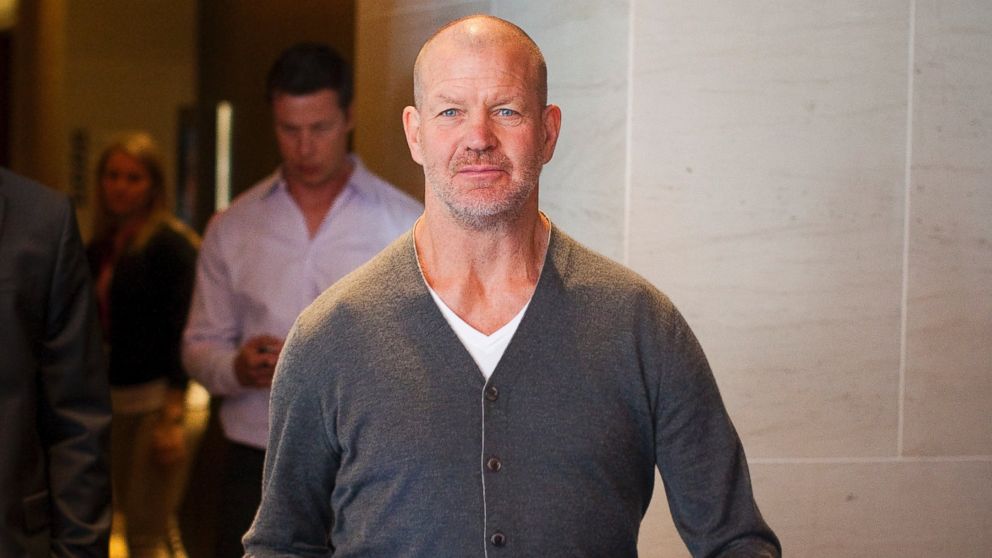
A significant test for Lululemon’s brand identity came with the departure of its founder, Chip Wilson. His candid, often controversial, remarks on various issues, including those related to the brand’s customer base and product quality, caused considerable public relations challenges. These incidents highlighted the risks associated with a brand being too closely tied to the personal opinions of a single individual, especially one as outspoken as Wilson.
Wilson stepped down as chairman in 2013 and fully left the board in 2015. This period necessitated a careful transition to ensure the brand’s core values remained intact while moving beyond the shadow of its founder’s controversies. Successive leadership teams were tasked with evolving the brand’s messaging, enhancing its corporate governance, and reinforcing its inclusive image, demonstrating that the brand’s strength could transcend its original creator. This transition showcased the resilience of the Lululemon brand, proving it could stand independently of its founder’s personality.
Sustaining Brand Loyalty Amidst Competition
Lululemon’s pioneering success in athleisure inevitably attracted a wave of competitors, from established sportswear giants like Nike and Adidas to new direct-to-consumer brands. This intensified competition posed a significant threat to Lululemon’s market share and premium positioning. The brand had to continuously innovate its products, refine its marketing, and deepen its customer engagement to maintain loyalty.
To combat this, Lululemon expanded its product categories, venturing into menswear, accessories, and even personal care items, broadening its appeal beyond its initial female yoga demographic. It also invested heavily in digital transformation, enhancing its e-commerce experience and leveraging data to personalize customer interactions. By focusing on superior product innovation, maintaining its community-centric approach, and emphasizing its commitment to sustainability and social impact, Lululemon has largely managed to retain its premium status and a dedicated customer base, proving that a strong brand identity can weather competitive storms.
The Future of a Lifestyle Empire
Today, Lululemon stands as a powerful lifestyle empire, a testament to the initial vision of Chip Wilson and the strategic brand building that followed. While Wilson “made” Lululemon in its foundational sense, the brand has since been sculpted and evolved by countless designers, marketers, and community leaders who have upheld its core philosophy while adapting it for new generations. The question of “who made Lululemon” ultimately resolves into understanding the enduring power of a brand built on purpose, community, and an unwavering commitment to quality and aspiration. It is a brand that skillfully sells not just apparel, but a pathway to a better, more active, and more mindful life. As it continues to innovate and expand, Lululemon remains a prime example of how a compelling brand identity can create a lasting legacy and cultivate a global movement.
aViewFromTheCave is a participant in the Amazon Services LLC Associates Program, an affiliate advertising program designed to provide a means for sites to earn advertising fees by advertising and linking to Amazon.com. Amazon, the Amazon logo, AmazonSupply, and the AmazonSupply logo are trademarks of Amazon.com, Inc. or its affiliates. As an Amazon Associate we earn affiliate commissions from qualifying purchases.