
The question “how much is Amazon TV?” is more complex than it appears, primarily because “Amazon TV” isn’t a single product but a comprehensive ecosystem of smart television devices and services. From incredibly affordable streaming sticks that breathe new life into older displays to full-fledged smart televisions designed and branded by Amazon, the price spectrum is broad. Understanding the true cost involves delving into the various products Amazon offers, their features, and how they stack up against the competition. This guide will navigate the diverse landscape of Amazon’s smart TV offerings, helping you understand the investment required and what value you can expect in return.
Decoding “Amazon TV”: Understanding the Product Range
When people refer to “Amazon TV,” they are typically thinking of two main categories: the highly popular Fire TV streaming devices and Amazon’s own line of Fire TV Edition smart televisions. Each category serves different needs and budgets, offering a gateway to Amazon’s content-rich Fire OS platform.
The Fire TV Stick Lineup: Entry Points to Smart TV
The Fire TV Stick family represents the most accessible and widely adopted segment of Amazon’s TV ecosystem. These compact HDMI dongles plug directly into your TV, instantly transforming it into a smart TV capable of streaming a vast array of content. Their pricing reflects a scale of features, from basic HD streaming to advanced 4K HDR with enhanced performance.
- Fire TV Stick Lite: As the name suggests, this is the most budget-friendly option, typically priced around $29.99 to $39.99. It offers full HD (1080p) streaming and comes with an Alexa Voice Remote Lite, which includes voice control for finding content but lacks TV power and volume buttons. It’s ideal for those with older HD TVs or for secondary rooms where advanced features aren’t a priority.
- Fire TV Stick (3rd Gen): A step up from the Lite, this model (often priced around $39.99 to $49.99) also provides 1080p streaming but includes the full Alexa Voice Remote, allowing you to control your TV’s power and volume directly. It also typically offers slightly better processing power than the Lite, leading to smoother navigation.
- Fire TV Stick 4K: For users with 4K TVs, this model (usually $49.99 to $59.99) is the essential upgrade. It supports 4K Ultra HD resolution, HDR10, HDR10+, and Dolby Vision, providing a stunning visual experience. It comes with the full Alexa Voice Remote and offers a significant leap in picture quality for compatible televisions.
- Fire TV Stick 4K Max: This is the premium streaming stick from Amazon, often retailing for $54.99 to $64.99. It builds upon the Fire TV Stick 4K with even faster processing, support for Wi-Fi 6 for smoother streaming on compatible networks, and the ability to display live camera feeds picture-in-picture. It’s designed for power users who want the absolute best performance from a stick.
All Fire TV Sticks are renowned for their portability, ease of setup, and robust app support, making them an excellent choice for upgrading non-smart TVs or for travel.
Amazon-Branded Smart TVs: Fire TV Omni and 4-Series
Beyond the sticks, Amazon has ventured into manufacturing full-fledged smart televisions under its own brand. These integrate the Fire TV OS directly, offering an all-in-one smart TV experience without the need for an external device.
- Amazon Fire TV Omni Series: This represents Amazon’s premium line of smart TVs. These TVs come with far-field voice control, meaning you can issue Alexa commands without needing to pick up the remote – just like an Echo speaker. The Omni QLED series further elevates the experience with QLED display technology, full array local dimming for superior contrast, and support for advanced HDR formats like Dolby Vision IQ and HDR10+. Prices for the Omni series vary significantly by size and features, ranging from approximately $399.99 for smaller models (43-inch) up to $1,099.99 or more for larger QLED models (65-inch and up).
- Amazon Fire TV 4-Series: Positioned as a more budget-friendly option compared to the Omni, the 4-Series still offers 4K UHD resolution, HDR10, and HLG support. While it lacks the far-field voice control and advanced display technologies of the Omni QLED, it provides a solid 4K smart TV experience at a competitive price point. The 4-Series generally ranges from $329.99 for a 43-inch model to around $699.99 for larger sizes like 65 inches.
These Amazon-branded TVs offer a truly integrated Fire TV experience, making setup and daily use incredibly seamless, especially for those already deep in the Amazon ecosystem.
Other Fire TV Devices: Cubes and Soundbars
Amazon’s Fire TV ecosystem also includes specialized devices that extend functionality beyond basic streaming.
- Fire TV Cube: This device (typically $119.99 to $139.99) is a powerful streaming media player that combines the best features of a Fire TV Stick 4K Max with a built-in Echo speaker. It offers far-field voice control, allowing you to power on your TV, switch inputs, and control content hands-free. It often includes an HDMI input for controlling other devices like cable boxes and has superior processing power for gaming and snappy navigation.
- Fire TV Soundbar: While less common, Amazon has also experimented with Fire TV Edition soundbars that integrate Fire TV streaming capabilities directly into an audio solution. These devices combine audio enhancement with smart TV functionality, often priced competitively with standalone soundbars.
Factors Influencing Amazon TV Pricing
The cost of an “Amazon TV” product is determined by a combination of technological specifications, design choices, and market positioning. Understanding these factors can help justify the price differences across the range.
Display Technology and Resolution
This is arguably the most significant driver of cost for full-fledged smart TVs.
- HD (720p/1080p): Found in the most affordable Fire TV Sticks and smaller, older smart TVs. Basic and functional.
- 4K Ultra HD (2160p): The current standard for most mid-range and premium devices. Offers four times the pixels of 1080p, resulting in sharper images.
- QLED (Quantum Dot LED): Featured in the premium Fire TV Omni QLED series. QLED technology enhances color accuracy and brightness, leading to a more vibrant and lifelike picture, which naturally commands a higher price.
- HDR (High Dynamic Range): Technologies like HDR10, HDR10+, and Dolby Vision significantly improve contrast and color reproduction. The more advanced and universally supported HDR formats (especially Dolby Vision) add to the cost.
Screen Size and Build Quality
For full smart TVs, the physical size of the display is a direct correlation to price. Larger screens require more materials and more complex manufacturing processes. Additionally, factors like the slimness of bezels, the quality of the stand, and the overall aesthetic design can influence the final price point. Premium models often feature more robust construction and refined finishes.
Smart Features and Processing Power
The “smart” capabilities of an Amazon TV device play a crucial role in its pricing.
- Processor Speed: Faster processors ensure smoother navigation, quicker app launches, and better performance for demanding applications or games.
- Far-Field Voice Control: The ability to control your TV hands-free (like with the Fire TV Omni series or Fire TV Cube) requires additional microphones and processing power, adding to the cost.
- Storage Capacity: More internal storage means you can download more apps and games without performance degradation.
- Connectivity: Support for newer Wi-Fi standards (like Wi-Fi 6 on the 4K Max) or additional HDMI/USB ports can also influence pricing.
- Gaming Features: For serious gamers, features like Auto Low Latency Mode (ALLM) and Variable Refresh Rate (VRR) can increase a TV’s cost but offer a superior gaming experience.
Bundles and Seasonal Sales
Amazon is famous for its aggressive promotional strategies. You can often find Amazon TV products, especially Fire TV Sticks, significantly discounted during major sales events like Prime Day, Black Friday, Cyber Monday, and even throughout the year with various promotions. Bundles, such as a Fire TV Stick with an Echo Dot or an Amazon TV with a soundbar, can also offer substantial savings compared to buying items individually. Additionally, Amazon often offers certified refurbished devices at a lower cost, providing a more budget-friendly entry point to its ecosystem.

Value Proposition: What You Get for Your Money
Regardless of the specific model or price point, Amazon TV products offer a compelling value proposition rooted in their robust ecosystem and user-centric design.
Seamless Ecosystem Integration
One of the strongest selling points of Amazon TV is its deep integration with the broader Amazon ecosystem.
- Alexa Integration: Every Fire TV device comes with Alexa voice control, allowing you to search for content, control playback, check the weather, set timers, and even control compatible smart home devices directly from your TV or remote.
- Amazon Services: Prime members benefit immensely, with immediate access to Prime Video’s vast library of movies and TV shows, Amazon Music, and other Prime-exclusive content without additional setup.
- Unified Experience: The Fire OS interface is consistent across all Fire TV devices, making it easy for users to switch between a Fire TV Stick in one room and an Amazon Fire TV in another without a learning curve.
Content Accessibility and App Support
Fire OS boasts an expansive app store, ensuring access to virtually every major streaming service available.
- Major Streaming Platforms: Netflix, Disney+, Hulu, Max, Apple TV+, YouTube, Peacock, Paramount+, and many more are readily available, giving users unparalleled access to their favorite content.
- Free Content Options: Amazon’s own Freevee, along with other free ad-supported streaming television (FAST) services like Pluto TV, Tubi, and Xumo Play, are integrated, offering a wealth of free entertainment options.
- Live TV Integration: Fire TV devices often integrate live TV from services like Sling TV, YouTube TV, and antenna inputs (for full TVs), allowing a consolidated viewing experience.
User Experience and Interface
Amazon prioritizes an intuitive and engaging user experience.
- Intuitive Fire OS: The Fire OS home screen is designed for ease of use, with personalized recommendations, recent apps, and clearly categorized content.
- Voice Search and Control: Alexa’s advanced voice recognition makes finding content effortless, eliminating the need for tedious manual typing. You can search by title, genre, actor, or even ask for specific types of content like “show me comedies.”
- Customizable Home Screen: Users can personalize their app layout, pinning their most-used services for quick access.
Comparing Amazon TV with Competitors
To truly understand the value of Amazon TV, it’s helpful to compare its offerings with major competitors in the smart TV and streaming device market.
Roku and Google TV Devices
- Streaming Sticks/Players: Fire TV Sticks compete directly with Roku Streaming Sticks/Express models and Google’s Chromecast with Google TV. All offer 4K HDR streaming at similar price points. Roku is known for its simple, app-focused interface, while Google TV emphasizes content discovery and deeper integration with Google services. Fire TV often wins on raw processing power in its higher-end sticks and deeper Alexa integration.
- Operating Systems: Each platform has its loyal users. Roku’s OS is minimalist, Google TV is very content-forward, and Fire OS balances content with app access and Alexa.
Smart TVs from Samsung, LG, and Vizio
- Integrated Smart TVs: Amazon Fire TVs compete with smart TVs running Tizen (Samsung), webOS (LG), and SmartCast (Vizio). While these brands often have proprietary display technologies and picture processing, Amazon Fire TVs stand out for their native Fire OS experience and strong Alexa integration.
- Price Points: Amazon Fire TVs are often positioned very competitively, especially the 4-Series, offering 4K smart TV capabilities at prices that frequently undercut comparable models from traditional TV manufacturers, particularly during sales events.
Deciding Between a Streaming Device and a Full Smart TV
This is a common dilemma.
- Streaming Device (e.g., Fire TV Stick): Ideal for upgrading an existing non-smart TV, for secondary rooms, or for travelers. It’s the most cost-effective way to get smart TV functionality. Best if your current TV’s display quality is still good.
- Full Smart TV (e.g., Amazon Fire TV Omni/4-Series): Best for those looking for a complete TV upgrade, wanting a unified interface without extra dongles, or seeking advanced display technologies like QLED and far-field voice control. It offers a more integrated and often more aesthetically pleasing experience.
Maximizing Your Amazon TV Investment
Choosing the right Amazon TV product goes beyond just the initial cost; it’s about making an informed decision that aligns with your specific needs and leveraging the ecosystem’s full potential.
Choosing the Right Model for Your Needs
- Budget-Conscious: If you have an HD TV or just need basic streaming for a secondary room, the Fire TV Stick Lite or standard Fire TV Stick is perfect.
- 4K Enthusiast: For a 4K TV, the Fire TV Stick 4K or 4K Max is essential to fully enjoy UHD content.
- Integrated Experience: If you’re buying a new TV and want a seamless smart experience with Alexa, consider the Amazon Fire TV 4-Series or Omni Series.
- Power User/Smart Home Hub: The Fire TV Cube offers top-tier streaming performance and robust smart home control for tech enthusiasts.
Consider your existing TV, your internet speed (especially for 4K streaming), and your desire for advanced features like Dolby Vision or hands-free voice control.
Leveraging Prime Membership Benefits
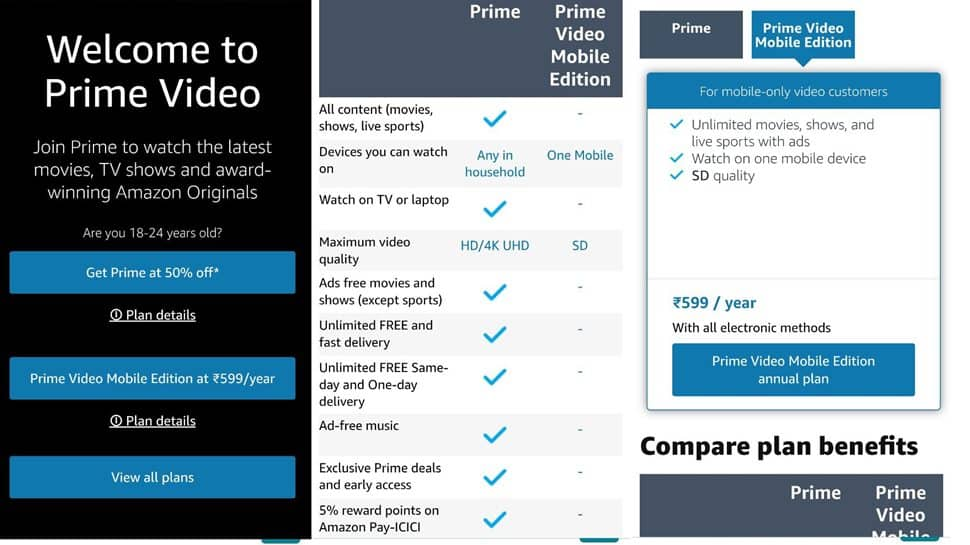
If you’re already an Amazon Prime member, investing in an Amazon TV device maximizes your membership value. You gain instant access to Prime Video, Amazon Music, and often exclusive discounts on Amazon hardware, further enhancing the overall return on your investment.
Smart Home Synergy
Amazon TV devices, particularly the Fire TV Cube and Omni Series, act as central hubs for your smart home. You can use them to:
- Control smart lights, thermostats, and other devices with voice commands.
- View live feeds from your Ring or Blink security cameras directly on your TV screen.
- Create routines that integrate your TV with other smart devices, like dimming lights when a movie starts.
In conclusion, “how much is Amazon TV?” doesn’t have a single answer. It ranges from incredibly affordable streaming sticks under $50 to sophisticated 4K QLED smart televisions approaching or exceeding $1,000. Amazon has strategically priced its offerings to cater to a broad audience, ensuring there’s an “Amazon TV” solution for nearly every budget and technological requirement. By understanding the diverse product range, the features that influence pricing, and the inherent value of the Amazon ecosystem, consumers can make an informed decision that delivers excellent entertainment value for their investment.
aViewFromTheCave is a participant in the Amazon Services LLC Associates Program, an affiliate advertising program designed to provide a means for sites to earn advertising fees by advertising and linking to Amazon.com. Amazon, the Amazon logo, AmazonSupply, and the AmazonSupply logo are trademarks of Amazon.com, Inc. or its affiliates. As an Amazon Associate we earn affiliate commissions from qualifying purchases.