
Determining which airline holds the title of the “largest” in the world is not a simple matter of counting aircraft or tallies of tickets sold. In the highly competitive landscape of global aviation, “size” is a multidimensional metric that reflects a brand’s strategic priorities, its operational scale, and its market influence. To understand who the largest airline is, one must look through the lenses of fleet size, total revenue, passenger traffic, and brand equity.
As of 2024, the title fluctuates between a few titans of the industry—primarily American Airlines, Delta Air Lines, and United Airlines. However, the true measure of their success lies in how they leverage their massive scale to build global brand identities that command loyalty in an era of unprecedented volatility.

Defining the Metrics of Modern Aviation Leadership
In the corporate world, the “largest” entity is often the one with the highest valuation or the most employees. In aviation, the metrics are more specific and often tell different stories about a brand’s market strategy.
Revenue vs. Fleet Size: The Brand Perspective
From a purely operational standpoint, American Airlines typically claims the title of the largest airline in the world based on the size of its fleet. With nearly 1,000 aircraft in its mainline operation, it possesses the physical capacity to move more people to more places than any other carrier. For American, “size” is a brand promise of ubiquity—the idea that you can get anywhere on a “Silver Bird.”
Conversely, when measuring by total revenue, Delta Air Lines frequently takes the top spot. Delta has masterfully cultivated a brand identity centered on premium service and operational reliability. By focusing on higher-yield corporate travel and a more sophisticated passenger experience, Delta generates more value per seat than its competitors. This distinction highlights a core brand strategy: American wins on volume, while Delta wins on value.
Passenger Traffic and Network Reach
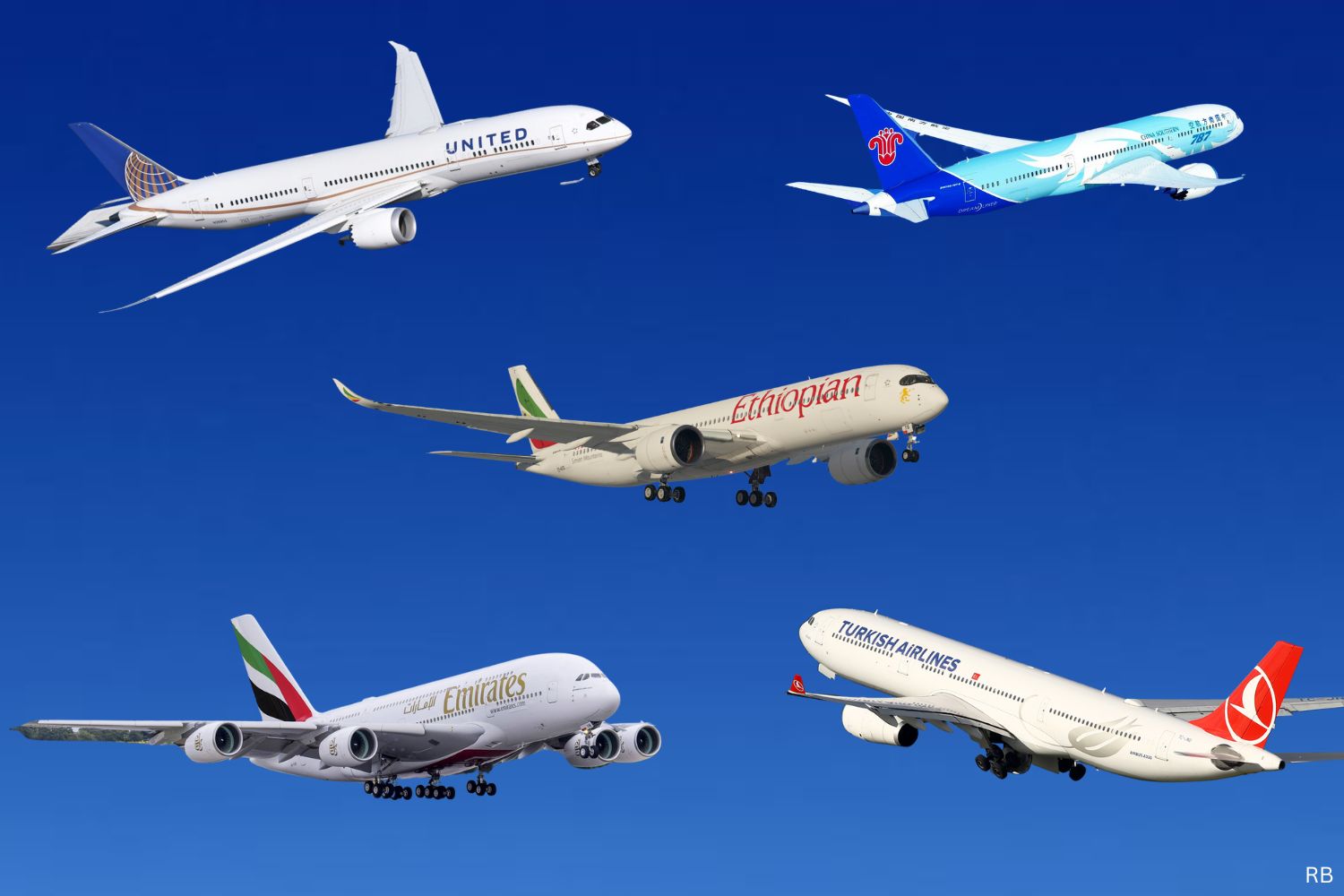
Another critical metric is Revenue Passenger Kilometers (RPK), which measures the actual distance flown by paying passengers. This metric is the industry standard for determining market share. On this front, the “Big Three” U.S. carriers (American, Delta, and United) consistently lead the global rankings, but they are increasingly challenged by state-backed giants like Emirates and China Southern Airlines. For these brands, being the “largest” is an essential part of their national identity, serving as a gateway for international commerce and soft power.
American Airlines: The Scale of a Legacy Reimagined
American Airlines is the quintessential example of how a brand uses massive scale to maintain market dominance. Following its 2013 merger with US Airways, the company solidified its position as the world’s largest carrier by fleet size. However, being the largest requires a cohesive brand strategy to prevent the organization from becoming an unwieldy monolith.
The 2013 Rebrand and the “Flight Symbol”
One of the most significant moments in American’s modern history was its comprehensive rebranding effort. For decades, the airline was defined by its polished metal livery and the iconic “AA” logo designed by Massimo Vignelli. While classic, the brand began to feel dated in a digital-first world.
The introduction of the “Flight Symbol”—a stylized eagle wing in red, white, and blue—marked a pivot toward a more modern, agile corporate identity. This rebrand was not just about aesthetics; it was a signal to the market that the world’s largest airline was evolving. The brand strategy shifted to emphasize a “seamless” travel experience, integrating new technology and a refreshed cabin interior across its massive fleet to ensure brand consistency regardless of the aircraft type.
Maintaining the World’s Largest Fleet
Managing a fleet of nearly 1,000 aircraft is a branding challenge as much as it is a logistical one. American Airlines uses its scale to dominate key hubs like Dallas/Fort Worth (DFW) and Charlotte (CLT). In these markets, American is more than just a service provider; it is an economic engine. The brand identity in these regions is built on the concept of being a “hometown” carrier with a global reach. This hyper-local brand presence, backed by the world’s largest fleet, creates a competitive moat that is nearly impossible for smaller carriers to breach.
Delta Air Lines: Strategic Positioning and the Premium Experience
If American Airlines is the leader in scale, Delta Air Lines is the leader in brand prestige among the major U.S. carriers. Delta has successfully positioned itself as the “premium” choice, a strategy that has allowed it to lead the industry in profitability and customer satisfaction.
Building “The World’s Most Admired Airline”
Delta’s brand strategy is centered on the concept of “The Delta Difference.” This isn’t just a marketing slogan; it is an operational philosophy. Delta has invested billions into its airport terminals, onboard products, and employee culture. By positioning itself as a premium brand, Delta has been able to decouple itself from the “race to the bottom” on ticket prices that often plagues the industry.
This positioning is evident in their marketing campaigns, which focus on the emotional journey of travel rather than just the mechanics of flying. Their “Keep Climbing” mantra resonates as a brand promise of constant improvement. For Delta, being the “largest” airline by revenue is a byproduct of being the “best” airline in the eyes of the consumer.
Operational Integrity as a Brand Pillar
A key component of Delta’s brand equity is its reputation for reliability. In the aviation industry, delays and cancellations are the primary drivers of brand erosion. Delta has prioritized operational integrity, often topping the charts for on-time performance. In the brand’s ecosystem, reliability is the ultimate luxury. By consistently delivering on its schedule, Delta reinforces its corporate identity as a professional, high-performance organization, which in turn attracts high-value business travelers and corporate contracts.
United Airlines: Leveraging a Global Footprint for Brand Recognition
United Airlines occupies a unique space in the “largest airline” conversation. While it may not always have the most planes or the highest domestic revenue, it often boasts the most extensive international network among the U.S. carriers.
The Continental Merger and a Unified Identity
The 2010 merger between United and Continental Airlines was a watershed moment for the brand. The company chose a “best of both worlds” approach for its visual identity, keeping the United name but adopting the Continental globe logo. This strategic move was intended to signal stability and a global outlook. The globe is a powerful symbol in United’s brand architecture, reinforcing the idea that United “connects the world.”
The Role of the Star Alliance in Brand Authority
United’s brand strength is significantly amplified by its leadership in the Star Alliance, the world’s largest airline alliance. By partnering with brands like Lufthansa, ANA, and Singapore Airlines, United extends its brand reach far beyond its own metal. This allows United to market itself as a truly global brand, capable of taking a passenger from a small town in the Midwest to almost any major city on the planet. This “global connectivity” is the cornerstone of United’s brand strategy, making it the preferred choice for international business travelers.
The Intangible Asset: Loyalty Programs and Brand Equity
When discussing the largest airlines, one cannot ignore the financial and branding power of loyalty programs. For American, Delta, and United, their loyalty programs—AAdvantage, SkyMiles, and MileagePlus—are often valued more highly than the airlines themselves.
AAdvantage and the Monetization of Brand Loyalty
American Airlines’ AAdvantage program was the first of its kind, and it remains a juggernaut in the industry. These programs are masterclasses in brand “stickiness.” By incentivizing repeat business through miles and elite status, airlines create an ecosystem where the consumer is emotionally and financially invested in the brand.
From a brand strategy perspective, these programs transform a commodity service (a flight) into a lifestyle brand. Members don’t just fly American; they are “Executive Platinums.” This creates a sense of exclusivity and belonging that is a powerful driver of long-term brand equity.

Future-Proofing Through Strategic Brand Evolution
As the aviation industry faces new challenges—such as the push for sustainability and the integration of AI-driven customer service—the “largest” airlines are using their resources to lead the transition.
The brand that wins the future will not necessarily be the one with the most planes, but the one that successfully navigates the shift toward “green” aviation. We are already seeing this in the marketing of these giants. United is investing heavily in supersonic travel and electric vertical takeoff and landing (eVTOL) aircraft, positioning its brand as a forward-thinking innovator. Delta is focusing on “sustainable aviation fuel” (SAF) to appeal to the eco-conscious traveler.
In conclusion, while American Airlines currently holds the mantle of the world’s largest airline by fleet size and passenger volume, the competition for global dominance is a multi-front war of brand perception. Whether through American’s sheer scale, Delta’s premium positioning, or United’s global connectivity, these brands demonstrate that in the world of aviation, being the largest is about much more than just the number of seats in the sky—it is about the strength of the identity that fills them.
aViewFromTheCave is a participant in the Amazon Services LLC Associates Program, an affiliate advertising program designed to provide a means for sites to earn advertising fees by advertising and linking to Amazon.com. Amazon, the Amazon logo, AmazonSupply, and the AmazonSupply logo are trademarks of Amazon.com, Inc. or its affiliates. As an Amazon Associate we earn affiliate commissions from qualifying purchases.