
The leadership of a global financial institution is more than just a title; it is a signal to the markets, a promise to regulators, and a roadmap for shareholders. Since October 2019, Charles “Charlie” Scharf has served as the Chief Executive Officer and President of Wells Fargo & Company. His appointment marked a pivotal moment in the history of the fourth-largest bank in the United States, signaling a transition from a period of internal crisis to an era of disciplined restructuring and strategic modernization.
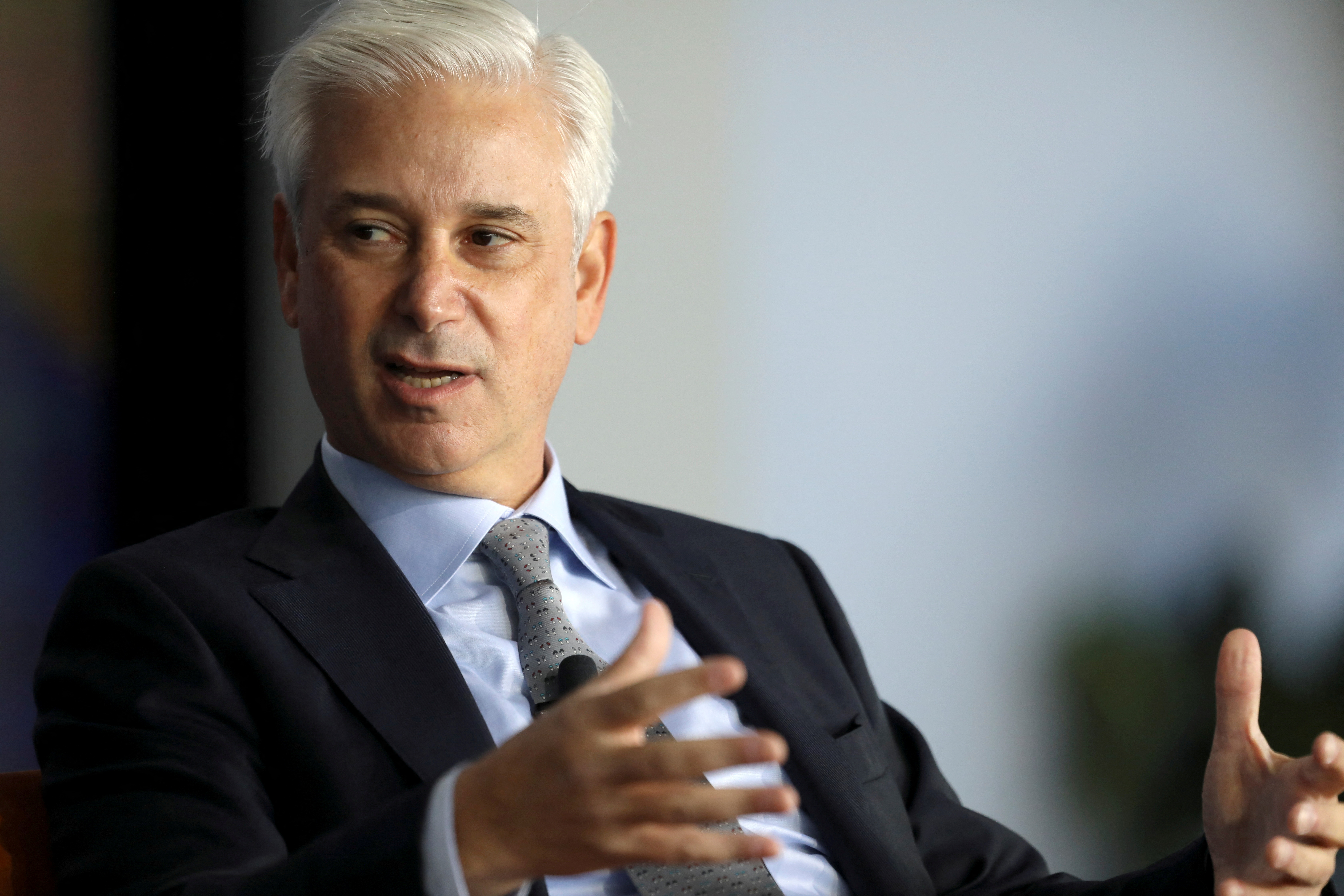
To understand who the CEO of Wells Fargo is, one must look beyond the resume and into the specific financial mandates he was hired to execute. In the world of high-stakes finance, Scharf is viewed as a “fixer”—a seasoned executive with the technical prowess and regulatory credibility required to steer a $1.9 trillion asset behemoth through one of the most complex corporate turnarounds in American history.
Charles Scharf: The Architect of Modern Wells Fargo
When the Board of Directors at Wells Fargo sought a new leader in 2019, they were looking for an outsider who could bring a fresh perspective to a culture that had been stifled by legacy issues. Charlie Scharf fit the profile perfectly. Unlike his predecessors, who were long-term internal veterans, Scharf brought a pedigree of excellence from some of the most prestigious institutions in the financial sector.
A Pedigree of Financial Leadership
Before taking the helm at Wells Fargo, Scharf served as the CEO of Bank of New York Mellon (BNY Mellon), where he focused on driving technological investment and simplifying the bank’s complex operational structure. However, it was his time at Visa Inc. and J.P. Morgan Chase that truly defined his reputation. At Visa, he oversaw the company’s transition into a digital-first payment giant, and at J.P. Morgan, he was a key lieutenant to Jamie Dimon, serving as the CEO of Retail Financial Services.
This background gave Scharf a unique trifecta of skills: a deep understanding of consumer banking, expertise in global payment processing, and the institutional knowledge of how to manage a “Too Big to Fail” bank. For Wells Fargo, these skills were essential for a bank that needed to compete with the technological agility of fintech while maintaining the stability of a traditional commercial lender.
Why an Outsider was Essential
The decision to hire Scharf was a strategic move to restore confidence among investors and regulators. Wells Fargo had historically promoted from within, a practice that many critics argued contributed to a “siloed” culture where ethical lapses were overlooked. By bringing in an executive from the outside, the board signaled that the status quo was no longer acceptable. Scharf’s mandate was clear: transform the bank’s operating model, repair the relationship with the Federal Reserve and the Office of the Comptroller of the Currency (OCC), and modernize a technology stack that had fallen behind peers like Bank of America and J.P. Morgan Chase.
Restructuring for Resilience: Navigating Regulatory Headwinds
The primary challenge defining Scharf’s tenure has been the regulatory oversight following the 2016 retail banking sales practices scandal. This is not merely a legal hurdle; it is a financial constraint that dictates every move the bank makes. Specifically, the Federal Reserve’s “asset cap” remains the most significant anchor on the bank’s growth.
The Asset Cap and Its Financial Implications
In 2018, the Federal Reserve imposed a growth restriction on Wells Fargo, preventing it from growing its balance sheet beyond approximately $1.95 trillion until it demonstrated significant improvements in its risk management and compliance oversight. For a bank, assets are loans and investments that generate income. Being capped means that Wells Fargo has had to make difficult choices about which businesses to keep and which to exit, often sacrificing market share in certain sectors to stay under the limit.
Under Scharf’s leadership, the bank has systematically addressed the “consent orders” that underly this cap. His strategy has focused on “getting the work done”—a phrase he frequently uses in earnings calls—which involves building out a massive risk and control infrastructure. This has required hiring thousands of compliance professionals and investing billions in automated monitoring systems. For investors, the CEO’s success is measured by how quickly he can move the bank toward the removal of this cap, which would unlock significant earning potential.
Strengthening the Risk and Control Framework
Scharf restructured the bank into five clear business lines: Consumer Banking and Lending, Commercial Banking, Corporate and Investment Banking, Wealth and Investment Management, and Consumer Lending. This was a move away from the decentralized model of the past. By centralizing risk management, the CEO ensured that the “second line of defense” (compliance and risk officers) has a direct line to the top, preventing the kind of localized misconduct that previously damaged the brand. This structural change is a cornerstone of the financial turnaround, as it provides the transparency that regulators demand.
Financial Strategy: Driving Efficiency and Profitability
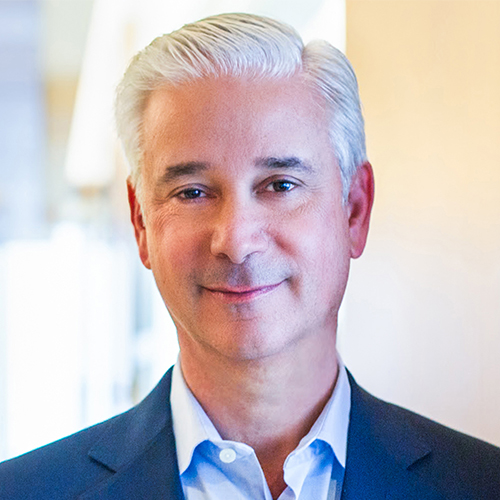
While the regulatory work happens in the background, Scharf has been equally focused on the bank’s “efficiency ratio”—a key financial metric that measures expenses as a percentage of revenue. Historically, Wells Fargo had a much higher cost base than its peers. Scharf initiated a multi-year plan to cut $10 billion in annual expenses, a move designed to make the bank leaner and more competitive.
Improving the Efficiency Ratio
To drive profitability, Scharf has focused on eliminating redundant layers of management and consolidating the bank’s vast real estate footprint. This has involved closing underperforming branches and moving more transactions to digital channels. In the world of business finance, a lower efficiency ratio typically leads to a higher valuation for the stock. By aggressively managing costs, Scharf has provided a cushion for the bank even as it spends heavily on regulatory remediation.
Portfolio Simplification and Strategic Divestitures
Part of Scharf’s financial strategy has been to simplify the bank’s portfolio by exiting non-core businesses. Under his leadership, Wells Fargo sold its asset management business (now Allspring Global Investments) and its corporate trust services. These moves allowed the bank to focus on its “bread and butter”: serving American consumers and mid-market commercial clients. By shedding capital-intensive or lower-margin businesses, the bank has been able to reallocate capital to areas where it has a competitive advantage, such as its rejuvenated credit card business.
Innovations in Consumer and Commercial Banking
In the modern financial landscape, a CEO must also be a Chief Technology Officer in many respects. Wells Fargo’s digital transformation under Scharf has been a critical component of its competitive strategy, aiming to bridge the gap between traditional banking and the “instant gratification” culture of fintech.
The Digital Transformation of Retail Banking
Scharf has overseen the launch of a completely redesigned mobile app and the introduction of “Fargo,” an AI-powered virtual assistant. These tools are not just “bells and whistles”; they are financial tools designed to increase user engagement and reduce the cost of service. By leveraging data analytics, the bank can now offer personalized financial advice to millions of customers, potentially increasing “share of wallet” in a crowded market. This shift toward a digital-first approach is essential for attracting younger demographics who view banking as an integrated part of their digital lives rather than a physical destination.
Enhancing Commercial Capabilities via Vantage
On the business finance side, the CEO championed the launch of “Vantage,” a digital platform for commercial and corporate clients. Vantage uses machine learning to provide treasurers and CFOs with real-time insights into their liquidity and cash flows. In a high-interest-rate environment, the ability to manage cash efficiently is a massive value-add for corporate clients. By investing in these platforms, Scharf has positioned Wells Fargo as a sophisticated partner for American businesses, moving beyond the simple “lender” relationship.
The Investor’s Perspective: Is the Leadership Delivering?
For those in the world of personal finance and investing, the ultimate question is how Charlie Scharf’s leadership translates to shareholder value. Since he took over, the bank’s stock has seen periods of significant outperformance, driven by rising interest rates and the successful execution of his cost-cutting measures.
Capital Return and Shareholder Value
A primary focus for any CEO of a major bank is capital return—returning profits to shareholders through dividends and share buybacks. Wells Fargo has historically been a strong dividend payer, but those payouts were slashed during the peak of the regulatory scrutiny. Under Scharf, the bank has aggressively moved to increase its dividend and resume massive share repurchase programs. For the “Money” niche audience, this is the most tangible evidence of a successful turnaround. As the bank generates excess capital that it cannot deploy into growth (due to the asset cap), it returns that capital to investors, providing a steady “total return” profile.
Long-term Outlook and Competitive Positioning
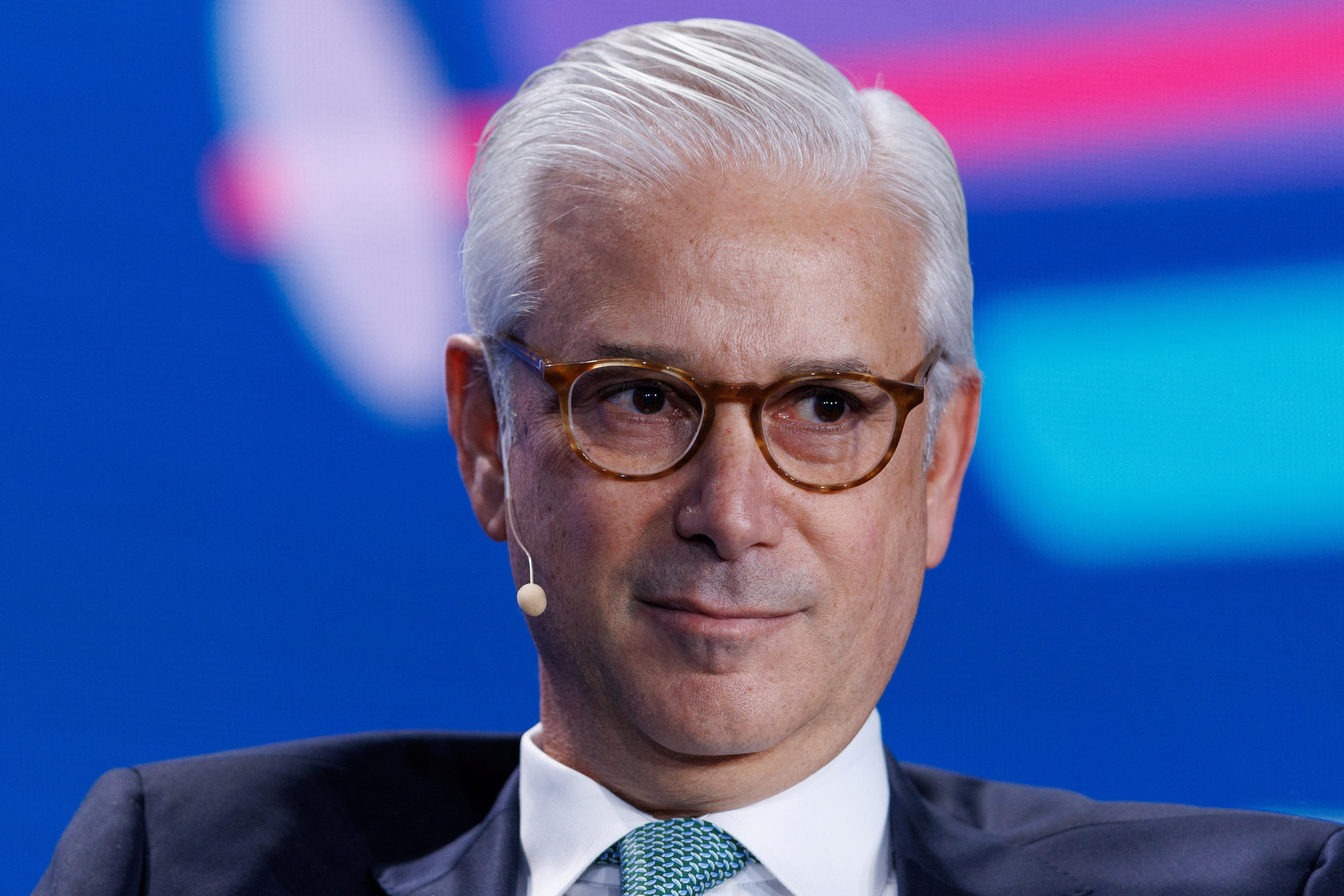
Charlie Scharf’s tenure as CEO is characterized by a “back to basics” philosophy combined with a “forward-looking” technological mandate. He has successfully stabilized the institution, significantly improved its financial metrics, and made substantial progress in checking off regulatory requirements. However, the job is not yet finished. The eventual removal of the asset cap will be the ultimate validation of his strategy.
In the competitive landscape of American banking, Wells Fargo is once again a formidable player. While it may not yet have the absolute scale of J.P. Morgan or the global reach of Citigroup, its focus on the American economy—from small businesses to major corporations—makes it a barometer for the country’s financial health. Under Charlie Scharf, the bank has shifted from a defensive posture to an offensive one, proving that even the largest financial institutions can reinvent themselves through disciplined leadership and a clear strategic vision.
aViewFromTheCave is a participant in the Amazon Services LLC Associates Program, an affiliate advertising program designed to provide a means for sites to earn advertising fees by advertising and linking to Amazon.com. Amazon, the Amazon logo, AmazonSupply, and the AmazonSupply logo are trademarks of Amazon.com, Inc. or its affiliates. As an Amazon Associate we earn affiliate commissions from qualifying purchases.