
The simple question, “What year did Elf come out?” belies a deeper narrative about brand strategy, cultural impact, and enduring appeal. While a straightforward factual query points to a specific calendar year, for those invested in understanding the mechanics of a successful brand, this date marks the genesis of a cinematic product that transcended its initial release to become a multi-generational holiday institution. Elf, more than just a movie, is a masterclass in brand building – from its conceptualization and marketing to its sustained presence in popular culture. Understanding its launch year is merely the first step in appreciating how a distinct brand identity was forged and maintained over two decades.
The Genesis of a Modern Classic: Pinpointing Elf’s Brand Launch
Every successful brand has an origin story, a precise moment when it steps out from conceptualization into the public consciousness. For Elf, this moment was clearly defined, laying the groundwork for its subsequent cultural dominance.
A Definitive Date: The Brand’s Big Reveal
The beloved holiday film Elf officially premiered in 2003. Specifically, it was released in theaters across North America on November 7, 2003. This date is not just a historical marker; it represents the precise moment the Elf brand was introduced to its target audience. It was a strategic launch, positioned perfectly at the beginning of the crucial holiday movie season, aiming to capture the festive spirit and capitalize on pre-Thanksgiving box office opportunities. This timing was a critical component of its initial brand strategy, ensuring maximum visibility and relevance during a period ripe for family entertainment. The decision to release it in early November allowed the film to build momentum through word-of-mouth and repeat viewings as the holiday season progressed, a strategy that many successful brands employ to embed themselves into seasonal traditions.
The Landscape of 2003: Contextualizing a Brand’s Debut
To truly appreciate Elf‘s brand success, it’s essential to understand the cultural and cinematic landscape it entered in 2003. The early 2000s were a period of transition in Hollywood. CGI was becoming more sophisticated, but there was also a yearning for authentic storytelling amidst a growing wave of blockbusters. Holiday films had a well-established niche, ranging from heartwarming dramas to slapstick comedies, but few had achieved the iconic status of true classics since the golden age of Hollywood. The market was ripe for a fresh, distinctive voice in the holiday genre. Competitors in 2003 included other family-friendly fare like The Cat in the Hat and Brother Bear, but Elf carved out its own unique space through a blend of sincere heart and absurd humor. This context highlights the foresight in Elf‘s branding: it didn’t try to mimic existing successes but rather forged a new path, offering something genuinely novel and memorable.
Early Branding Decisions: Cast, Director, and Vision
The foundational branding decisions for Elf were pivotal, beginning with the creative team. Director Jon Favreau, known for his indie sensibilities and later for launching the Marvel Cinematic Universe, brought a unique vision that blended classic holiday film tropes with a contemporary comedic edge. His decision to utilize practical effects where possible, and to pay homage to classic stop-motion animation, gave the film a timeless aesthetic that differentiated it from more CGI-heavy contemporaries.
Crucially, the casting of Will Ferrell as Buddy the Elf was a stroke of branding genius. At the time, Ferrell was a rising star known for his over-the-top comedic performances on Saturday Night Live and in films like Old School. His unique blend of innocent enthusiasm and chaotic energy was perfectly suited to the character of Buddy, an adult raised as an elf who journeys to New York City. Ferrell’s established comedic brand amplified Elf‘s potential, drawing in an audience familiar with his style while also showcasing a surprising depth that broadened his appeal. These early choices—from Favreau’s artistic direction to Ferrell’s star power—were instrumental in defining the core identity of the Elf brand: quirky, heartfelt, and genuinely funny. They established a clear promise to the audience about the kind of experience the film would deliver, a fundamental aspect of any robust brand strategy.
Crafting the Brand Identity: Marketing, Messaging, and Visuals
The initial launch in 2003 was just the beginning. The enduring success of Elf as a brand is equally attributable to the meticulous crafting of its identity through strategic marketing, consistent messaging, and distinctive visuals.
The Marketing Blitz: Introducing Buddy the Elf to the World
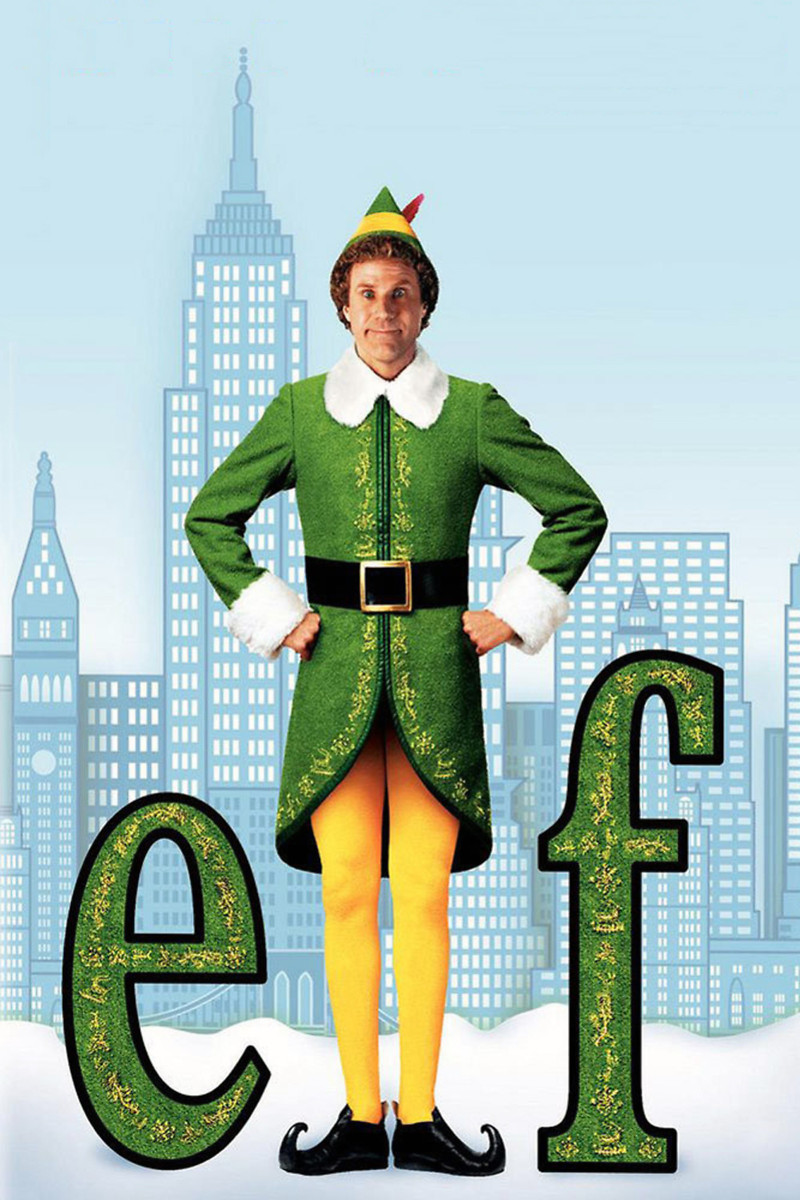
The marketing campaign for Elf was designed to capture immediate attention and convey the film’s unique premise. Trailers effectively showcased Buddy’s fish-out-of-water antics in New York City, contrasting his bright, childlike innocence with the cynical adult world. Key comedic moments, like Buddy’s ecstatic reaction to an escalator or his infamous spaghetti breakfast, were highlighted to pique interest and establish the film’s tone. The taglines used in promotional materials, such as “He’s not just a Christmas elf. He’s an ELF Elf,” underscored the character’s literal interpretation of his identity, setting up the humor while also hinting at the film’s underlying sincerity. Posters typically featured Will Ferrell in his iconic green elf costume, often set against a bustling New York backdrop, instantly communicating the protagonist and the setting. This focused branding ensured that audiences knew exactly what to expect: a whimsical, family-friendly comedy with a distinct holiday flavor. The campaign successfully positioned Buddy as an endearing, albeit sometimes exasperating, figure, making him instantly recognizable and memorable – a cornerstone of effective character branding.
Visual Language and Aesthetic: A Distinctive Brand Look
A significant part of Elf‘s brand identity lies in its distinct visual language. The iconic green elf suit, yellow tights, and pointed hat are instantly recognizable, almost a universal symbol for the film itself. This costume is more than just attire; it’s a visual metaphor for Buddy’s unwavering spirit and his alienation from the human world. The film’s aesthetic deliberately invokes the classic Rankin/Bass stop-motion holiday specials, particularly in the North Pole scenes, creating a sense of nostalgic warmth and timeless charm. This deliberate choice of visual style resonated with audiences seeking a connection to traditional holiday storytelling.
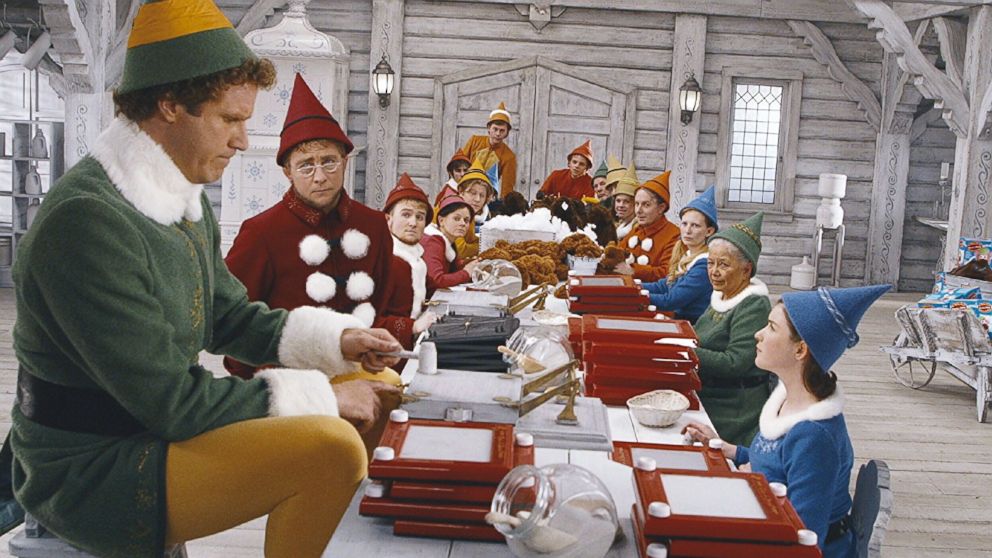
Furthermore, the stark contrast between the vibrant, almost storybook-like world of the North Pole and the gritty, realistic backdrop of New York City served as a powerful visual narrative. It amplified Buddy’s otherness and underscored the film’s core theme of maintaining childlike wonder in an adult world. These visual elements—from Buddy’s distinctive attire to the contrasting settings and stylistic homages—were carefully curated to create a coherent and memorable brand look, ensuring that Elf stood out visually in a crowded holiday market.
Tone and Narrative: Defining the Brand’s Voice
Beyond visuals, Elf‘s brand voice is characterized by a unique blend of humor, heart, and sincerity. The humor stems from Buddy’s earnest naiveté clashing with urban cynicism, creating genuinely funny situations without resorting to mean-spiritedness. The film embraces absurdism, but always grounds it in Buddy’s innocent perspective. This comedic approach ensures the brand remains lighthearted and accessible to a wide audience.
Simultaneously, the narrative is imbued with a deep sense of heart and an unwavering message about the importance of family, belief, and the spirit of Christmas. Buddy’s journey is ultimately about finding his place and bringing joy to others, themes that resonate powerfully during the holiday season. The film doesn’t shy away from moments of genuine emotion, particularly in Buddy’s relationship with his father and his efforts to save Christmas. This duality—combining laugh-out-loud comedy with profound emotional resonance—defines the Elf brand’s voice. It promises an experience that is both entertaining and genuinely touching, a powerful combination that has solidified its place as a perennial favorite. This consistent tone and narrative across all brand touchpoints have been crucial to its long-term success.
From Release to Resonation: The Brand’s Enduring Cultural Footprint
The initial release in 2003 was merely the first chapter. The true testament to Elf‘s brand strength lies in its ability to not only succeed at the box office but also to embed itself deeply into holiday traditions and popular culture, continually expanding its reach and influence.

Box Office Success and Critical Reception: Initial Brand Validation
Upon its release in November 2003, Elf was an immediate commercial success. It grossed over $220 million worldwide against a modest budget of $33 million, demonstrating a robust return on investment for its brand. This financial performance validated the initial brand strategy and proved that audiences were receptive to its unique offering. Critically, the film also performed well, garnering positive reviews that praised its humor, heart, and Will Ferrell’s performance. Reviewers often highlighted its potential to become a new holiday classic, a prediction that has demonstrably come true. This combination of commercial viability and critical acclaim provided the Elf brand with a strong foundation, establishing its credibility and laying the groundwork for its long-term cultural impact. Initial validation is crucial for any brand; it signals to stakeholders and consumers alike that the product delivers on its promise.
Building a Legacy: The Brand’s Post-Release Evolution
The journey of the Elf brand didn’t end with its theatrical run. Its post-release evolution was critical in cementing its legacy. The advent of DVD and later Blu-ray allowed families to own and rewatch the film year after year, transforming it from a cinematic event into a cherished annual ritual. As technology evolved, streaming services like Netflix and HBO Max embraced Elf, making it easily accessible to new generations and ensuring its continuous presence in the modern media landscape. Television networks also picked up on its popularity, with regular airings during the holiday season further solidifying its status as a Christmas staple. This multi-platform availability has been instrumental in keeping the Elf brand fresh and relevant, allowing it to adapt to changing consumption habits while maintaining its core identity. Each re-release or new platform appearance acts as a brand reinforcement, reminding audiences of its quality and emotional resonance.
Merchandise and Spin-offs: Brand Extension and Licensing
A hallmark of a truly successful brand is its ability to extend beyond its original product. Elf has proven exceptionally adept at this, generating a wide array of merchandise and spin-offs that broaden its brand universe. From clothing and toys featuring Buddy the Elf to holiday decorations and novelty items, the film’s iconic imagery and catchphrases have been successfully licensed and adapted into various consumer products. This merchandising strategy allows fans to engage with the brand in tangible ways and keeps it top-of-mind outside of viewing occasions.
Perhaps the most significant spin-off is Elf the Musical, which premiered on Broadway in 2010 and has since toured extensively. This stage adaptation demonstrates the narrative’s inherent strength and its capacity to transcend mediums, reaching new audiences and re-engaging existing fans in a live format. There have also been video games and animated specials, each serving to expand the Elf brand’s reach and ensure its characters and themes remain vibrant and relevant. These brand extensions not only generate additional revenue but also reinforce the core brand message, deepening its connection with its audience.
The Anatomy of Longevity: Why Elf Remains a Brand Powerhouse
Two decades after its 2003 release, Elf continues to resonate, demonstrating a remarkable brand longevity that many contemporary films struggle to achieve. Its enduring appeal is a complex interplay of relatable themes, cultural integration, and strategic positioning as a holiday tradition.
Relatable Themes and Universal Appeal: The Brand’s Emotional Core
At its heart, the Elf brand thrives on universal themes that transcend age, culture, and background. Buddy’s story is a timeless exploration of innocence colliding with cynicism, the quest for belonging, and the transformative power of belief. His unwavering optimism and belief in the spirit of Christmas, even in the face of indifference, provide a powerful, uplifting message. The film champions values like family, kindness, and the importance of embracing one’s true self. These themes resonate deeply with audiences, particularly during the holiday season when such sentiments are amplified. The Elf brand taps into a fundamental human desire for joy, connection, and a touch of magic, making it consistently relevant year after year. It’s a brand that makes people feel good, and that emotional connection is a cornerstone of true brand loyalty.
Meme Culture and Quotability: Organic Brand Amplification
A key indicator of Elf‘s deep integration into popular culture is its prolific presence in meme culture and its remarkable quotability. Lines like “I just like to smile; smiling’s my favorite,” “Buddy the Elf, what’s your favorite color?” and “You smell like candy canes, and syrup, and happiness!” have become iconic. These phrases are widely shared on social media, used in everyday conversation, and referenced in other media. This organic brand amplification, driven by user-generated content and cultural osmosis, is invaluable. It keeps the Elf brand perpetually in the public consciousness without requiring constant, expensive marketing pushes. Every shared meme or quoted line is a free advertisement, a testament to the brand’s pervasive influence and its ability to connect with audiences on a highly personal, interactive level.
Nostalgia and Tradition: Embedding the Brand in Holiday Rituals
Perhaps the most powerful factor contributing to Elf‘s longevity as a brand is its successful embedding into holiday rituals. For many families, watching Elf has become an annual tradition, as ingrained as decorating the tree or singing carols. This ritualistic viewing fosters a strong sense of nostalgia and comfort, associating the film with cherished memories and the festive spirit. Children who grew up watching Elf in the 2000s are now adults introducing it to their own children, creating a continuous cycle of engagement and intergenerational brand loyalty. This traditional aspect elevates Elf beyond mere entertainment; it transforms it into a cultural touchstone, a reliable source of holiday cheer that signals the start or continuation of festive celebrations. This is the ultimate aspiration for any seasonal brand: to become an indispensable part of its audience’s cherished traditions.
Lessons from Elf: Branding Insights for Modern Marketers
The phenomenal success and enduring appeal of Elf, launched in 2003, offer invaluable lessons for brand strategists and marketers across all industries. Its journey from a single film to a cultural phenomenon highlights several key principles of effective brand building.
Authenticity as a Brand Cornerstone
One of Elf‘s most significant takeaways is the power of authenticity. The film succeeds because it is genuinely heartfelt, embracing its unique premise with sincerity rather than irony. Buddy’s character, despite his outlandish behavior, is consistently authentic in his motivations and emotions. This authenticity translates into a brand that feels trustworthy and genuine. In an age where consumers are increasingly wary of slick, inauthentic marketing, Elf demonstrates that a brand built on genuine emotion and a clear, consistent message can forge a deeper, more lasting connection with its audience. Marketers should strive to uncover and communicate the true, authentic core of their product or service.
The Power of Distinctive Character Branding
Buddy the Elf is a masterclass in character branding. He is instantly recognizable, memorable, and embodies the core values of the Elf brand: joy, innocence, and unwavering belief. His distinctive look, mannerisms, and quotable lines have made him an icon. For any brand, creating a distinctive and relatable “character” – whether it’s a mascot, a spokesperson, or even the brand’s persona itself – can be incredibly powerful. It provides a focal point for brand identity, making the brand more accessible and emotionally resonant. Buddy shows that a strong, well-developed character can become synonymous with the brand itself and drive significant engagement and loyalty.
Cultivating Long-Term Brand Equity Through Emotional Connection
Finally, Elf‘s enduring legacy underscores the importance of cultivating long-term brand equity through emotional connection. The film doesn’t just entertain; it evokes feelings of joy, nostalgia, and warmth. It has become associated with the positive emotions of the holiday season, creating a powerful emotional bond with its audience. Brands that successfully tap into these deeper emotional levels can achieve far greater longevity and loyalty than those focused solely on transactional value. By understanding what makes their audience feel, and consistently delivering experiences that resonate emotionally, brands can transform fleeting interest into enduring affection, ensuring their relevance for years, if not decades, to come. The release year of 2003 was just the beginning of a brand journey that continues to inspire and delight, proving the lasting power of a well-executed and emotionally resonant brand strategy.
aViewFromTheCave is a participant in the Amazon Services LLC Associates Program, an affiliate advertising program designed to provide a means for sites to earn advertising fees by advertising and linking to Amazon.com. Amazon, the Amazon logo, AmazonSupply, and the AmazonSupply logo are trademarks of Amazon.com, Inc. or its affiliates. As an Amazon Associate we earn affiliate commissions from qualifying purchases.