
In the complex landscape of personal finance, few decisions carry as much weight and potential for impact as choosing the right car insurance. It’s a mandatory expense for most drivers, a critical safeguard against unforeseen financial catastrophe, and a product whose value is often only truly understood in the aftermath of an accident. The ubiquitous question, “Who is the best car insurance company?” is, therefore, not merely a search for a service provider, but a profound inquiry into optimizing personal financial security and achieving peace of mind.
This guide delves into the multi-faceted answer to that question, framing car insurance selection through a purely financial lens. We will explore how “best” is a deeply personal and dynamic metric, influenced by individual risk profiles, budget constraints, and long-term financial goals. Our focus will be on equipping you with the analytical tools and strategic insights to navigate the market effectively, ensuring that your chosen policy delivers maximum financial value and robust protection tailored to your unique circumstances.
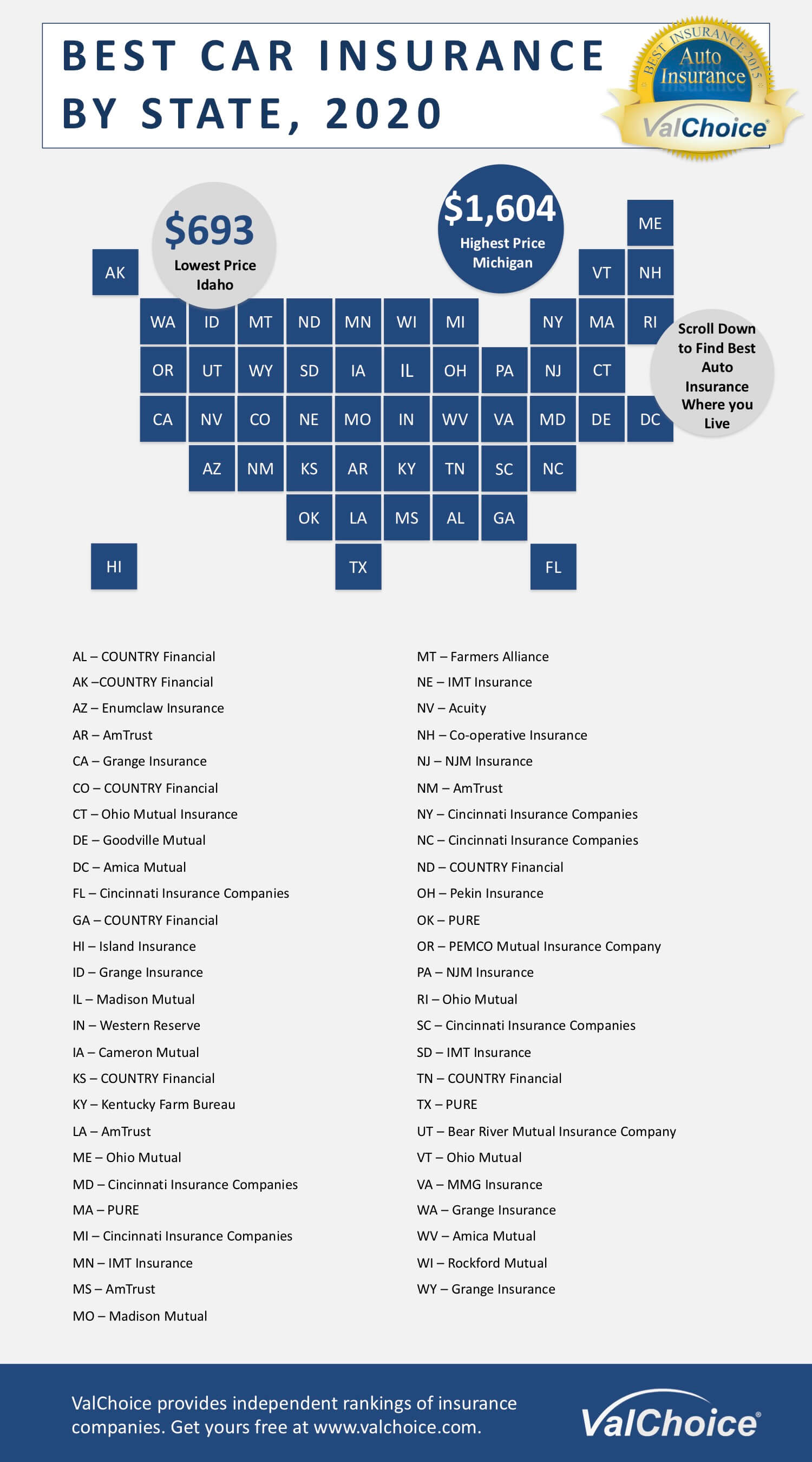
Defining “Best”: It’s Not One-Size-Fits-All for Your Wallet
The concept of the “best” car insurance company is not a universal truth but a highly individualized financial equation. What constitutes optimal for one driver could be woefully inadequate or unnecessarily expensive for another. Approaching this decision from a personal finance perspective means understanding that the “best” company is the one that offers the most robust coverage for your specific needs at the most competitive price, ensuring your financial stability remains intact regardless of what the road throws your way.
Coverage Needs vs. Budget Constraints
At the heart of any sound financial decision lies the delicate balance between need and affordability. For car insurance, this translates to aligning your required level of protection with what your personal budget can comfortably accommodate. Minimum state liability coverage might be the cheapest option upfront, but it offers minimal financial protection, leaving you vulnerable to significant out-of-pocket expenses in a serious accident. Conversely, an overly comprehensive policy with features you don’t need can unnecessarily inflate your premiums, draining funds that could be allocated to savings or other investments. The “best” company will offer flexible policy options that allow you to customize coverage to hit this sweet spot, providing adequate protection without overextending your financial resources.
Risk Tolerance and Deductible Choices
Your personal financial risk tolerance plays a pivotal role in shaping your ideal insurance policy. Are you comfortable with a higher deductible—meaning you pay more out-of-pocket before your insurance kicks in—in exchange for lower monthly premiums? Or do you prefer the peace of mind that comes with a lower deductible, knowing your immediate financial exposure in a claim scenario is reduced? A higher deductible can significantly lower your premiums, freeing up cash flow, but requires you to have a readily accessible emergency fund to cover that initial expense. The “best” company should transparently present various deductible options and help you understand the long-term financial implications of each choice, enabling you to make a decision that aligns with your financial readiness.
Personal Driving Habits and History
Your driving record and habits are direct determinants of your insurance premiums, reflecting the insurer’s assessment of your financial risk. A clean driving history, limited mileage, and adherence to safe driving practices can unlock substantial discounts, directly impacting the overall financial cost of your policy. Conversely, a history of accidents or traffic violations will likely lead to higher premiums, as you are perceived as a greater financial liability. The “best” companies often leverage telematics programs (usage-based insurance) that reward safe driving with lower rates, offering a direct financial incentive for responsible behavior behind the wheel. When evaluating companies, consider how they factor in your specific driving profile and whether they offer programs that could financially benefit your good habits.
Key Financial and Service Factors to Evaluate
Beyond the basic premium, a truly discerning financial consumer evaluates a car insurance company based on a holistic set of criteria that impact both immediate costs and long-term financial security. These factors transcend mere price, delving into the true value and reliability of the financial product being purchased.
Understanding Premium Drivers: Demographics and Vehicle
Insurance premiums are a complex calculation driven by a myriad of factors. Your age, gender, marital status, credit score, location, and even occupation can all influence the cost of your policy. Similarly, the make, model, year, safety features, and even the color of your vehicle contribute to its perceived risk and repair cost, directly affecting your premium. The “best” companies utilize sophisticated algorithms that accurately price risk, ensuring fairness while also being competitive. An insightful financial evaluation involves understanding how these individual factors play into each insurer’s pricing model, allowing you to identify companies that might offer more favorable rates given your specific demographic and vehicle profile.
The True Value of Comprehensive Coverage Options
While liability insurance covers damages you cause to others, comprehensive and collision coverage protect your own vehicle. From a financial planning perspective, choosing the right mix of coverage is crucial. Comprehensive insurance guards against non-collision events like theft, vandalism, fire, or natural disasters, all of which can lead to significant unexpected repair or replacement costs. Collision insurance covers damage to your car from an accident, regardless of fault. The “best” companies offer a wide array of additional coverage options—such as rental car reimbursement, roadside assistance, gap insurance, and uninsured/underinsured motorist coverage—that act as critical financial buffers. These optional add-ons, while increasing premiums, can prevent devastating out-of-pocket expenses and ensure uninterrupted mobility, providing substantial financial peace of mind.
Assessing Financial Strength and Claims Reliability
The primary purpose of insurance is to provide financial protection when you need it most. Therefore, the financial strength and claims-paying ability of an insurance company are paramount. A company’s financial stability, typically rated by agencies like AM Best, Standard & Poor’s, or Moody’s, indicates its capacity to meet its financial obligations, even during widespread catastrophic events. A high financial rating signifies a reliable financial partner. Equally important is their claims reliability – how efficiently and fairly they process claims. A company with a stellar reputation for timely and hassle-free claims handling offers invaluable financial security, preventing prolonged disputes and potential out-of-pocket spending during a stressful period. Customer service ratings from organizations like J.D. Power can offer insights into the actual customer experience during the claims process.
Unlocking Savings Through Discounts and Bundling
Smart financial consumers actively seek ways to maximize value and minimize costs. Car insurance companies often provide a variety of discounts that can significantly reduce your premiums. These can include multi-car discounts, good driver discounts, student discounts, anti-theft device discounts, low mileage discounts, and more. One of the most impactful financial strategies is bundling: combining your car insurance with other policies, such as home, renters, or life insurance, with the same provider. This typically results in substantial savings across all policies. The “best” car insurance companies will clearly list their available discounts and make it easy for you to identify and qualify for as many as possible, offering a direct pathway to reduced financial outflow.
Customer Service: A Critical Financial Safety Net
While often overlooked until a problem arises, the quality of customer service is a vital component of the overall financial value of an insurance policy. When an accident occurs, you need clear communication, efficient processing, and empathetic support. Poor customer service can lead to delays in claims processing, incorrect information, or frustrating disputes, all of which can translate into financial stress, lost wages, or unnecessary out-of-pocket expenses. A company known for its responsive and helpful customer service acts as a financial safety net, ensuring that you can navigate challenging situations with minimal financial disruption. Reviews on platforms like the Better Business Bureau (BBB) or Consumer Reports can provide valuable insights into real-world customer experiences, helping you assess a company’s reliability beyond its quoted price.
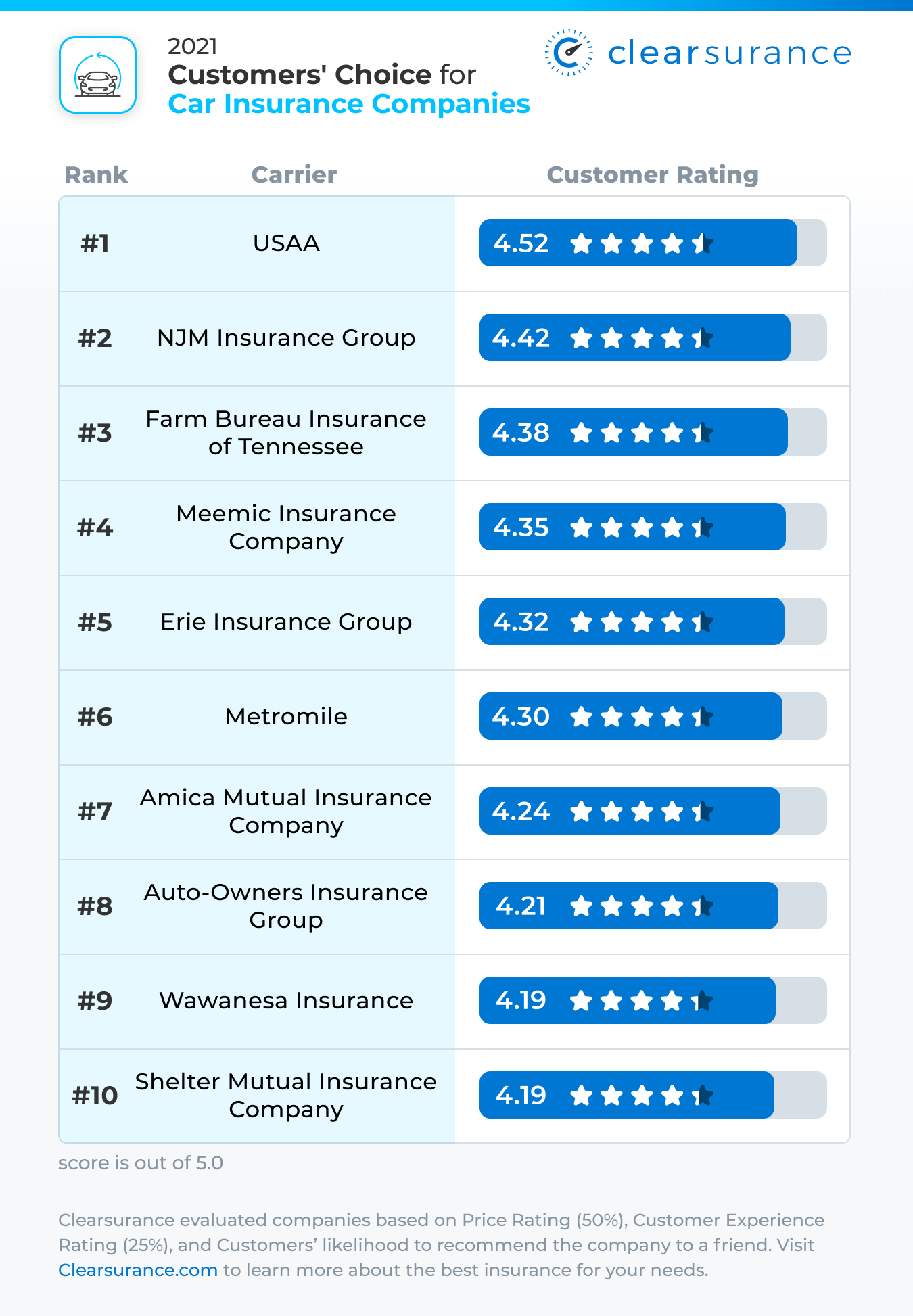
Strategies for Finding Your Optimal Policy
Finding the “best” car insurance is an active, not passive, endeavor. It requires strategic engagement with the market and a commitment to understanding your options. Employing a systematic approach ensures you not only secure a competitive rate but also a policy that genuinely serves your financial interests.
The Power of Comparison Shopping
The single most effective strategy for finding the best financial deal on car insurance is relentless comparison shopping. Never settle for the first quote you receive, or simply renew with your existing provider without checking alternatives. Premiums can vary wildly between companies for identical coverage, sometimes by hundreds or even thousands of dollars annually. Utilize online comparison tools, aggregator websites, and direct quotes from multiple insurers. This allows you to transparently compare not just the bottom-line premium but also the nuances of coverage, deductibles, and discounts offered, empowering you to make a financially optimized decision.
Reviewing Your Policy Annually
Your financial situation, driving habits, and even your vehicle’s value are not static. Therefore, your car insurance policy shouldn’t be either. Make it a routine financial habit to review your policy at least once a year, or whenever significant life events occur (e.g., marriage, new car, moving, a child getting their license). Your needs for collision and comprehensive coverage might decrease as your car ages and depreciates. New discounts might become available to you. Regular review ensures that your policy remains aligned with your current financial reality and risk profile, preventing you from overpaying for coverage you no longer need or being underinsured when circumstances change.
Leveraging Independent Agents
While direct-to-consumer online platforms offer convenience, independent insurance agents can be invaluable financial advisors in the car insurance selection process. Unlike captive agents who work for a single company, independent agents work with multiple insurers. This allows them to shop around on your behalf, providing you with a curated selection of quotes from various carriers that match your specific needs and budget. They can also offer expert advice on coverage levels, explain complex policy terms, and help you identify discounts you might have missed. For many, the personalized guidance and time-saving benefits offered by an independent agent represent significant financial value, especially when navigating a complex market.
Top Contenders: A Glimpse at Leading Providers
While we emphasize that the “best” company is subjective, certain insurers consistently rank high in various categories due to their financial strength, competitive pricing, customer service, and breadth of offerings. It’s helpful to understand the general characteristics of major players to guide your initial search.
Large National Carriers: Scale and Accessibility
Companies like GEICO, Progressive, State Farm, Allstate, and Liberty Mutual dominate the market due to their massive scale, extensive advertising, and broad geographic reach. Their advantages often include:
- Competitive Pricing: Due to their large customer bases, they can often offer competitive rates, especially for drivers with clean records.
- Extensive Discount Programs: They typically have a wide array of discounts, making it easier to reduce premiums.
- Robust Online Tools and Mobile Apps: Excellent digital platforms for managing policies, payments, and claims, enhancing financial convenience.
- Financial Stability: Generally possess high financial strength ratings, ensuring claims-paying ability.
However, their sheer size can sometimes mean a less personalized customer service experience for some, although many are investing heavily in improving this aspect.
Regional and Niche Insurers: Personalized Service and Specific Offerings
Smaller, regional companies or those focusing on specific demographics (e.g., USAA for military families, Amica for highly rated customer service) can often offer compelling alternatives:
- Personalized Service: Often praised for more direct and personalized customer support, which can be a significant financial comfort during a claim.
- Specialized Rates: May offer particularly competitive rates for specific regions or demographics they target.
- Unique Programs: Might have unique policy features or benefits not found with larger carriers.
Examples include Erie Insurance, known for strong customer satisfaction and competitive rates in its service area, or Amica Mutual, consistently lauded for its claims handling and overall customer experience. For specific financial profiles, these niche players can sometimes provide superior value.
Direct vs. Agent Models: Cost and Convenience
The choice between a direct insurer (like GEICO or Progressive, where you interact directly online or by phone) and an agent-based model (like State Farm or Allstate, where you work with a local agent) has financial implications.
- Direct Insurers: Often offer slightly lower premiums due to reduced overhead costs associated with agents. They are ideal for financially savvy consumers comfortable with managing their policy independently online.
- Agent-Based Insurers: Provide the benefit of personalized advice, local presence, and assistance with policy complexities or claims. This can represent significant financial value for those who prefer human interaction and guidance, potentially preventing costly mistakes or missed opportunities for discounts.
Your preference for managing your finances and customer interactions should guide this choice.

Beyond the Premium: Long-Term Financial Considerations
Choosing car insurance is not just about the immediate premium payment; it’s a long-term financial decision with significant implications for your overall wealth and security. The “best” choice is one that supports your financial goals and safeguards your assets for years to come.
Understanding the long-term impact of your insurance choices means looking beyond just the monthly bill. A policy from a financially robust company with a reputation for excellent claims service might cost slightly more upfront, but it offers superior financial protection and peace of mind in the event of a major incident. The cost of a cheap policy that fails to deliver when you need it most can be astronomically higher in the long run, leading to significant out-of-pocket expenses, legal fees, or even the loss of assets.
Furthermore, leveraging good driving habits and maintaining a clean record can lead to cumulative financial benefits through loyalty discounts and preferred rates over time. Regularly re-evaluating your policy ensures that as your life evolves, your car insurance continues to be a financially prudent and effective tool for risk management, rather than a drain on your resources.
In conclusion, “who is the best car insurance company?” is a question that demands a personalized financial answer. It’s about more than just finding the lowest price; it’s about identifying the provider that offers the optimal balance of comprehensive protection, reliable service, and competitive pricing tailored to your unique financial situation and risk profile. By employing a strategic, financially-aware approach, you can confidently choose a car insurance policy that not only meets your legal obligations but also acts as a robust pillar of your personal financial strategy.
aViewFromTheCave is a participant in the Amazon Services LLC Associates Program, an affiliate advertising program designed to provide a means for sites to earn advertising fees by advertising and linking to Amazon.com. Amazon, the Amazon logo, AmazonSupply, and the AmazonSupply logo are trademarks of Amazon.com, Inc. or its affiliates. As an Amazon Associate we earn affiliate commissions from qualifying purchases.