
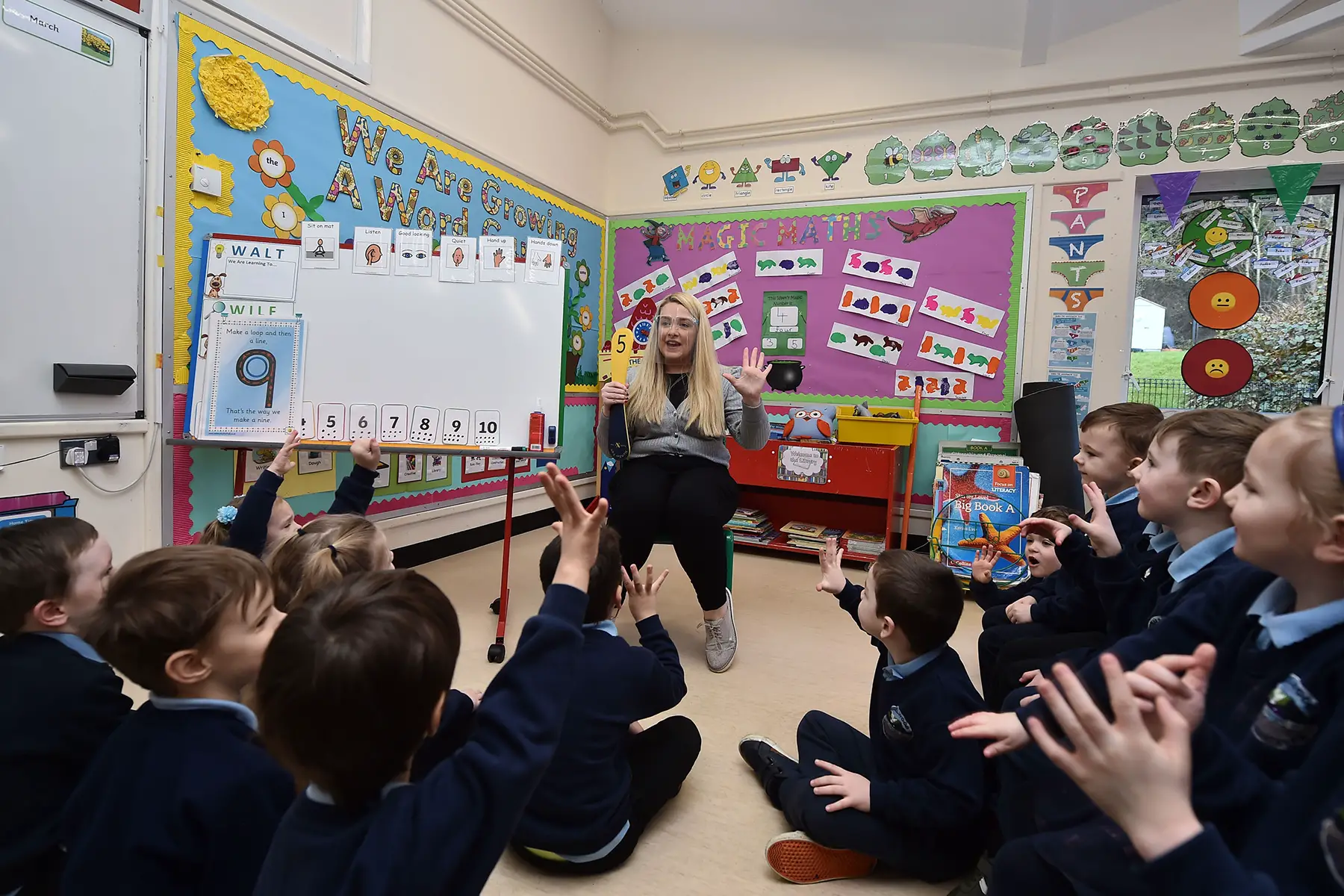
Junior school in England represents a crucial developmental and educational stage for children, typically spanning ages 7 to 11 (Years 3 to 6). While its primary function is pedagogical, preparing young minds for secondary education, understanding junior schooling through a financial lens reveals a complex ecosystem of investment, expenditure, and economic impact. From the dual tracks of state-funded versus independent institutions to the myriad ancillary costs borne by families and the broader economic ripple effects, junior schools are significant financial entities within the UK’s social fabric.
The Financial Architecture of Junior Schooling: State vs. Independent
The most fundamental financial distinction in English junior education lies between state-funded and independent (private) schools. This bifurcation presents vastly different financial implications for parents, taxpayers, and the national economy.

Understanding State Funding Mechanisms
State junior schools are primarily funded through central government grants distributed via local authorities. This funding covers operational costs, including teacher salaries, utilities, maintenance, and curriculum resources. For parents, this model means no direct tuition fees are charged. However, the perception of “free” education is nuanced. Taxpayers, through their contributions, collectively finance these institutions. Furthermore, state schools rely on strict budgets, which can influence resource availability, class sizes, and the range of extracurricular activities offered. While the direct financial barrier to entry is absent, families often face indirect costs, and government spending on education is a significant line item in national budgets, reflecting a substantial public investment in human capital. The efficiency and adequacy of this funding are perpetual subjects of public and political debate, directly impacting the quality and provision of education across the country.
The Direct Costs of Private Junior Education
Conversely, independent junior schools operate on a fee-paying model, making them a significant financial commitment for families. Tuition fees can vary widely based on location, reputation, facilities, and whether the school offers boarding options. These fees typically cover teaching, administrative costs, maintenance, and a broader range of facilities and extracurricular programs than often found in state schools. Beyond the base tuition, additional charges for specific activities, trips, or extended care are common. Parents opting for private education are making a substantial financial investment, often planning years in advance and dedicating a significant portion of their disposable income or savings. This choice reflects a strategic financial decision, often driven by perceived benefits such as smaller class sizes, specialized teaching, particular academic or sporting facilities, and a specific school ethos. The economic viability of these schools also depends on attracting a sufficient number of fee-paying pupils, operating as self-sustaining businesses within the education sector.
Beyond Tuition: Hidden and Ancillary Costs for Parents
Regardless of whether a child attends a state or independent junior school, parents inevitably incur a range of additional, often unbudgeted, expenses. These ancillary costs can accumulate significantly, influencing household budgets and sometimes creating financial strain.
Uniforms, Equipment, and Extracurriculars
A universal expense for junior school parents is the cost of uniforms. While state schools generally have simpler, less expensive requirements, independent schools often mandate specific branded items, contributing to higher upfront and ongoing costs. Beyond the basic uniform, expenses for PE kits, school bags, stationery, and sometimes specific digital devices (e.g., tablets or laptops for older junior pupils) can add up. Extracurricular activities, while enriching, often come with fees. Music lessons, sports clubs, art classes, and drama groups typically require parental contributions, covering instructor fees, equipment, and venue hire. For families with multiple children or those passionate about diverse activities, these costs can become a considerable recurring outgoing, representing a direct investment in a child’s holistic development beyond the core curriculum.
Transport and After-School Care Expenses
Geographical proximity to a chosen junior school is often a significant factor for parents, partly due to transport costs. For those living further away or without direct public transport links, fuel costs for driving, bus fares, or even private school transport services can add a substantial line to the monthly budget. Equally significant are the costs associated with childcare outside standard school hours. Many working parents rely on breakfast clubs, after-school clubs, or private childminders to cover the period before and after the school day. These services, while essential for workforce participation, incur fees that can amount to several hundred pounds per month per child, effectively extending the financial burden of schooling beyond the school gates. The availability and affordability of such services play a critical role in family financial planning and can impact parental career choices.
Voluntary Contributions and Fundraising
Even within state-funded schools, “voluntary” contributions are a common request. These donations often support school trips, specialized workshops, or additional resources that fall outside the core curriculum budget. While technically voluntary, parents often feel a social or parental obligation to contribute, seeing it as an investment in their child’s broader educational experience. Similarly, school fundraising initiatives, from bake sales to sponsored events, are designed to generate additional funds for school projects or equipment. While these events can build community, they also represent a financial expectation or burden for families, whether through buying goods, sponsoring children, or donating time and resources for the events themselves. These subtle financial pressures highlight that even “free” education is not entirely devoid of parental monetary input.
Financial Planning and Support for Junior School Parents
Navigating the financial landscape of junior schooling requires strategic planning and awareness of available support mechanisms. For many families, this period marks a significant increase in expenditure, necessitating careful budgeting and foresight.
Budgeting and Saving Strategies
Effective financial planning for junior schooling often begins well before a child starts Year 3. Parents may establish dedicated savings accounts, such as Junior ISAs (Individual Savings Accounts), to accumulate funds for future education-related expenses, especially if considering private schooling. Creating a detailed household budget that accounts for both the fixed and variable costs associated with junior school – including uniforms, trips, clubs, and childcare – is crucial. This budget can help identify areas for potential savings or adjustments to maintain financial stability. For those eyeing private education, early engagement with financial advisors can help structure long-term investment plans to meet significant tuition fees without undue strain on current income.
Exploring Bursaries, Scholarships, and Financial Aid
For independent junior schools, financial assistance programs are available, though often competitive. Bursaries are means-tested awards, granted based on a family’s financial need, which can cover a proportion or even the entirety of tuition fees. Scholarships, conversely, are typically awarded for academic excellence or exceptional talent in specific areas like music, sports, or art, and may or may not be means-tested. Prospective parents should thoroughly research the financial aid policies of target schools and apply well in advance, providing comprehensive financial disclosures. These programs represent a vital mechanism for increasing access to private education for deserving pupils from diverse economic backgrounds, acting as an investment in talent development.
Tax Implications and Childcare Vouchers
Government initiatives can also offer some financial relief. Schemes such as Tax-Free Childcare or Universal Credit can help eligible families with the cost of registered childcare, including after-school clubs and holiday camps. These programs effectively reduce the net cost of essential childcare, directly impacting a family’s disposable income and capacity to manage other schooling expenses. Understanding eligibility criteria and maximizing the benefits from these schemes is a critical component of optimizing the financial aspects of junior schooling. Moreover, some employer-provided benefits, such as salary sacrifice schemes for childcare, can also offer tax efficiencies, further easing the financial load.
Economic Footprint: Junior Schools as Financial Engines
Beyond direct parental and governmental spending, junior schools contribute significantly to the broader economy, acting as local employers and influencing property markets.
Local Economic Impact and Employment
Junior schools are substantial local employers, creating jobs for teachers, teaching assistants, administrative staff, cleaners, catering staff, and other support personnel. The salaries paid to these individuals circulate within the local economy, supporting other businesses and services. Furthermore, schools regularly procure goods and services from local suppliers – from stationery and textbooks to maintenance services and catering supplies – providing a consistent revenue stream for numerous small and medium-sized enterprises. School trips, events, and community activities also inject money into local attractions, transport providers, and hospitality sectors. This makes each junior school a localized economic hub, contributing to regional employment and commercial vitality.
Property Value Correlation
The presence and reputation of high-performing junior schools, particularly those rated “Outstanding” by Ofsted (the Office for Standards in Education, Children’s Services and Skills), often have a measurable impact on local property values. Families are frequently willing to pay a premium for homes located within the catchment areas of desirable state junior schools, leading to localized property price inflation. This phenomenon highlights a significant, albeit indirect, financial cost for parents prioritizing access to specific schools. For private schools, their establishment in an area can also drive demand for family homes, often catering to higher-income brackets, further influencing local property dynamics. The “school run” becomes a literal descriptor of a financial journey, where property investment is intertwined with educational aspirations.

Long-term Human Capital Investment
Ultimately, the financial expenditure on junior schooling, whether public or private, represents a critical long-term investment in human capital. By providing foundational literacy, numeracy, and social skills, junior schools prepare children for secondary education, higher learning, and ultimately, productive roles in the workforce. This investment contributes to a skilled labor force, which is essential for economic growth, innovation, and national prosperity. The return on investment, while difficult to quantify immediately, is realized through a more educated populace, higher earning potential for individuals, and a more robust and competitive national economy in the future. Junior schools, therefore, are not just places of learning but fundamental components of the UK’s financial and economic infrastructure.
aViewFromTheCave is a participant in the Amazon Services LLC Associates Program, an affiliate advertising program designed to provide a means for sites to earn advertising fees by advertising and linking to Amazon.com. Amazon, the Amazon logo, AmazonSupply, and the AmazonSupply logo are trademarks of Amazon.com, Inc. or its affiliates. As an Amazon Associate we earn affiliate commissions from qualifying purchases.