
When a fan searches for “who is playing at PNC tonight,” they are usually looking for a team schedule or a concert lineup. However, from a financial perspective, that query represents the culmination of a massive, multi-layered economic engine. Whether it is PNC Park in Pittsburgh or PNC Arena in Raleigh, the “PNC” prefix is not merely a label; it is a high-stakes investment in brand equity, consumer behavior, and local economic stimulation. To understand the business behind the lights, one must look past the performers and into the complex world of naming rights, dynamic pricing, and the secondary revenue streams that power modern live entertainment.

The Financial Architecture of Naming Rights: Why Banks Invest in the “Tonight” Experience
The presence of PNC Financial Services Group across multiple premier North American venues is a strategic masterclass in corporate branding. Naming rights are among the most expensive and long-term marketing commitments a corporation can make. For a financial institution, the goal is not just visibility, but the association with high-affinity community events.
The Valuation of Impressions
When thousands of fans ask who is playing at a PNC-branded venue, the brand achieves a level of organic integration that traditional television or digital advertising cannot match. The valuation of these rights is calculated through “impressions,” but with a unique twist: the emotional resonance of the event. If a fan watches their favorite team win a playoff game or sees a legendary band perform at a PNC venue, the bank’s brand is subconsciously tethered to that positive memory. This “halo effect” is worth millions in long-term customer acquisition and retention.
Strategic Long-Term Agreements
Naming rights deals are rarely short-term. They typically span 10 to 20 years, providing the venue with a stable, predictable stream of capital that can be used for infrastructure upgrades and operational costs. For the bank, this is a fixed-cost marketing play that hedges against the rising costs of digital ad auctions. By locking in a price for a decade or more, PNC ensures its brand remains a household name in key geographic markets, regardless of how the media landscape evolves.
B2B and High-Net-Worth Opportunities
Beyond the general public, these venues serve as critical hubs for business-to-business (B2B) networking. The luxury suites and premium clubs within a PNC-branded stadium are where corporate deals are often finalized. For PNC, having their name on the building where high-net-worth clients and business owners congregate provides a subtle but powerful psychological advantage, reinforcing their position as a pillar of the local and national economy.
The Micro-Economy of a Single Night: Revenue Streams Behind the Ticket
When the doors open for “tonight’s” event, a massive financial machine begins to churn. The ticket price is only the beginning of a complex flow of capital that involves promoters, artists, venue operators, and third-party vendors.
The Breakdown of Ticket Revenue
The gross ticket sales for a single night at a major arena can range from $1 million to over $5 million, depending on the act. However, the distribution of this money is highly fragmented. Typically, the artist or team takes the lion’s share of the “face value” of the ticket. The venue—in this case, the entity operating the PNC-branded facility—often relies on “ancillary revenue” to achieve profitability. This includes parking fees, facility charges, and a percentage of the ticketing platform’s service fees.
The High Margins of Concessions and Merchandise
In the world of live event finance, “per-cap” spending is a vital metric. This represents the average amount of money each attendee spends inside the venue on top of their ticket. Concessions are a high-margin goldmine; the markup on a souvenir soda or a craft beer can exceed 500%. Similarly, merchandise sales provide a crucial revenue stream for both the performer and the venue, with the house usually taking a “hall fee” of 15% to 30% of total merchandise sales.
Dynamic Pricing and Yield Management
Modern live events have adopted the pricing models of airlines and hotels. Using sophisticated algorithms, ticket prices for “tonight’s” show may have fluctuated dozens of times since they first went on sale. This dynamic pricing allows the venue and the promoters to capture the maximum “consumer surplus”—the difference between what a fan is willing to pay and the actual price of the ticket. When demand is high, prices skyrocket; when it is low, the system may offer “last-minute” deals to ensure the building is at capacity, thereby maximizing concession and parking revenue.
The Ripple Effect: Local Markets and the Economy of the “Tonight” Event
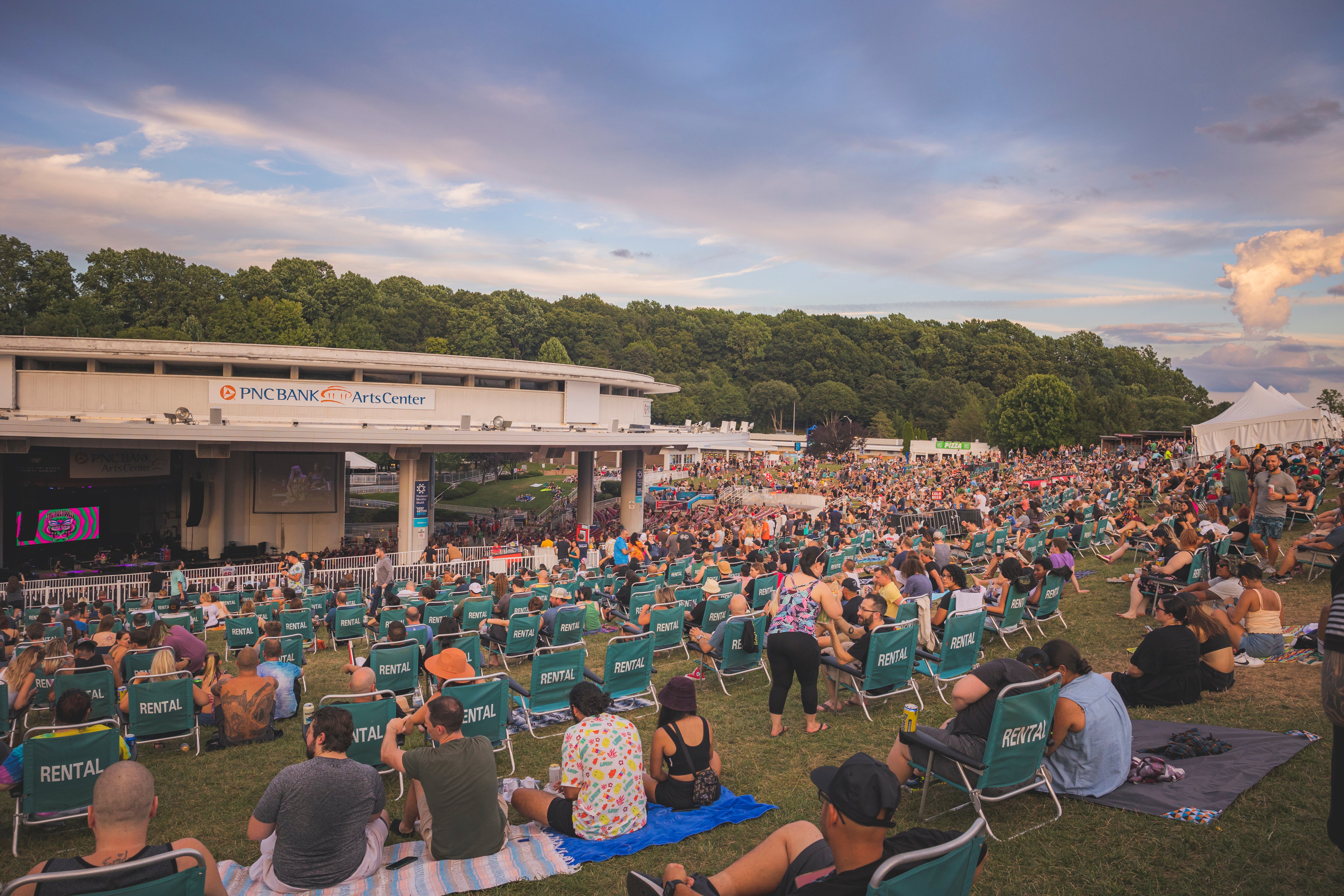
The economic impact of who is playing at PNC tonight extends far beyond the turnstiles. A sold-out event acts as a localized stimulus package for the surrounding city, creating a surge in demand for various services.
The Hospitality and Tourism Multiplier
For major concerts or sporting events, a significant percentage of the audience often travels from out of town. This drives “heads to beds” in local hotels and increases foot traffic in nearby restaurants and bars. Economic impact studies frequently show that for every dollar spent inside the venue, several more are spent in the local community. This is known as the “multiplier effect,” where the initial spending on a concert ticket circulates through the local economy, supporting jobs and generating tax revenue.
Employment and Gig Economy Opportunities
A single event at a PNC venue requires a workforce of hundreds, if not thousands. This includes security personnel, janitorial staff, ticket takers, audio-visual technicians, and hospitality workers. Beyond the direct employees, the “tonight” economy fuels the gig economy. Rideshare drivers see a massive spike in surge pricing and volume, and local parking lot operators capitalize on the increased demand. For many workers, the schedule of who is playing at the arena dictates their weekly earnings potential.
Municipal Tax Benefits
Cities and counties benefit directly from these events through various taxes. Admissions taxes, sales taxes on concessions, and “jock taxes” (income tax levied against professional athletes and performers for work performed in a specific jurisdiction) provide a steady stream of revenue for public coffers. This tax income often justifies the public-private partnerships that help fund the construction and maintenance of these massive facilities.
Scaling the Spectacle: The Business Model of Modern Tour Logistics
For an artist to be “playing at PNC tonight,” a massive logistical and financial investment has been made months, or even years, in advance. The scale of modern touring is a high-risk, high-reward venture that requires significant capital.
The Role of the Promoter
Promoters like Live Nation or AEG often act as the financiers of the tour. They may pay the artist a massive “guarantee”—a fixed sum regardless of how many tickets are sold—and then take on the risk of marketing and selling the event. If the event at PNC tonight is a sell-out, the promoter stands to make a significant profit. If it underperforms, the promoter absorbs the loss. This risk-management aspect is why the industry has seen massive consolidation, as only large entities have the balance sheets to weather potential losses.
Overhead and Operational Costs
The cost of putting a show on the road has exploded. A top-tier “stadium tour” involves dozens of semi-trucks, hundreds of touring crew members, and massive insurance premiums. Fuel costs, international shipping, and the rising price of high-tech stage production mean that the “break-even” point for a single night is higher than ever. When a fan asks who is playing, they are seeing the end result of a multi-million dollar mobile enterprise that must operate with surgical precision to remain profitable.
The Secondary Market and the Value of Scarcity
The “Money” aspect of tonight’s show is also heavily influenced by the secondary market. Sites like StubHub and SeatGeek represent a shadow economy where the “true” market value of a ticket is discovered. While venues and artists have tried to capture this revenue through “platinum seating” and verified fan programs, the secondary market remains a testament to the power of scarcity in the live event business. The price someone is willing to pay to be at PNC “tonight” is the ultimate indicator of a performer’s brand value.
The Future of Live Event Monetization: Beyond the Physical Gates
As we look toward the future of the live event industry, the financial models are evolving. The question of “who is playing” is increasingly being met with new ways to monetize the fan experience that don’t rely solely on physical attendance.
Digital Integration and the Hybrid Experience
We are entering an era where a performance at a physical venue can be simultaneously monetized through virtual reality, live streaming, or exclusive digital collectibles (NFTs). A fan who couldn’t get a ticket to PNC tonight might pay a smaller fee to watch a high-definition 360-degree stream from their home. This allows the venue and the artist to break the “capacity ceiling,” selling an unlimited number of virtual seats.
Subscription Models and Membership
Some venues and sports teams are experimenting with subscription-based access. Instead of buying a ticket for a single night, fans pay a monthly fee for the right to attend a certain number of events or to access “members-only” areas. This provides the venue with recurring, predictable revenue—a “SaaS” (Software as a Service) model applied to live entertainment. For a brand like PNC, this deepens the relationship with the consumer, moving from a transactional interaction to a long-term membership.
Data as the New Currency
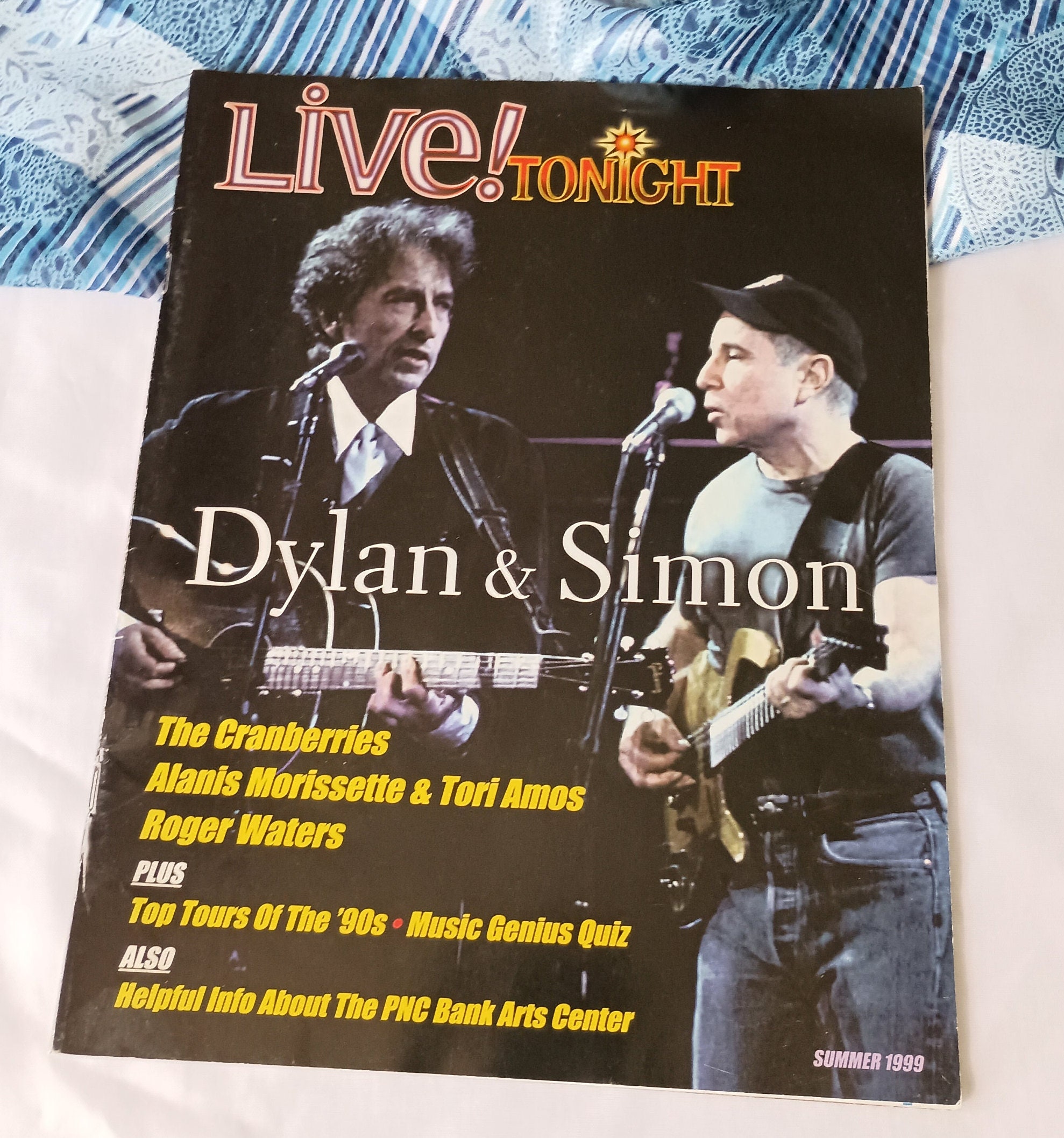
Finally, the most valuable asset generated at PNC tonight might not be the cash in the registers, but the data collected. Through mobile ticketing and venue apps, operators can track fan behavior, spending habits, and preferences. This data is a goldmine for sponsors and marketers, allowing for hyper-targeted advertising. In the modern economy, knowing exactly who is in the building, what they are drinking, and how they got there is just as important as the ticket revenue itself.
In conclusion, “who is playing at PNC tonight” is more than a simple inquiry. It is the trigger for a vast, interconnected economic system that rewards brand investment, punishes logistical inefficiency, and fuels the growth of urban centers. Behind the music and the sports lies a world of high-finance strategy where every seat, every soda, and every “impression” is a calculated move in the multi-billion dollar business of being there.
aViewFromTheCave is a participant in the Amazon Services LLC Associates Program, an affiliate advertising program designed to provide a means for sites to earn advertising fees by advertising and linking to Amazon.com. Amazon, the Amazon logo, AmazonSupply, and the AmazonSupply logo are trademarks of Amazon.com, Inc. or its affiliates. As an Amazon Associate we earn affiliate commissions from qualifying purchases.