
The question of “how much is the interest rate for a mortgage” is perhaps the most significant financial inquiry a consumer will make in their lifetime. For many, a home is the largest purchase they will ever negotiate, and the interest rate attached to that purchase dictates the trajectory of their personal wealth for decades. While the headline number seen on news tickers provides a baseline, the actual rate an individual receives is a complex calculation derived from global economic shifts, institutional risk appetites, and personal financial health.
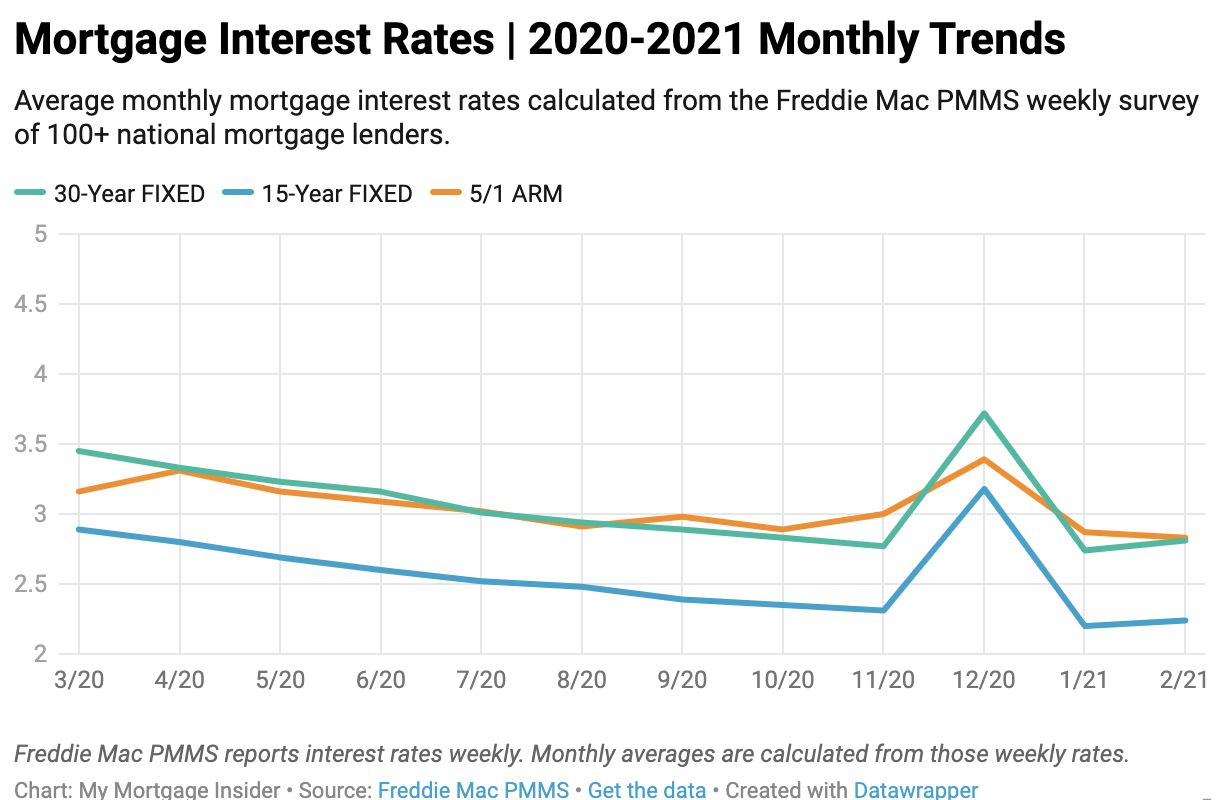
Understanding mortgage interest rates requires moving beyond a single percentage point and looking at the mechanics of the financial market. Whether you are a first-time homebuyer or looking to refinance, grasping how these rates are set and how you can influence them is essential for long-term financial stability.
The Macroeconomic Forces Shaping Today’s Mortgage Rates
Mortgage rates do not exist in a vacuum. They are deeply interconnected with the broader financial ecosystem, reacting to shifts in government policy, inflation, and investor sentiment. To understand why rates are at a certain level today, one must look at several key pillars of the economy.
The Role of the Federal Reserve and Monetary Policy
While the Federal Reserve does not directly set mortgage rates, its influence is paramount. Through the federal funds rate—the interest rate at which banks lend to each other overnight—the Fed sets the floor for the cost of borrowing across the entire economy. When the Fed raises rates to combat inflation, the cost of capital for banks increases. These institutions, in turn, pass those costs on to consumers in the form of higher interest rates for mortgages, credit cards, and personal loans. Conversely, in a cooling economy, the Fed may lower rates to stimulate borrowing and spending, often leading to a downward trend in mortgage costs.
The 10-Year Treasury Yield Connection
A more direct correlation for mortgage rates can be found in the bond market, specifically the 10-year Treasury yield. Most fixed-rate mortgages are packaged into Mortgage-Backed Securities (MBS) and sold to investors. Because investors view the 10-year Treasury note as a “risk-free” alternative to mortgages, the yield on these notes serves as a benchmark. To attract investors, mortgage-backed securities must offer a higher yield than Treasury notes to compensate for the additional risk of prepayment or default. Generally, as the 10-year Treasury yield rises, mortgage rates follow suit almost in lockstep.
Inflation and Economic Health
Inflation is the silent driver of interest rates. When inflation is high, the purchasing power of the interest payments a lender receives in the future is eroded. To protect their margins, lenders demand higher interest rates. Furthermore, strong economic data—such as high employment figures and robust GDP growth—often signals to the market that the economy can handle higher borrowing costs, which can prevent rates from falling even if the Fed remains neutral.
Individual Factors: Why Your Rate Might Differ from the National Average
When you see a mortgage rate advertised online, it is typically a “prime” rate reserved for borrowers with impeccable financial profiles. The rate you are actually quoted by a lender is a personalized figure based on a risk assessment.
Credit Score and Financial History
Your credit score is the single most influential personal factor in determining your mortgage rate. Lenders use this score as a proxy for the likelihood that you will repay the loan. A borrower with a FICO score of 760 or higher is viewed as low-risk and will likely receive the most competitive rates available. Those with scores in the 600s may find themselves paying 0.5% to 1.5% more in interest, which translates to tens of thousands of dollars over the life of a 30-year loan. Maintaining a clean credit history, low credit utilization, and a long history of on-time payments is the most effective way to lower your personal interest rate.
The Loan-to-Value (LTV) Ratio and Down Payment
The amount of equity you put into the home upfront significantly impacts the lender’s risk. A 20% down payment (resulting in an 80% LTV) is the industry standard for avoiding Private Mortgage Insurance (PMI) and securing better rates. If you provide a smaller down payment, the lender views the loan as riskier because there is less of a “buffer” if home values decline. Consequently, lower down payments often lead to higher interest rates or additional monthly costs.
Debt-to-Income (DTI) Ratio
Lenders analyze your DTI to ensure you have the cash flow to manage a mortgage payment alongside your existing obligations, such as student loans, car payments, and credit card debt. While a high DTI might not always result in a higher interest rate, it can disqualify you from certain loan products that offer lower rates. Most conventional lenders look for a DTI below 43%, though some specialized programs allow for higher ratios.
Understanding Loan Structures: Fixed, Adjustable, and Government-Backed Options
The “how much” of an interest rate also depends heavily on the type of loan product you select. Each structure offers a different balance of risk and reward.
Fixed-Rate Mortgages (FRMs)
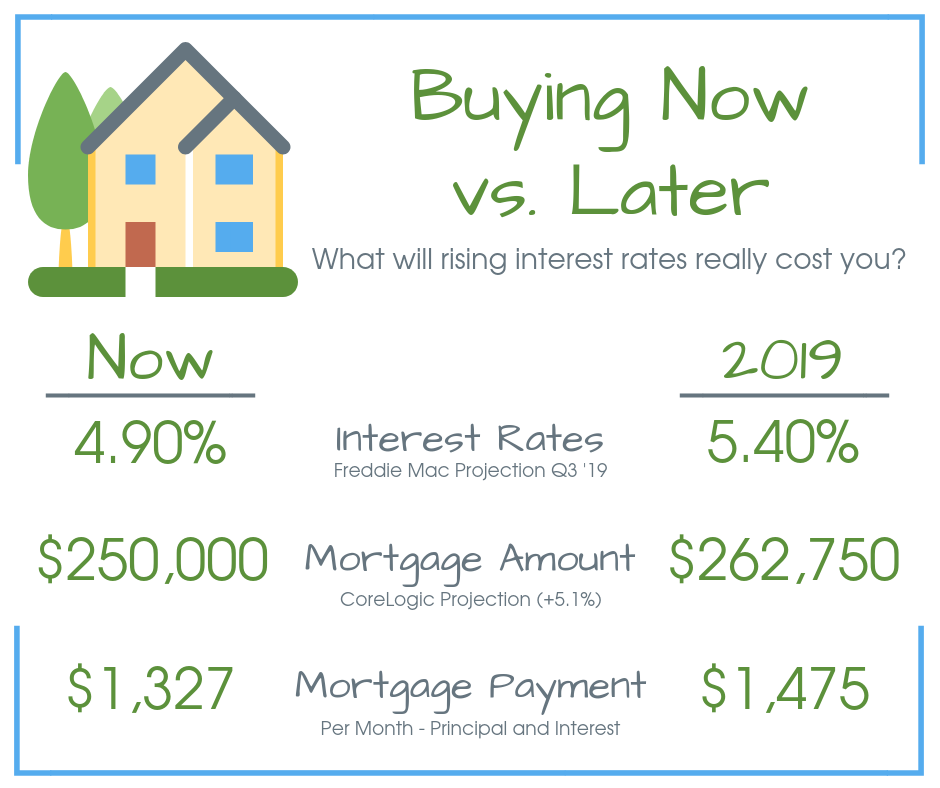
The 30-year fixed-rate mortgage is the gold standard for stability in personal finance. The interest rate remains identical from the first payment to the last. While the rates on these loans are generally higher than those of shorter-term or adjustable loans, they protect the borrower from future market volatility. A 15-year fixed-rate mortgage typically carries a lower interest rate than its 30-year counterpart because the lender is exposed to interest rate risk for a shorter period, though the monthly payments are significantly higher due to the faster principal repayment.
Adjustable-Rate Mortgages (ARMs)
ARMs offer an initial period of fixed interest—usually 5, 7, or 10 years—followed by periodic adjustments based on current market indices. The “teaser” rate on an ARM is almost always lower than the rate on a 30-year fixed mortgage, making it an attractive option for those who plan to sell the home or refinance before the adjustment period begins. However, the inherent risk is that if market rates rise, the monthly payment could increase substantially later on.
Government-Backed Loans (FHA, VA, and USDA)
For those who may not qualify for conventional financing, government-backed loans provide an alternative. FHA loans, backed by the Federal Housing Administration, often have lower interest rates than conventional loans for borrowers with lower credit scores. VA loans, available to veterans and active-duty service members, frequently offer the lowest rates on the market with the added benefit of no down payment. While these rates are attractive, these loans often come with specific insurance premiums that should be factored into the total cost.
The True Cost of a Mortgage: Interest Rates vs. APR
One of the most common mistakes in personal finance is focusing solely on the interest rate while ignoring the Annual Percentage Rate (APR). While the interest rate determines your monthly principal and interest payment, the APR provides a more holistic view of the loan’s cost.
What is Included in the APR?
The APR includes the interest rate plus other costs associated with the loan, such as:
-
Loan origination fees
-
Discount points (prepaid interest)
-
Mortgage insurance
-
Certain closing costs
If two lenders offer the same 6.5% interest rate, but one has an APR of 6.6% and the other has an APR of 6.9%, the second lender is charging significantly higher fees. When comparing mortgage offers, the APR is the most reliable metric for determining which loan is truly “cheaper.”
The Strategic Use of Discount Points
Borrowers have the option to “buy down” their interest rate by paying discount points at closing. One point typically costs 1% of the total loan amount and reduces the interest rate by approximately 0.25%. This is a strategic financial move for those who plan to stay in their home for a long time, as the monthly savings will eventually surpass the initial upfront cost—a concept known as the “break-even point.”
Strategies to Lower Your Mortgage Interest Rate
Securing a favorable interest rate is not a passive process; it requires active financial management and negotiation.
Shop Around and Compare Loan Estimates
Mortgage rates can vary significantly from one lender to another. Research from organizations like Freddie Mac suggests that borrowers who get at least three quotes can save thousands of dollars over the life of their loan. Credit unions, national banks, and online mortgage lenders all have different overhead costs and risk tolerances, leading to varied pricing.
Timing the Market and Rate Locks
Because mortgage rates fluctuate daily, timing can be everything. Once you have found a rate that fits your budget, most lenders offer a “rate lock,” which guarantees that interest rate for a specific period (usually 30 to 60 days) while your loan is processed. This protects you from rate spikes during the underwriting period. Some lenders even offer “float-down” options, which allow you to capture a lower rate if the market drops after you have locked.
Improving Your Financial Profile Before Applying
If you are not in a rush to buy, taking six months to a year to improve your financial standing can result in a substantially lower interest rate. This includes:
-
Paying down revolving debt: Lowering your credit utilization can cause a rapid increase in your credit score.
-
Avoiding new credit inquiries: Taking out a new car loan or opening several credit cards right before applying for a mortgage can signal risk to a lender.
-
Verifying your credit report: Disputing errors on your credit report can provide a quick boost to your score.
Considering the Down Payment Strategy
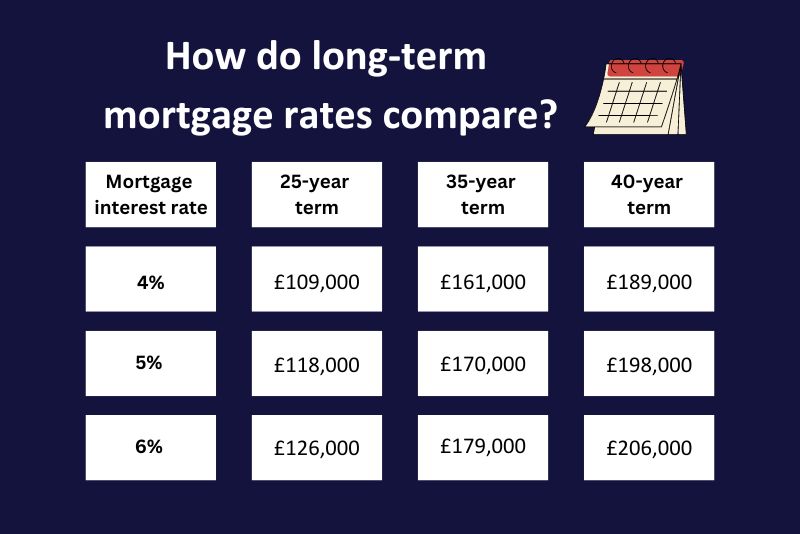
If you are on the cusp of a higher “pricing tier,” increasing your down payment by even 1% or 2% can sometimes trigger a lower interest rate from the lender’s automated underwriting system. This reduction in the interest rate, combined with the smaller loan balance, can have a compounding positive effect on your monthly cash flow.
In conclusion, the answer to “how much is the interest rate for a mortgage” is a moving target influenced by the global economy and personal financial decisions. By understanding the underlying drivers of these rates and taking proactive steps to position yourself as a low-risk borrower, you can secure a mortgage that serves as a foundation for building long-term wealth rather than a financial burden. Stay informed, shop aggressively, and look beyond the headline rate to the total cost of borrowing.
aViewFromTheCave is a participant in the Amazon Services LLC Associates Program, an affiliate advertising program designed to provide a means for sites to earn advertising fees by advertising and linking to Amazon.com. Amazon, the Amazon logo, AmazonSupply, and the AmazonSupply logo are trademarks of Amazon.com, Inc. or its affiliates. As an Amazon Associate we earn affiliate commissions from qualifying purchases.