
To the average consumer, “Google” is a search engine, a smartphone operating system, and a suite of productivity tools. However, in the world of high finance and corporate governance, the question of who owns Google is far more complex. Google is not a standalone entity; it is the primary subsidiary of Alphabet Inc., a massive multinational conglomerate. Understanding who owns Google requires a granular look at Alphabet’s stock structure, its high-profile founders, and the massive institutional investors that hold the keys to one of the most valuable companies in history.

The ownership of Alphabet Inc. is a fascinating study in modern business finance, particularly regarding how a company can be “publicly owned” while remaining under the tight control of its original creators. This article explores the hierarchy of Alphabet’s shareholders, the financial mechanisms that dictate control, and the institutional giants that back the tech titan.
Larry Page and Sergey Brin: The Architects of Control
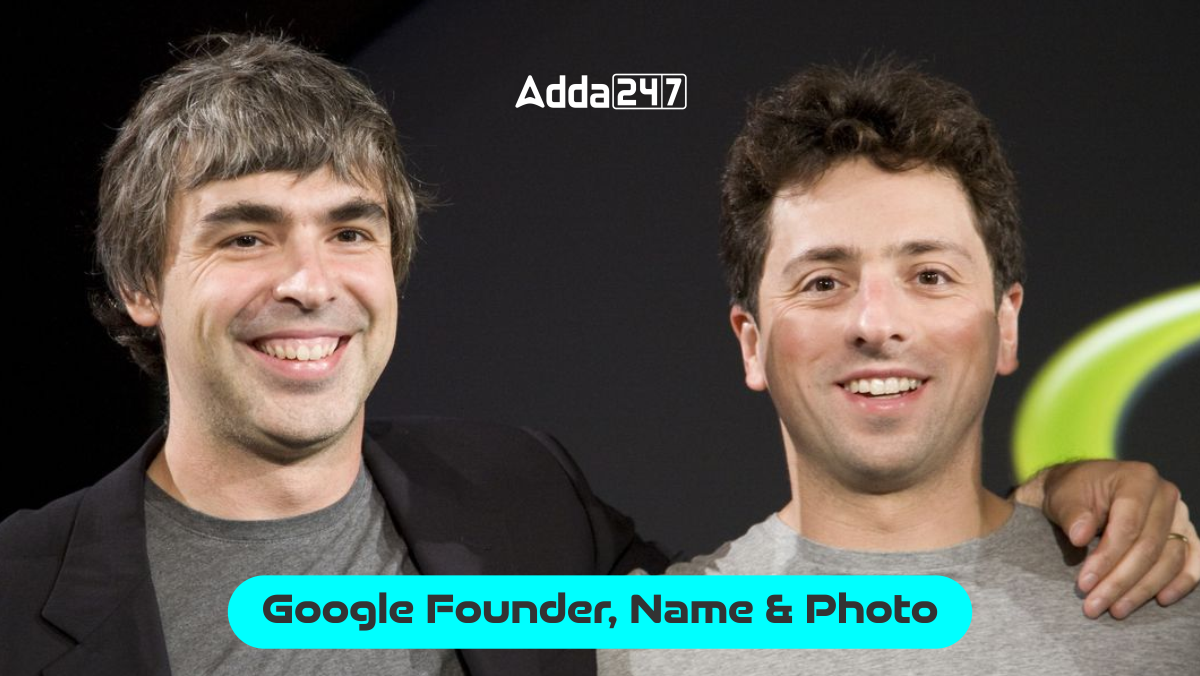
The story of Google’s ownership begins and largely remains with its founders, Larry Page and Sergey Brin. While they stepped down from their daily executive roles in 2019—passing the torch to Sundar Pichai—their financial grip on the company remains ironclad. This is achieved through a specific financial strategy known as a dual-class (or multi-class) share structure.
Dual-Class Stock Structures: Class A vs. Class B
Alphabet Inc. has three main classes of stock: Class A (ticker: GOOGL), Class B (not publicly traded), and Class C (ticker: GOOG).
- Class A shares are held by typical investors and carry one vote per share.
- Class B shares are held exclusively by the founders and early insiders. These shares are the secret to their power, as each Class B share carries ten votes.
- Class C shares have no voting rights at all and are often used for employee compensation and acquisitions.
By holding the vast majority of Class B shares, Page and Brin maintain a combined voting power that exceeds 51%. This means that even though they may own a minority of the total equity in terms of dollar value, they have the ultimate say in every major corporate decision, from board appointments to mergers and acquisitions.
How Control Remains Concentrated
In the realm of business finance, this concentration of power is often controversial. Proponents argue that it allows visionary leaders to focus on long-term innovation without being distracted by the short-term demands of Wall Street. Critics, however, argue that it limits the accountability of leadership to the broader shareholder base. For Alphabet, this structure has allowed the company to pivot into “Other Bets”—such as Waymo (autonomous driving) and Verily (life sciences)—which might have been deemed too risky by a traditional, democratically-run board of directors. As of the latest filings, Larry Page holds approximately 25% of the total voting power, while Sergey Brin holds approximately 24%.
The Power Players: Institutional Investors and Their Stakes
While the founders control the direction of the company, the “owners” in terms of sheer capital and economic interest are primarily massive institutional investors. These are the mutual funds, hedge funds, and pension funds that manage trillions of dollars for individual savers and organizations worldwide.
Vanguard and BlackRock: The Passive Giants
The largest external owners of Alphabet Inc. are The Vanguard Group and BlackRock, Inc. These firms do not typically intervene in the day-to-day operations of the company; instead, they manage index funds and ETFs that are required to hold Alphabet stock because of its massive weight in indices like the S&P 500 and the Nasdaq-100.
Vanguard currently holds roughly 7% to 8% of Alphabet’s total shares, making it the single largest institutional shareholder. BlackRock follows closely behind with a stake usually ranging between 6% and 7%. When you invest in a “Total Stock Market” index fund or a “Tech Growth” ETF, you are, in a very real sense, a fractional owner of Google through these institutional intermediaries.
The Influence of Mutual Funds and ETFs
Other major institutional holders include State Street Corporation and T. Rowe Price. These institutions play a vital role in the financial ecosystem by providing liquidity to the stock. While they do not have the voting power to override Page and Brin, their “voice” is heard through ESG (Environmental, Social, and Governance) initiatives and annual shareholder meetings. If major institutions began selling their Alphabet holdings en masse, it would lead to a catastrophic drop in the company’s market capitalization, creating a financial check on the founders’ power.

The Public Market: The Role of Retail Investors
The remaining ownership of Alphabet is distributed among millions of individual “retail” investors. These are regular people who buy shares through brokerage accounts like Robinhood, Fidelity, or Charles Schwab.
Alphabet Inc. (GOOG vs. GOOGL) on the NASDAQ
For the individual investor looking to “own a piece of Google,” the choice between GOOG and GOOGL is a matter of financial preference.
- GOOGL (Class A) is for those who want their vote to be counted, even if it is a drop in the ocean compared to the founders.
- GOOG (Class C) is for those who are purely interested in the price appreciation of the stock and do not care about the lack of voting rights.
Historically, the prices of these two classes have remained very close, though a slight “voting premium” occasionally makes Class A shares marginally more expensive.
Dividends and Buybacks: Returning Value to Owners
A significant shift in Alphabet’s financial strategy occurred recently with the announcement of its first-ever dividend in 2024. For years, Google’s ownership was characterized by “capital appreciation”—the idea that you own the stock because it will go up in price. Now, Google has joined the ranks of mature tech giants like Apple and Microsoft by returning cash directly to its owners through dividends and aggressive share buyback programs.
Share buybacks are a form of “indirect ownership increase.” When Alphabet uses its massive cash reserves to buy back its own shares, those shares are retired. This reduces the total number of shares outstanding, meaning that every remaining shareholder now owns a larger percentage of the company than they did before.
Corporate Governance: The Executive Leadership and the Board
While ownership is about who holds the stock, governance is about who manages that value. The Board of Directors at Alphabet acts as the fiduciary representative of the owners, ensuring that the company is run in a way that protects and grows shareholder value.
Sundar Pichai’s Stake and Influence
Sundar Pichai, the CEO of both Google and Alphabet, is an owner in his own right, though his stake is significantly smaller than that of the founders. Pichai’s ownership comes primarily through performance-based stock units (RSUs). These are granted as part of his executive compensation package, aligning his financial interests with those of the shareholders. If the stock performs well, Pichai’s net worth increases significantly. As of recent estimates, his holdings are valued in the hundreds of millions, yet they represent a fraction of a percent of the total company.
Fiduciary Responsibility to Shareholders
The Alphabet Board of Directors, which includes figures like John L. Hennessy and various industry leaders, is legally obligated to act in the best interests of the shareholders. In the context of “Money,” this means ensuring that Google remains profitable, competitive, and compliant with global financial regulations. Even though the founders hold the voting majority, the board must navigate the complex demands of the SEC and international regulators, ensuring that the “owners”—whether they are billionaire founders or retirement-saving teachers—are protected from corporate malpractice.
Conclusion: A Multi-Layered Ownership Model
So, who is the owner of Google? The answer is multi-layered.
In terms of control, the owners are Larry Page and Sergey Brin, whose super-voting shares allow them to steer the ship regardless of outside pressure. In terms of economic equity, the owners are the massive institutional firms like Vanguard and BlackRock, which hold billions of dollars of the company on behalf of global investors. Finally, in terms of public participation, the owners are the millions of individual shareholders who trade GOOG and GOOGL every day on the NASDAQ.
This ownership structure is a hallmark of the modern tech era: a blend of visionary founder control and massive institutional backing. It is a financial engine that has turned a simple search algorithm into a multi-trillion-dollar conglomerate, proving that in the world of high finance, “who owns what” is often determined by the fine print of stock classes and voting rights. Whether you are a retail investor with one share or a fund manager with millions, you are a part of the complex financial web that owns the most influential company of the 21st century.
aViewFromTheCave is a participant in the Amazon Services LLC Associates Program, an affiliate advertising program designed to provide a means for sites to earn advertising fees by advertising and linking to Amazon.com. Amazon, the Amazon logo, AmazonSupply, and the AmazonSupply logo are trademarks of Amazon.com, Inc. or its affiliates. As an Amazon Associate we earn affiliate commissions from qualifying purchases.