
In an increasingly interconnected world, security cameras have become an indispensable tool for protecting homes, businesses, and public spaces. They offer a tangible sense of security, providing visual evidence, deterring potential threats, and offering peace of mind. However, acquiring a security camera system is only the first step; the crucial next phase involves installation. The question “who installs security cameras?” opens up a discussion about various pathways, each with its own technical considerations, advantages, and challenges. From the empowered DIY enthusiast to the seasoned professional, understanding the available options is key to ensuring your surveillance system functions optimally and securely within its technological ecosystem. This article delves into the diverse installation methods, offering insights into who typically handles these setups and the underlying technical factors that influence the choice.

The DIY Approach: Empowering the Tech-Savvy User
For many individuals and small businesses, the allure of installing security cameras themselves is strong. The rise of user-friendly wireless systems and comprehensive online tutorials has democratized the installation process, making it accessible to those with a foundational understanding of technology and a willingness to get hands-on.
Advantages of DIY Installation
The do-it-yourself (DIY) route offers several compelling benefits, particularly for the tech-inclined. Primarily, it presents significant cost savings as it eliminates labor fees charged by professional installers. This can be a deciding factor for budget-conscious consumers. Secondly, DIY grants unparalleled flexibility and customization. You have complete control over camera placement, viewing angles, and how the system integrates with your existing smart home setup – from smart lights to voice assistants. This intimate involvement also fosters a deeper learning opportunity, enabling users to understand their system’s architecture, network configuration, and troubleshooting procedures more thoroughly. Finally, there’s the satisfaction of immediate gratification, allowing you to set up your system on your own schedule without waiting for technician appointments.
Challenges and Technical Considerations for DIY
Despite its advantages, DIY installation is not without its hurdles. It demands a certain level of technical knowledge, including familiarity with networking basics (Wi-Fi setup, IP addresses, port forwarding for remote access), power requirements, and the specific app configurations for your chosen cameras. You’ll need an array of tools, which might include drills, ladders, wire strippers (for wired systems), and basic network testing equipment. The time commitment can also be significant, especially for multi-camera setups or those involving intricate wiring.
Beyond the physical setup, DIY installers must be acutely aware of potential technical pitfalls. Improper camera placement can lead to blind spots, making the system ineffective. Inadequate power supply or poor network signal strength can cause intermittent recording or connectivity issues. Weatherproofing outdoor cameras and cable runs is critical to prevent premature system failure. Moreover, neglecting digital security risks is a grave error. This includes failing to change default passwords, not enabling two-factor authentication, and leaving network vulnerabilities unaddressed, which can make your system susceptible to hacking.
When DIY is the Right Choice
DIY installation is particularly well-suited for simple setups, such as a single wireless doorbell camera, a few indoor Wi-Fi cameras, or battery-powered outdoor units that require minimal wiring. It’s also a viable option if your property has existing infrastructure, like pre-wired Ethernet ports or accessible power outlets. Ultimately, it’s the ideal path for users who possess strong technical aptitude, patience, and a genuine interest in managing their home’s digital security ecosystem.
Professional Installation: Expertise and Peace of Mind
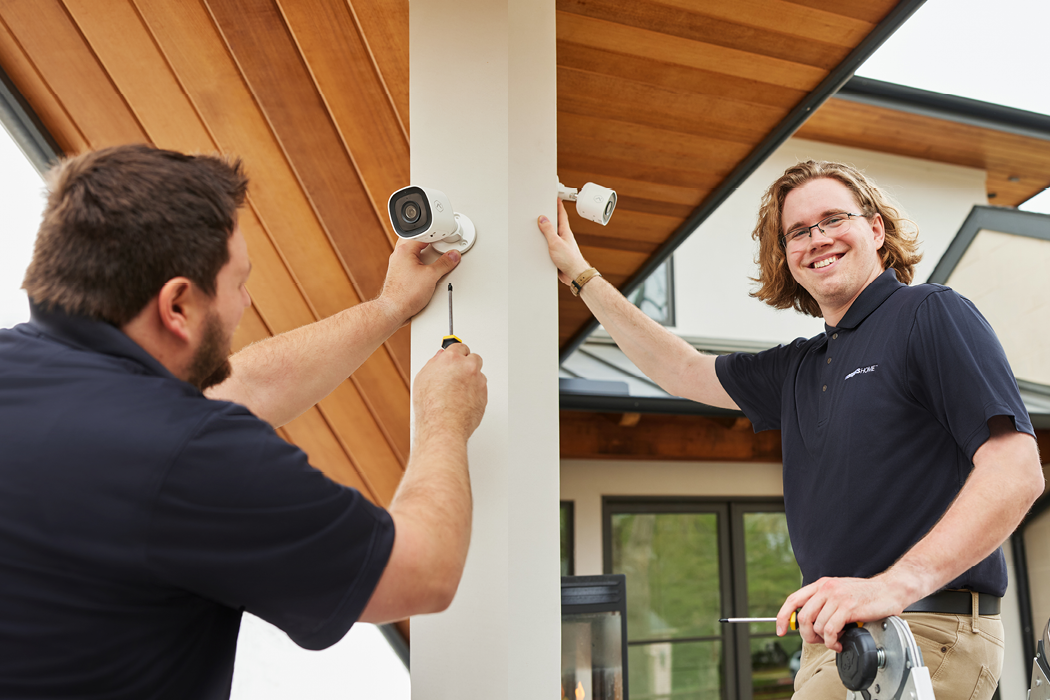
For those with complex security needs, limited technical expertise, or simply a preference for guaranteed reliability, professional installation is often the preferred choice. This route leverages the skills and experience of specialists to ensure optimal system performance and security.
Who are Professional Installers?
Professional security camera installers come from several specialized backgrounds. Dedicated security system companies like ADT, Vivint, or various local security firms, offer comprehensive packages that include consultation, equipment, installation, and often ongoing monitoring services. They are experts in designing integrated security solutions. Licensed electricians frequently offer security camera installation, especially for hardwired systems (PoE or coaxial) where running new electrical lines or integrating with existing circuits is necessary. IT and networking professionals are invaluable for complex IP camera systems that demand advanced network configuration, robust bandwidth management, and secure integration into existing business IT infrastructure. Lastly, dedicated smart home installers provide holistic solutions, seamlessly integrating security cameras with lighting, climate control, and entertainment systems for a unified smart living experience.
Advantages of Professional Installation
Opting for professional installation brings a host of benefits centered on expertise and reliability. Professionals possess deep expertise and experience in optimal camera placement, understanding angles, lighting conditions, and potential blind spots that a layperson might overlook. They are skilled in efficient wiring, network setup, and ensuring reliable power delivery. This translates into significant time savings for the client, as professionals can install complex systems quickly and efficiently.
A major advantage is system integration. Professionals can seamlessly connect your security cameras with other smart home devices, access control systems, or existing alarm panels, creating a cohesive and intuitive security ecosystem. Crucially, professional services often come with a warranty and ongoing support, including maintenance, troubleshooting, and guarantees on their workmanship and the equipment itself. This is invaluable for complex systems involving multiple cameras, hardwired connections, or specialized features like analytics and remote monitoring. Furthermore, professionals ensure compliance with local building codes, electrical standards, and privacy regulations, minimizing legal risks and ensuring insurance validity.
When Professional Installation is Recommended
Professional installation is highly recommended for large properties, whether commercial or extensive residential, where comprehensive coverage is essential. It’s the go-to for hardwired systems (Power over Ethernet or coaxial) that require running extensive cabling through walls or ceilings. When integrating security cameras with advanced access control or existing alarm systems, professional expertise ensures flawless interoperability. It’s also the ideal choice for users who are unfamiliar with tech, lack the necessary tools, or simply don’t have the time to dedicate to a complex installation. Ultimately, for maximizing security effectiveness, minimizing vulnerabilities, and ensuring long-term reliability, professional installation often provides the best return on investment.

Hybrid Approaches and Key Technical Considerations
The decision isn’t always black and white; a hybrid approach can sometimes offer the best of both worlds. Furthermore, regardless of who installs your security cameras, several technical considerations remain paramount for optimal performance and robust security.
Partial DIY with Professional Assistance
A growing trend involves a partial DIY approach complemented by professional assistance. For example, a homeowner might install and mount the physical cameras themselves, leveraging their understanding of their property’s layout, but then enlist an IT professional to handle the more complex network configuration, port forwarding, or integration with a Network Video Recorder (NVR). Similarly, a business might mount cameras in easily accessible locations but hire an electrician to manage the intricate wiring for a Power over Ethernet (PoE) system across a larger facility. This strategy allows individuals to save on labor costs for simpler tasks while ensuring that the critical, technically challenging aspects are handled by experts, thereby maintaining system integrity and security.
Key Technical Considerations for All Installations
Regardless of who performs the installation, attention to fundamental technical aspects is crucial for a reliable security system.
-
Camera Type (Wired vs. Wireless):
-
Wired Cameras (PoE, Coaxial): Offer superior reliability, consistent power, and robust data integrity, making them ideal for mission-critical applications. However, their installation involves significant effort in running cables, which can be complex and costly.
-
Wireless Cameras (Wi-Fi, Battery-powered): Provide immense flexibility and easier initial setup due to minimal cabling. Key technical considerations include Wi-Fi signal strength (potential for interference), battery life management (for battery-powered units), and bandwidth consumption (especially with multiple high-resolution cameras).
-
-
Network Infrastructure: A robust network is the backbone of any IP camera system. This includes a capable router (supporting sufficient bandwidth), potential Wi-Fi extenders or mesh systems for larger areas, and a dedicated NVR (Network Video Recorder) or DVR (Digital Video Recorder) for managing and storing footage. Overloading your home network can lead to lag, dropped frames, or even system failure.
-
Power Supply: Ensuring consistent and adequate power is critical. For wired cameras, this means stable electrical outlets or proper PoE switch configuration. For wireless, it involves regular battery charging/replacement or strategic placement for solar-powered options. Battery backup systems are also a vital consideration for uninterrupted surveillance during power outages.
-
Storage Solutions: How footage is stored directly impacts retrieval and retention.
-
Cloud Storage: Offers off-site backup and easy remote access, but typically involves subscription fees and relies heavily on your internet upload speed and bandwidth.
-
Local Storage (NVR/DVR, SD cards): Provides direct control over footage, avoids recurring fees, and doesn’t depend on internet speed for recording. However, local hardware must be securely stored and maintained, and physical damage can result in data loss.
-
-
Digital Security Best Practices: This is perhaps the most critical technical consideration. It includes enforcing strong, unique passwords for all cameras and network devices, enabling two-factor authentication (2FA) where available, regularly installing firmware updates to patch vulnerabilities, and potentially implementing network segmentation (isolating IoT devices on a separate network) to limit potential breach exposure.
-
Integration with Smart Home Ecosystems: For a seamless user experience, consider compatibility with your existing smart home hub (e.g., Apple HomeKit, Google Home, Amazon Alexa). This allows for unified app control, automated triggers, and voice commands.
Post-Installation Management and Maintenance
The work doesn’t end after installation. Regular post-installation management is crucial for the longevity and effectiveness of your security camera system. This includes routinely checking for and applying firmware updates to cameras and NVR/DVRs, physically cleaning camera lenses to ensure clear footage, periodically checking connections and power sources for any loose ends, and monitoring storage capacity to ensure continuous recording. Regular review of footage, even if only randomly, can help identify subtle system issues or blind spots that need adjustment.
Choosing the Right Path: A Decision Framework
Deciding who installs your security cameras boils down to a thoughtful self-assessment of your needs, capabilities, and priorities. There’s no single “best” answer; rather, the optimal choice is the one that aligns most closely with your specific situation.
Self-Assessment Questions
To guide your decision, consider the following questions:
-
What is my technical comfort level with networking, smart devices, and using basic tools?
-
How many cameras do I need, and where will they be located (indoors, outdoors, hard-to-reach areas)?
-
What type of cameras am I considering – simple wireless, complex wired, or a mix?
-
What is my budget for both equipment and installation?
-
How much time am I willing and able to dedicate to the installation process?
-
What level of integration do I desire with existing smart home systems or other security components?
-
How critical is reliability and seamless operation for my specific security needs (e.g., monitoring a business vs. a single room)?
Matching Needs to Installation Methods
Based on your answers to these questions, you can match your needs to the most appropriate installation method:
-
If you have a simple setup, prefer wireless cameras, require few units, and are tech-savvy with ample time, DIY is likely the most economical and empowering choice.
-
If you require a complex, hardwired system, need many cameras across a large property, desire seamless integration with advanced systems, value peace of mind and expert execution, or simply lack the time or technical aptitude, professional installation is the recommended path.
-
For those in-between, perhaps with a desire to save some costs but acknowledging specific technical hurdles, a hybrid approach where you handle certain aspects and bring in professionals for others, can be a pragmatic solution.
Conclusion
The question of “who installs security cameras” unveils a landscape of options, each tailored to different needs and technical proficiencies. Whether you opt for the cost-effective and empowering DIY route, the comprehensive expertise and peace of mind offered by professional installers, or a strategic hybrid approach, the ultimate goal remains the same: a securely and optimally functioning surveillance system. Understanding the technical nuances of camera types, network infrastructure, power supply, storage solutions, and critically, digital security best practices, is paramount, regardless of who wields the tools. By carefully considering these factors and assessing your own situation, you can make an informed decision, ensuring your security cameras not only watch over your valuable assets but do so reliably, effectively, and securely in an increasingly digitized world.
aViewFromTheCave is a participant in the Amazon Services LLC Associates Program, an affiliate advertising program designed to provide a means for sites to earn advertising fees by advertising and linking to Amazon.com. Amazon, the Amazon logo, AmazonSupply, and the AmazonSupply logo are trademarks of Amazon.com, Inc. or its affiliates. As an Amazon Associate we earn affiliate commissions from qualifying purchases.