
Navigating the landscape of higher education financing is often as complex as the degree programs themselves. For many graduates, the period following commencement is a whirlwind of career hunting and relocation, during which the specific details of student loan accounts can easily become obscured. However, understanding exactly who holds your student loans is the fundamental first step in achieving financial stability and long-term debt freedom. Whether you are preparing to begin repayment, seeking to consolidate, or applying for forgiveness programs, you must identify your “loan holder” and your “loan servicer”—two entities that play distinct but overlapping roles in your financial life.
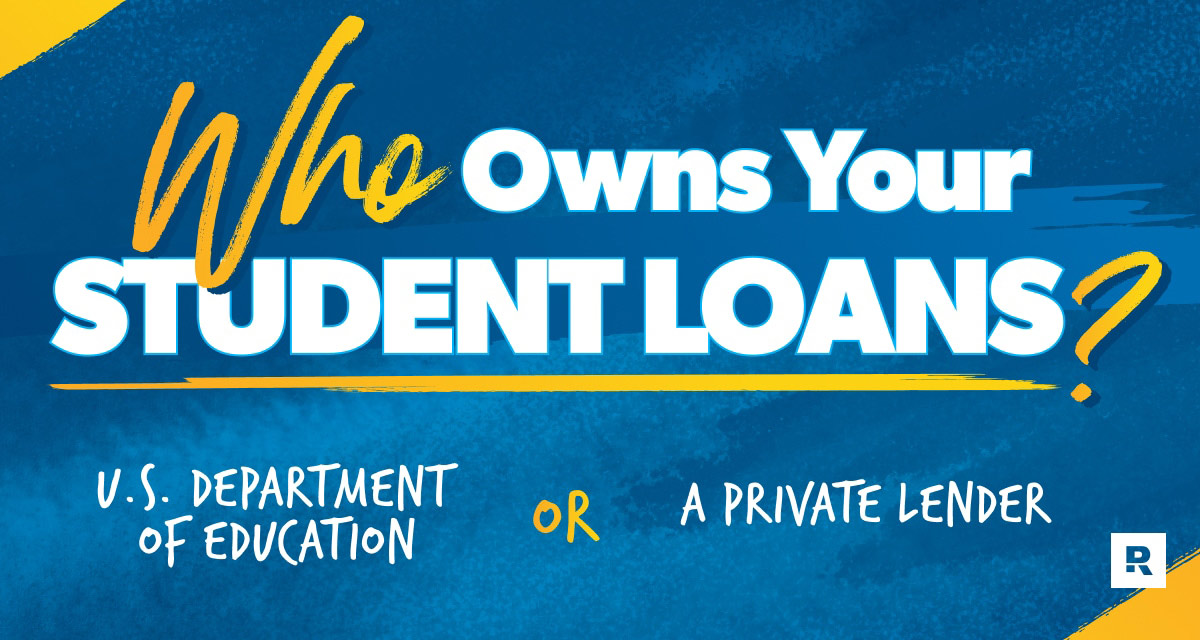
The confusion often stems from the fact that the organization you borrowed money from may not be the same one that sends you monthly bills. Furthermore, student loans are frequently sold or transferred between companies, meaning the entity that managed your account last year might not be the one managing it today. This guide provides a strategic roadmap for identifying your lenders and servicers, distinguishing between federal and private debt, and maintaining control over your repayment journey.
Understanding the Landscape of Student Loan Servicing
To locate your debt, you must first understand how the student loan industry is structured. In the world of personal finance, debt management is rarely a direct line between the borrower and the initial source of capital. Instead, it involves a tripartite system of owners, servicers, and guarantors.
Federal vs. Private Loans: Why the Distinction Matters
The most critical distinction in student lending is between federal and private loans. Federal loans are funded by the U.S. government, while private loans are issued by banks, credit unions, or online lenders. This distinction determines where your records are kept and what rights you have as a borrower.
Federal loans offer protections such as income-driven repayment (IDR) plans, Public Service Loan Forgiveness (PSLF), and temporary forbearance options that are mandated by law. Private loans, conversely, are governed by the specific contract you signed with the lender. They rarely offer the same flexibility and are often subject to market-based interest rates. Because these two types of debt are tracked in different databases, you must use different methods to locate them.
The Role of the Loan Servicer
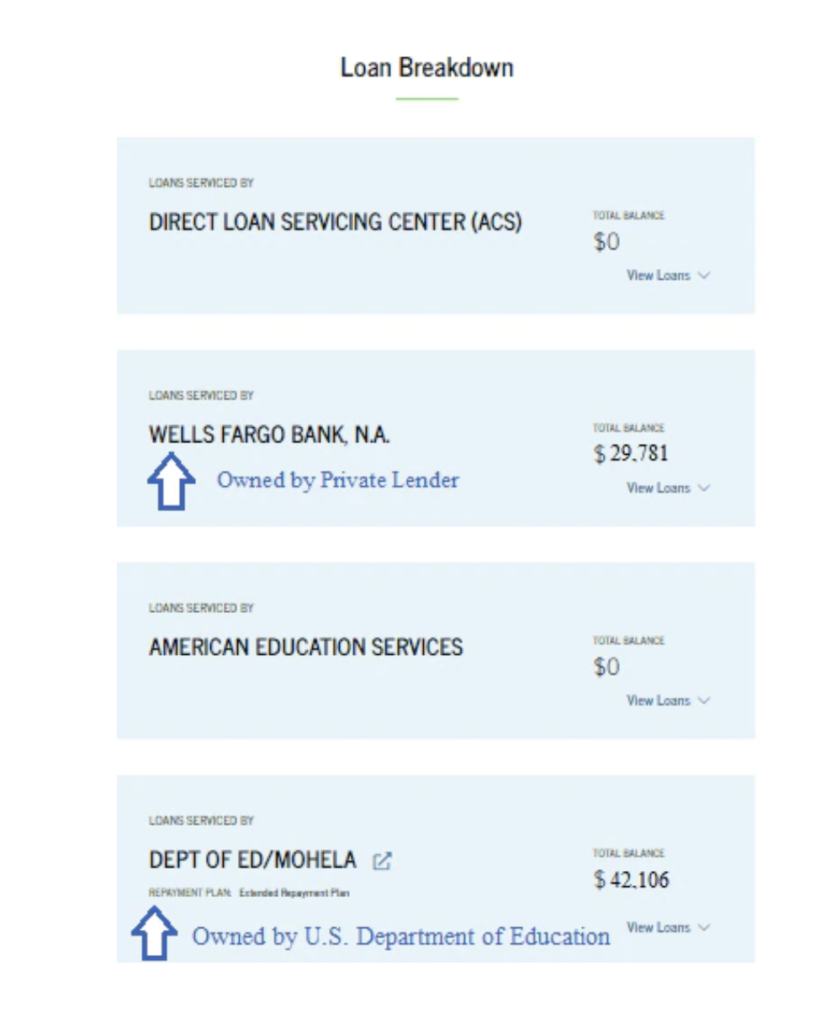
A common point of frustration for borrowers is receiving mail from a company they don’t recognize. This is usually your loan servicer. A loan servicer is a company assigned by the lender (whether the Department of Education or a private bank) to handle the administrative side of your loan. Their responsibilities include processing payments, responding to customer inquiries, and managing repayment plan changes.
It is important to note that the Department of Education does not service its own loans; it contracts this work to private companies like Nelnet, MOHELA, and EdFinancial. If your loan is federal, the government “holds” the debt, but the servicer is your point of contact. If your loan is private, the bank “holds” the debt, and they may either service it themselves or hire a third-party company to do so.
How to Locate Your Federal Student Loans
If you have federal student loans—which represent the vast majority of student debt in the United States—the process of finding your holder is centralized. The U.S. Department of Education maintains a comprehensive database of every federal loan ever issued.
Navigating the Federal Student Aid (FSA) Dashboard
The primary resource for federal borrowers is the Federal Student Aid website (StudentAid.gov). This portal serves as a central clearinghouse for your federal borrowing history. To access your information, you will need your FSA ID, which consists of a unique username and password.
Once logged in, the dashboard provides a high-level summary of your total outstanding balance, including both principal and accrued interest. By clicking into the “My Aid” section, you can view a detailed breakdown of each individual loan. This includes the date the loan was disbursed, the current interest rate, and, most importantly, the name of the servicer currently assigned to your account. This dashboard is the “gold standard” for federal debt information and should be your first stop.
Using the National Student Loan Data System (NSLDS)
The National Student Loan Data System (NSLDS) is the underlying database that feeds information to the StudentAid.gov dashboard. While the dashboard is more user-friendly, the NSLDS contains the raw data of your loan history, including past servicers and any loans that may have been consolidated or paid in full. If you find discrepancies in your dashboard, or if you are working with a financial advisor to map out a complex repayment strategy, requesting a full “Student Aid Report” from this system can provide the granular detail necessary for accurate planning.
Contacting the Federal Student Aid Information Center
If you are unable to access your online account due to technical issues or lost credentials, you can contact the Federal Student Aid Information Center (FSAIC) directly. This office can verify your identity and provide the name and contact information of your loan servicer over the phone. This is a vital fallback for borrowers who have been out of school for many years and may have outdated contact information linked to their FSA ID.
Identifying Your Private Student Loan Lenders
Private student loans are more difficult to track because there is no centralized government database for private credit. Private debt is a contract between you and a financial institution, making it part of your general credit profile rather than a matter of public policy.
Reviewing Your Credit Report
The most effective way to identify a private student loan holder is to pull a comprehensive credit report. Under the Fair Credit Reporting Act, you are entitled to a free credit report from each of the three major credit bureaus—Equifax, Experian, and TransUnion—every twelve months via AnnualCreditReport.com.
Private lenders report your payment history and outstanding balances to these bureaus monthly. On your credit report, look for the “Account Information” or “Tradelines” section. Any private student loans will be listed there, along with the name of the lender, the original loan amount, and the current balance. This will provide you with the most accurate and up-to-date information on who currently holds the legal right to your debt.
Digging Through Financial Records and Bank Statements
If you are unsure whether a listing on your credit report is a student loan or a different type of personal loan, your own financial records can provide clarity. Look back through your bank statements for recurring payments made to financial institutions. Common private student loan lenders include Sallie Mae, SoFi, Discover, and Citizens Bank. If you see historical payments to these entities, you have found your holder. Additionally, check your email archives for “Truth in Lending” disclosures or “Promissory Notes,” which are legally required documents sent at the time of loan origination.
Contacting Your School’s Financial Aid Office
If you are still unable to locate a loan, your alma mater’s financial aid office can be a valuable resource. Schools maintain records of the financial aid packages they certified for their students. While they may not have real-time information on who currently services the loan after it has been sold on the secondary market, they can tell you which lender originally disbursed the funds. This provides a starting point for your investigation.
Why Your Loan Holder Might Change
It is a common misconception that once you sign a loan agreement, you will deal with the same company for the next twenty years. In reality, student loans are assets that are frequently traded or reassigned.
Loan Transfers and Acquisitions
In the federal system, the Department of Education periodically shifts accounts between servicers to balance workloads or as contracts with specific companies expire. For example, if a servicer like Navient exits the federal market, millions of accounts must be migrated to a new servicer like Aidvantage.
In the private market, loans are often packaged into “Student Loan Asset-Backed Securities” (SLABS) and sold to investors. While the underlying terms of your loan (interest rate and term length) cannot change simply because the loan was sold, the entity you send your check to certainly can. It is vital to open all mail from financial institutions, even those you don’t recognize, to ensure you don’t miss a “Notice of Transfer.”
The Impact of Consolidation and Refinancing
The most common reason a loan holder changes is due to an action taken by the borrower. When you consolidate federal loans through the government, your old loans are paid off, and a new “Direct Consolidation Loan” is created, often with a new servicer.
Similarly, if you refinance your loans through a private lender to get a lower interest rate, the new lender pays off your existing debts in full. From that point forward, the new private lender is your sole loan holder. Refinancing effectively “resets” your relationship with your debt, making it easier to track but also potentially removing federal protections if you refinance federal debt into a private product.
Strategies for Managing the Relationship with Your Loan Holder
Once you have identified who holds your loans, the focus shifts from discovery to management. A proactive relationship with your servicer can prevent defaults and save you thousands of dollars over the life of the loan.
Keeping Your Contact Information Updated
The number one reason borrowers fall into delinquency is a failure to receive communication from their servicer. If you move or change your email address without updating your loan profile, you may miss critical notices about payment increases, tax documents, or transfer alerts. Always ensure your servicer has your current physical address, phone number, and primary email.
Understanding Your Repayment Options
Your loan holder is legally obligated to provide you with information regarding repayment plans, but they may not always volunteer the most beneficial option for your specific situation. For federal loans, research plans like the SAVE (Saving on a Valuable Education) plan or other IDR options independently before calling your servicer. For private loans, inquire about “interest-only” periods or graduated repayment if you are experiencing temporary financial hardship.
Dealing with Disputes or Servicing Errors
Errors in student loan servicing are not uncommon. Payments may be misapplied, or interest may be calculated incorrectly. If you believe your loan holder has made a mistake, document everything. Keep a log of every phone call, including the name of the representative and the time of the call. If a phone call doesn’t resolve the issue, submit a formal dispute in writing. For federal loans, if the servicer fails to rectify an error, you can escalate the issue to the Federal Student Aid Ombudsman Group.
By taking the time to identify who holds your student loans and establishing a clear line of communication with them, you transform from a passive debtor into an informed consumer. Knowledge of your loan holders is the cornerstone of a healthy financial future, allowing you to navigate the complexities of interest, repayment, and eventual debt elimination with confidence.
aViewFromTheCave is a participant in the Amazon Services LLC Associates Program, an affiliate advertising program designed to provide a means for sites to earn advertising fees by advertising and linking to Amazon.com. Amazon, the Amazon logo, AmazonSupply, and the AmazonSupply logo are trademarks of Amazon.com, Inc. or its affiliates. As an Amazon Associate we earn affiliate commissions from qualifying purchases.