
In the complex landscape of personal finance, few expenses are as universally borne, yet as variably priced, as car insurance. For most drivers, finding the “least expensive” car insurance isn’t just about saving a few dollars; it’s a critical component of responsible budgeting and financial stability. However, the answer to “who” offers the cheapest rates is rarely straightforward. It’s a dynamic puzzle influenced by a myriad of personal, vehicle-specific, and policy-related factors, meaning the “cheapest” insurer for one person might be prohibitively expensive for another. This article delves into the intricacies of car insurance pricing, offering insights into how to navigate the market to secure the most cost-effective coverage without compromising essential protection.
The pursuit of affordable car insurance requires a strategic approach, moving beyond simple brand recognition to a comprehensive understanding of what drives premiums. It necessitates an awareness of personal influence, an informed appraisal of policy options, and a diligent comparison across the competitive insurance market. Ultimately, securing the best rate isn’t about finding a single insurer universally hailed as the cheapest, but rather identifying the insurer whose pricing model best aligns with your unique profile and needs.
Understanding the Variables That Drive Insurance Costs
Before embarking on the quest for the cheapest policy, it’s crucial to understand the fundamental elements insurers consider when calculating premiums. These variables act as risk indicators, with higher perceived risk generally translating to higher costs.
Personal Profile Factors
Your personal details play a significant role in determining your insurance rate. Insurers use actuarial data to assess the likelihood of you filing a claim based on demographic and behavioral patterns.
- Age and Driving Experience: Younger, less experienced drivers (especially those under 25) typically face higher premiums due to a statistically greater risk of accidents. Rates tend to decrease as drivers gain experience and mature.
- Driving Record: A clean driving record with no accidents or moving violations is perhaps the most powerful determinant of low rates. Conversely, a history of tickets, at-fault accidents, or DUIs will significantly elevate premiums for years.
- Credit Score: In many states, insurers use a credit-based insurance score as a predictor of claim likelihood. Individuals with higher credit scores are often offered lower premiums, as they are statistically less likely to file claims.
- Location: Where you live and park your car influences rates. Urban areas with higher traffic density, theft rates, and vandalism are typically more expensive than rural areas. Even specific zip codes within a city can have different rates.
- Marital Status and Occupation: Married individuals often receive lower rates, as they are statistically deemed more responsible drivers. Certain occupations (e.g., teachers, scientists) may also qualify for discounts due to perceived lower risk.
Vehicle-Specific Factors
The car you drive is another major component in the premium calculation. Its characteristics directly impact the potential cost of repairs, theft, and injury.
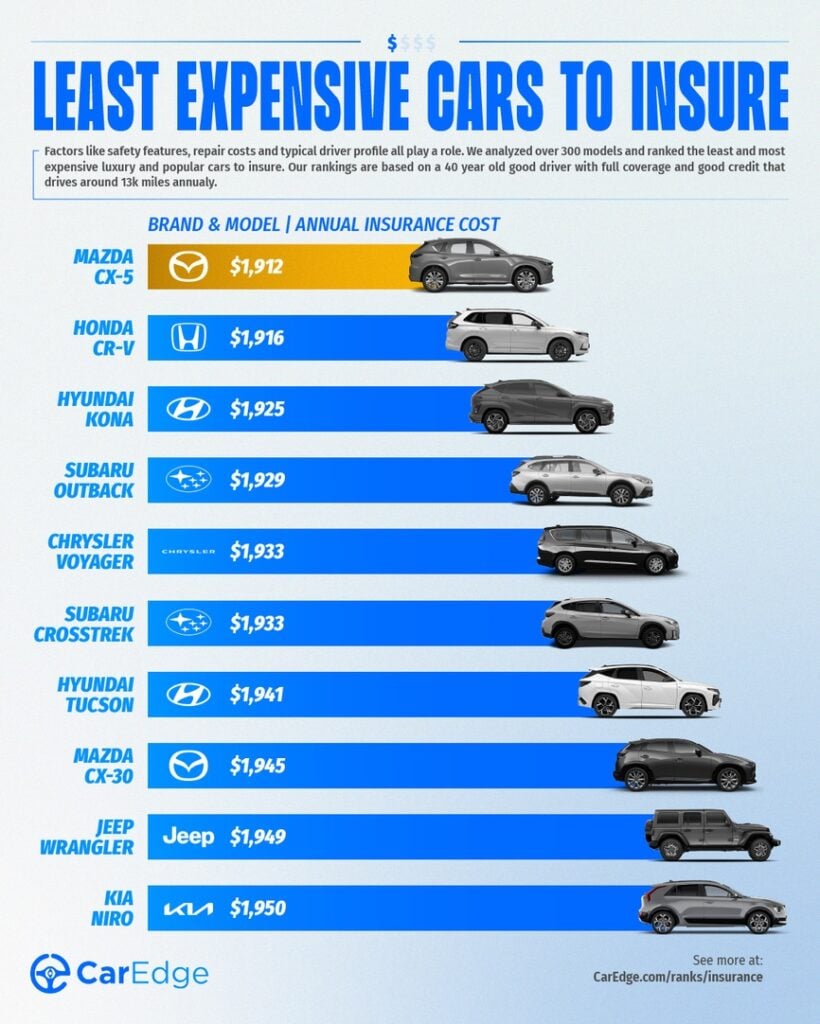
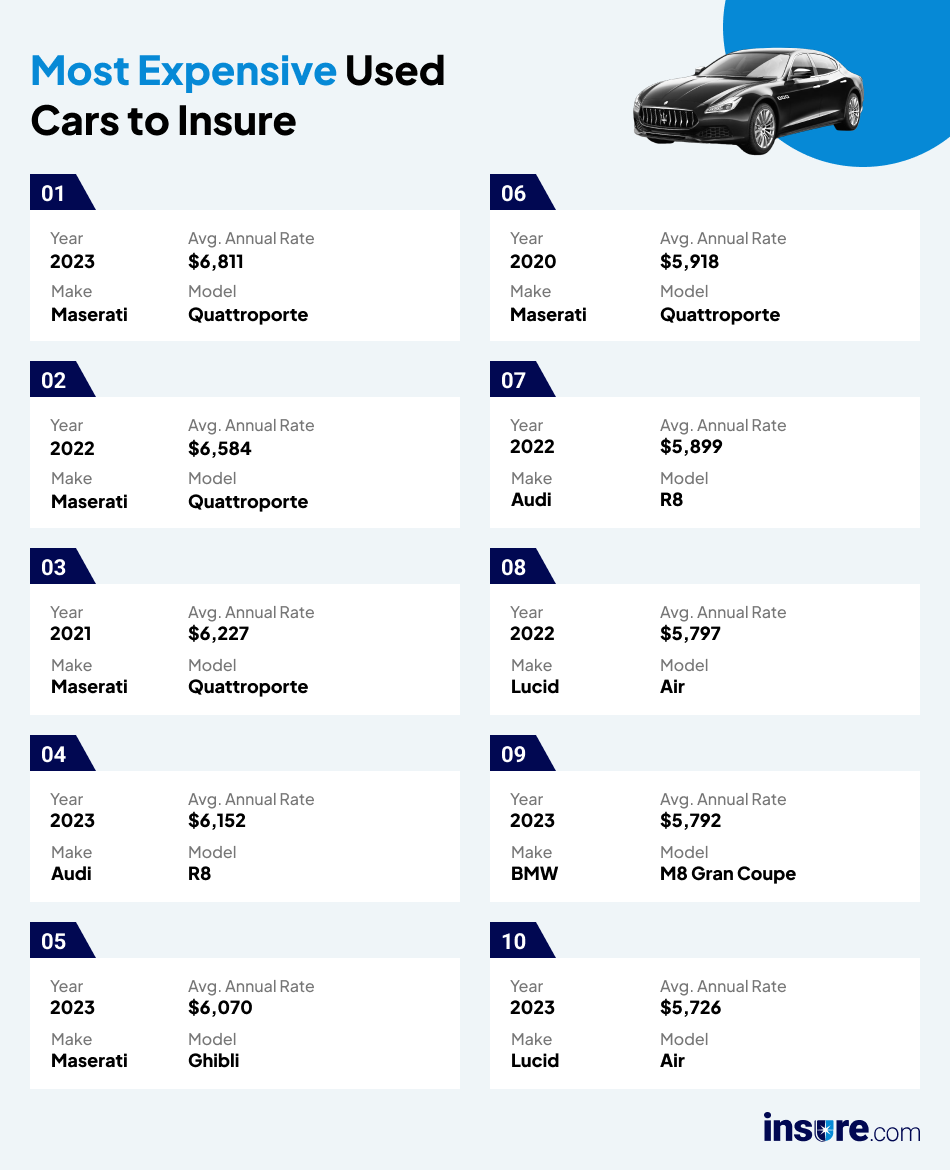
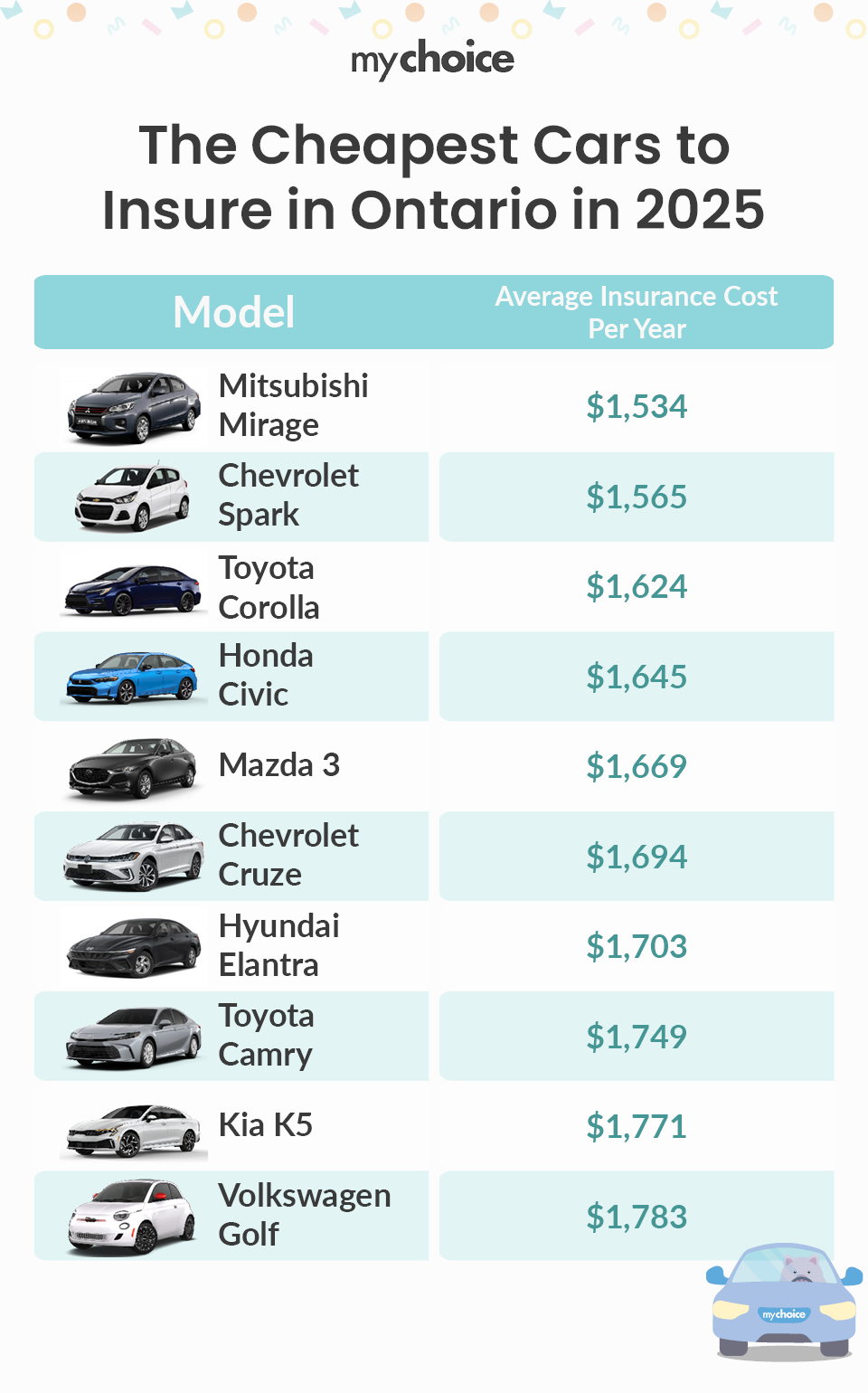
- Make, Model, and Year: Luxury, high-performance, or sports cars typically cost more to insure due to higher repair costs, greater appeal to thieves, and a tendency for their drivers to take more risks. Older, more common models are often cheaper.
- Safety Features: Cars equipped with advanced safety features like anti-lock brakes, airbags, adaptive cruise control, and anti-theft devices can qualify for discounts, as they reduce the risk of accidents or theft.
- Repair Costs and Parts Availability: Vehicles with expensive or hard-to-find parts will naturally incur higher repair costs for insurers, leading to higher premiums.
- Usage: How much you drive your car annually (mileage) and how it’s used (commuting, pleasure, business) can affect rates. Lower mileage often qualifies for discounts.
Policy-Specific Factors
The choices you make regarding your coverage itself also directly impact the final premium.
- Types of Coverage: The more comprehensive your coverage (e.g., adding collision, comprehensive, uninsured motorist, medical payments to basic liability), the higher your premium will be.
- Deductibles: A deductible is the amount you pay out-of-pocket before your insurance kicks in for a claim. Choosing a higher deductible (e.g., $1,000 instead of $500) will lower your premium, but means greater out-of-pocket expense in case of a claim.
- Coverage Limits: The maximum amount your insurer will pay for a covered loss. Higher liability limits offer greater protection but come with a higher premium.
Strategies for Unearthing Affordable Car Insurance
Armed with an understanding of what drives costs, drivers can employ several effective strategies to reduce their premiums. Finding the cheapest car insurance is often less about finding a single “cheap” company and more about optimizing these various levers.
Shop Around Aggressively
The most impactful strategy is to compare quotes from multiple insurers. Premiums for the exact same coverage can vary by hundreds or even thousands of dollars between companies because each insurer uses proprietary algorithms to assess risk and set prices.
- Online Comparison Tools: Websites like Insurify, Policygenius, and The Zebra allow you to get multiple quotes by entering your information once.
- Direct Insurers: Companies like GEICO, Progressive, and Esurance operate primarily online or by phone, often offering competitive rates by cutting out agent commissions.
- Independent Agents: These agents work with multiple insurance companies and can shop around on your behalf, providing personalized advice and finding discounts you might not uncover yourself.
Leverage Discounts
Insurance companies offer a wide array of discounts that can significantly reduce your premium. It’s crucial to ask about every possible discount.
- Bundling: Combining car insurance with other policies, such as home or renter’s insurance, can lead to substantial multi-policy discounts.
- Good Driver/Accident-Free: Rewarding drivers with a clean record for a specified period (e.g., 3 or 5 years).
- Safe Vehicle Discounts: For cars with features like anti-lock brakes, airbags, anti-theft devices, and newer safety technologies.
- Student Discounts: Good student discounts (for maintaining a certain GPA) or distant student discounts (if a student lives away from home without their car).
- Low Mileage: For drivers who don’t drive frequently or commute short distances.
- Professional/Affiliation Discounts: Many insurers offer discounts to members of certain professional organizations, alumni associations, or employers.
- Telematics/Usage-Based Insurance: Programs that monitor your driving habits (speed, braking, mileage) via a mobile app or device. Safe drivers can earn significant discounts.
Adjust Your Coverage Wisely
While it’s never advisable to be underinsured, there are smart ways to tailor your policy to your needs and budget.
- Raise Deductibles: If you have a solid emergency fund, increasing your collision and comprehensive deductibles can lower your premium. Just ensure you can comfortably afford the deductible amount if you need to file a claim.
- Drop Comprehensive and Collision on Older Cars: If your car’s market value is less than the cost of your deductible plus a year’s worth of comprehensive and collision premiums, it might be financially prudent to drop these coverages and self-insure against damage to your own vehicle.
- Review Liability Limits: While state minimums are legally required, they often don’t provide adequate protection in a serious accident. However, increasing limits incrementally can still be affordable.
- Eliminate Redundant Coverage: Check if your health insurance covers medical payments in an accident, or if your roadside assistance plan (e.g., AAA, credit card benefit) makes separate roadside assistance coverage from your insurer unnecessary.
Improve Your Driving Record and Credit Score
These are long-term strategies, but they yield significant and lasting reductions in insurance premiums.
- Maintain a Clean Driving Record: Avoid accidents and traffic violations at all costs. Over time, a spotless record will lead to some of the lowest possible rates.
- Improve Your Credit Score: A better credit score often translates to a better insurance score, which can reduce your premiums in states where it’s permitted.
Top Contenders in the Low-Cost Insurance Market
While “cheapest” is subjective, certain types of insurers and specific companies frequently appear on lists of providers offering competitive rates, particularly for drivers with clean records.
Direct-to-Consumer Insurers
Companies that primarily operate online or by phone often have lower overhead costs, which they can pass on to consumers in the form of lower premiums.
- GEICO: Known for aggressive marketing and competitive rates, particularly for good drivers. They often emphasize a quick online quote process.
- Progressive: Another major player that frequently offers competitive rates, especially through their Snapshot telematics program, which rewards safe driving.
- Esurance (part of Allstate): Focuses heavily on online service and technology, often appealing to tech-savvy consumers looking for quick, efficient quotes.
Traditional Insurers with Strong Local Presence
These companies, while often working through agents, can still be very competitive, especially when bundling policies.
- State Farm: The largest auto insurer in the U.S., they offer a wide range of discounts and often excel in customer service and local agent support, which can be valuable during a claim.
- Allstate: Similar to State Farm, Allstate provides personalized service through agents and has various discount programs, including Drivewise for tracking driving habits.
Niche & Specialty Providers
Some insurers cater to specific demographics or risk profiles, potentially offering better rates for those who fit their target market.
- USAA: Consistently ranks among the top for customer satisfaction and competitive pricing, but is exclusively available to military members, veterans, and their families.
- Subprime Insurers: For high-risk drivers with poor driving records, companies specializing in non-standard insurance might be the only option, though their rates will be higher.
The Role of Financial Tools & Aggregators
The proliferation of online comparison websites and aggregators has democratized the search for affordable insurance. These platforms streamline the process of obtaining quotes from multiple providers, empowering consumers to quickly identify the most competitive offers based on their specific profile. Utilizing such tools is a fundamental step in any serious search for the least expensive car insurance.
Beyond Price: Value and Reliability in Car Insurance
While finding the least expensive car insurance is a primary goal, it’s crucial not to let cost overshadow the importance of value, reliability, and adequate protection. A cheap policy that fails to deliver when you need it most can be far more costly in the long run.
Customer Service and Claims Handling
The true test of an insurance company comes during a claim. A company with poor customer service or a difficult claims process can turn an already stressful situation into a nightmare. Research customer satisfaction ratings and read reviews before committing. Look for insurers with strong financial ratings (e.g., A.M. Best) to ensure their ability to pay claims.
Financial Stability of the Insurer
An insurer’s financial strength dictates its ability to pay out claims, especially large ones. Reputable rating agencies like A.M. Best, Standard & Poor’s, and Moody’s assess insurers’ financial health. Opting for a company with strong financial ratings provides peace of mind that they will be there when you need them.
Policy Flexibility and Add-ons
Consider if the insurer offers useful add-ons that enhance your protection or convenience, such as roadside assistance, rental car reimbursement, gap insurance (which covers the difference between your car’s value and what you owe if it’s totaled), or new car replacement. While these might add to the premium, their value can often outweigh the cost.
Actionable Steps to Secure Your Best Rate
To effectively find your least expensive car insurance, follow a structured approach:
Gather All Necessary Information
Before you start shopping, have your personal details (driver’s license number, date of birth, marital status, occupation, education, credit score range), vehicle information (VIN, make, model, year, mileage, safety features), and current policy details (if applicable) ready.
Utilize Online Comparison Tools
Start with several reputable online comparison websites. These tools can provide a baseline understanding of pricing and help you identify a few top contenders quickly.
Consult Independent Agents
After getting online quotes, speak with one or two independent insurance agents. They have access to a broader range of companies, including regional ones, and can help you uncover additional discounts or specialized policies.
Review Annually
Your insurance needs and the market change. Make it a habit to compare quotes and review your policy at least once a year, or whenever you experience a significant life event (e.g., marriage, moving, buying a new car, improving your credit score). This proactive approach ensures you’re always getting the best possible rate.
The question “who has the least expensive car insurance” has no single, static answer. It’s a deeply personal query, with the optimal solution varying significantly from one driver to another. The least expensive car insurance for you will be the policy that offers adequate coverage for your specific needs, provided by a reliable insurer, at the most competitive price point available after diligent comparison shopping and leveraging all applicable discounts. By understanding the factors that influence premiums, proactively seeking out competitive quotes, and wisely adjusting your coverage, you can effectively navigate the insurance market and secure significant savings without sacrificing peace of mind.
aViewFromTheCave is a participant in the Amazon Services LLC Associates Program, an affiliate advertising program designed to provide a means for sites to earn advertising fees by advertising and linking to Amazon.com. Amazon, the Amazon logo, AmazonSupply, and the AmazonSupply logo are trademarks of Amazon.com, Inc. or its affiliates. As an Amazon Associate we earn affiliate commissions from qualifying purchases.