
Navigating the labyrinthine world of auto insurance can often feel like an intricate financial puzzle. For many drivers, the primary objective is straightforward: to secure comprehensive coverage at the lowest possible cost. Yet, the question “who has the least expensive auto insurance?” isn’t a simple one with a single, universal answer. Instead, it unlocks a complex interplay of personal circumstances, market dynamics, and strategic financial decisions. This article delves into the intricacies of auto insurance pricing, offering an insightful guide to help you identify and secure the most affordable rates tailored to your unique situation. We’ll explore the myriad factors influencing premiums, effective strategies for cost reduction, and the tools available to empower your financial journey in vehicle ownership.
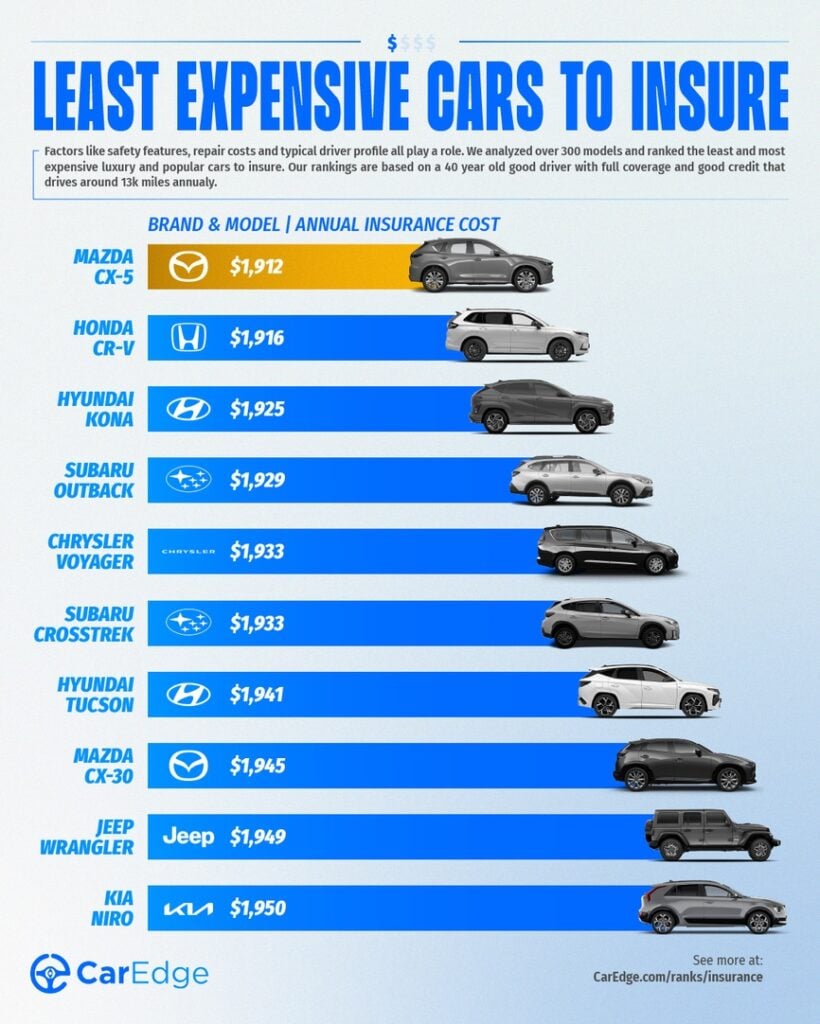
Understanding the Landscape of Auto Insurance Pricing
Before embarking on the quest for the cheapest auto insurance, it’s crucial to understand that “cheap” is a relative term, and the “least expensive” provider varies significantly from person to person. Auto insurance premiums are not arbitrary figures; they are meticulously calculated based on a vast array of risk assessments and financial models designed to predict the likelihood and cost of future claims.
The Myth of a Single “Cheapest” Provider
There’s no single insurance company that consistently offers the lowest rates for everyone. What might be the most affordable option for a 25-year-old single male with a clean driving record in a rural area could be prohibitively expensive for a 45-year-old parent with a recent accident in a dense urban center. Each insurer employs its own proprietary algorithms, weighting various risk factors differently. Some might be more aggressive in pricing for younger drivers, while others might offer better rates for those with exceptional credit scores or specific vehicle types. This divergence in pricing models means that a truly economical solution is always personalized. The key is to find the insurer whose risk assessment aligns most favorably with your personal profile, rather than chasing a mythical universal low-cost leader.
Key Factors Insurers Weigh
Insurance companies assess a multitude of factors to determine your premium. Understanding these elements can shed light on why your rates are what they are and how you might influence them.
- Driving Record: This is arguably the most significant factor. A history of accidents, traffic violations (speeding tickets, DUIs), or other infractions signals higher risk to insurers, leading to elevated premiums. Conversely, a clean driving record often qualifies you for significant discounts.
- Age and Gender: Statistically, younger, less experienced drivers (especially males under 25) tend to be involved in more accidents, making their insurance rates higher. As drivers gain experience and mature, their rates generally decrease, assuming a clean record.
- Location: Where you live and park your car profoundly impacts your rates. Urban areas with higher traffic density, crime rates (theft, vandalism), and accident frequencies typically incur higher premiums than suburban or rural areas. Even your specific zip code within a city can make a difference.
- Vehicle Type: The make, model, year, and safety features of your car are crucial. Expensive cars, sports cars, and vehicles with high theft rates typically cost more to insure. Cars with advanced safety features, on the other hand, might qualify for discounts. The cost of repairs and parts for your specific vehicle also plays a role.
- Credit Score (in many states): Insurers often use a credit-based insurance score (which differs from a standard credit score but is derived from similar data) to predict the likelihood of future claims. Studies suggest a correlation between lower credit scores and a higher propensity to file claims. Improving your financial health can indirectly lead to lower insurance premiums.
- Coverage Amount and Deductibles: The more coverage you opt for (e.g., higher liability limits, comprehensive, collision), the higher your premium will be. Similarly, choosing a lower deductible means the insurer pays more out-of-pocket for claims, thus increasing your premium.
The Role of State Regulations
Insurance is regulated at the state level, meaning that specific requirements and consumer protections vary widely. Some states mandate certain types or minimum amounts of coverage, which can influence base premiums. State regulations also dictate which factors insurers can use for pricing, with some states banning the use of credit scores or gender in premium calculations. Understanding your state’s specific regulatory landscape can provide context for the pricing you encounter and inform your approach to finding affordable coverage.
Strategies for Uncovering Affordable Auto Insurance
Finding the least expensive auto insurance isn’t about cutting corners on coverage but about intelligent financial planning and strategic comparison. There are several actionable steps you can take to significantly reduce your premiums without compromising your financial security on the road.
The Power of Comparison Shopping
This is arguably the single most effective strategy for finding affordable auto insurance. Insurance rates are highly competitive, and prices can vary by hundreds, if not thousands, of dollars for the same coverage from different providers.
- Get Multiple Quotes: Don’t settle for the first quote you receive. Obtain quotes from at least 3-5 different insurers, including national carriers (e.g., Geico, Progressive, State Farm, Allstate) and regional or smaller companies. Online comparison tools and independent insurance agents can streamline this process.
- Review Quotes Regularly: Your personal circumstances and market rates change. It’s financially prudent to shop for new quotes annually or whenever significant life events occur (e.g., buying a new car, moving, getting married, having a teenager start driving).
- Ensure Apples-to-Apples Comparisons: When comparing quotes, ensure you are looking at identical coverage levels, deductibles, and policy limits across all providers. A lower premium might simply mean less coverage, which could leave you financially vulnerable in an accident.
Leveraging Discounts and Bundling
Most insurance companies offer a wide array of discounts that can significantly reduce your premium. Proactively inquiring about these can lead to substantial savings.
- Bundling Policies: Many insurers offer discounts (often 5-25%) when you bundle multiple policies, such as auto and home/renters insurance, with the same provider. This is a common and highly effective financial strategy.
- Multi-Car Discount: Insuring multiple vehicles under one policy with the same company almost always results in a discount.
- Good Driver/Accident-Free Discount: Maintaining a clean driving record for several years is frequently rewarded.
- Good Student Discount: Students who maintain a B average or higher may qualify for discounts, recognizing their perceived lower risk.
- Defensive Driving Course Discount: Completing an approved defensive driving course can sometimes lead to a discount, especially for older drivers or those with minor infractions.
- Vehicle Safety Features: Cars equipped with anti-lock brakes, airbags, anti-theft devices, or other safety technologies often qualify for discounts.
- Payment Discounts: Paying your premium in full upfront, enrolling in automatic payments, or choosing paperless billing can sometimes lead to minor reductions.
Optimizing Your Coverage Levels
While it’s never advisable to be underinsured, carefully assessing your coverage needs can help reduce costs.
- Re-evaluate Collision and Comprehensive for Older Cars: If your car is older and its market value is low, the cost of collision and comprehensive coverage might outweigh the potential payout in an accident. Consider dropping these coverages if your car is worth less than the deductible plus the annual premium for these coverages.
- Adjust Deductibles: Choosing a higher deductible (e.g., $1,000 instead of $500) will lower your annual premium. However, ensure you have sufficient funds in an emergency savings account to cover that higher deductible if you need to file a claim. This is a critical financial decision.
- Review Liability Limits: While states mandate minimum liability coverage, these limits are often insufficient to cover serious accidents. However, review your current limits to ensure they align with your assets and risk tolerance. Increasing liability can be a cost-effective way to protect your finances from major lawsuits.
Improving Your Driving Profile and Credit Score
Long-term financial responsibility and safe habits directly translate into lower insurance costs.
- Maintain a Clean Driving Record: This is paramount. Avoiding accidents and traffic violations over time will consistently lead to lower premiums.
- Improve Your Credit Score: As mentioned, credit-based insurance scores are used in many states. Paying bills on time, reducing debt, and monitoring your credit report can positively impact your insurance premiums over time. This underscores the interconnectedness of personal finance.
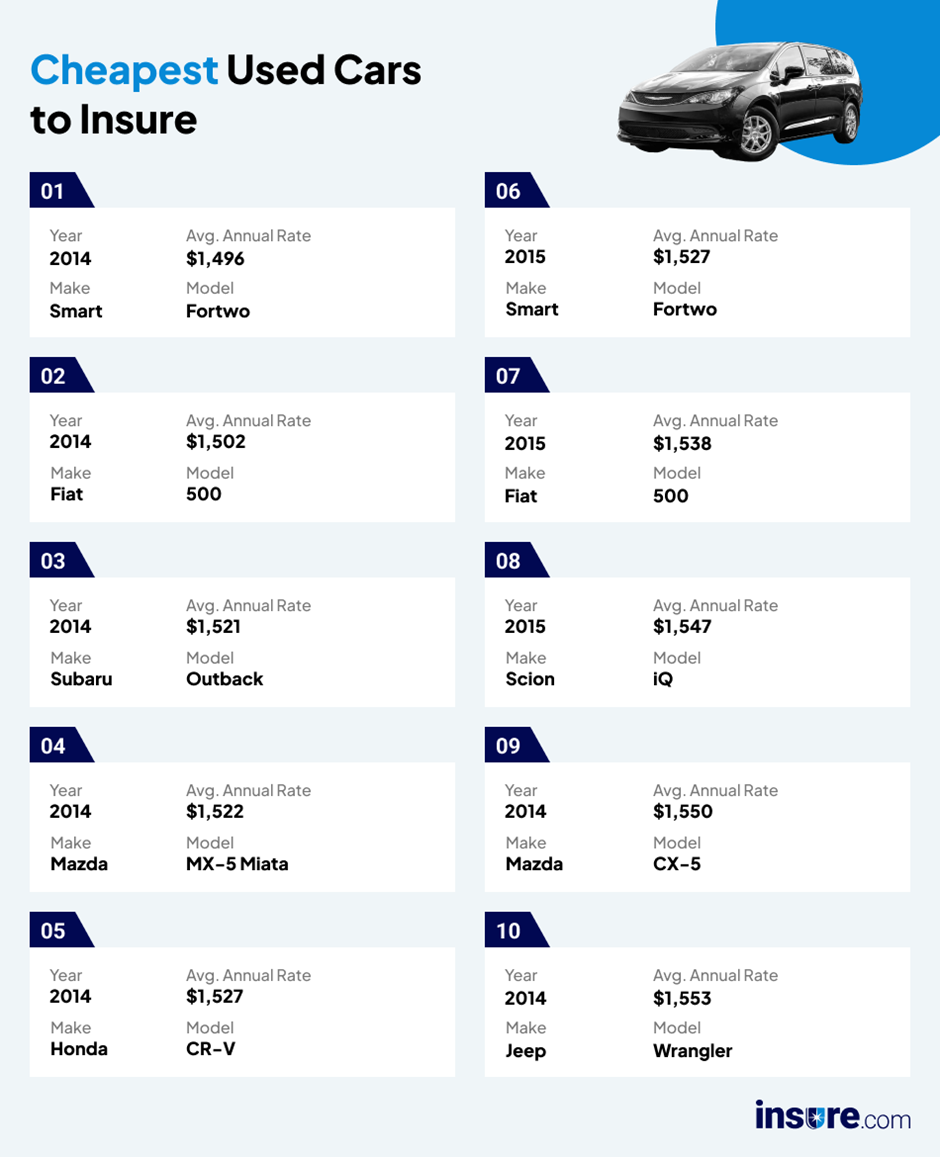
Navigating the Quote Process Effectively
The process of obtaining and comparing insurance quotes can seem daunting, but approaching it systematically can make it efficient and financially rewarding.
Gathering Necessary Information
Before you start getting quotes, have all essential information ready. This includes:
- Personal Information: Names, dates of birth, driver’s license numbers for all drivers on the policy.
- Vehicle Information: Make, model, year, VIN (Vehicle Identification Number), current mileage, and primary use (commute, pleasure).
- Driving History: Details of any accidents or traffic violations within the past 3-5 years.
- Current Insurance Details: Your current policy limits and deductibles can serve as a baseline for comparison.
Understanding Different Quote Platforms
- Direct Insurers: You can get quotes directly from major insurance companies through their websites or by phone. This is often the most direct way to interact with an insurer.
- Independent Agents: These agents work with multiple insurance companies and can provide quotes from several carriers, acting as a one-stop shop. They can offer personalized advice and help you compare options.
- Online Comparison Websites: Platforms like Policygenius, The Zebra, or Bankrate allow you to enter your information once and receive multiple quotes from various insurers. Be aware that these sites may not include every insurer, and some might sell your information to third parties.
Deciphering Policy Language and Fine Print
Don’t just look at the premium number. Understand what you’re buying.
- Coverage Types: Familiarize yourself with liability (bodily injury and property damage), collision, comprehensive, uninsured/underinsured motorist, and personal injury protection (PIP)/medical payments.
- Exclusions: Know what your policy doesn’t cover.
- Endorsements: Additional coverages you might add, like rental car reimbursement or roadside assistance.
- Customer Service and Claims Reputation: A cheap policy that provides terrible service when you need to file a claim is no bargain. Check customer reviews and financial strength ratings (e.g., from AM Best).
Long-Term Savings: Beyond the Initial Quote
Finding cheap insurance isn’t a one-time event; it’s an ongoing financial discipline. Sustaining low rates requires periodic review and adaptation to life’s changes.
Regular Policy Reviews
Make it a habit to review your auto insurance policy annually.
- Check for Eligibility for New Discounts: Your life situation might have changed, making you eligible for new discounts (e.g., you paid off your car loan, you installed a new security system).
- Assess Coverage Needs: Your financial situation evolves. As your assets grow, you might need higher liability limits. Conversely, if you’ve paid off your vehicle, you might consider adjusting collision/comprehensive.
- Shop Around Annually: Even if you’re happy with your current insurer, getting competitive quotes annually ensures you’re still getting the best value. Loyalty discounts exist, but they might not always outweigh what a new insurer offers.
The Impact of Life Changes
Significant life events can dramatically alter your insurance premiums.
- Marriage: Married individuals often receive lower rates due to statistical evidence suggesting they are less risky drivers.
- Moving: A change in residence can either increase or decrease your rates based on the new location’s risk profile.
- New Vehicle: Buying a new car means re-evaluating your coverage and getting new quotes.
- Adding or Removing Drivers: Adding a young driver (like a teenager) will almost certainly increase rates, while removing a driver no longer living in your household can reduce them.
Maintaining a Clean Driving Record
This is the golden rule for long-term insurance savings. Every year without an accident or violation solidifies your profile as a low-risk driver, making you more attractive to insurers and qualifying you for substantial discounts. Investing in safe driving habits is an investment in your financial future.
What to Do When Costs Are Still High
Despite employing all these strategies, some individuals might still face high auto insurance costs due to factors beyond their immediate control, such as a challenging driving history or residing in a high-risk area. In such cases, there are still avenues to explore.
Exploring Usage-Based Insurance
Many insurers now offer telematics programs, or “usage-based insurance,” which use devices or apps to monitor your driving habits (e.g., mileage, speed, braking, time of day). Safe drivers can earn significant discounts (up to 30% or more) by participating in these programs. This can be particularly beneficial for those who drive infrequently or demonstrate consistently safe driving behaviors.
High-Deductible Strategies (with caution)
While discussed earlier, it bears repeating: increasing your deductible is a direct way to lower your premium. However, this strategy requires a robust emergency fund to cover the deductible should an accident occur. It’s a calculated financial risk; ensure your financial reserves can absorb the potential out-of-pocket cost without causing undue hardship. For those with stable finances, it can be a prudent long-term cost-saving measure.

State-Specific Assistance Programs
Some states offer programs or resources for high-risk drivers who struggle to find affordable insurance through conventional channels. These “assigned risk” pools ensure that all drivers have access to at least minimum coverage, though the premiums are often higher than standard policies. Research your state’s Department of Insurance website for information on such programs if you find yourself in this situation.
Ultimately, identifying “who has the least expensive auto insurance” is an ongoing, personalized financial endeavor. It requires diligence, a willingness to compare, and a commitment to safe driving and sound financial practices. By understanding the factors at play, strategically leveraging discounts, and regularly reviewing your policy, you can navigate the insurance market effectively and secure the most financially advantageous coverage for your needs.
aViewFromTheCave is a participant in the Amazon Services LLC Associates Program, an affiliate advertising program designed to provide a means for sites to earn advertising fees by advertising and linking to Amazon.com. Amazon, the Amazon logo, AmazonSupply, and the AmazonSupply logo are trademarks of Amazon.com, Inc. or its affiliates. As an Amazon Associate we earn affiliate commissions from qualifying purchases.