
Navigating the landscape of car insurance in Texas can be a daunting task, especially when the primary goal is to secure the most affordable rates without compromising essential protection. For residents of the Lone Star State, finding the cheapest car insurance isn’t just about saving money; it’s about making informed financial decisions that align with state regulations and personal circumstances. This guide delves into the nuances of Texas auto insurance, exploring the factors that drive costs, the strategies to uncover savings, and the types of providers often recognized for competitive pricing.
Understanding Texas Auto Insurance Requirements
Before embarking on a quest for the lowest premiums, it’s crucial to understand what the state of Texas mandates for all drivers. Compliance with these requirements is not just a legal obligation but also a fundamental aspect of responsible personal finance, protecting both you and other motorists on the road.
Minimum Coverage Mandates
Texas operates under an “at-fault” system, meaning the driver responsible for an accident is liable for the damages. To ensure all drivers can meet these obligations, the state requires a minimum level of liability coverage, often referred to as “30/60/25” coverage:
-
$30,000 for bodily injury liability per person.
-
$60,000 for total bodily injury liability per accident.
-
$25,000 for property damage liability per accident.
This liability insurance covers the costs incurred by other parties if you are found at fault in an accident. It does not cover damages to your own vehicle or your own medical expenses. While satisfying the legal minimums might seem like the cheapest route upfront, it’s often a financially risky decision in the long run.
Beyond the Minimum: Why More Protection Matters
Opting for only the minimum liability coverage can leave you exposed to significant out-of-pocket expenses should an accident occur, especially if damages exceed your coverage limits. Most financial advisors recommend considering additional coverage types to bolster your financial security:
-
Collision Coverage: Pays for damage to your own vehicle resulting from a collision with another car or object, regardless of fault.
-
Comprehensive Coverage: Protects your vehicle from non-collision incidents like theft, vandalism, fire, natural disasters, or hitting an animal.
-
Personal Injury Protection (PIP): Covers medical expenses, lost wages, and other related costs for you and your passengers, regardless of who is at fault. Texas insurers are required to offer PIP, and you must reject it in writing if you don’t want it.
-
Uninsured/Underinsured Motorist (UM/UIM) Coverage: Essential in Texas, this coverage protects you if you’re hit by a driver who has no insurance or insufficient insurance to cover your damages. UM/UIM can cover medical bills, lost wages, and property damage.
While adding these coverages will increase your premium, the financial protection they offer can far outweigh the additional cost, preventing potentially catastrophic financial losses. Smart financial planning involves balancing immediate premium costs with potential future risks.
Factors Influencing Car Insurance Rates in Texas
Car insurance premiums are highly personalized, a complex calculation based on a multitude of factors unique to each driver, vehicle, and even geographic location within Texas. Understanding these variables empowers you to take proactive steps toward reducing your costs.
Driver-Specific Variables
-
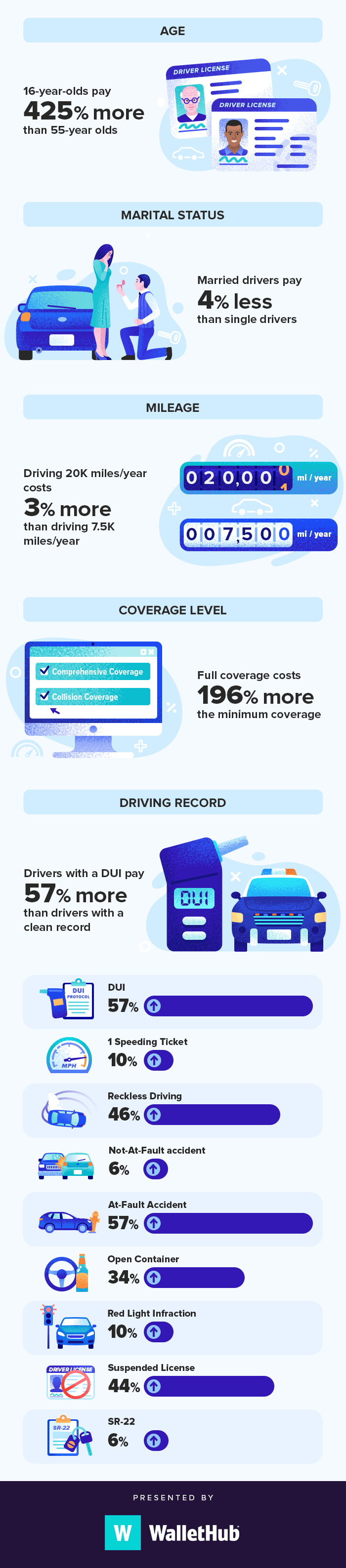
Age and Experience: Younger, less experienced drivers typically face higher rates due to statistical data indicating a greater risk of accidents. Rates generally decrease as drivers gain experience and maturity, usually stabilizing in their 30s through 60s.
-
Driving Record: A clean driving record is paramount for low rates. Speeding tickets, at-fault accidents, and DUIs can significantly inflate premiums for several years. Insurers view these as indicators of higher risk.
-
Credit Score: In Texas, as in many states, insurance companies often use a credit-based insurance score (which is distinct from a standard credit score but derived from similar information) to help determine premiums. A higher score often translates to lower rates, reflecting a perceived greater financial responsibility.
-
Marital Status: Married individuals often receive slightly lower rates than single drivers, as they are statistically considered less risky.
-
Gender: While the impact is less pronounced than other factors, gender can sometimes play a minor role, though it’s increasingly being phased out as a rating factor in many areas.
Vehicle-Specific Variables
-
Make, Model, and Year: The type of car you drive heavily influences your premium. Expensive, high-performance, or luxury vehicles cost more to repair or replace, leading to higher collision and comprehensive rates. Vehicles with strong safety ratings, however, may qualify for discounts.
-
Safety Features: Cars equipped with advanced safety features like anti-lock brakes, airbags, anti-theft devices, and driver-assistance systems (e.g., automatic emergency braking, lane-keeping assist) can qualify for discounts due to reduced risk of accidents or theft.
-
Vehicle Usage: How much you drive and for what purpose (commuting, pleasure, business) affects your risk. Low-mileage drivers may qualify for discounts, and business use often carries higher premiums.
Geographic Location Within Texas
Where you live in Texas significantly impacts your rates. Urban areas with higher population densities, more traffic, and increased rates of accidents, theft, and vandalism (e.g., Houston, Dallas, Austin, San Antonio) generally have higher premiums than more rural or suburban areas. Even within the same city, specific zip codes can have vastly different rates based on local claims data.
Coverage Choices and Deductibles
The types and amounts of coverage you select, along with your chosen deductibles (the amount you pay out-of-pocket before your insurance kicks in), directly impact your premium. Choosing higher deductibles for collision and comprehensive coverage will lower your monthly premium, but it means a larger out-of-pocket expense if you need to file a claim. This is a common financial strategy for those with a robust emergency fund.
Strategies for Finding the Lowest Rates
Armed with an understanding of how rates are determined, Texas drivers can employ several proactive strategies to secure the most competitive pricing for their auto insurance.

Comparison Shopping is Key
This is arguably the single most effective strategy. Insurance rates vary significantly between providers for the exact same coverage. Obtain quotes from at least 3-5 different companies, including large national carriers, regional providers, and even local independent agencies. Many online comparison tools allow you to input your information once and receive multiple quotes, streamlining the process. This isn’t a one-time task; repeat this process annually or whenever you experience a major life change (new car, new address, marriage, etc.).
Leveraging Discounts
Most insurance companies offer a wide array of discounts that can significantly reduce your premium. Always ask your agent or check online for every discount you might qualify for:
-
Multi-Policy/Bundling Discount: Combining auto insurance with homeowners, renters, or life insurance from the same provider can lead to substantial savings.
-
Good Driver Discount: For drivers with a clean record over a specified period (e.g., 3-5 years).
-
Defensive Driving Course Discount: Completing an approved defensive driving course can often lead to a discount.
-
Good Student Discount: High school or college students with good academic standing may qualify.
-
Low Mileage Discount: If you drive fewer miles than average, you might be eligible for lower rates.
-
Anti-Theft Device Discount: For vehicles equipped with approved anti-theft systems.
-
Paid-in-Full Discount: Paying your entire annual premium upfront, rather than in monthly installments, can often net a discount.
-
Telematics/Usage-Based Insurance: Programs that monitor your driving habits (speeding, braking, mileage) via a smartphone app or device can offer discounts to safe drivers.
Improving Your Credit Score
As mentioned, your credit-based insurance score influences your rates. Regularly checking your credit report for errors, paying bills on time, and managing debt responsibly can positively impact your score and, by extension, your insurance premiums. This is a foundational element of sound personal finance that extends beyond just insurance.
Reviewing Your Coverage Annually
Your insurance needs change over time. As your vehicle ages, you might consider adjusting your collision and comprehensive deductibles or even dropping these coverages if the car’s value is very low. Similarly, review your liability limits to ensure they still adequately protect your assets as your financial situation evolves. An annual check-up ensures you’re not overpaying for coverage you no longer need or under-insuring for current risks.
Top Insurance Carriers Often Cited for Competitive Rates in Texas
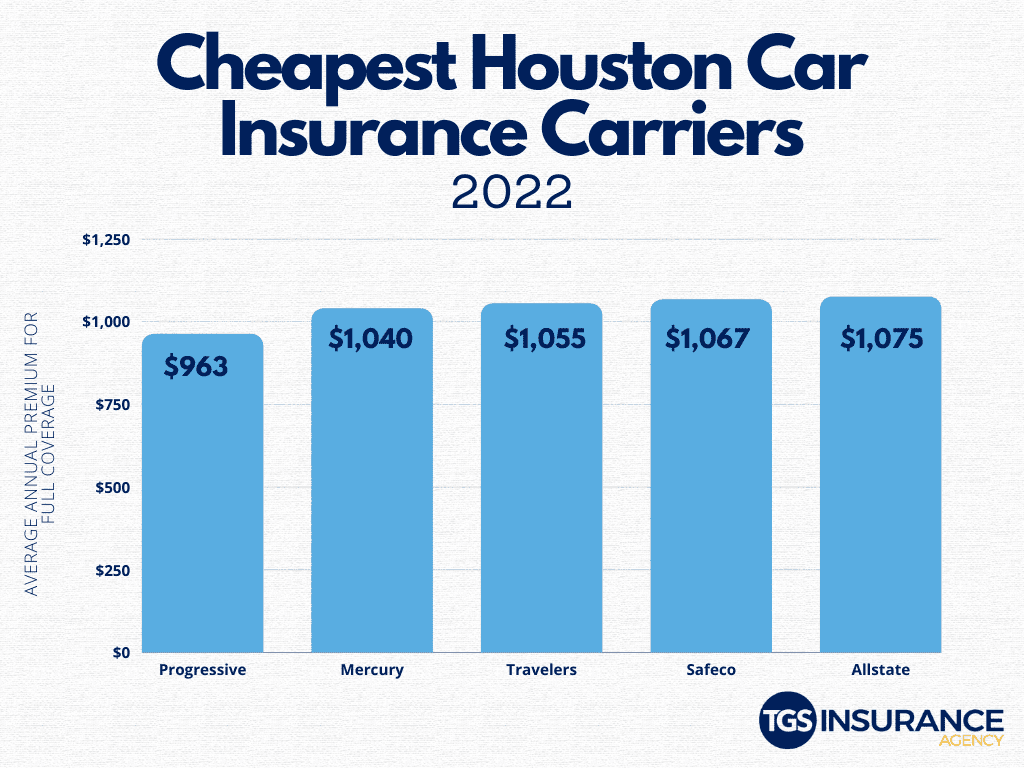
While “the cheapest” insurer can vary wildly from person to person due to individual rating factors, certain companies are frequently recognized for offering competitive rates in the Texas market. It’s crucial to get personalized quotes, as what’s cheapest for one driver may not be for another.
Large National Providers
-
GEICO: Known for its strong online presence and often competitive pricing, especially for drivers with clean records.
-
Progressive: Offers various discount programs and usage-based insurance options through its Snapshot program, often appealing to safe drivers.
-
State Farm: A large, established insurer with a vast network of local agents, often providing good value, especially when bundling policies.
-
Allstate: Another major player that can offer competitive rates, particularly for drivers who combine auto with other insurance products.
-
USAA: Exclusively for military members, veterans, and their families, USAA is consistently ranked among the top for customer satisfaction and competitive pricing.
Regional and Local Insurers
-
Texas Farm Bureau Insurance: Often provides very competitive rates for Texas residents, especially those in more rural or suburban areas. They require policyholders to be members of the Texas Farm Bureau.
-
Fred Loya Insurance: Primarily caters to drivers who might struggle to get coverage elsewhere or are looking for minimum liability coverage, often with more accessible payment plans.
-
Other smaller, local carriers: Don’t overlook smaller, regional companies or independent insurance agencies. They sometimes have niche markets or offer personalized service that can lead to unexpected savings.
The Role of Independent Agents
Working with an independent insurance agent can be a significant advantage. Unlike captive agents who work for a single company, independent agents work with multiple insurers. They can shop around on your behalf, comparing quotes from various providers to find the best blend of price and coverage for your specific needs, saving you considerable time and effort. This professional guidance can be invaluable in navigating the complex financial product that is car insurance.
The Balance Between Price and Value
Ultimately, finding the “cheapest” car insurance in Texas isn’t just about the lowest premium; it’s about finding the best value. This involves a crucial balance between cost, comprehensive coverage, and reliable customer service.
Don’t Compromise on Essential Coverage
While striving for low premiums, never sacrifice adequate protection. An insufficient policy can lead to devastating financial consequences after an accident. Consider the value of your assets, your income, and your risk tolerance. For most drivers, carrying more than the state minimum liability is a financially prudent decision.
Evaluating Customer Service and Claims Processing
A rock-bottom premium means little if the insurer has a poor track record for customer service or, more critically, for handling claims efficiently and fairly. Research companies’ customer satisfaction ratings, read reviews, and ask about their claims process. A smooth, transparent claims experience is invaluable when you need your insurance most. Trustworthiness and reliability are key financial considerations when selecting any service provider.
Finding the cheapest car insurance in Texas requires diligence, comparison, and an understanding of both state requirements and personal financial factors. By actively shopping around, leveraging discounts, maintaining a good driving record, and judiciously choosing coverage, Texans can secure robust protection without overspending.
aViewFromTheCave is a participant in the Amazon Services LLC Associates Program, an affiliate advertising program designed to provide a means for sites to earn advertising fees by advertising and linking to Amazon.com. Amazon, the Amazon logo, AmazonSupply, and the AmazonSupply logo are trademarks of Amazon.com, Inc. or its affiliates. As an Amazon Associate we earn affiliate commissions from qualifying purchases.