
In the competitive landscape of modern business, a well-crafted proposal is far more than a mere formality; it is a critical financial instrument. It serves as your organization’s blueprint for potential revenue, investment, and strategic partnerships, articulating not just what you offer, but the profound financial value and return on investment you promise. For businesses, startups, and freelancers alike, mastering the art of the business proposal is synonymous with mastering the gateway to financial growth and stability. This guide delves into the essence of creating proposals that resonate financially, turning prospects into profitable partnerships by meticulously detailing the monetary implications and advantages of your offerings.

The Strategic Financial Role of Business Proposals
At its core, a business proposal is a persuasive sales document designed to secure a financial transaction – whether it’s a direct sale, a project contract, an investment, or a partnership that leads to shared revenue. Understanding this fundamental financial objective is the first step in crafting a truly impactful proposal. It’s not just about showcasing your capabilities; it’s about translating those capabilities into tangible financial benefits for the recipient.
From Concept to Capital: Understanding the Financial Lifecycle
Every business initiative, from a nascent idea to a fully-fledged service offering, follows a financial lifecycle. A business proposal acts as a pivotal bridge in this cycle, converting an organizational need or a market opportunity into a concrete financial commitment. For a potential client, it elucidates how your solution will save them money, increase their revenue, or optimize their operational costs. For an investor, it details how their capital will generate significant returns. This requires moving beyond generic descriptions to specific, quantifiable financial outcomes. For instance, instead of saying “our software improves efficiency,” a financially-driven proposal states, “our software reduces operational overhead by 15%, translating to an estimated annual saving of $50,000 for companies of your size.” This direct correlation between your offering and financial gain is what makes a proposal compelling.
Identifying and Quantifying Opportunities for Investment and Revenue
Effective proposal writing begins with a thorough understanding of the financial landscape of your target audience. Before you even begin to draft, you must research their current financial challenges, aspirations, and budget constraints. Are they looking to cut costs, expand market share, increase profitability, or secure funding for innovation? Your proposal must directly address these financial drivers. Quantifying the opportunity means putting a dollar value on the problem you solve or the value you create. This could involve market research data, industry benchmarks, or case studies demonstrating past financial successes. For example, if you’re proposing a marketing campaign, don’t just promise more leads; project the number of leads, their conversion rate, and the estimated revenue generated, explicitly linking the campaign cost to potential profit. This preemptive financial analysis positions your solution not as an expense, but as a strategic investment with a calculable return.
Essential Financial Components of a Robust Proposal
The backbone of any compelling business proposal, particularly one focused on securing financial commitment, lies in its detailed financial components. These sections provide the transparency and justification necessary for the recipient to make an informed financial decision. Neglecting these aspects can lead to skepticism and a missed opportunity.
Comprehensive Cost Analysis and Competitive Pricing Strategies
One of the most scrutinised sections of any proposal is the pricing. A comprehensive cost analysis breaks down the total investment required, itemizing each component to justify the overall price. This demonstrates transparency and helps the client understand what they are paying for. Beyond simply listing costs, your proposal should articulate your pricing strategy. Is it value-based, competitive, penetration, or premium? Explain why your pricing offers the best value for the investment. For instance, a higher price might be justified by superior quality leading to lower long-term maintenance costs, or a quicker ROI. Always consider the client’s budget and industry standards, but never undervalue your services. The goal is to position your price as a fair exchange for the financial benefits and problem-solving capabilities you bring to the table. This often involves presenting different tiers or modular options, allowing the client to choose an investment level that aligns with their budget while still showcasing the full scope of your value.
Developing Realistic Financial Projections and ROI Analysis
Investors and clients alike want to see a clear path to financial benefit. This is where realistic financial projections and a robust Return on Investment (ROI) analysis become indispensable. For sales proposals, ROI analysis quantifies the expected financial gains versus the cost of your solution. This could include projected revenue increases, cost savings, efficiency gains, or risk reduction, all translated into monetary terms. For investment proposals, detailed financial projections (income statements, cash flow projections, balance sheets) for the next 3-5 years are crucial. These must be grounded in realistic assumptions, market data, and a clear understanding of your operational costs and revenue streams. Avoid overly optimistic forecasts without substantial backing. Instead, present a balanced view, perhaps with best-case, worst-case, and most-likely scenarios, to demonstrate a thorough understanding of potential financial outcomes and risks. An engaging ROI calculation shows the client how quickly their investment in your solution will pay for itself and begin generating profit.
Defining Clear Payment Structures and Budget Allocation
Clarity regarding payment terms is paramount to avoid future misunderstandings and ensure smooth financial transactions. Your proposal must explicitly outline the proposed payment schedule, including any upfront deposits, milestone payments, recurring fees, and final payments. Specify acceptable payment methods, invoicing procedures, and any late payment policies. If the project involves shared resources or co-funding, detail the budget allocation clearly, specifying who is responsible for which costs. For larger, more complex projects, consider including a detailed budget breakdown that aligns with project phases or deliverables. This section should eliminate ambiguity, providing the recipient with a clear financial roadmap of their commitment. Furthermore, for services, clearly define what is included in the price and what might incur additional charges, managing expectations around the total financial outlay.
Structuring Your Proposal for Maximum Financial Persuasion
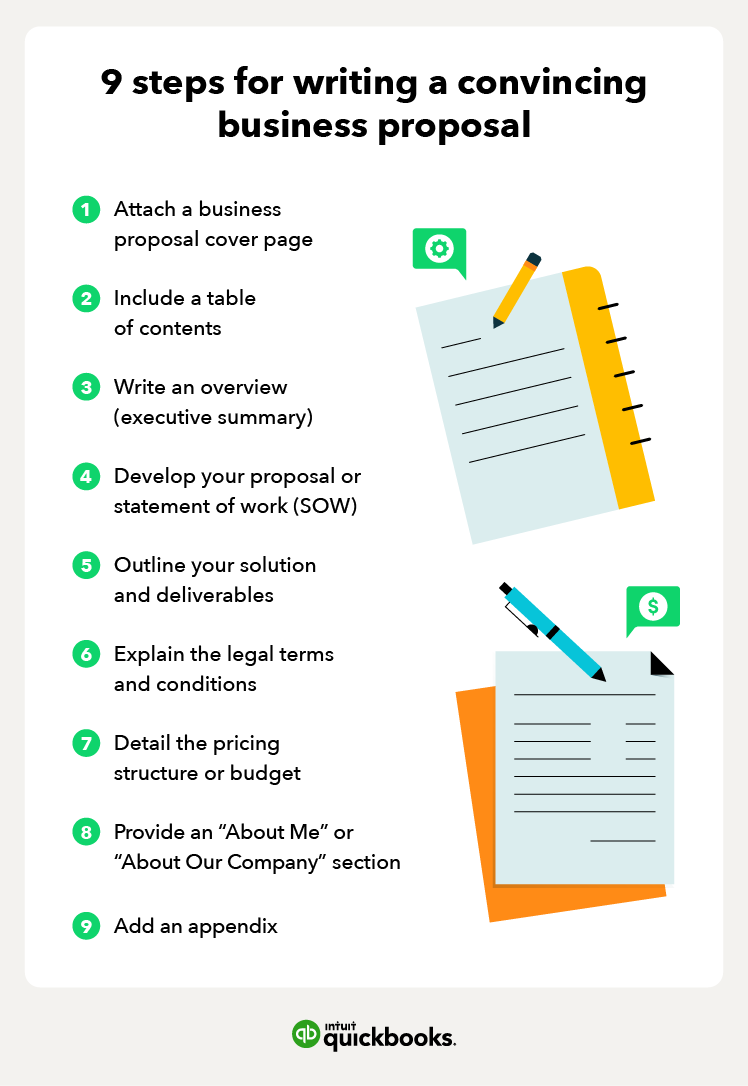
Beyond individual components, the overall structure of your proposal plays a significant role in how its financial arguments are received. A logically organized proposal guides the reader through your value proposition, culminating in a clear call to action underpinned by solid financial justification.
The Executive Summary: Highlighting Financial Value Propositions
The executive summary is arguably the most important section of your proposal, particularly from a financial perspective. It’s often the first, and sometimes only, section thoroughly read by busy decision-makers. Therefore, it must immediately capture attention by summarizing the core financial value proposition. Don’t just introduce your company and the problem; immediately state the financial benefits your solution offers. This means succinctly outlining the expected ROI, cost savings, revenue generation potential, or investment returns. For instance, “This proposal outlines a strategic partnership poised to increase your market share by 10% within 12 months, projecting an additional $2 million in annual revenue against an investment of $250,000, yielding an 8x ROI in the first year.” This upfront financial clarity immediately frames the entire proposal as a financially sound opportunity rather than an expenditure.
Detailed Financial Appendices and Supporting Documentation
While the main body of your proposal should present key financial data clearly and concisely, detailed breakdowns and supporting documentation often belong in appendices. This keeps the main narrative flowing smoothly while providing decision-makers with the depth they need for due diligence. Financial appendices can include comprehensive spreadsheets for budget breakdowns, multi-year financial projections, detailed ROI calculations, market analysis reports, customer testimonials highlighting financial gains, or even audited financial statements if you are seeking investment. The key is to make these appendices well-organized and easy to navigate, allowing the reader to delve into the specifics without being overwhelmed in the main document. This level of detail demonstrates thoroughness and builds confidence in your financial acumen and projections.
Addressing Financial Risks and Demonstrating Mitigation
No business venture is entirely without risk, and attempting to conceal potential financial risks can undermine trust. A credible business proposal acknowledges potential financial risks and, more importantly, outlines clear strategies for mitigating them. This might include discussing market volatility and your plans to adapt, outlining contingency budgets for unforeseen expenses, or detailing insurance policies. For investment proposals, a thorough risk assessment should cover market risks, operational risks, financial risks (e.g., cash flow, debt), and competitive risks. By openly addressing these concerns and demonstrating proactive mitigation strategies, you build credibility and reassure the recipient that you have a comprehensive understanding of the financial landscape. This shows foresight and responsibility, demonstrating that you are prepared for various financial scenarios and have a plan to protect the investment or project’s financial health.
Presenting and Negotiating the Financial Terms
The ultimate goal of your business proposal is to secure a financial commitment. The way you present your proposal and navigate the subsequent negotiation directly impacts your ability to achieve this financial objective.
Articulating Financial Benefits and Justifying Investment
When presenting your proposal, focus on reiterating the financial benefits identified throughout the document. Use compelling language to articulate how your solution contributes to the client’s bottom line or the investor’s portfolio growth. Frame your offering not as an expense, but as a strategic investment. Highlight the unique financial advantages, whether it’s superior ROI, faster break-even points, or long-term cost efficiencies. Use storytelling and real-world examples (backed by financial data) to illustrate the financial impact you’ve delivered for others. Be prepared to succinctly summarize complex financial models and projections into easily digestible insights. The aim is to make the financial justification so clear and compelling that the decision to invest or purchase becomes an obvious choice based on tangible monetary gains.
Anticipating and Overcoming Financial Objections
Throughout the proposal process, particularly during presentation and negotiation, you will likely encounter financial objections. These could range from concerns about the price being too high, the ROI being too low, or the payment terms being unfavorable. Successful proposal writing and presentation involve anticipating these objections and preparing well-reasoned responses. This might involve having alternative pricing models ready, offering a more detailed cost-benefit analysis, or explaining how a seemingly higher upfront cost leads to greater long-term financial savings. Listen actively to objections, empathize with the client’s concerns, and then pivot back to the financial value your solution provides. For example, if a client says, “Your price is too high,” you might respond with, “I understand your concern about the upfront investment. However, our financial projections show a break-even point in just six months, after which your annual savings will be…” This redirects the conversation from cost to value and return.
Securing the Agreement: Finalizing the Financial Commitments
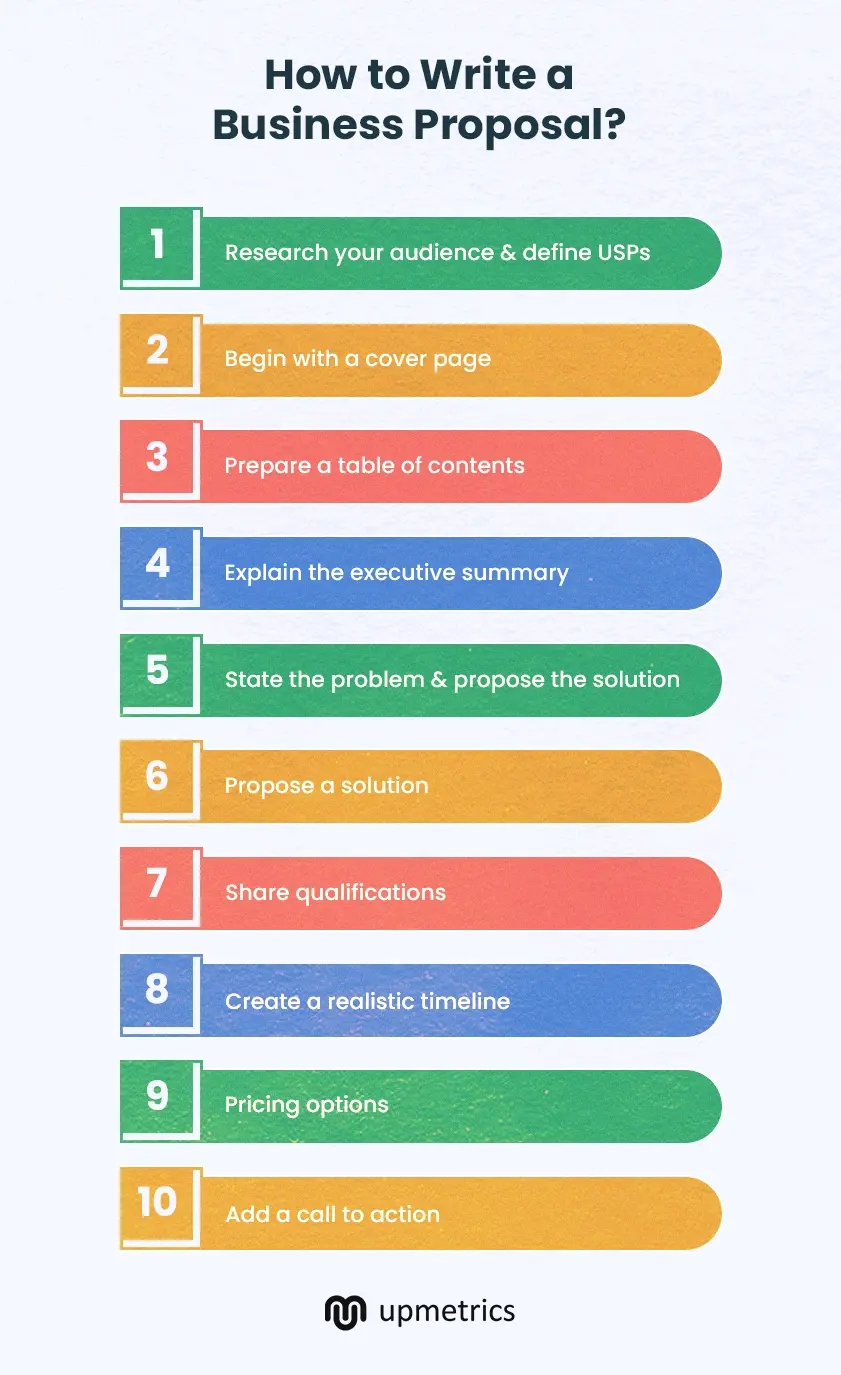
The culmination of your efforts is securing the final agreement. This phase involves finalizing the financial commitments, which means clearly outlining the next steps for execution and payment. Ensure all financial terms discussed and agreed upon during negotiations are accurately reflected in the final contractual documents. This includes specific payment schedules, invoicing details, deliverables tied to payments, and any performance clauses that have financial implications. A clear, concise call to action in your proposal should guide the recipient towards signing off on the financial agreement. Provide a straightforward path for acceptance, whether it’s a digital signature, a formal contract review process, or a defined next meeting. Professionalism and clarity in this final stage solidify trust and pave the way for a successful and financially beneficial partnership.
In conclusion, crafting a winning business proposal is an exercise in financial articulation and persuasion. By focusing intently on the monetary implications of your offering – from cost analysis and ROI projections to payment terms and risk mitigation – you transform a simple document into a powerful financial blueprint. Such a proposal doesn’t just ask for business; it demonstrates, with clarity and confidence, the compelling financial reasons why securing your solution is not just an option, but a strategic imperative for financial success.
aViewFromTheCave is a participant in the Amazon Services LLC Associates Program, an affiliate advertising program designed to provide a means for sites to earn advertising fees by advertising and linking to Amazon.com. Amazon, the Amazon logo, AmazonSupply, and the AmazonSupply logo are trademarks of Amazon.com, Inc. or its affiliates. As an Amazon Associate we earn affiliate commissions from qualifying purchases.