
Navigating the Volatile World of Airfare Pricing
The quest for the cheapest airfare is a perennial challenge for budget-conscious travelers and astute financial planners alike. Unlike commodities with fixed prices, airfare operates within a complex, dynamic pricing model, making it a moving target that demands strategic financial understanding. Airlines employ sophisticated algorithms that adjust prices constantly based on a myriad of factors, creating a marketplace where prices can fluctuate wildly within hours or even minutes. Understanding these underlying mechanics is the first step in financially optimizing your travel expenditure.
The Dynamic Pricing Algorithm: How Airlines Set Fares
Airlines utilize advanced revenue management systems that analyze real-time data to set prices. Key variables include demand for a specific route, time until departure, competitor pricing, historical booking patterns, fuel costs, and even the type of device a user is browsing on (though this is less common than often perceived). This dynamic model means that two passengers on the same flight might have paid significantly different prices, reflecting the airline’s effort to maximize revenue from every seat. From a personal finance perspective, this necessitates a proactive and informed approach to booking, rather than relying on static pricing expectations.

Timing is Money: The Optimal Booking Window
One of the most significant financial levers a traveler has is the timing of their booking. Extensive financial analysis of flight data consistently shows an “optimal booking window.” Booking too early (e.g., more than six months out) can mean paying higher prices as airlines hold back cheaper fare classes. Booking too late (within two weeks of departure) almost invariably leads to exorbitant costs, as airlines capitalize on last-minute business travelers or those with urgent travel needs who are less price-sensitive. Generally, the sweet spot for domestic flights is typically 1-3 months in advance, while international flights often see the best prices 2-6 months out. Deviating from this window can have direct and significant financial implications on your travel budget.
Seasonality and Special Events: Peak vs. Off-Peak Savings
The financial impact of seasonality on airfare cannot be overstated. Travel demand surges during holidays, school breaks, and major cultural or sporting events, driving prices sky-high. Conversely, traveling during the “shoulder seasons” (just before or after peak season) or the true off-peak can yield substantial savings. For instance, flying to Europe in late autumn or early spring, or visiting popular beach destinations outside of major holiday periods, often results in significantly lower airfares. Strategic financial planning for travel involves aligning your travel dates with periods of lower demand to minimize expenditure. Analyzing historical pricing trends for your desired destination and time of year is a wise financial habit.
Strategic Tools and Tactics for Frugal Travelers
Equipped with an understanding of how airfares are priced, the next step involves deploying specific financial tools and tactical approaches to identify and secure the cheapest flights. This requires leveraging technology and adopting a flexible mindset to maximize monetary savings.
Aggregators and Comparison Sites: Your First Financial Checkpoint
Websites like Google Flights, Skyscanner, Kayak, and Momondo are indispensable financial tools for comparing airfares across multiple airlines and online travel agencies (OTAs). These aggregators pull data from various sources, presenting a consolidated view of prices, allowing travelers to quickly identify the lowest available fares for their desired route and dates. Crucially, they often include features like price calendars, which visually display how prices fluctuate over a month, helping you pinpoint the cheapest departure and return dates. Always double-check prices directly on the airline’s website after finding a promising fare on an aggregator, as sometimes exclusive deals or slightly different pricing might exist there.
Incognito Mode and VPNs: Myth vs. Reality in Price Discrepancies
A popular belief suggests that browsing in incognito mode or using a VPN can lead to cheaper airfares by preventing websites from tracking your searches and potentially inflating prices on repeat visits. While it’s true that dynamic pricing can be influenced by demand, direct evidence that a website remembers your specific searches and increases prices solely based on that specific activity is largely anecdotal and unsubstantiated by broad financial research. Airlines’ pricing algorithms are far more complex, focusing on overall demand, seat availability, and competitor actions. However, using incognito mode does offer a clean slate for each search, which can be useful to ensure you’re not seeing cached data or prices influenced by other factors in your browser history. The primary financial benefit remains in broad market comparison, not individual search manipulation.
Price Alerts and Predictors: Automated Savings at Your Fingertips
For routes where you have some flexibility in booking time, setting up price alerts is a highly effective financial strategy. Most flight comparison sites offer email notifications that alert you when the price for a specific route drops to or below a certain threshold. Services like Google Flights also offer predictive analytics, suggesting whether to “buy now” or “wait” based on historical data and current trends. This automated monitoring saves significant time and effort, ensuring you don’t miss a fleeting opportunity to lock in a lower price without constant manual checking – a direct benefit to your financial planning.
Flexible Dates and Destinations: Maximizing Your Financial Leverage
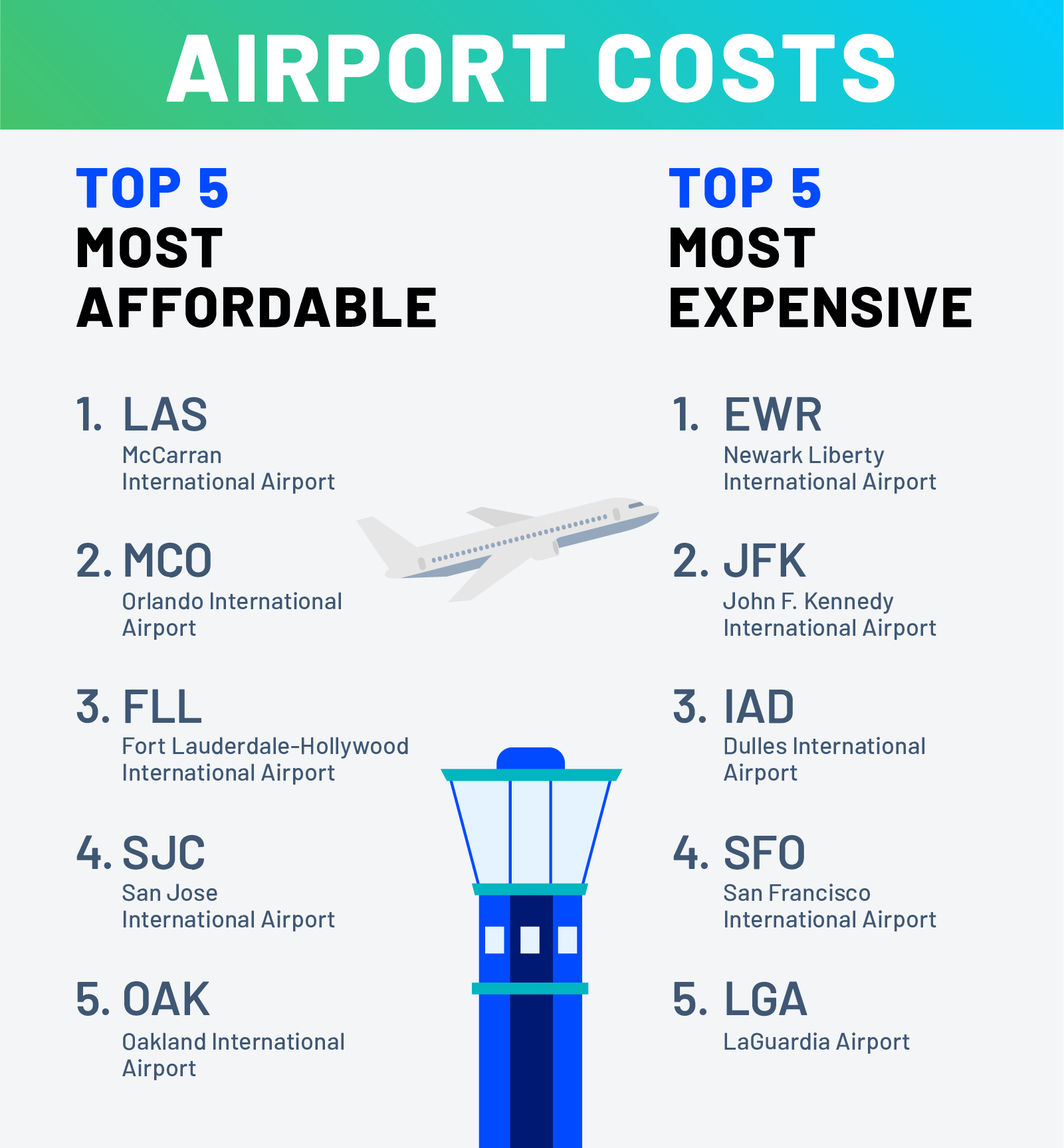
The single most powerful financial tool in the pursuit of cheap airfare is flexibility. Being open to slightly adjusting your departure and return dates, even by a day or two, can yield hundreds of dollars in savings. Weekday flights, particularly Tuesdays, Wednesdays, and Saturdays, are often cheaper than peak Friday and Sunday travel. Similarly, being flexible with your destination, perhaps considering alternative airports within a reasonable distance, can unlock significant financial advantages. Many aggregators allow you to search for “everywhere” or specify a region, displaying the cheapest destinations from your departure point, enabling you to make financially informed decisions about where to travel.
Beyond the Sticker Price: Uncovering True Airfare Costs
The seemingly cheapest ticket can quickly become an expensive mistake if you don’t account for all associated costs. A comprehensive financial perspective requires looking beyond the headline fare to understand the total outlay for your journey.
Understanding Ancillary Fees: Baggage, Seat Selection, and In-Flight Extras
Budget airlines, in particular, often advertise incredibly low base fares but then charge substantial fees for services that were once standard. Checked baggage, carry-on bags exceeding strict dimensions, seat selection, in-flight meals, and even printing your boarding pass at the airport can add up quickly. Before booking, meticulously review the airline’s fee structure. Factor these potential costs into your budget to accurately compare the true cost of different flights. Sometimes, a slightly higher base fare from a full-service airline might be cheaper overall once all ancillary fees are considered. This diligent financial review prevents unwelcome surprises and budget overruns.
Layover vs. Direct: The Cost-Benefit Analysis
Direct flights offer convenience but often come at a premium. Flights with one or more layovers are typically cheaper, presenting a financial trade-off for your time and comfort. When considering layover flights, evaluate the financial risk versus reward. Extremely short layovers increase the risk of missing connecting flights, potentially leading to additional accommodation or rebooking costs. Very long layovers, while often cheaper, consume significant travel time and may incur costs for food or airport amenities. Always weigh the monetary savings against the potential for stress, lost time, and the financial impact of unforeseen delays.
The Currency Conversion Conundrum: International Booking Considerations
When booking international flights, especially from websites based in other countries, be mindful of currency conversion rates and foreign transaction fees. While booking in a local currency might sometimes appear cheaper, your bank or credit card company might charge fees for foreign transactions (typically 1-3% of the transaction value). Always check the final amount in your home currency and understand any associated charges. Using a credit card without foreign transaction fees can be a smart financial move for international purchases, saving you money on every booking.
Budgeting for the Entire Journey: Ground Transport and Accommodation Synergy
Airfare is just one component of your total travel budget. Astute financial planning considers the entire journey. A cheap flight to a distant airport might necessitate expensive ground transportation to your final destination, negating initial airfare savings. Similarly, a flight arriving at an inconvenient time (e.g., late at night) might force an extra night of accommodation. Look at the holistic financial picture: flight cost + transport cost + accommodation cost. Sometimes, a slightly more expensive flight into a central airport or at a more convenient time can lead to overall financial savings.
Leveraging Financial Savvy for Long-Term Savings
Beyond individual booking tactics, long-term financial strategies can significantly reduce your overall travel expenses over time, transforming the hunt for cheap airfare into a sustainable practice.
Airline Loyalty Programs: Earning and Redeeming Smart
Joining airline loyalty programs is a fundamental financial step for frequent travelers. While accruing enough miles for a “free” flight can take time, these programs offer various benefits that translate into financial savings. Status tiers often provide perks like free checked bags, priority boarding, and complimentary upgrades, all of which avoid paying ancillary fees. Strategically collecting miles through travel and credit card spending (discussed next) can lead to significant reductions in out-of-pocket flight costs over the long run. Understand the points valuation and redemption options to maximize your financial return.
Travel Credit Cards: Maximizing Rewards and Minimizing Out-of-Pocket Expenses
Travel-focused credit cards are powerful financial tools for reducing airfare costs. Many offer substantial sign-up bonuses in the form of miles or points, which can be enough for one or even multiple free flights. Beyond bonuses, these cards often provide ongoing rewards for travel purchases, no foreign transaction fees, and travel insurance benefits (trip cancellation, baggage delay, rental car insurance), which can save you from purchasing separate policies. By strategically using these cards for everyday spending and responsibly managing your credit, you can significantly subsidize your air travel costs, turning everyday expenses into future flight savings. However, always ensure you pay your balance in full to avoid interest charges that would negate any rewards.

Insurance Considerations: Protecting Your Financial Investment
While seemingly an additional cost, travel insurance can be a crucial financial safeguard, especially for expensive international trips. Policies can cover trip cancellations, medical emergencies abroad, lost baggage, and flight delays. The cost of a flight might be minimal, but a medical emergency in a foreign country can be financially devastating. Evaluate the cost of the insurance against the potential financial risk of unforeseen events. Some travel credit cards offer built-in travel insurance benefits, which can eliminate the need for separate policies, another financial advantage to consider. A small upfront investment in insurance can protect a much larger financial commitment in your overall travel plans.
aViewFromTheCave is a participant in the Amazon Services LLC Associates Program, an affiliate advertising program designed to provide a means for sites to earn advertising fees by advertising and linking to Amazon.com. Amazon, the Amazon logo, AmazonSupply, and the AmazonSupply logo are trademarks of Amazon.com, Inc. or its affiliates. As an Amazon Associate we earn affiliate commissions from qualifying purchases.