
The story of Plymouth cars is a quintessential case study in brand management, offering a profound look into the rise, strategic missteps, and eventual dissolution of a once-iconic automotive identity. From its inception as a beacon of accessibility and innovation to its eventual absorption into the broader Chrysler portfolio, Plymouth’s trajectory provides invaluable lessons in maintaining brand distinctiveness and relevance in a competitive market.
The Genesis of an American Icon: Forging a Brand Identity
Plymouth burst onto the automotive scene in 1928, launched by Walter P. Chrysler himself. Its initial brand strategy was clear and potent: to offer an affordable, robust, and technologically advanced alternative to the dominant Ford and Chevrolet brands. Chrysler envisioned Plymouth as the “entry-level luxury car,” a brand that delivered more features and better engineering than its direct competitors at a comparable price point. This positioning immediately resonated with the burgeoning middle class, especially as the nation navigated the onset of the Great Depression, making value and durability paramount.

A Legacy of Affordability and Innovation
From its earliest days, Plymouth’s brand promise was built on accessible innovation. It was among the first in its price class to offer four-wheel hydraulic brakes, a significant safety advancement. This focus on delivering superior engineering without an exorbitant price tag was a cornerstone of its early brand equity. Plymouth cultivated an image of reliability and sensible choice, earning a loyal customer base who saw the brand as a smart investment. Its advertising often highlighted its “floating power” engine mounts, which reduced vibration and improved ride comfort, further cementing its reputation for delivering advanced features previously found only in more expensive vehicles. This strategic positioning created a strong, distinct identity in a crowded market.
The Post-War Boom and Peak Influence
Following World War II, Plymouth’s brand power surged. The post-war economic boom and the accompanying demand for new cars propelled the brand to unprecedented heights. By the 1950s, Plymouth consistently ranked as one of the top-selling automotive brands in the United States, often vying for third place behind Ford and Chevrolet. This era saw Plymouth evolve its design language, embracing the flamboyant fins and chrome that characterized American automotive aesthetics. Models like the Belvedere and Fury became synonymous with American optimism and style, yet still retained an underlying brand ethos of solid value and performance. The brand’s corporate identity was strong, with a clear market segment and a defined aesthetic that made it easily recognizable and desirable. It was a brand that understood its audience and delivered on its promises consistently.
Shifting Sands: Erosion of Brand Distinctiveness
Despite its strong start and impressive growth, the seeds of Plymouth’s decline were sown within its parent company, Chrysler Corporation. As the automotive landscape evolved, Chrysler’s internal brand strategy began to undermine Plymouth’s unique position, ultimately leading to a protracted erosion of its distinctiveness.
Internal Competition and Cannibalization
Perhaps the most significant factor in Plymouth’s unraveling was Chrysler’s evolving brand architecture. Over time, Chrysler began to consolidate platforms and components across its various divisions – Dodge, Chrysler, and Plymouth. What started as an efficiency measure gradually led to what is known as brand cannibalization. Vehicles across these brands became increasingly similar, sharing chassis, engines, and even body panels. Dodge, which initially targeted a slightly different demographic, started releasing models that directly competed with Plymouth’s offerings. The Dodge Dart, for instance, became a formidable internal competitor to the Plymouth Valiant. This created confusion in the marketplace: if a Dodge and a Plymouth offered virtually the same car with minor styling differences, what was the unique value proposition of each? This internal competition made it difficult for dealers to differentiate, and for consumers to perceive Plymouth as a brand with its own identity.
Loss of Unique Selling Propositions
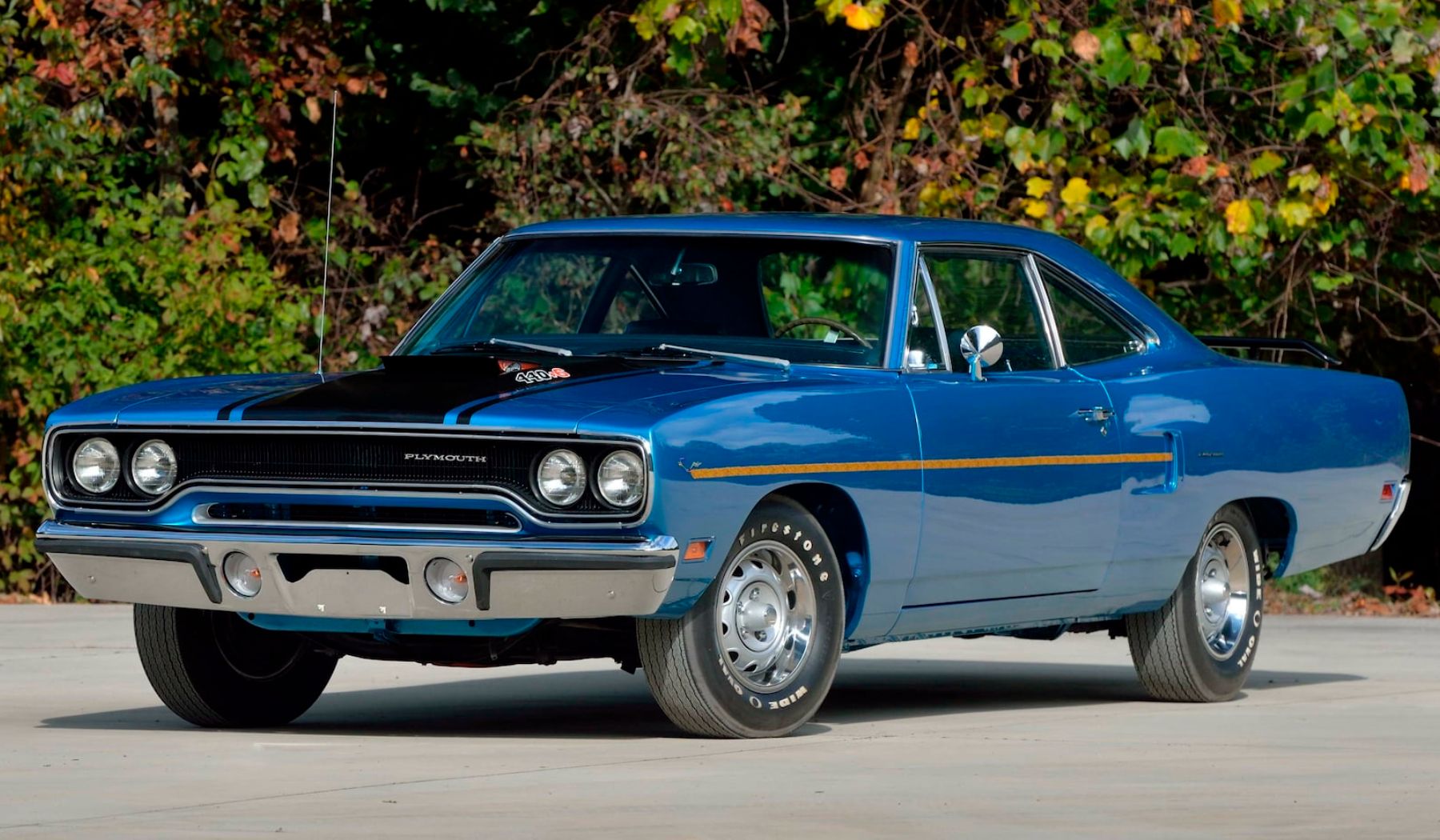
The strategic misstep of platform sharing meant Plymouth gradually lost its unique selling propositions. Where it once stood for accessible innovation and superior engineering in its segment, these attributes became diluted as they were shared across other Chrysler brands. Plymouth cars ceased to have truly distinctive features or design elements that set them apart. The brand’s identity blurred into a generic “Chrysler product,” losing the sharp focus that had driven its early success. Consumers began to see Plymouth not as a distinct choice, but as merely another variant within the broader Chrysler family, often indistinguishable from its Dodge counterparts. This loss of individuality chipped away at its brand equity, making it harder to justify its existence as a standalone brand.
Marketing Missteps and Identity Crisis
Compounding the issues of internal competition and product dilution were persistent marketing missteps and a growing identity crisis. As the product lines became homogenized, Plymouth’s marketing struggled to articulate a clear and compelling reason for its existence. Campaigns often lacked a cohesive message, vacillating between attempts to be sporty, economical, or family-oriented without truly committing to a singular, powerful brand image. The iconic “Plymouth makes it” tagline, once a symbol of reliability, became less impactful when the “it” was virtually identical to a Dodge. This lack of a consistent narrative left consumers confused about what Plymouth truly represented. Without a strong brand narrative and unique attributes to highlight, marketing efforts often fell flat, failing to capture the imagination or loyalty of new generations of car buyers.
The Struggle for Relevance: Desperate Measures and Fading Hope
As the 1980s and 1990s unfolded, Plymouth’s struggle intensified. The brand, once a staple of American motoring, was increasingly seen as an anachronism within Chrysler’s multi-brand portfolio. Efforts to revitalize the brand were often too little, too late, or strategically misaligned.
Attempted Revivals: Prowler and Neon
In an attempt to inject excitement and a sense of distinctiveness back into the brand, Chrysler launched several high-profile models under the Plymouth badge. The most notable of these was the Plymouth Prowler, introduced in 1997. The Prowler was a radical, retro-styled hot rod, a daring design statement meant to be a “halo car” that would draw attention and excitement back to the brand. While visually striking and critically acclaimed for its bold design, the Prowler was a niche vehicle with limited production, failing to translate its avant-garde appeal into mainstream sales or a broader rejuvenation of the Plymouth brand image. It was an expensive exercise in design, but its impact on the overall brand health was minimal, as it did not reflect the core values or offerings of the rest of the Plymouth lineup.
Another significant effort was the Plymouth Neon, launched in 1994. The Neon was an attempt to recapture Plymouth’s roots as a purveyor of affordable, practical cars, but with a fresh, youthful appeal. It was a well-received small car, praised for its peppy engine and interior space. However, it was also sold as a Dodge Neon, once again highlighting the brand’s inability to establish unique product offerings. While successful in terms of sales, the Neon primarily benefited the “Neon” nameplate rather than specifically bolstering the Plymouth brand’s distinct identity. It merely perpetuated the brand confusion, making it difficult for Plymouth to claim any genuine competitive advantage.
Financial Pressures and Corporate Restructuring
Throughout its later decades, Plymouth was also heavily impacted by the broader financial fortunes and strategic shifts within the Chrysler Corporation. Chrysler itself faced numerous financial challenges, leading to cycles of restructuring, mergers, and cost-cutting initiatives. In such environments, “redundant” brands often become targets for consolidation. As Daimler-Benz acquired Chrysler in 1998, forming DaimlerChrysler, the pressure to streamline operations and rationalize the brand portfolio intensified. Plymouth, lacking a truly distinct market segment or unique product line, became an increasingly difficult brand to justify from a corporate strategy perspective. Maintaining a separate Plymouth identity required marketing investment and administrative overhead without providing a clear return on brand differentiation.
The Sunset of a Brand: The Final Years and Legacy
The decision to discontinue Plymouth was ultimately a cold, hard strategic calculation. It represented the culmination of decades of brand dilution, internal competition, and a failure to re-establish a compelling market identity.
The Inevitable Decision
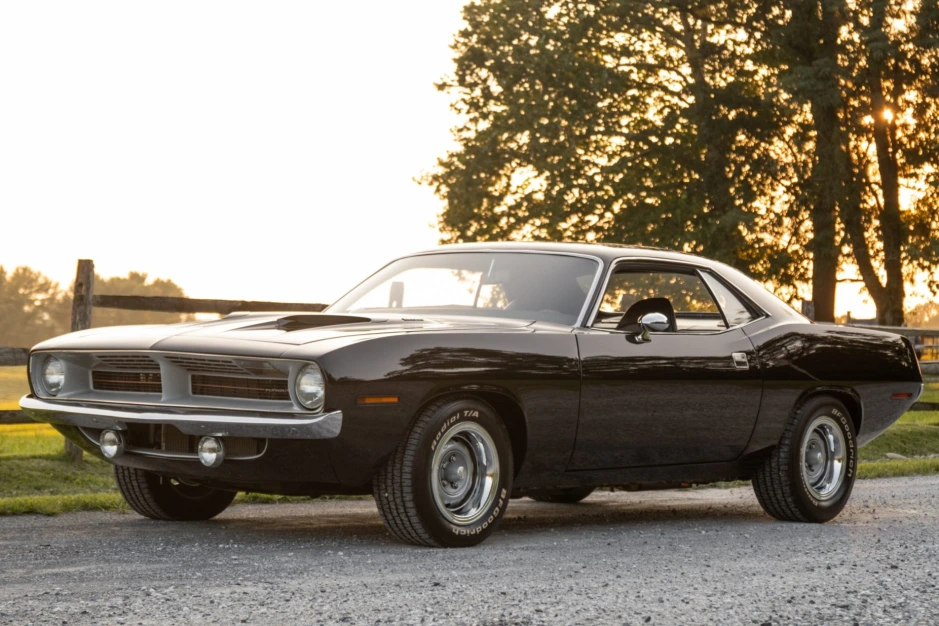
In 1999, DaimlerChrysler announced the phased discontinuation of the Plymouth brand, with production ceasing entirely after the 2001 model year. The rationale was clear: the brand no longer served a unique purpose within the company’s multi-brand strategy. The Dodge division had successfully absorbed many of Plymouth’s traditional roles, offering both entry-level and performance-oriented vehicles. Consolidating the product lines under fewer brands allowed for greater marketing efficiency and clearer brand positioning for the remaining Dodge and Chrysler brands. The last Plymouth vehicles rolled off the assembly lines in 2001, marking the end of an era that had spanned over seven decades. The brand, once a vibrant symbol of American automotive ingenuity, faded into history, a casualty of a strategic shift towards streamlining brand portfolios.
Lessons in Brand Management
The story of Plymouth offers several crucial lessons for modern brand managers. Firstly, distinctiveness is paramount. A brand must continuously justify its existence by offering a unique value proposition, product features, or emotional connection that cannot be easily replicated by competitors, especially internal ones. Secondly, brand architecture requires careful stewardship. Allowing brands within the same corporate umbrella to cannibalize each other’s market share and dilute their identities is a recipe for disaster. Each brand should have a clearly defined target audience, market segment, and unique attributes. Thirdly, marketing must be consistent and authentic. A brand’s messaging needs to align with its products and values, telling a coherent story that resonates with consumers. Finally, adaptability is key. While maintaining core brand identity, brands must evolve with market demands without losing sight of what makes them special. Plymouth’s inability to reinvent itself meaningfully beyond shared platforms ultimately sealed its fate, serving as a powerful reminder of the delicate balance required to sustain a brand’s legacy in a dynamic marketplace.
aViewFromTheCave is a participant in the Amazon Services LLC Associates Program, an affiliate advertising program designed to provide a means for sites to earn advertising fees by advertising and linking to Amazon.com. Amazon, the Amazon logo, AmazonSupply, and the AmazonSupply logo are trademarks of Amazon.com, Inc. or its affiliates. As an Amazon Associate we earn affiliate commissions from qualifying purchases.