
The transition from student life to the professional world is often marked by a series of complex financial milestones, the most significant of which is the commencement of student loan repayment. However, for many borrowers, a fundamental question arises even before the first payment is due: “Who actually has my student loan?”
This confusion is not a reflection of a borrower’s lack of organization; rather, it is a byproduct of a complex financial ecosystem where loans are frequently transferred, sold, or managed by third-party entities. Whether you are emerging from a grace period or returning to repayment after a hiatus, identifying your loan holder is the essential first step in maintaining your financial health and protecting your credit score.
Distinguishing Between Federal and Private Loans
Before you can pinpoint the specific entity managing your debt, you must understand the two primary categories of student loans. The search process differs significantly depending on whether your debt is federal or private.
Federal Student Loans
Federal loans are funded by the U.S. government. While the Department of Education is technically your lender, they do not usually manage the day-to-day administration of the loan. Instead, they assign your account to a “loan servicer”—a private company contracted to handle billing, customer service, and repayment plans. Because the government frequently reshuffles these contracts, your servicer today may not be the same one you had two years ago.
Private Student Loans
Private loans are issued by banks, credit unions, or online lenders like SoFi, Sallie Mae, or Discover. These loans are not subsidized by the government and do not offer the same federal protections. Identifying a private loan holder requires a different approach, as there is no centralized government database for private debt.
How to Locate Your Federal Student Loan Servicer
For the vast majority of American borrowers, student debt is federal. Fortunately, the government maintains a centralized system that tracks every federal loan from the moment it is disbursed until it is paid in full.
Utilizing StudentAid.gov
The most reliable way to identify your federal loan servicer is through the official Federal Student Aid (FSA) website. By logging into your account using your FSA ID, you gain access to the “Dashboard,” which provides a granular view of your total federal debt.
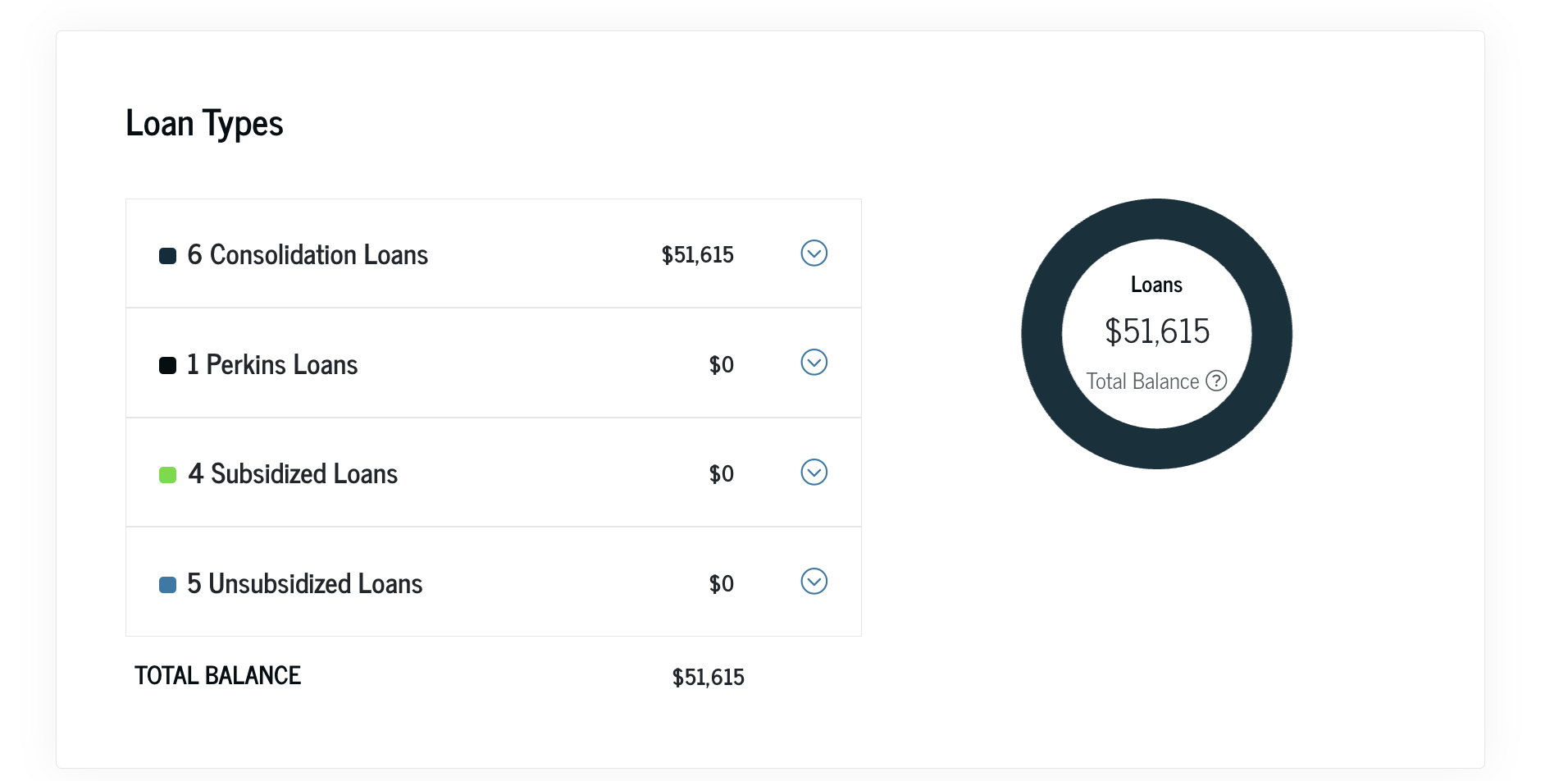
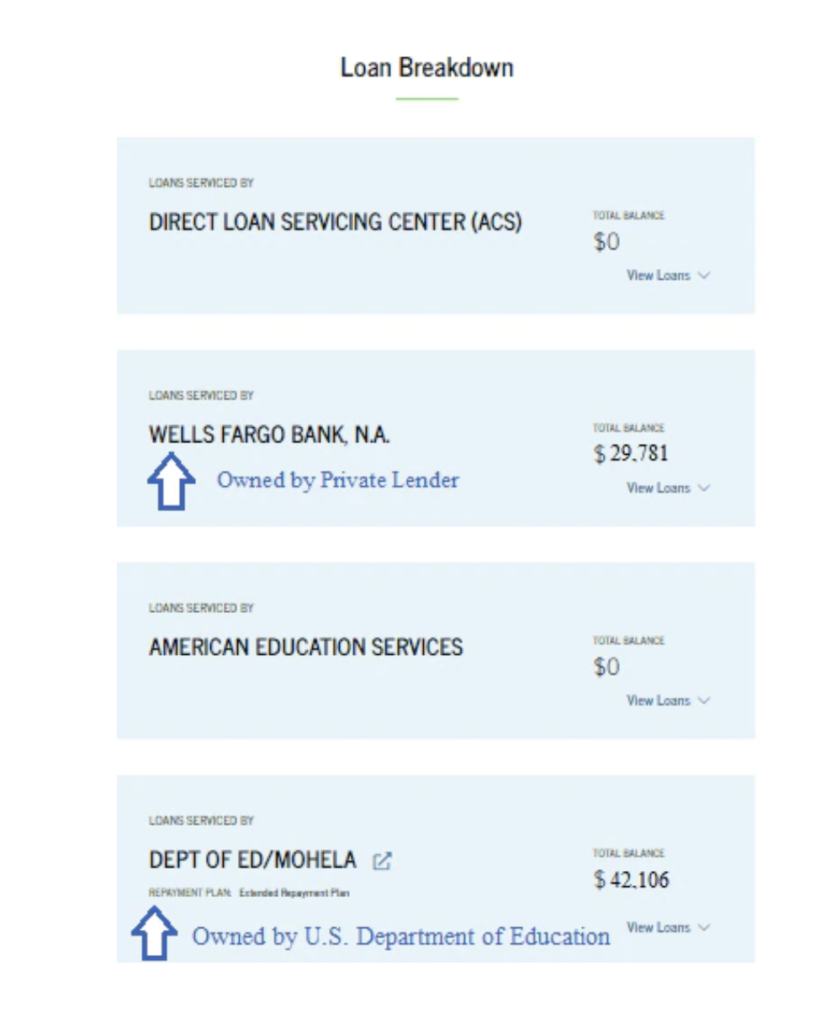
Under the “My Aid” section, you will see a breakdown of your loans, including the current servicer assigned to each. If you have multiple loans, they may be split among different servicers, though the Department of Education generally attempts to keep a single borrower’s accounts with one company. Clicking on “View Servicer Details” will provide you with the company’s name, website, and contact information.
The Role of the National Student Loan Data System (NSLDS)
While StudentAid.gov is the primary interface for borrowers, it pulls its information from the National Student Loan Data System. This is the government’s central database for student aid. It records every Pell Grant and federal loan you have ever received. If the main dashboard is undergoing maintenance, the NSLDS records are the definitive source of truth for your federal borrowing history.
Common Federal Servicers
As of the current fiscal landscape, several major companies handle the bulk of federal student loan servicing. These include:
-
MOHELA: Often handles specialized programs like Public Service Loan Forgiveness (PSLF).
-
Nelnet: One of the largest servicers in the country.
-
Aidvantage: A company that took over many accounts previously managed by Navient.
-
EdFinancial (Edfinancial Services): A long-standing servicer for federal accounts.
If you recognize any of these names on your bank statement or in your inbox, that entity is likely your current servicer.
Identifying Private Student Loan Holders
Private loans are more elusive because they exist within the commercial banking sector. If you have a private loan and are unsure who holds it, you must act as a financial detective.
Reviewing Your Credit Report
Since there is no federal database for private loans, your credit report is your most powerful tool. Private lenders report your payment history to the three major credit bureaus: Equifax, Experian, and TransUnion.
By law, you are entitled to a free credit report from each bureau annually via AnnualCreditReport.com. Once you obtain your report, look under the “Accounts” or “Tradelines” section. Any student loan—whether federal or private—will be listed there, along with the name of the financial institution and the current balance. This is the most effective way to see if a loan has been sold to a debt buyer or transferred to a collection agency.
Examining Tax Documents (Form 1098-E)
If you have paid more than $600 in student loan interest during a calendar year, your loan holder is required to send you IRS Form 1098-E. This form is essential for claiming the student loan interest deduction on your taxes, but it also serves as a clear identifier of who is collecting your interest payments. Even if you haven’t received the physical form, you can often find it by logging into the portal of the bank where you hold your checking account, as many students take out loans from their primary financial institution.
Contacting Your School’s Financial Aid Office
If you are still at a loss, the financial aid office at the college or university you attended maintains records of all aid packages processed for you. While they may not have real-time data on who currently owns your debt if it was sold in the secondary market, they can tell you which lender originally disbursed the funds. This provides a starting point for a paper trail.
Why Your Loan Servicer Might Have Changed
It is common for a borrower to find that the company they were paying six months ago is no longer the one asking for money. This shift occurs for several reasons, and understanding them can alleviate the anxiety of a “missing” loan.
Federal Contract Transfers
The Department of Education periodically re-evaluates its contracts with private servicing companies. When a company’s contract expires or they choose to exit the student loan business (as FedLoan and Great Lakes did in recent years), millions of accounts must be moved to different servicers. In these instances, your loan terms, interest rates, and balance remain identical; only the destination of your payment changes.
Portfolios and Acquisitions
In the private sector, student loans are financial assets. Banks may sell portfolios of loans to other banks to raise capital or exit a specific market. When this happens, the new owner is required to notify you via mail or email. If you ignore these communications, you might continue sending payments to an old servicer, leading to processing delays and potential late fees.
Consolidation and Refinancing
If you personally chose to consolidate your federal loans or refinance your debt into a new private loan, your old loans were paid off by a new lender. In this case, the “who has my loan” question is answered by the new promissory note you signed. The previous servicer will show a zero balance, and a new account will appear on your credit report.
Proactive Management Once Your Servicer is Found
Finding your servicer is only the beginning. To ensure long-term financial stability, you must establish a functional relationship with that entity.
Setting Up Your Online Portal
Once you identify the servicer, visit their website immediately to create an account. Do not rely on paper statements, which can be lost or delayed. An online portal allows you to track interest accrual, view your repayment schedule, and download important tax documents. Ensure that your contact information—especially your email and phone number—is current so you receive alerts regarding payment deadlines or changes in terms.
The Importance of Auto-Pay
Most servicers, both federal and private, offer a 0.25% interest rate reduction if you enroll in automatic debit. Beyond the modest savings, this ensures that you never miss a payment, which is critical for maintaining a strong credit score. In the world of student loans, even a single 30-day late payment can cause a significant dip in your credit rating, complicating your ability to secure a mortgage or car loan in the future.
Documenting All Communications
The student loan industry is not immune to administrative errors. If you are told a payment was missed or if you are applying for a specific repayment plan like Income-Driven Repayment (IDR), keep a log of your interactions. Save emails, take screenshots of confirmation pages, and note the names of customer service representatives you speak with. If your loan is ever transferred again, having a well-documented history will prevent discrepancies from derailing your progress toward debt freedom.
Understanding who holds your student loan is more than just an administrative task; it is an act of taking ownership of your financial future. By utilizing tools like StudentAid.gov for federal debt and credit reports for private debt, you can demystify the repayment process and ensure that every dollar you pay is correctly applied to your balance. Knowledge is the first defense against the complexities of the modern lending landscape.
aViewFromTheCave is a participant in the Amazon Services LLC Associates Program, an affiliate advertising program designed to provide a means for sites to earn advertising fees by advertising and linking to Amazon.com. Amazon, the Amazon logo, AmazonSupply, and the AmazonSupply logo are trademarks of Amazon.com, Inc. or its affiliates. As an Amazon Associate we earn affiliate commissions from qualifying purchases.